Single DNA hairpin nanowire based on self-hybridization chain reaction for sensitive ATP detection
Fengyi Lin, Jing Liu, Yuxin Cheng, Min Li, Hong Zhang, Cuisong Zhou, Yong Guo, Dan Xiao, Peng Mi, Jianyuan Dai

TL;DR
Researchers developed a new DNA-based nanowire that can detect ATP in cells with high sensitivity and selectivity.
Contribution
A single DNA hairpin structure enables self-hybridization chain reaction, simplifying design and improving detection performance.
Findings
The single hairpin design improves signal-to-noise ratio by nearly two-fold compared to traditional HCR.
The SHCR nanowire can detect ATP in living cells and ATP released from dead cancer cells after radiotherapy.
The new design shows better selectivity for single-base mismatches.
Abstract
Hybridization chain reaction (HCR), which typically consists of two hairpins for signal amplification, has emerged as a versatile tool in bioanalytical applications. Here, a novel HCR nanowire based on a single DNA hairpin structure is reported. The hairpin stem is rationally engineered with a palindromic sequence, which enables a self-hybridization chain reaction (SHCR) upon the introduction of the initiator DNA strand. Compared to the conventional two hairpin-based HCR nanowire, the single DNA hairpin-based SHCR nanowire achieves nearly a two-fold improvement in the signal-to-noise ratio and exhibits better selectivity for single-base mismatch. By integrating the initiator DNA strand with adenosine triphosphate (ATP) aptamer, the single DNA hairpin-based nanowire has been applied for sensitive ATP detection, capable of monitoring ATP both in living cells and that released from dead…
Genes, proteins, chemicals, diseases, species, mutations and cell lines named across the full text — each resolved to its canonical identifier and authoritative record.
Click any figure to enlarge with its caption.
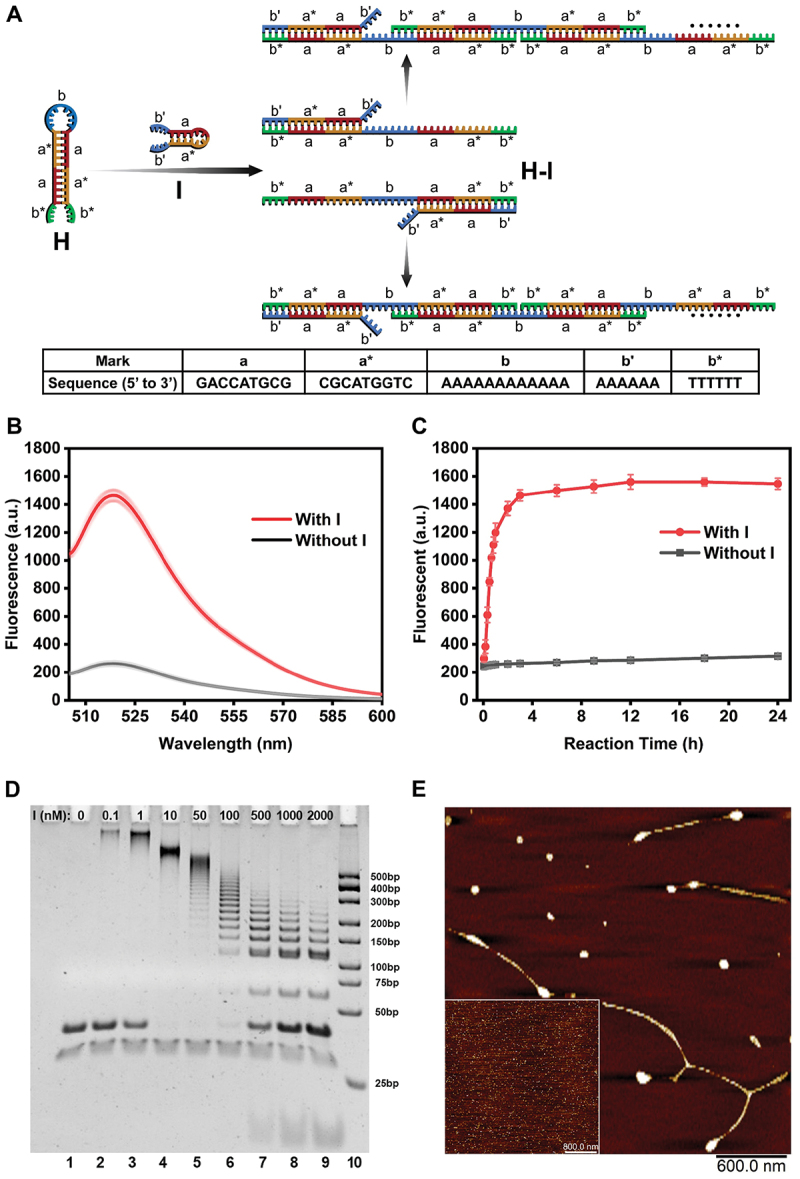 Figure 1
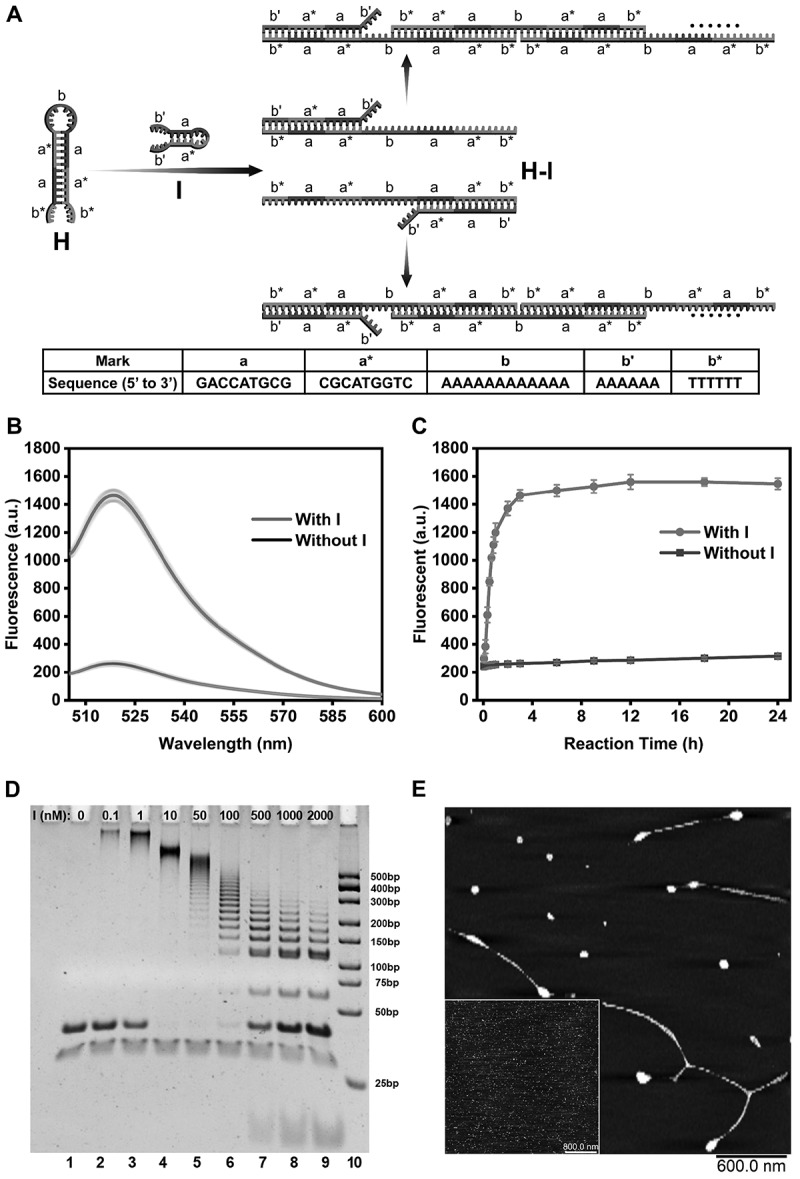 Figure 2
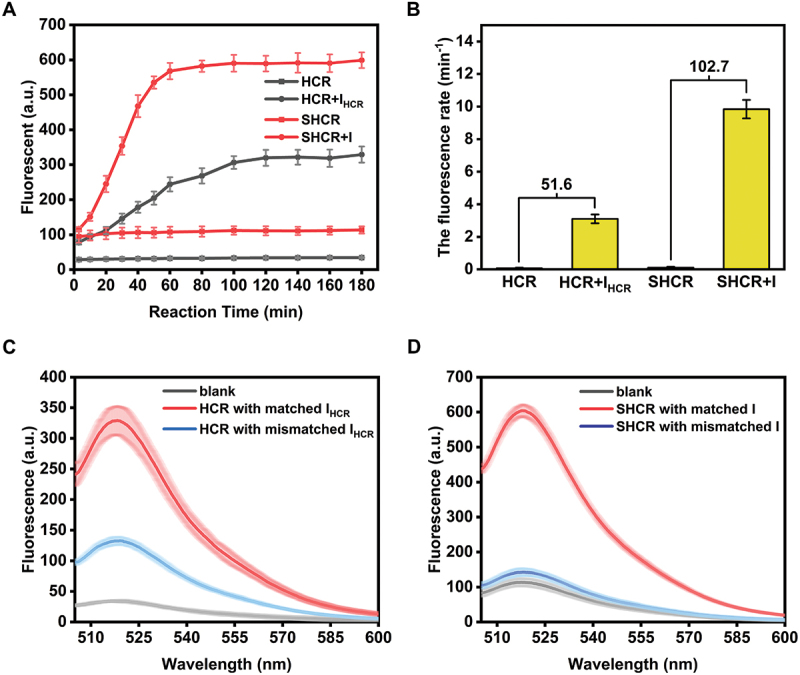 Figure 3
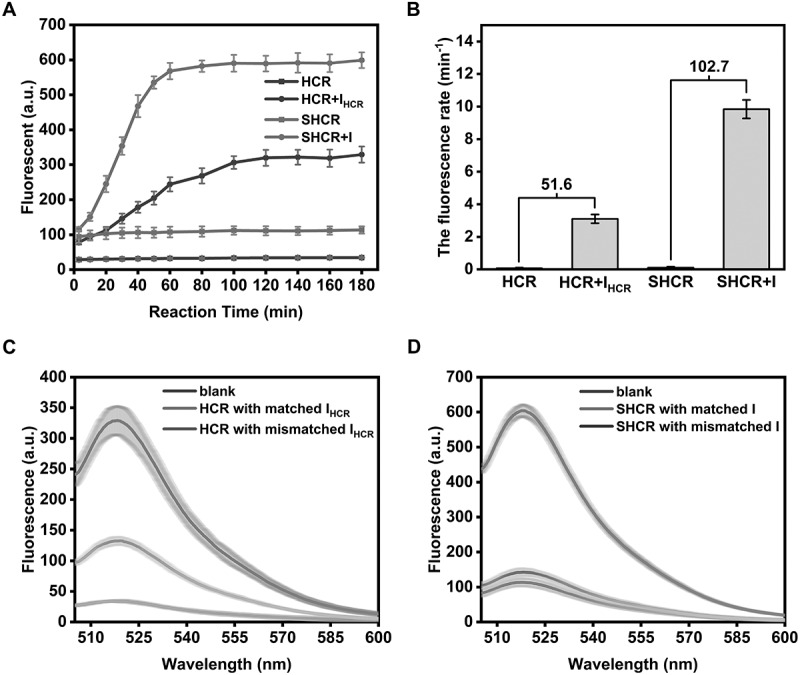 Figure 4
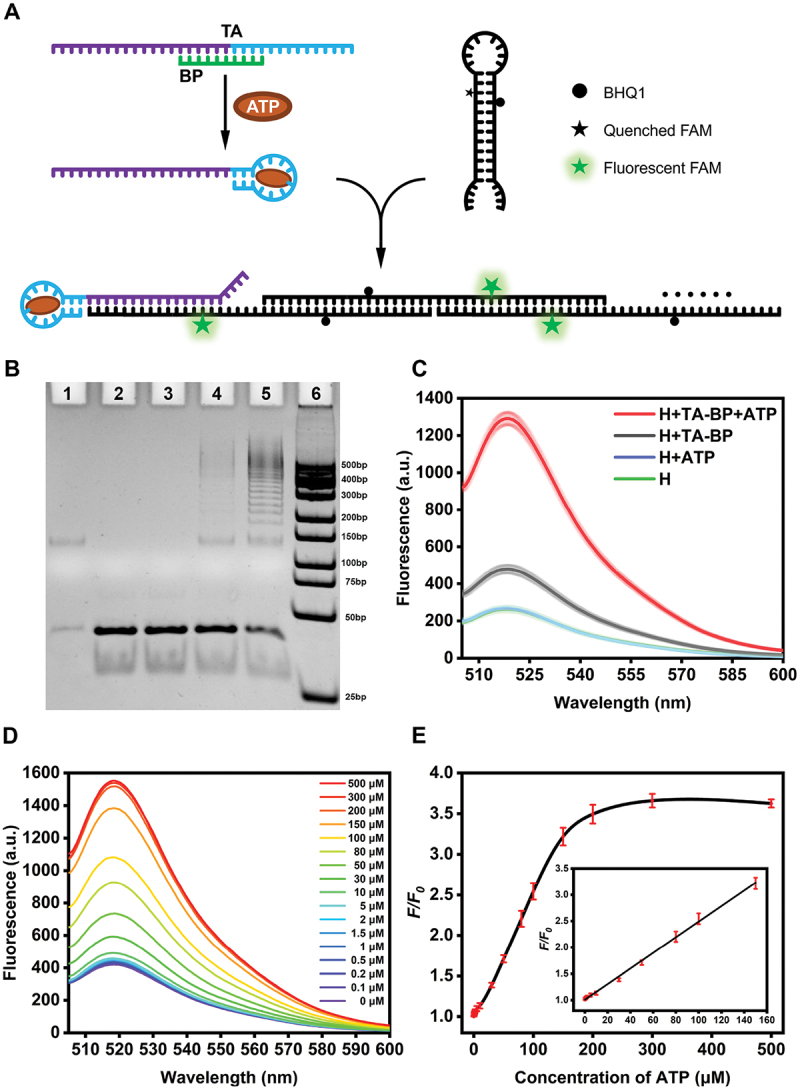 Figure 5
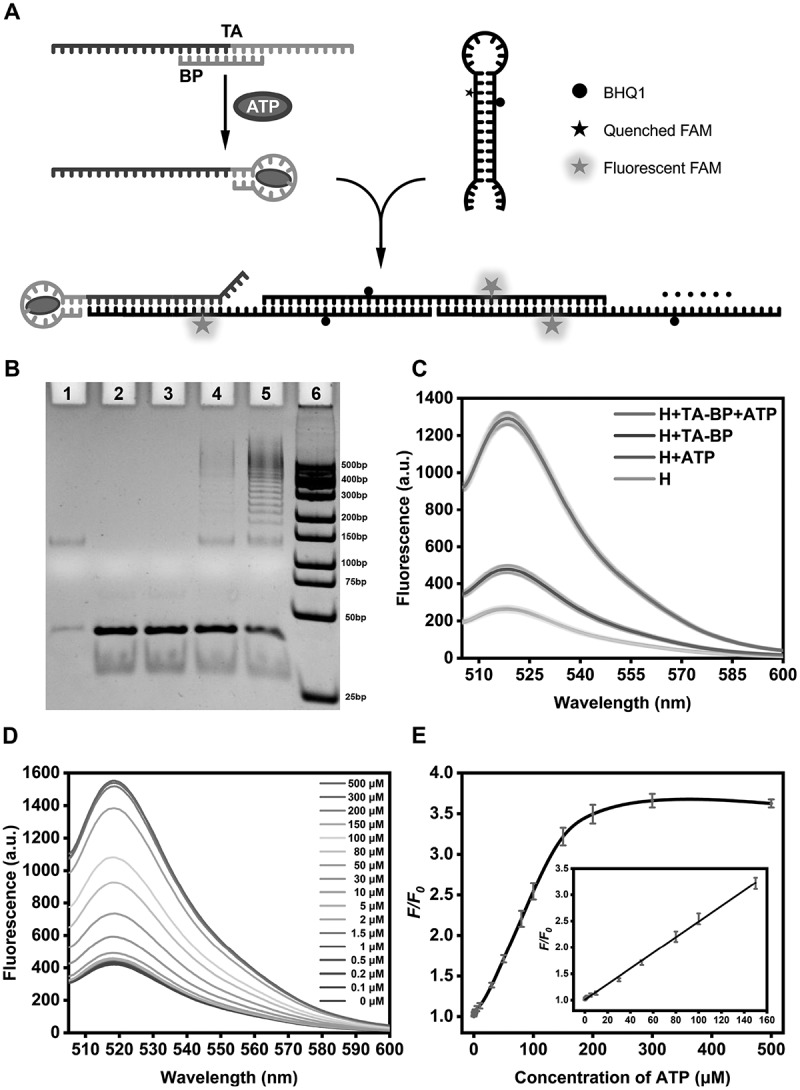 Figure 6
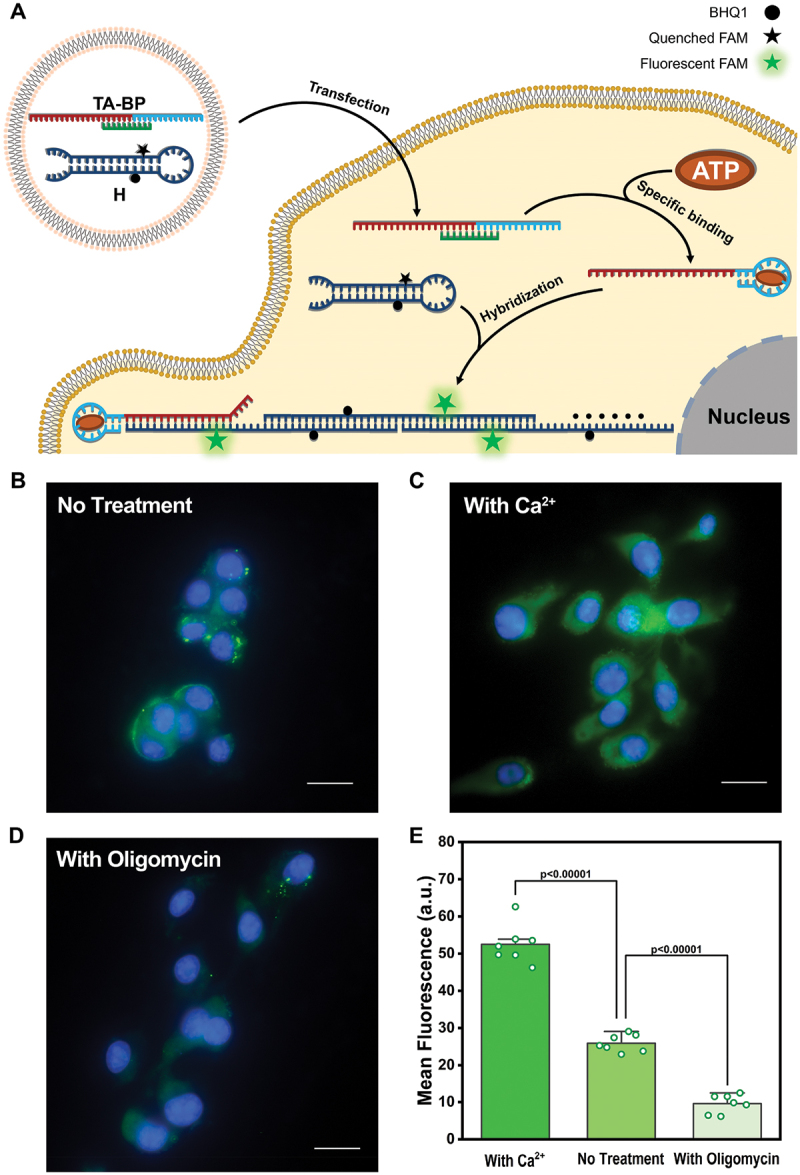 Figure 7
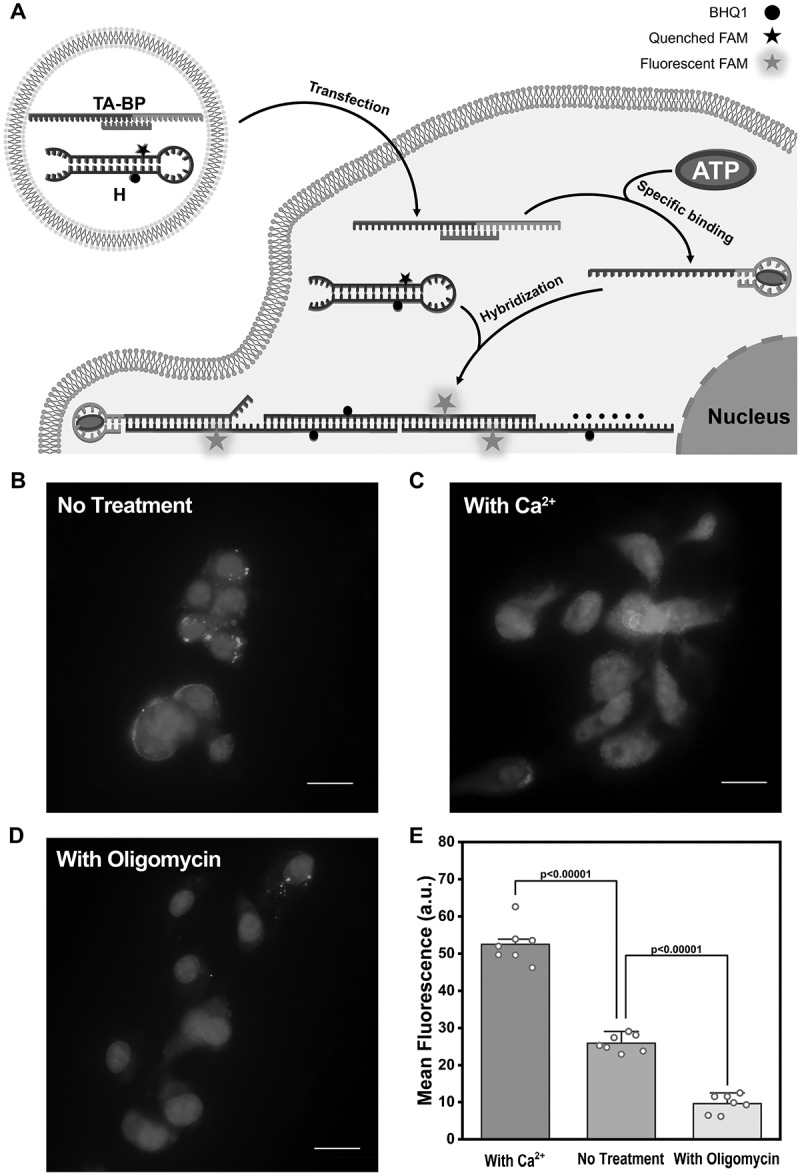 Figure 8
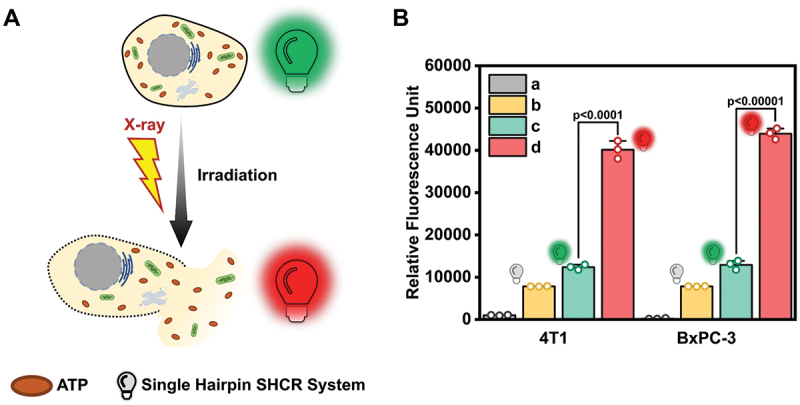 Figure 9
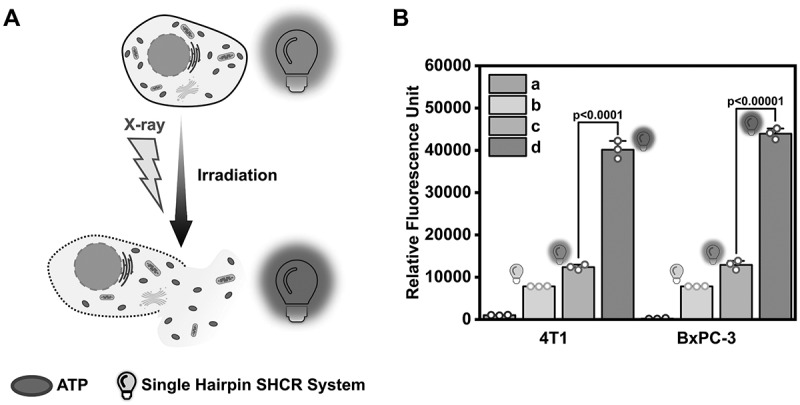 Figure 10
 Figure 11
 Figure 12
 Figure 13
 Figure 14
 Figure 15
 Figure 16
 Figure 17
 Figure 18
 Figure 19
 Figure 20
 Figure 21
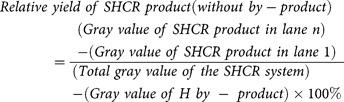 Figure 22
 Figure 23
 Figure 24
 Figure 25
 Figure 26
 Figure 27
 Figure 28
 Figure 29
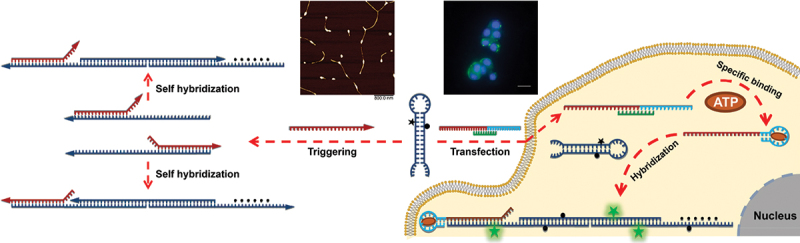 Figure 30
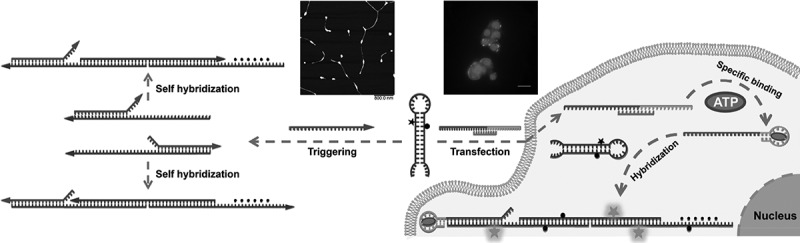 Figure 31
Peer Reviews
No public reviews on file for this paper yet. If you reviewed it on a platform where reviews are public (OpenReview, ICLR, NeurIPS, ICML), you can paste yours below so the community can read it here.
Videos
No videos yet. Explain this paper in a talk, walkthrough, or lecture? Add one.
Taxonomy
TopicsAdvanced biosensing and bioanalysis techniques · DNA and Nucleic Acid Chemistry · Nanopore and Nanochannel Transport Studies