Functional autoantibodies and coronary microvascular obstruction in STEMI: a translational link between immune mechanisms and prognostic outcomes
Laura Iop, Giovanni Civieri, Giacomo Bernava, Nicola Meynardi, Marta Vadori, Giulia Masiero, Marika Martini, Nicola Morat, Donatella Tansella, Sabino Iliceto, Emanuele Cozzi, Francesco Tona

TL;DR
This study shows that certain autoantibodies can damage heart microvessels in STEMI patients, leading to poor outcomes and suggesting new treatment strategies.
Contribution
The study demonstrates a direct causal link between agonistic autoantibodies and coronary microvascular injury in STEMI patients.
Findings
Higher autoantibody titers correlate with increased CMVO and worse clinical outcomes in STEMI patients.
Patient-derived immunoglobulins induce endothelial dysfunction and oxidative stress in vitro.
Pharmacological blockade of AT1R and ETAR reduces endothelial injury and oxidative stress.
Abstract
Despite timely primary percutaneous coronary intervention, coronary microvascular obstruction (CMVO) continues to limit myocardial reperfusion and worsen prognosis in patients with ST-elevation myocardial infarction (STEMI). Agonistic autoantibodies targeting the angiotensin II type 1 (AT1R) and endothelin-1 type A (ETAR) receptors have been associated with CMVO, but whether they directly contribute to microvascular injury remains unclear. We prospectively enrolled 287 STEMI patients and evaluated CMVO, left ventricular remodeling, and major adverse cardiovascular events during a median follow-up of 460 days. Immunoglobulins were isolated from a subset of patients with the highest AT1R-AA and ETAR-AA titers and from seronegative controls. Human cardiac microvascular endothelial cells were exposed to patient-derived or control immunoglobulins, with or without pharmacological receptor…
Genes, proteins, chemicals, diseases, species, mutations and cell lines named across the full text — each resolved to its canonical identifier and authoritative record.
Click any figure to enlarge with its caption.
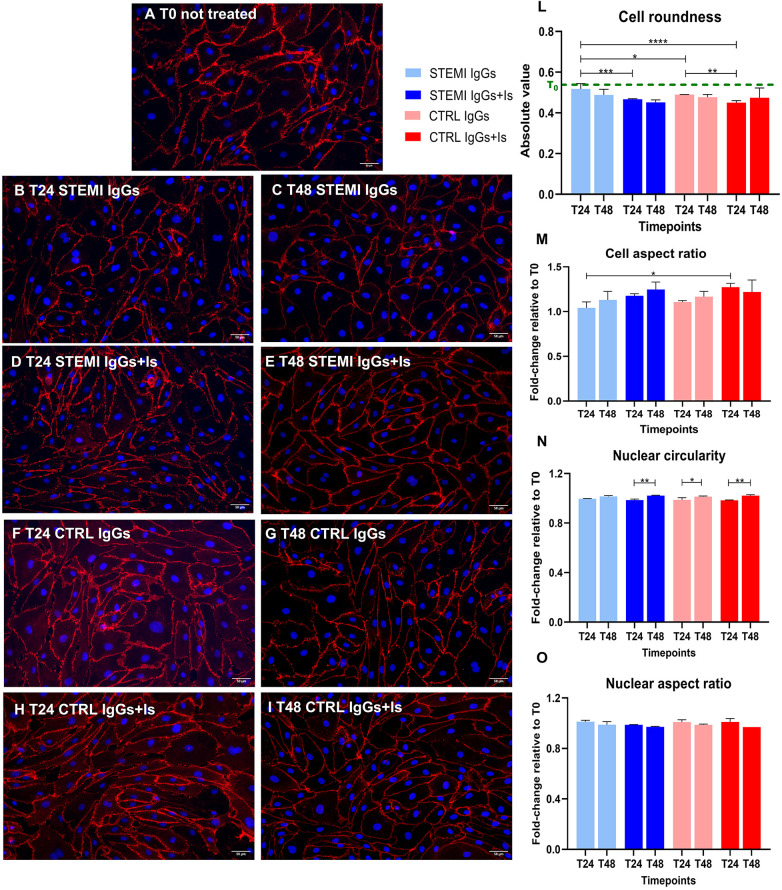 Figure 1
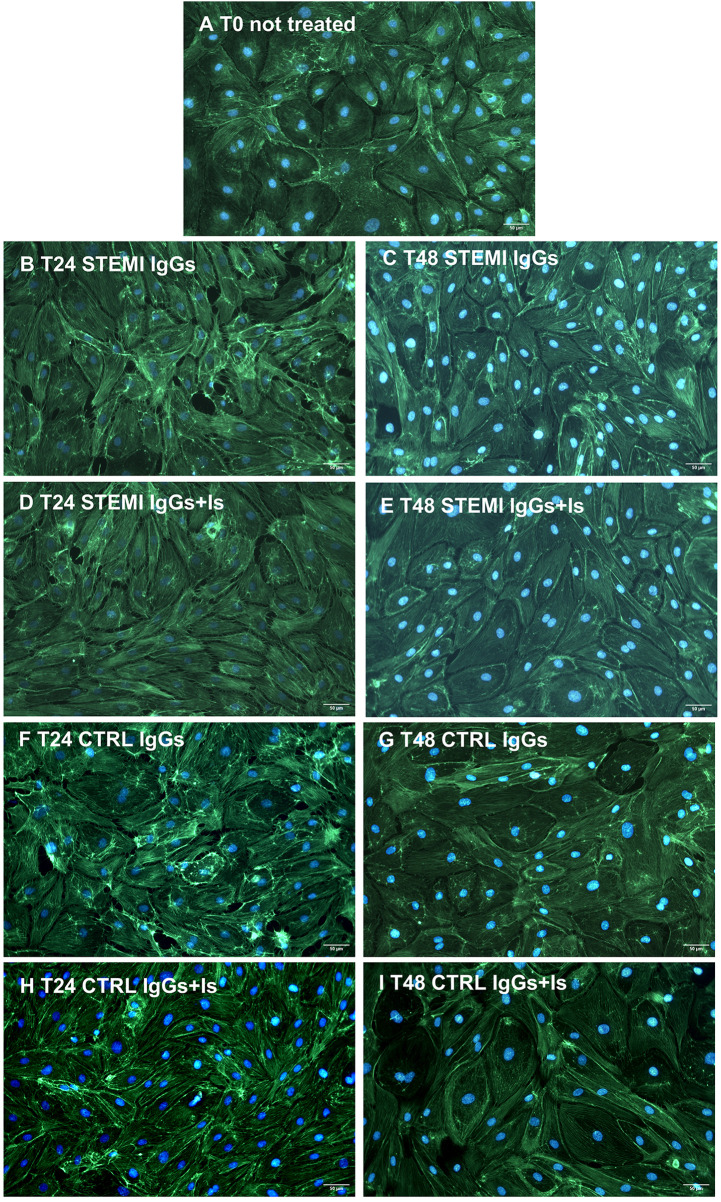 Figure 2
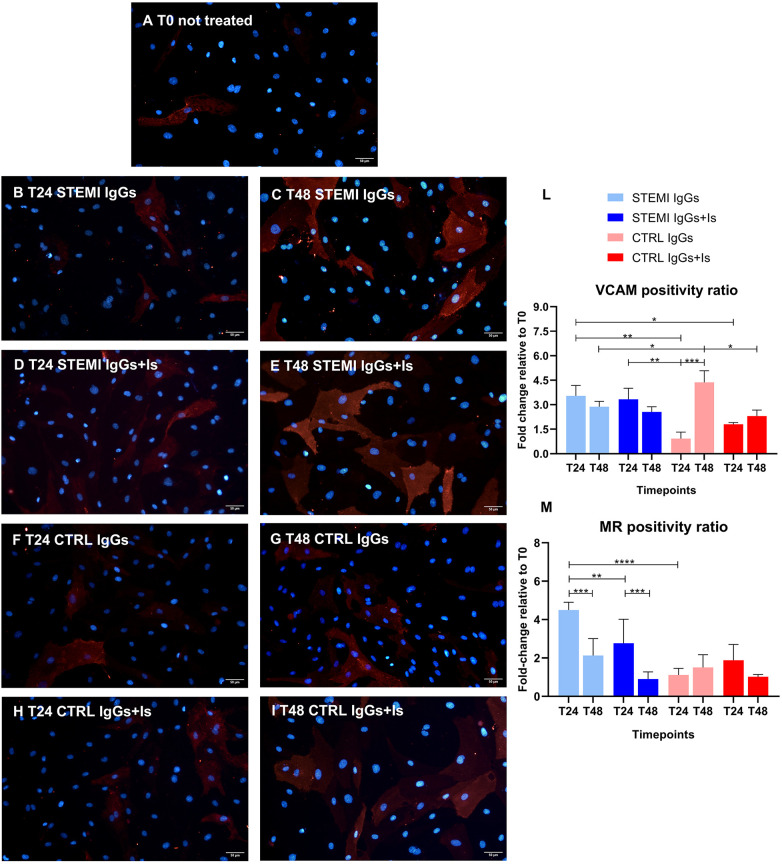 Figure 3
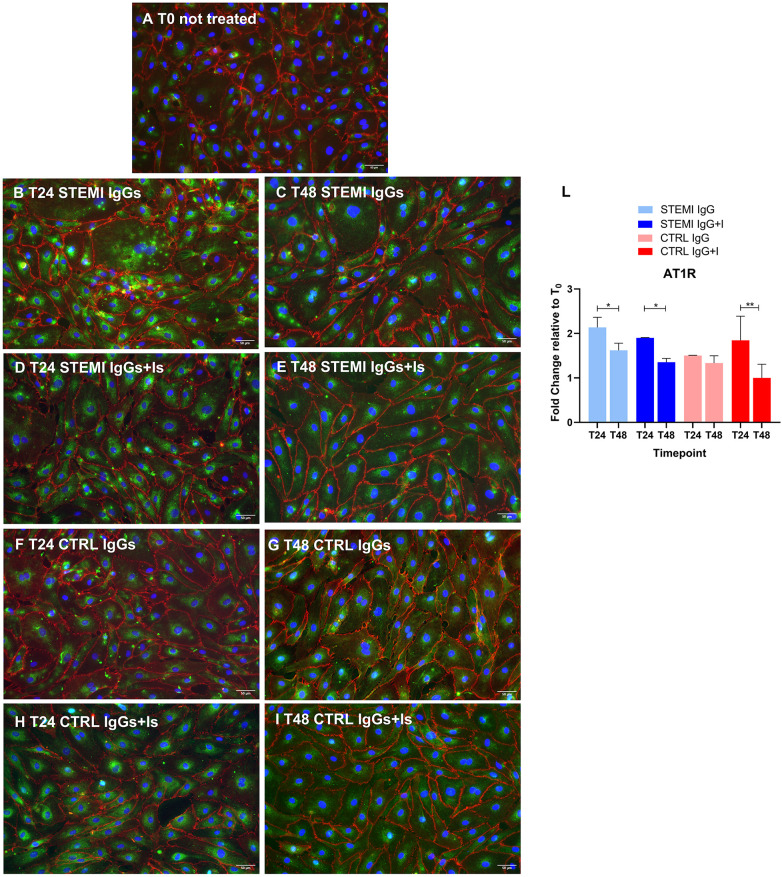 Figure 4
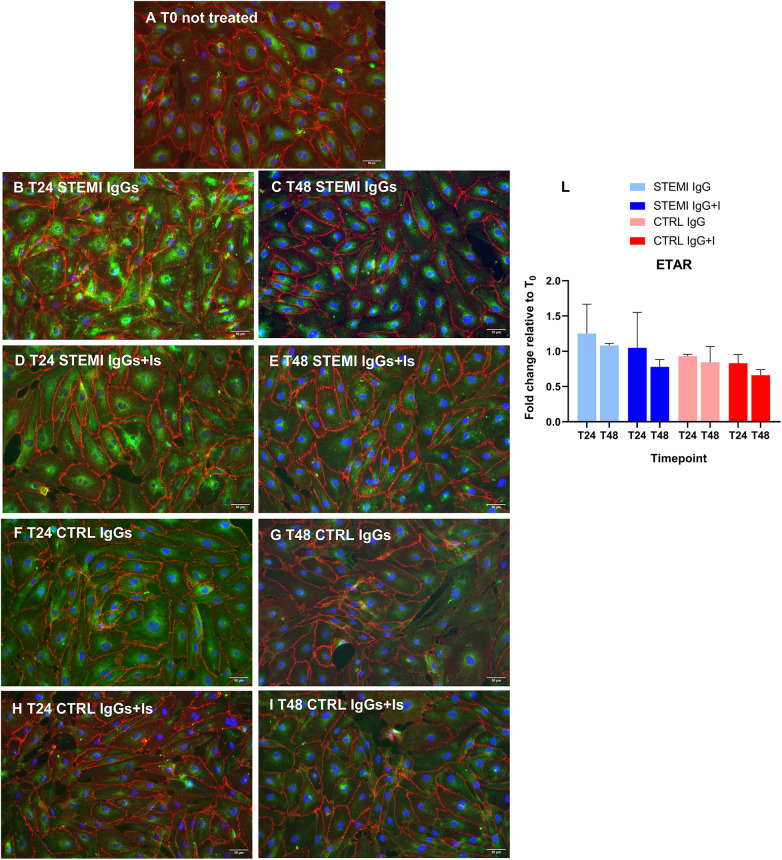 Figure 5
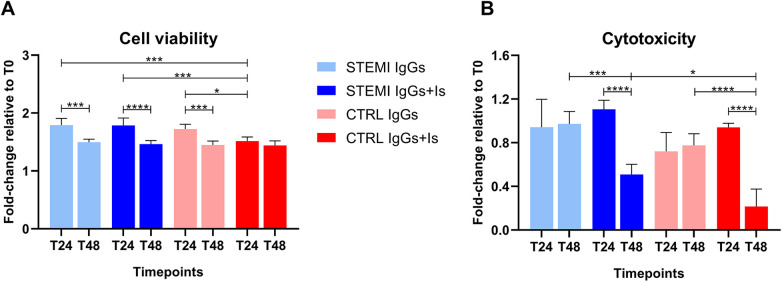 Figure 6
Peer Reviews
No public reviews on file for this paper yet. If you reviewed it on a platform where reviews are public (OpenReview, ICLR, NeurIPS, ICML), you can paste yours below so the community can read it here.
Videos
No videos yet. Explain this paper in a talk, walkthrough, or lecture? Add one.
Taxonomy
TopicsAtherosclerosis and Cardiovascular Diseases · Acute Myocardial Infarction Research · Nitric Oxide and Endothelin Effects