Atypical Presentation of Subarachnoid Hemorrhage (SAH): A Case Report
Nader Abdelrazig, Muhammad Khizar Hayat, Shehzad Safdar, John Caird

TL;DR
This case report describes an elderly woman whose subarachnoid hemorrhage was initially misdiagnosed as acute pancreatitis due to atypical symptoms.
Contribution
The paper highlights the importance of considering SAH in elderly patients presenting with non-classical symptoms.
Findings
An elderly woman presented with confusion and was later diagnosed with SAH after initial misdiagnosis.
Atypical SAH presentations can lead to diagnostic delays in elderly patients.
Clinicians should maintain a high suspicion for SAH in non-typical cases.
Abstract
Subarachnoid hemorrhage (SAH) is a life-threatening condition, often caused by an aneurysmal rupture. Generally, it presents with classical symptoms of thunderclap headache, along with other neurological findings; however, atypical presentations can also occur, hence leading to a delay in diagnosis, particularly in elderly patients. We present a case of a 71-year-old woman diagnosed with acute pancreatitis. Although her gastrointestinal symptoms improved, her confusion persisted, which prompted further investigation, leading to the diagnosis of SAH. This case report highlights the atypical presentation of SAH in the elderly population and urges clinicians to keep a high index of suspicion for such occurrences.
Genes, proteins, chemicals, diseases, species, mutations and cell lines named across the full text — each resolved to its canonical identifier and authoritative record.
Click any figure to enlarge with its caption.
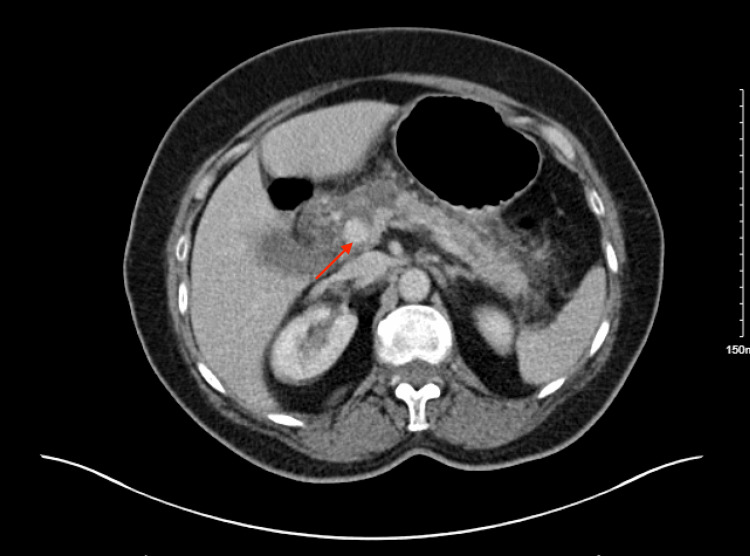 Figure 1
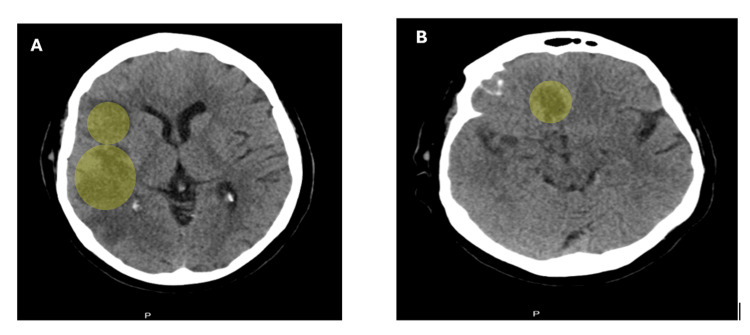 Figure 2
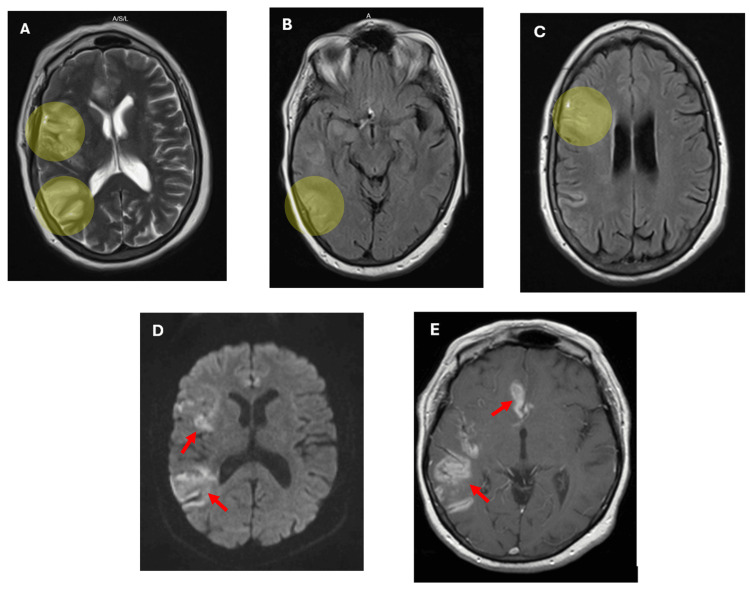 Figure 3
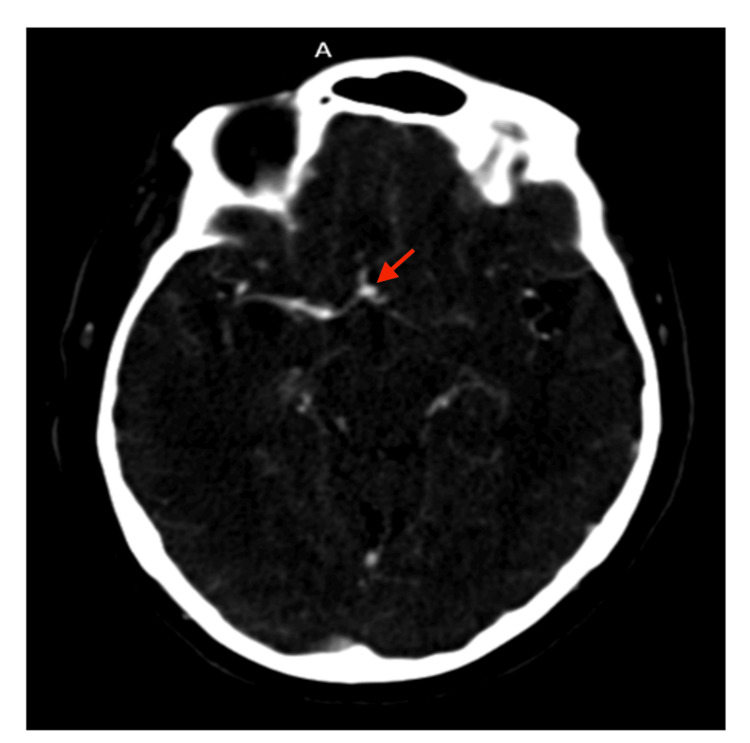 Figure 4
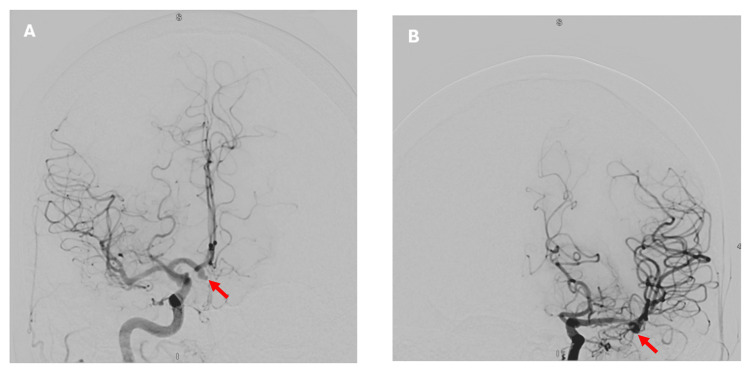 Figure 5
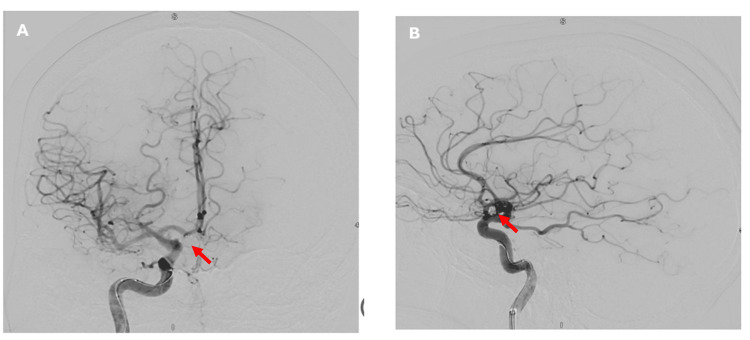 Figure 6
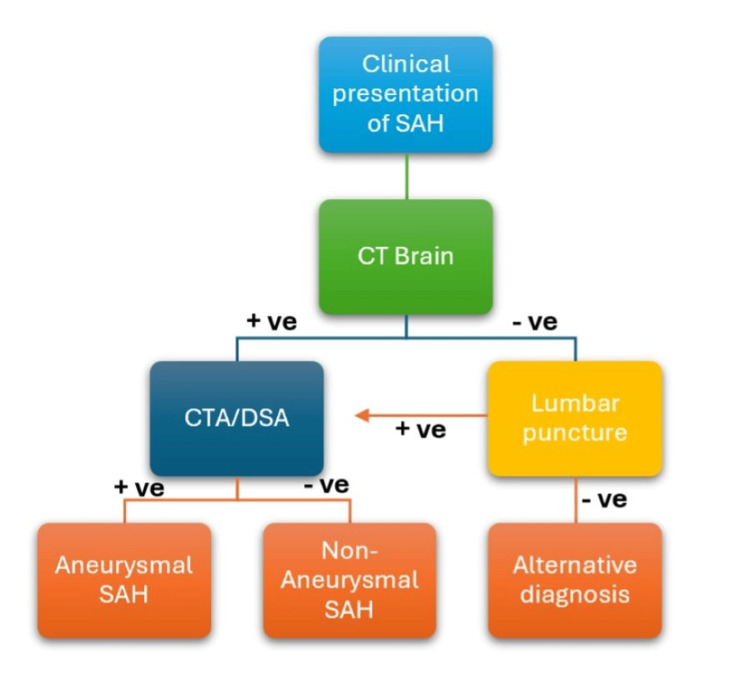 Figure 7
Peer Reviews
No public reviews on file for this paper yet. If you reviewed it on a platform where reviews are public (OpenReview, ICLR, NeurIPS, ICML), you can paste yours below so the community can read it here.
Videos
No videos yet. Explain this paper in a talk, walkthrough, or lecture? Add one.
Taxonomy
TopicsIntracranial Aneurysms: Treatment and Complications · Cerebrospinal fluid and hydrocephalus · Intracerebral and Subarachnoid Hemorrhage Research