Can P1NP Levels Influence Management Planning for Patients With a Fragility Hip Fracture Receiving Anti-resorptive Medications?
Mustafa Kraidi, Iain Wilkinson, Somaditya Bandyopadhyay

TL;DR
This study explores how P1NP levels affect treatment decisions for older patients with hip fractures on anti-resorptive therapy.
Contribution
The study provides real-world insights into how P1NP levels influence post-fracture bone health management decisions in long-term anti-resorptive therapy patients.
Findings
P1NP levels were suppressed in 58.6% of patients, often leading to treatment discontinuation or modification.
Low adherence to oral alendronate was linked to higher P1NP levels in some patients.
MDT decisions incorporated P1NP alongside DXA results and clinical context.
Abstract
Background: The procollagen type 1 N-terminal propeptide (P1NP), a byproduct of type I collagen synthesis, is useful in clinically monitoring anti-resorption medications. The role of P1NP in anti-resorption therapy in older bisphosphonate-taking individuals who have suffered another fracture is unclear. Objectives: This study aims to describe serum P1NP levels in patients aged ≥60 years who sustained a fragility neck of femur fracture while receiving osteoporosis therapy and to describe how P1NP results were associated with subsequent bone health management decisions, defined as documented decisions to continue, stop, or change osteoporosis therapy (including switch/escalation) and/or request additional investigations. Methods: This retrospective descriptive cohort study, conducted between March 2017 and September 2021, involved patients aged 60 years or older who experienced intra-…
Genes, proteins, chemicals, diseases, species, mutations and cell lines named across the full text — each resolved to its canonical identifier and authoritative record.
Click any figure to enlarge with its caption.
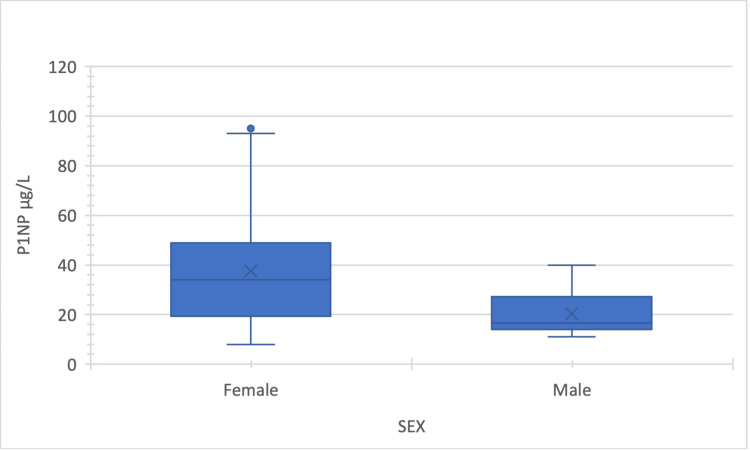 Figure 1
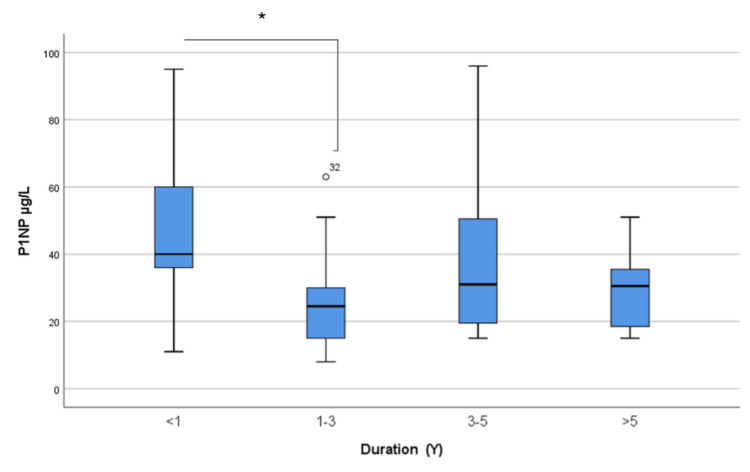 Figure 2
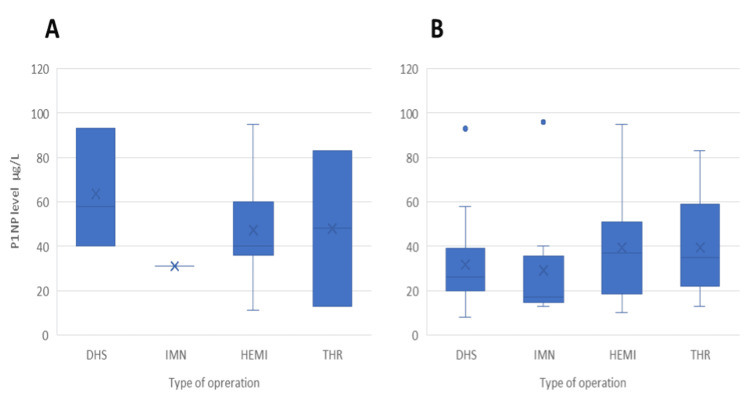 Figure 3
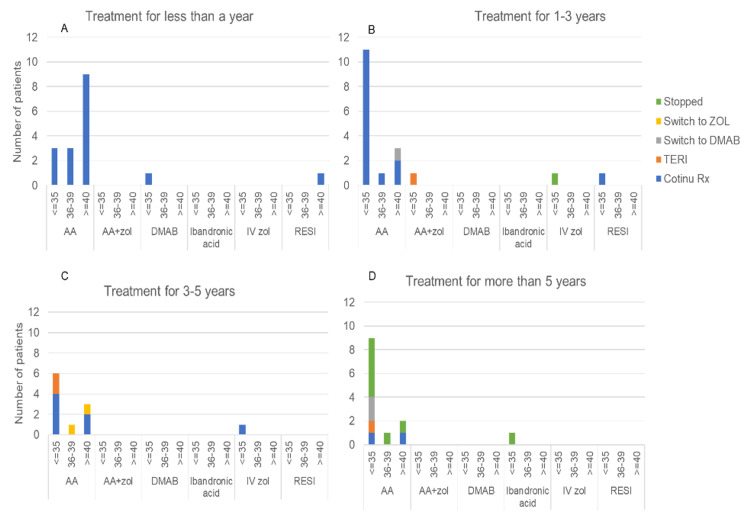 Figure 4
Peer Reviews
No public reviews on file for this paper yet. If you reviewed it on a platform where reviews are public (OpenReview, ICLR, NeurIPS, ICML), you can paste yours below so the community can read it here.
Videos
No videos yet. Explain this paper in a talk, walkthrough, or lecture? Add one.
Taxonomy
TopicsBone health and osteoporosis research · Hip and Femur Fractures · Bone health and treatments