Sex differences in human umbilical vein endothelial cells following ox-LDL injury
Camilla Cittadini, Elisabetta Straface, Ilaria Campesi, Lucrezia Gambardella, Giampiero Capobianco, Letizia Barbieri, Laura Doro, Flavia Franconi, Giulio Testone, Rosa Vona

TL;DR
This study found that male and female fetal cells respond differently to cholesterol-related damage, with female cells showing better resilience and repair.
Contribution
The study reveals sex-specific differences in endothelial cell responses to ox-LDL-induced stress in fetal life.
Findings
Male HUVECs showed increased apoptosis and mitochondrial damage compared to female HUVECs.
Female HUVECs exhibited enhanced autophagy and repair mechanisms, protecting against cell death.
Sex differences in oxidative stress and inflammation suggest early-life origins of cardiovascular risk.
Abstract
Numerous sex differences has been described in aterosclerosis including in endothelial dysfunction. Oxidized low-density lipoproteins (ox-LDL) contribute to the formation of atherosclerotic plaque by binding to a membrane glycoprotein expressed by endothelial cells. Ox-LDL also play a key role in mediating endothelial dysfunction during pregnancy. Elevated maternal ox-LDL levels can lead to oxidative stress, inflammation and apoptosis in placental and fetal endothelial cells. The aim of this study was to investigate sex-related differences in the response to ox-LDL-induced damage in human umbilical vein endothelial cells (HUVECs) isolated from male and female newborns. In our study, the effects of 100 µg/ml ox-LDL on HUVECs, obtained from umbilical cords of healthy newborns of both sexes, were analyzed. By flow cytometry, fluorescence microscopy, and Western blotting techniques,…
Genes, proteins, chemicals, diseases, species, mutations and cell lines named across the full text — each resolved to its canonical identifier and authoritative record.
Click any figure to enlarge with its caption.
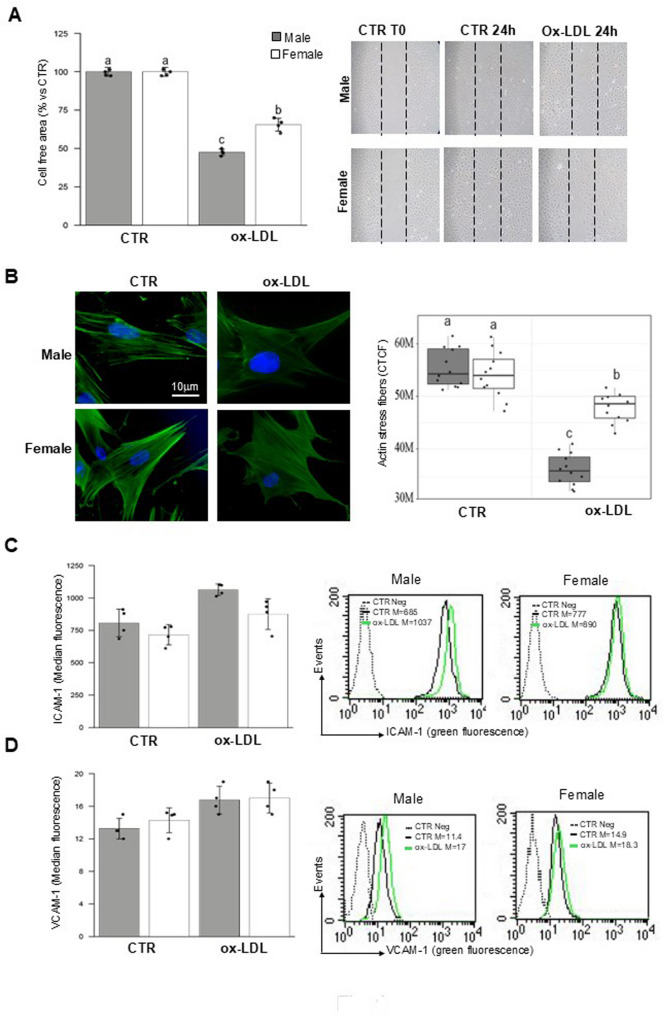 Figure 1
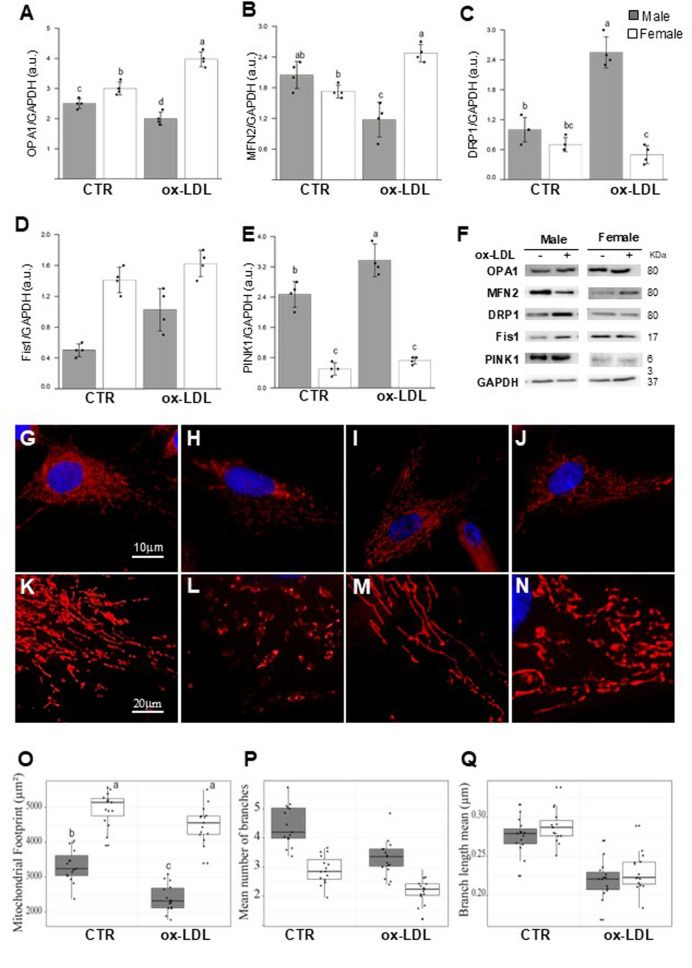 Figure 2
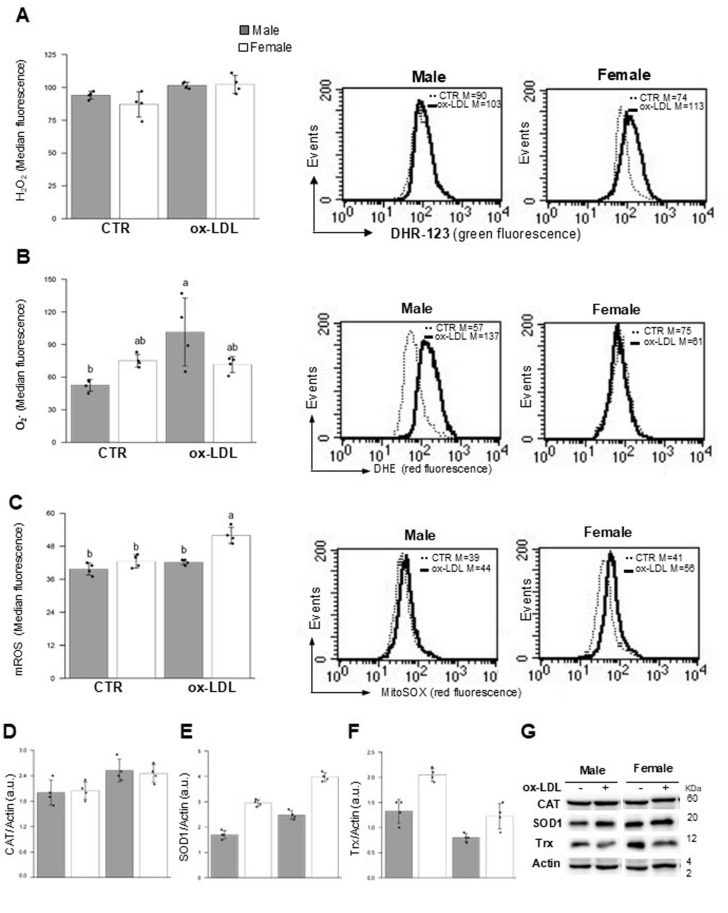 Figure 3
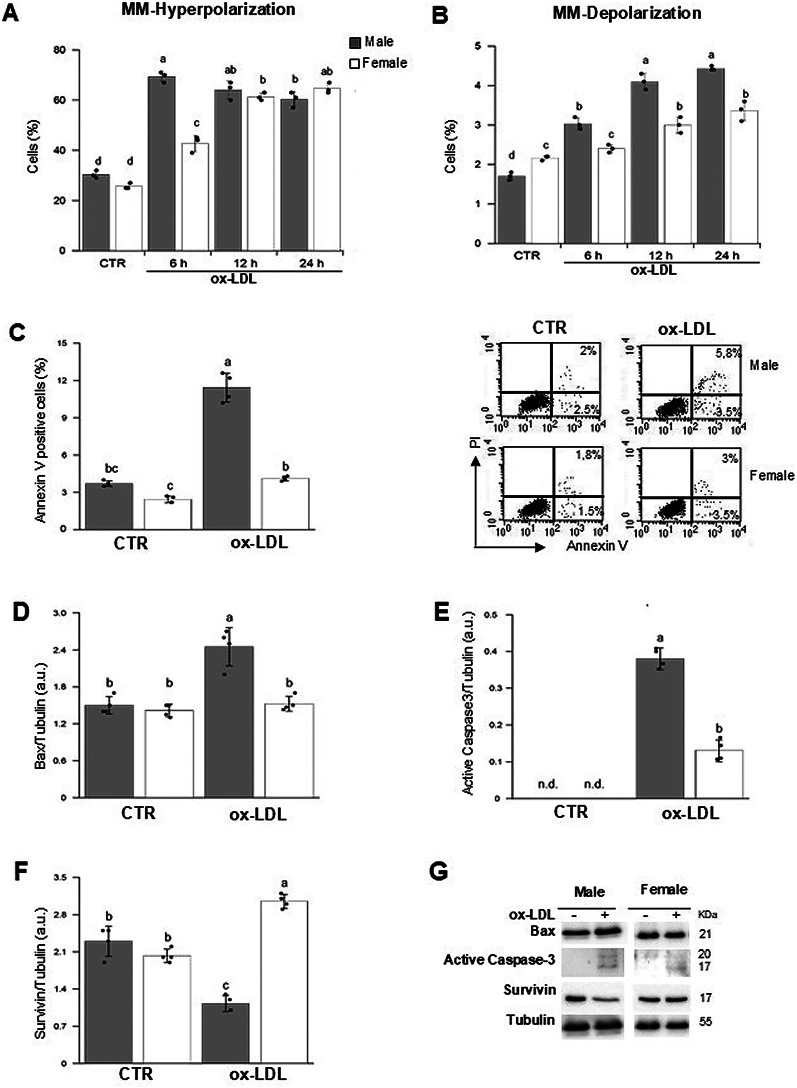 Figure 4
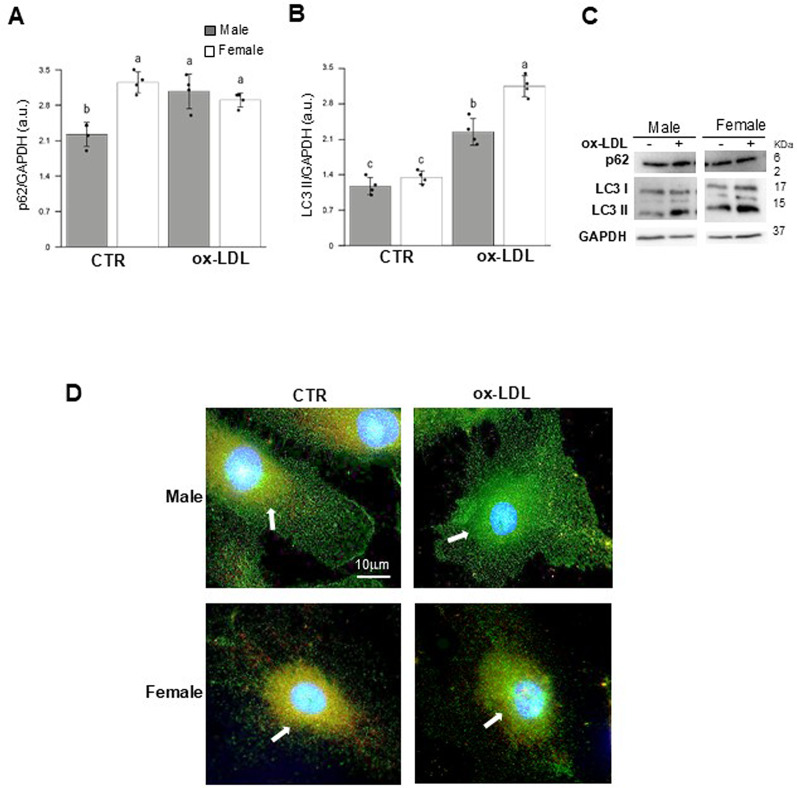 Figure 5
Peer Reviews
No public reviews on file for this paper yet. If you reviewed it on a platform where reviews are public (OpenReview, ICLR, NeurIPS, ICML), you can paste yours below so the community can read it here.
Videos
No videos yet. Explain this paper in a talk, walkthrough, or lecture? Add one.
Taxonomy
TopicsAntioxidant Activity and Oxidative Stress · Diabetes, Cardiovascular Risks, and Lipoproteins · Blood Coagulation and Thrombosis Mechanisms