Therapeutic reprogramming of tumour-associated macrophages in pancreatic cancer using a cytotoxic CCR2-targeted nanotheranostic
Vikas Kumar Somani, Xiaohui Zhang, Timothy Hung-Po Chen, Ashenafi Bulle, Sapana Bansod, Lin Li, Yutong Geng, Liang-I Kang, Gyu Seong Heo, Hannah Luehmann, Yuena Zhang, Muhammad A. Saeed, Kory J. Lavine, David G. DeNardo, Russell K. Pachynski, Yongjian Liu, Kian-Huat Lim

TL;DR
A new nanotherapy targets and reprograms harmful immune cells in pancreatic cancer, boosting anti-tumor immunity and improving treatment outcomes.
Contribution
A CCR2-targeted nanotheranostic reprograms TAMs and eliminates immunosuppressive cells in PDAC, enabling durable anti-tumor immunity.
Findings
C-E-G selectively eliminates CCR2⁺ TAMs and reprograms residual macrophages into CCRL2⁺ TAMs.
CCRL2⁺ TAMs enhance CD8⁺ T-cell recruitment and antigen presentation, supporting tumor control.
C-E-G synergizes with ICB to induce complete tumor regression in mouse models of PDAC.
Abstract
Pancreatic ductal adenocarcinoma (PDAC) exhibits a profoundly immunosuppressive tumour microenvironment (TME) dominated by inflammatory monocytes (IMs) and tumour-associated macrophages (TAMs), which restrict adaptive immunity and drive resistance to immune checkpoint blockade (ICB). Recruitment of CCR2⁺ IMs by tumour-derived CCL2 is a central mechanism underlying TAM accumulation. Conventional gemcitabine (GEM) and small-molecule CCR2 inhibitors provide limited benefit due to poor intratumoural delivery, transient target engagement, and compensatory myeloid recruitment. We engineered a CCR2-targeted nanotheranostic by conjugating a CCR2-binding peptide (ECL1i) and GEM onto ultrasmall copper nanoclusters (CuNCs-ECL1i-GEM; C-E-G). Therapeutic efficacy and immune remodelling were evaluated using orthotopic subcutaneous and the autochthonous PDAC mouse models model, using scRNAseq, flow…
Genes, proteins, chemicals, diseases, species, mutations and cell lines named across the full text — each resolved to its canonical identifier and authoritative record.
Click any figure to enlarge with its caption.
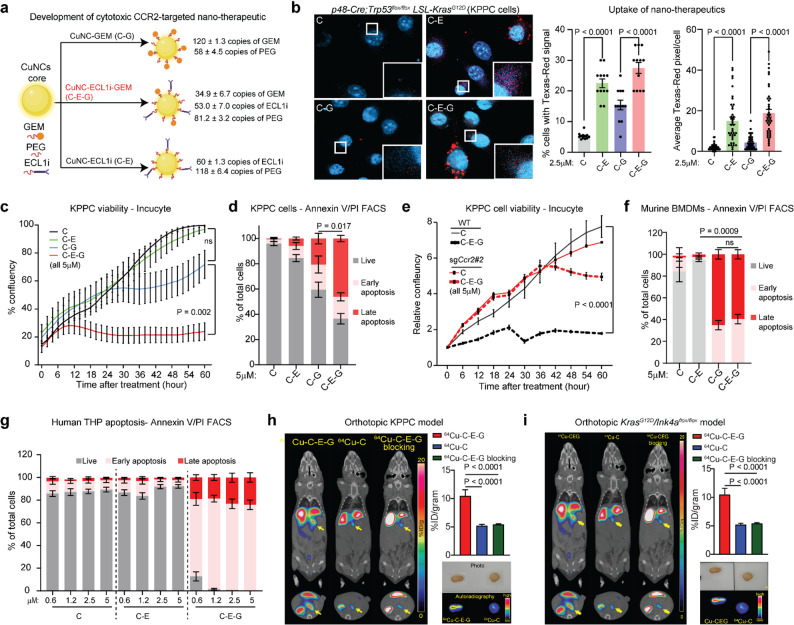 Figure 1
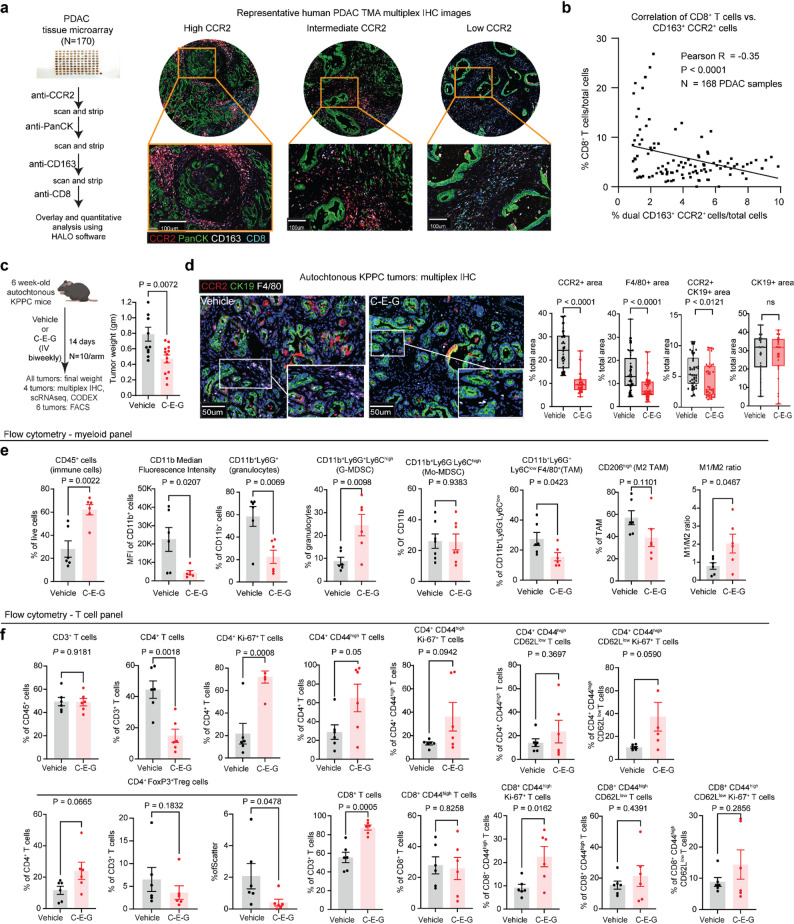 Figure 2
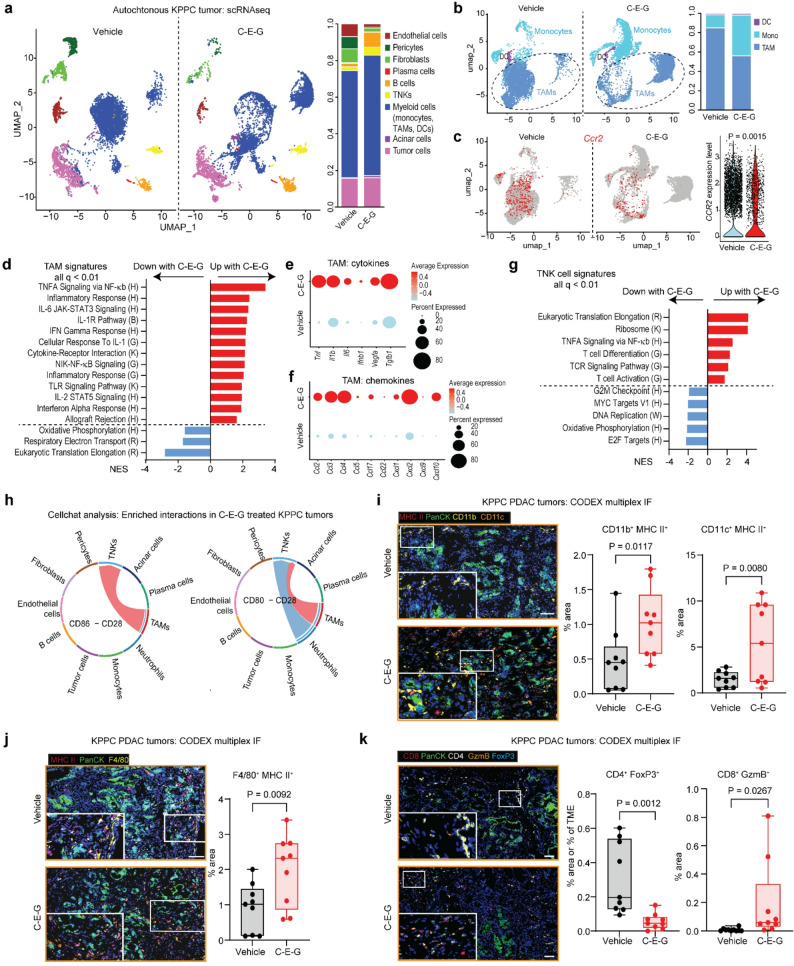 Figure 3
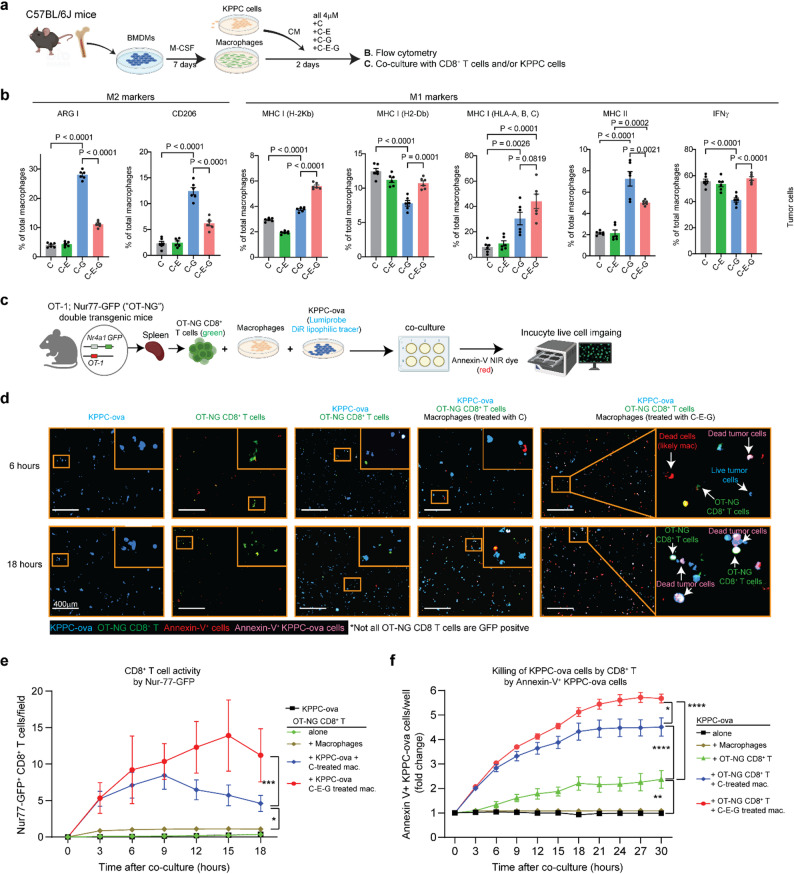 Figure 4
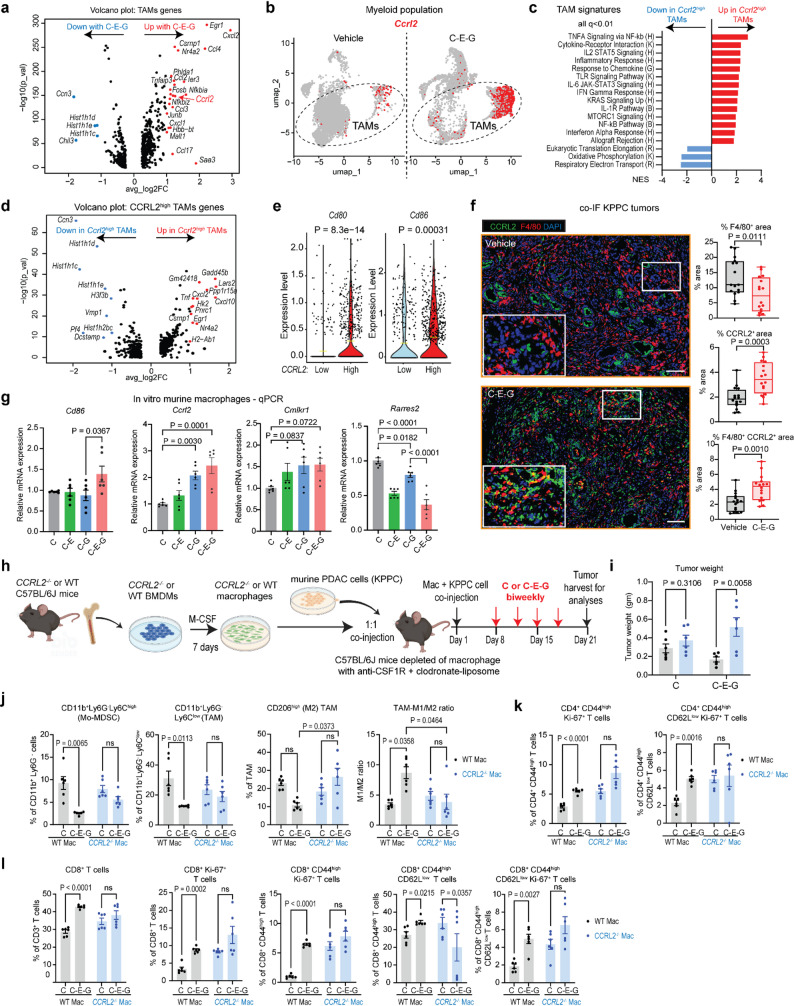 Figure 5
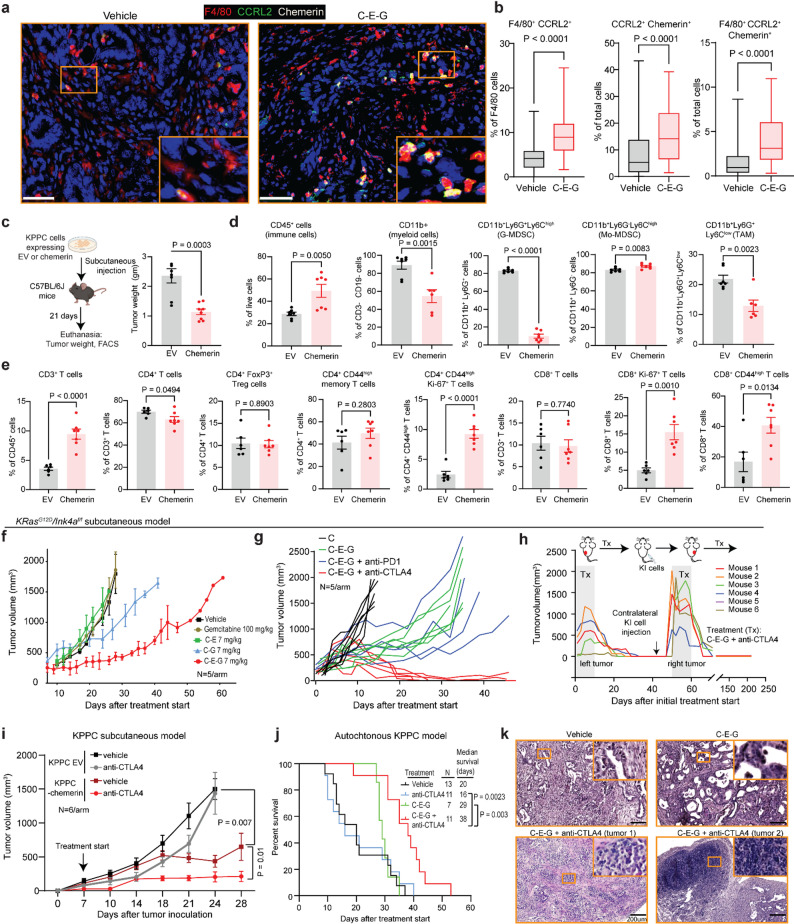 Figure 6
Peer Reviews
No public reviews on file for this paper yet. If you reviewed it on a platform where reviews are public (OpenReview, ICLR, NeurIPS, ICML), you can paste yours below so the community can read it here.
Videos
No videos yet. Explain this paper in a talk, walkthrough, or lecture? Add one.
Taxonomy
TopicsImmune cells in cancer · Cancer Cells and Metastasis · Cancer Research and Treatments