Pyrethroids and organophosphate resistance in Aedes aegypti (Diptera: Culicidae) and their underlying mechanisms
Wan Fatma Zuharah, Shao-Hung Dennis Lee, Fatin Nabila Abdullah, Asfa Nurizzah Zin Azman, Ikhsan Guswenrivo, Beni Ernawan, Titik Kartika, Theerakamol Pengsakul, Tianyun Su, Chow-Yang Lee

TL;DR
This study examines how Aedes aegypti mosquitoes in several countries resist insecticides and identifies new genetic and biochemical mechanisms behind this resistance.
Contribution
The study reports the first detection of the T1520I mutation in Malaysia and reveals diverse resistance mechanisms across different populations.
Findings
Malaysian and US Ae. aegypti strains showed high resistance to pyrethroids with low mortality rates.
Novel kdr mutations like T1520I and I1011M were identified in Malaysian populations.
US Riverside mosquitoes showed strong metabolic resistance, while Malaysian Hamna mosquitoes relied on kdr mutations.
Abstract
For decades, insecticides have been central to controlling the yellow fever mosquito, Aedes aegypti (L.), but extensive use has driven resistance development. This study investigates resistance of Ae. aegypti to pyrethroids (permethrin, deltamethrin) and organophosphates (malathion, pirimiphos-methyl) and their underlying mechanisms across Malaysia, Thailand, Indonesia, and the USA. Adult female Ae. aegypti (3–5 days old, non-blood-fed) were subjected to World Health Organization (WHO) tube bioassays using 0.4% permethrin, 0.03% deltamethrin, 5% malathion, and 60 mg/m2 pirimiphos-methyl. Each assay included four replicates of 25 mosquitoes, with mortality assessed at 24 h post-exposure. Genomic DNA was extracted from 10 resistant individuals per population, and two coding regions of the voltage-gated sodium channel (VGSC) gene (domains II and III) were amplified and sequenced to detect…
Genes, proteins, chemicals, diseases, species, mutations and cell lines named across the full text — each resolved to its canonical identifier and authoritative record.
Click any figure to enlarge with its caption.
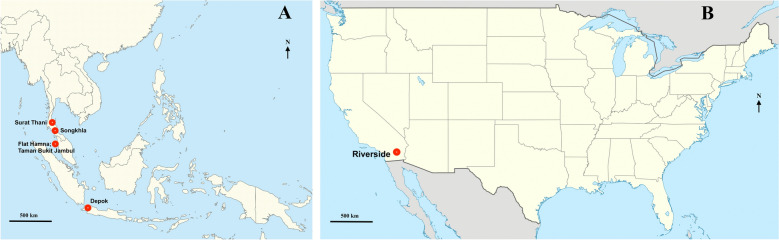 Figure 1
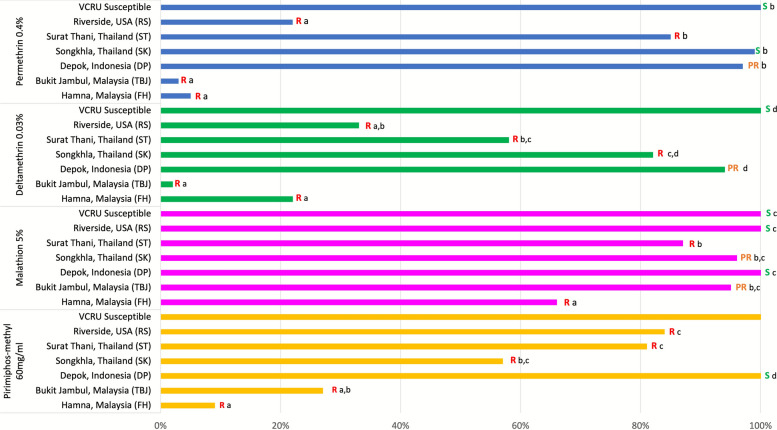 Figure 2
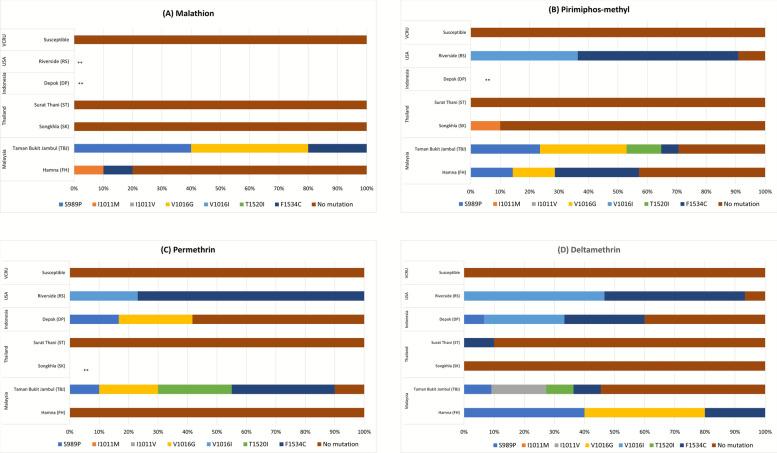 Figure 3
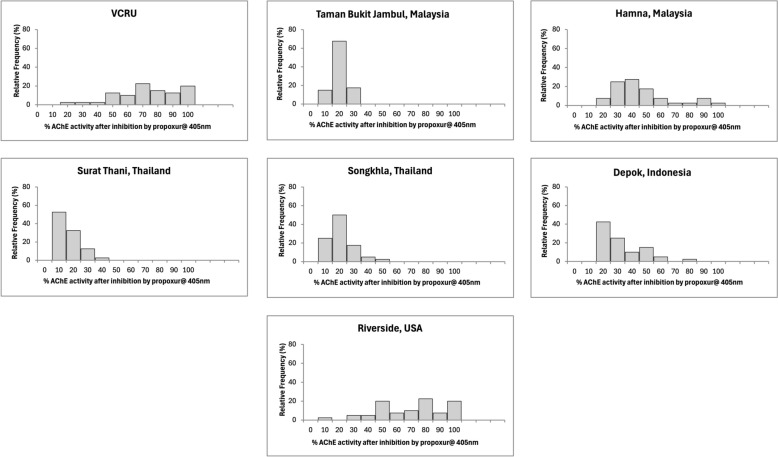 Figure 4
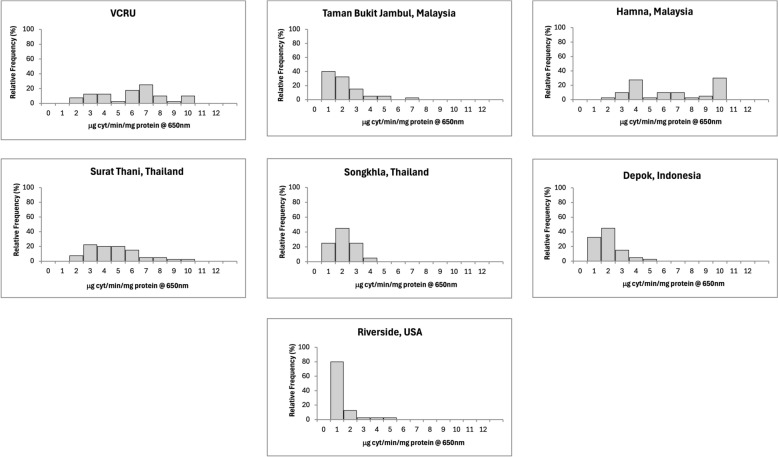 Figure 5
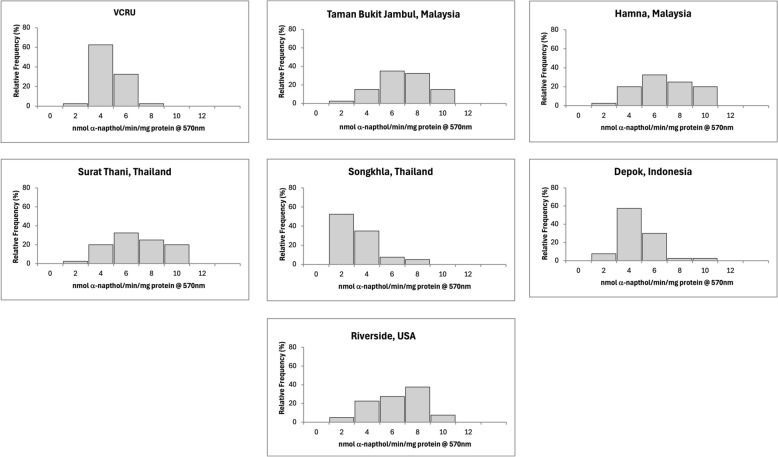 Figure 6
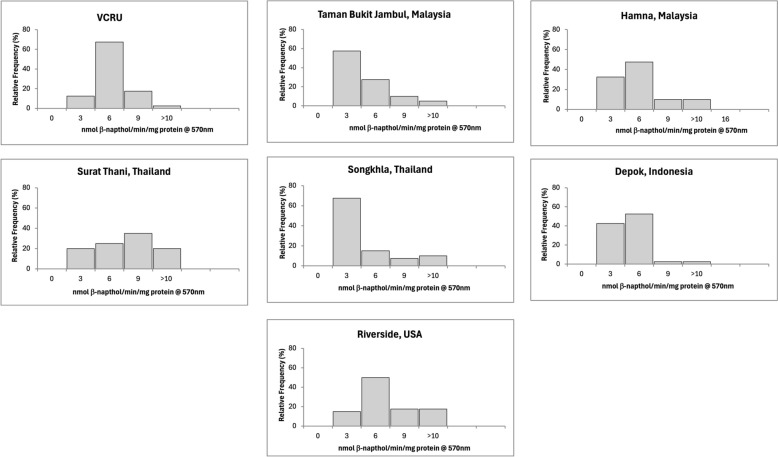 Figure 7
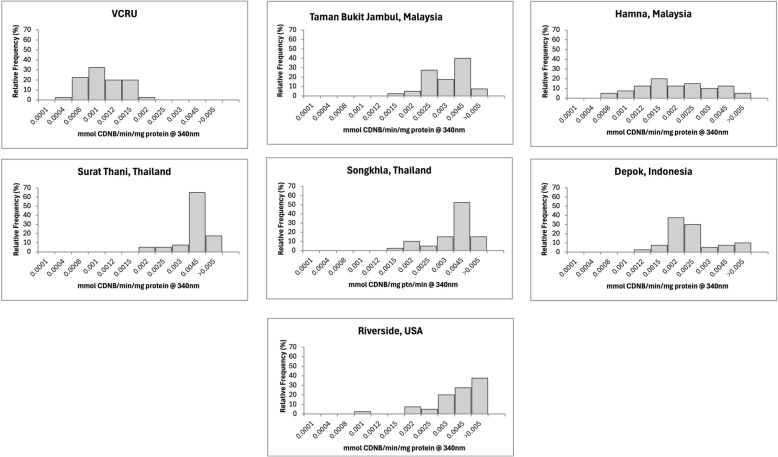 Figure 8
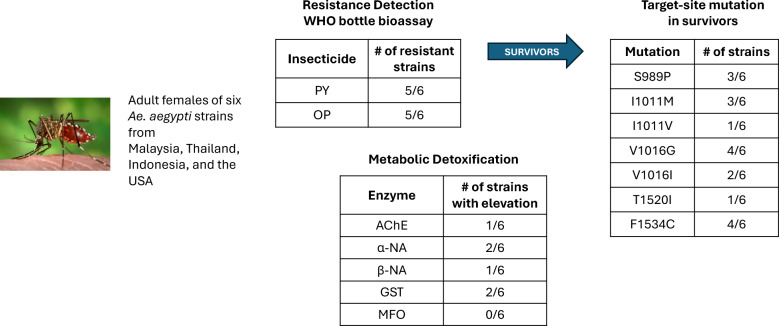 Figure 9
Peer Reviews
No public reviews on file for this paper yet. If you reviewed it on a platform where reviews are public (OpenReview, ICLR, NeurIPS, ICML), you can paste yours below so the community can read it here.
Videos
No videos yet. Explain this paper in a talk, walkthrough, or lecture? Add one.
Taxonomy
TopicsMalaria Research and Control · Mosquito-borne diseases and control · Studies on Chitinases and Chitosanases