Conjoining cell reprogramming and mass spectrometry to identify the proteomic variations in the reprogrammed bladder cancer cells: finding cues of normalisation
Banu Iskender, Mehmet Sarihan, Bengi Su Rumeysa Barlak, Gurler Akpinar, Murat Kasap

TL;DR
This study uses cell reprogramming and mass spectrometry to identify proteomic changes in bladder cancer cells, uncovering potential biomarkers and clues about cancer normalization.
Contribution
The study proposes 25 potential biomarker candidates, 12 of which are newly identified at the protein level, through proteomic analysis of reprogrammed bladder cancer cells.
Findings
Reprogrammed bladder cancer cells show altered behaviors and express pluripotency markers.
297 dysregulated proteins in bladder cancer cells were normalised upon reprogramming.
25 potential biomarker candidates were identified, with 12 being novel at the protein level.
Abstract
Cancer cell reprogramming is a critical area of research that holds the power to transform malignancies into benign states while revealing key mechanisms of carcinogenesis. This study aimed to develop a more effective in vitro bladder cancer model using induced pluripotent stem cell technology and identify potential diagnostic and therapeutic biomarkers for bladder cancer. Sendai virus-based reprogramming was utilised to reprogram the bladder cancer cell line HTB-5. The reprogrammed cells were characterised by expressing pluripotency-associated markers, colony formation abilities, cell migration, and drug responses. LC-MS/MS reveals changes in protein composition among parental cancer cells, reprogrammed cancer cells, and normal uroepithelial cells. Reprogrammed bladder cancer cells display the expression of pluripotency-associated markers and demonstrate altered behaviours, including…
Genes, proteins, chemicals, diseases, species, mutations and cell lines named across the full text — each resolved to its canonical identifier and authoritative record.
Click any figure to enlarge with its caption.
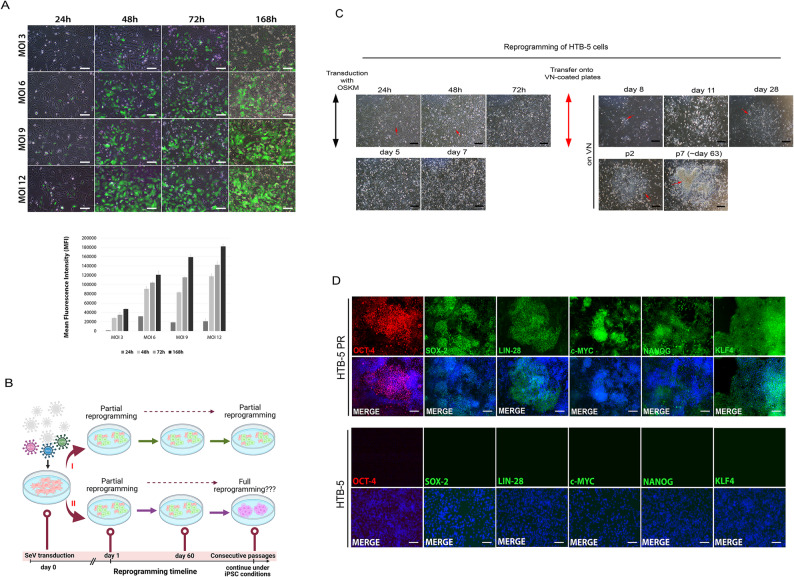 Figure 1
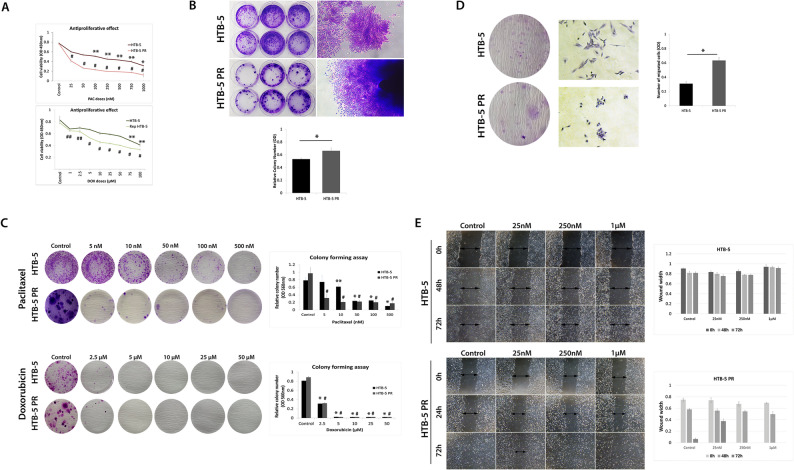 Figure 2
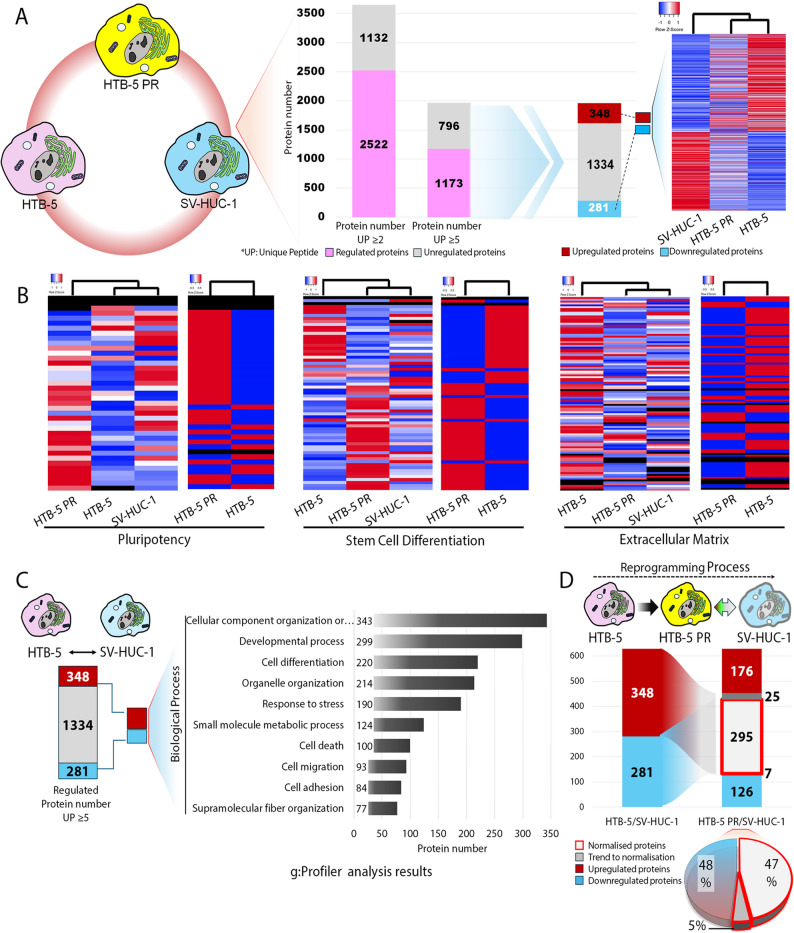 Figure 3
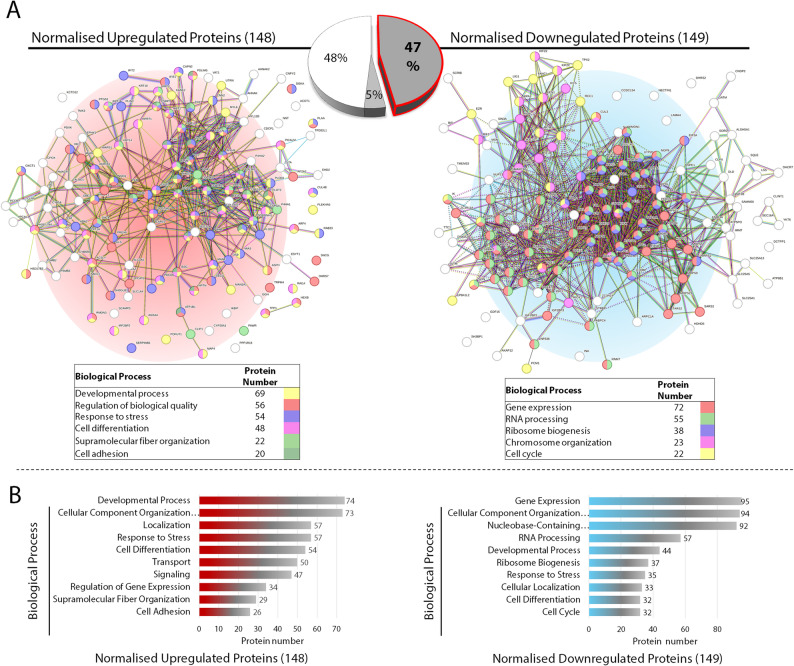 Figure 4
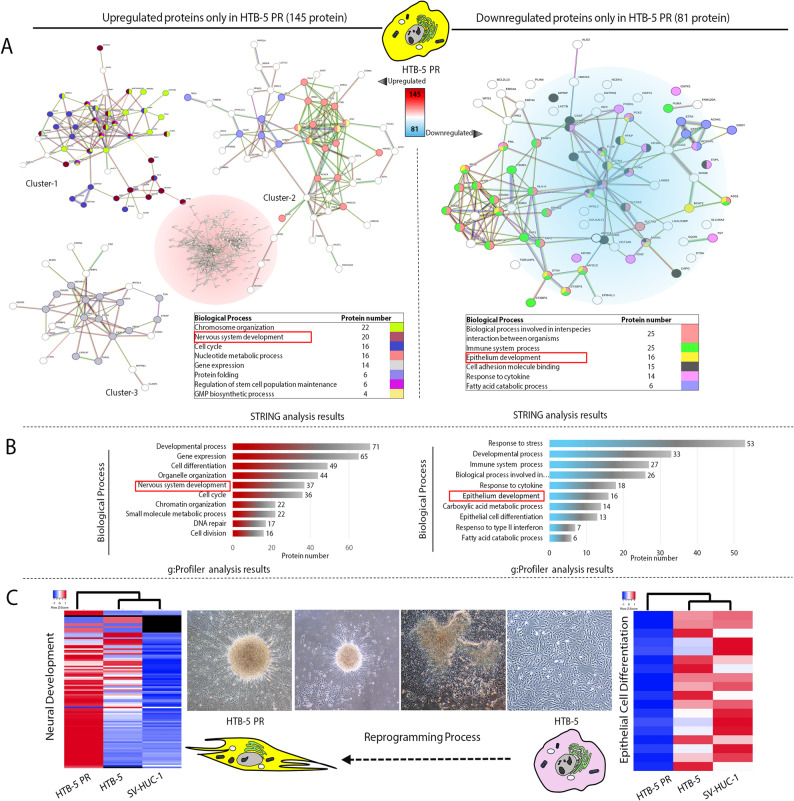 Figure 5
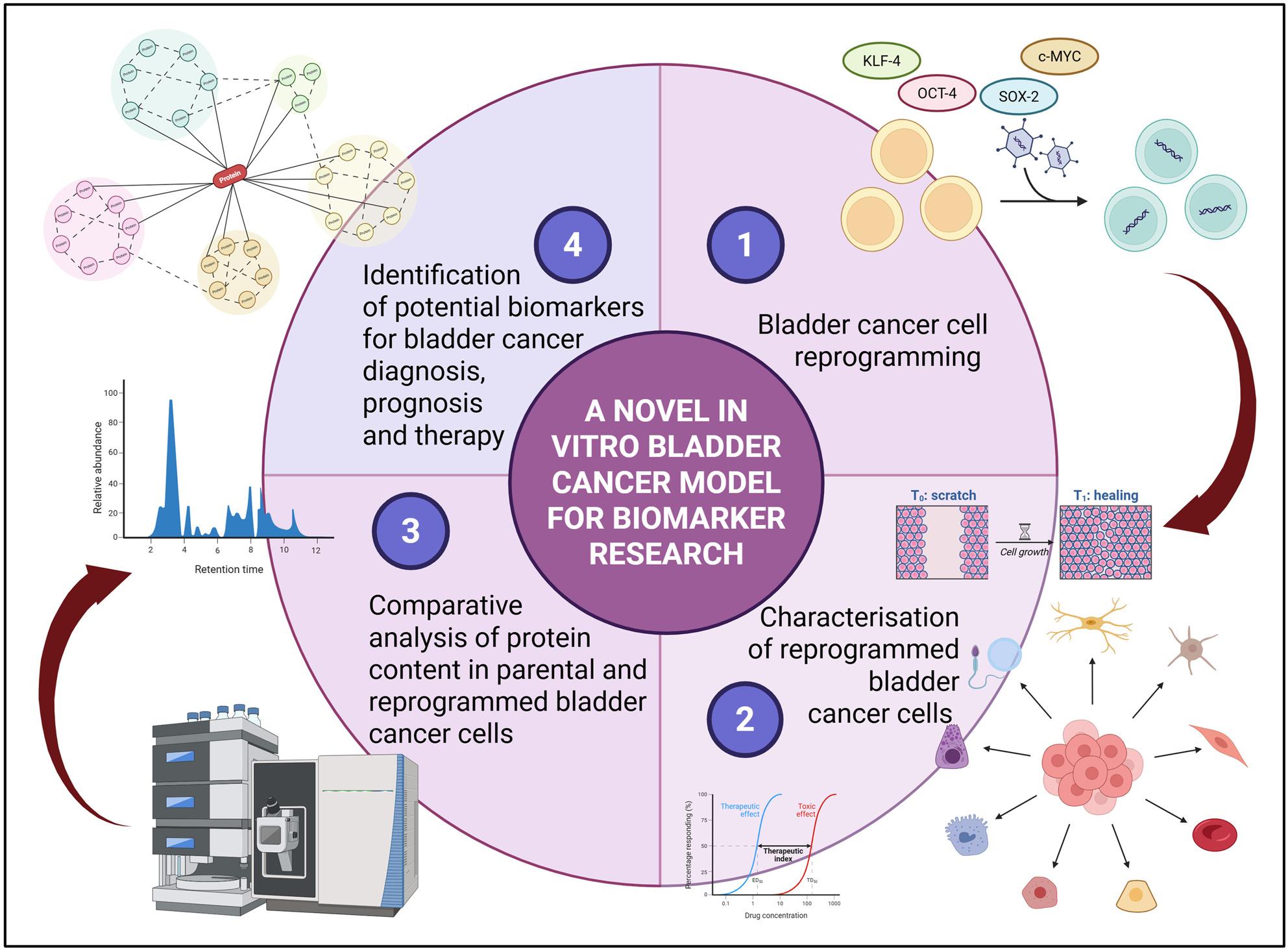 Figure 6
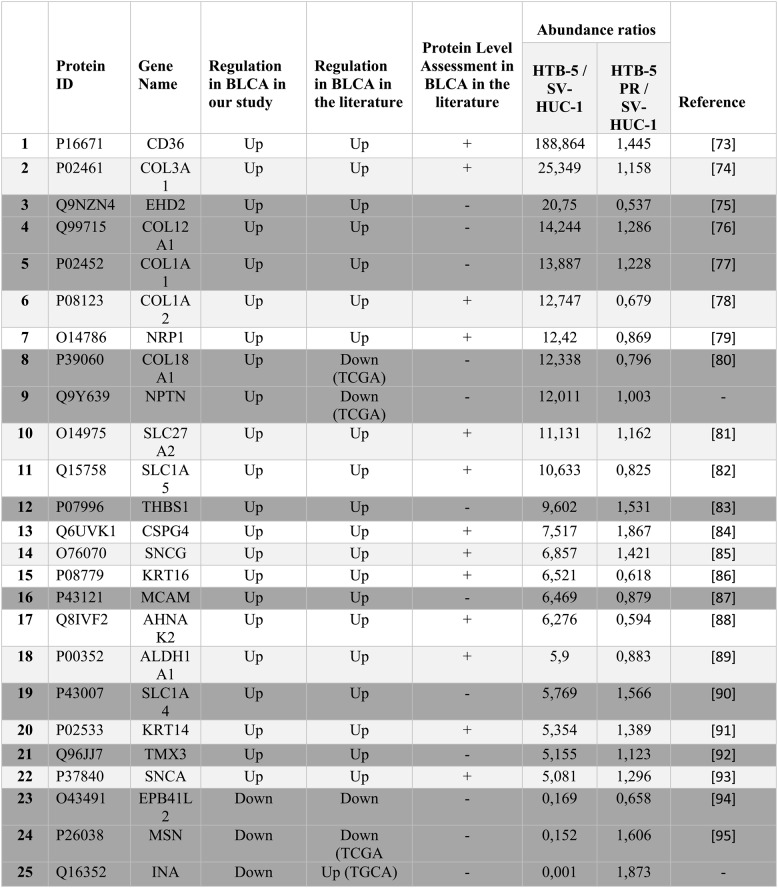 Figure 7
Peer Reviews
No public reviews on file for this paper yet. If you reviewed it on a platform where reviews are public (OpenReview, ICLR, NeurIPS, ICML), you can paste yours below so the community can read it here.
Videos
No videos yet. Explain this paper in a talk, walkthrough, or lecture? Add one.
Taxonomy
TopicsPluripotent Stem Cells Research · Cancer Research and Treatments · Reproductive Biology and Fertility