A tiled amplicon protocol for culture-free whole-genome sequencing of M. tuberculosis from clinical specimens
Chaney C. Kalinich, Freddy L. Gonzalez, Alice Osmaston, Mallery I. Breban, Isabel Distefano, Candy Leon, Jorge Coronel, Grace Tan, Valeriu Crudu, Nelly Ciobanu, Alexandru Codreanu, Walter Solano, Jimena Ráez, Patricia Sheen, Mirko Zimic, Orchid M. Allicock, Chrispin Chaguza

TL;DR
A new sequencing method for tuberculosis allows fast genome analysis from patient samples without needing to grow the bacteria.
Contribution
The development of the largest tiled amplicon panel for M. tuberculosis, enabling culture-free whole-genome sequencing.
Findings
The TB-seq panel recovers near-full M. tuberculosis genomes from sputum samples without culture.
The method identifies drug resistance markers with high accuracy in mixed and low-concentration samples.
This approach reduces genome sequencing turnaround time from weeks to days.
Abstract
Whole-genome sequencing of Mycobacterium tuberculosis can be a valuable tool for TB surveillance and treatment, providing insights into transmission patterns and comprehensive drug susceptibility testing. However, the slow growth of M. tuberculosis means traditional culture-based sequencing methods can take weeks to return results, which has limited the widespread adoption of these techniques and limited their use in clinical decision-making. Tiled amplicon sequencing is a fast, reliable, and cost-effective method of whole-genome sequencing that can be done directly on clinical specimens and has been implemented at scale in academic and public health laboratories across the world; it was the cornerstone of SARS-CoV-2 sequencing and has been adapted for a wide range of viral pathogens. However, similar methods are not yet available for far larger bacterial genomes. Extending this…
Genes, proteins, chemicals, diseases, species, mutations and cell lines named across the full text — each resolved to its canonical identifier and authoritative record.
Click any figure to enlarge with its caption.
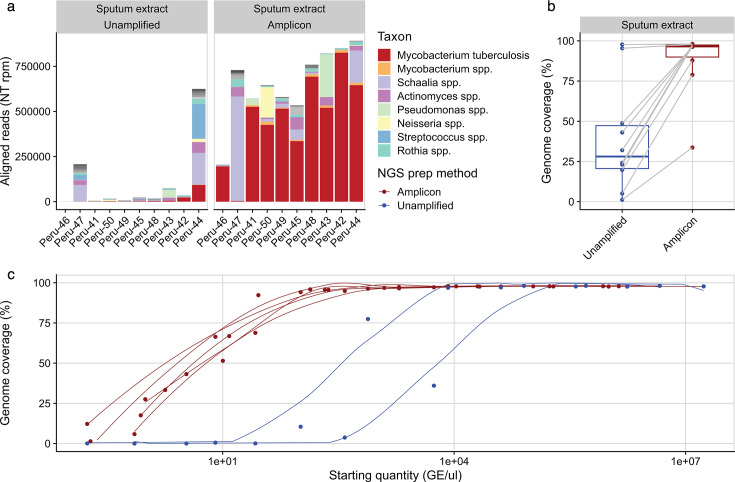 Figure 1
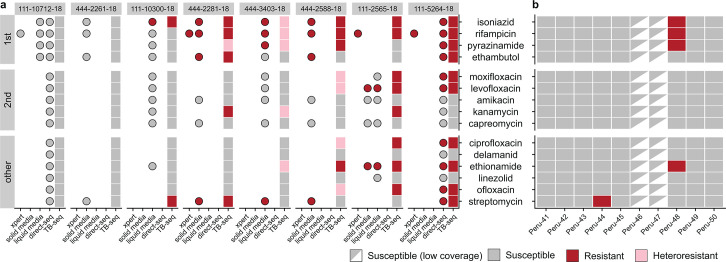 Figure 2
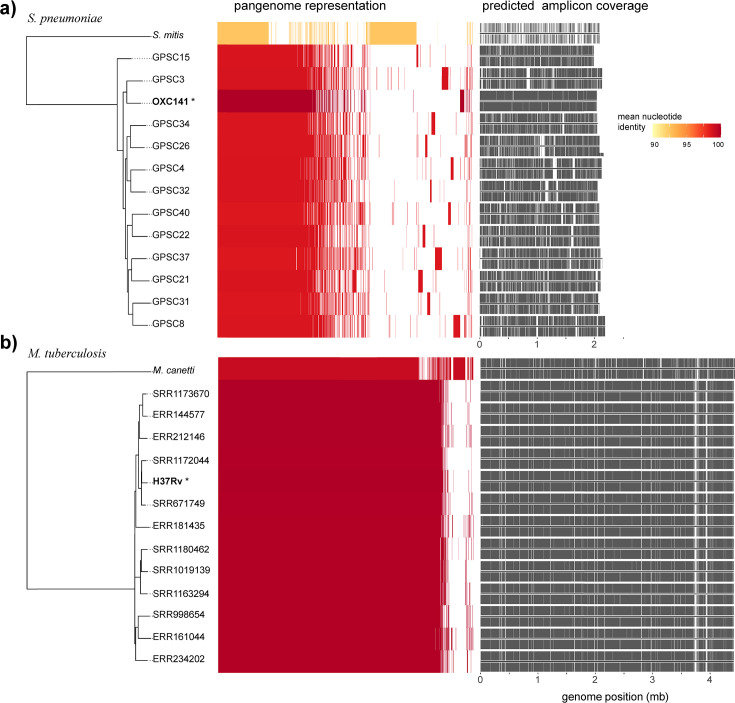 Figure 3
Peer Reviews
No public reviews on file for this paper yet. If you reviewed it on a platform where reviews are public (OpenReview, ICLR, NeurIPS, ICML), you can paste yours below so the community can read it here.
Videos
No videos yet. Explain this paper in a talk, walkthrough, or lecture? Add one.
Taxonomy
TopicsTuberculosis Research and Epidemiology · Mycobacterium research and diagnosis · Diagnosis and treatment of tuberculosis