Increased mutation rates and diversity are dominant features of Geobacter multiheme cytochromes
Ruth Starwalt-Lee, Jeffrey A. Gralnick, Daniel R. Bond

TL;DR
This paper shows that multiheme cytochromes in Geobacter have high mutation rates and diversity, making it hard to identify their functions using standard methods.
Contribution
The study reveals increased mutation rates and high diversity in Geobacter multiheme cytochromes, affecting homology detection and annotation.
Findings
Multiheme cytochromes in Geobacter and Shewanella show significantly higher mutation rates than other proteins.
Each Geobacter genome contains many cytochromes unique to that species, indicating frequent horizontal gene transfer.
High mutation rates and diversity complicate the use of standard homology-based annotation methods for these proteins.
Abstract
Multiheme cytochromes (MHCs) are the central catalysts of extracellular electron transfer and are uniquely abundant in the genomes of model Fe(III)-reducing organisms like Geobacter sulfurreducens. While specific functions for some multiheme cytochromes are known, the complex repertoire present in any genome makes annotation and prediction of electron transfer circuitry challenging. Here, we reveal patterns of conservation and rates of evolutionary change among multiheme cytochromes that help explain these difficulties. Using the Ppc and OmcS cytochromes as examples, we show that sequence-based methods of determining protein homology can be inadequate for distinguishing between cytochromes known to have differing functions. Importantly, using mutation rate analysis, we find that multiheme cytochromes in Geobacter and Shewanella exhibit increased mutation rates, which may lead to…
Genes, proteins, chemicals, diseases, species, mutations and cell lines named across the full text — each resolved to its canonical identifier and authoritative record.
Click any figure to enlarge with its caption.
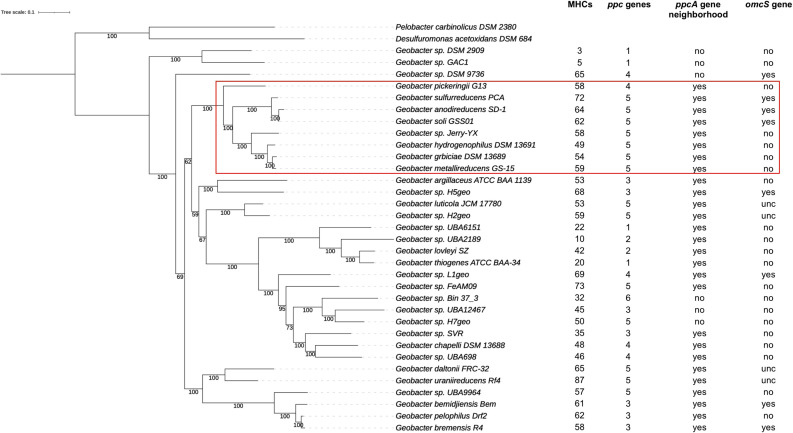 Figure 1
 Figure 2
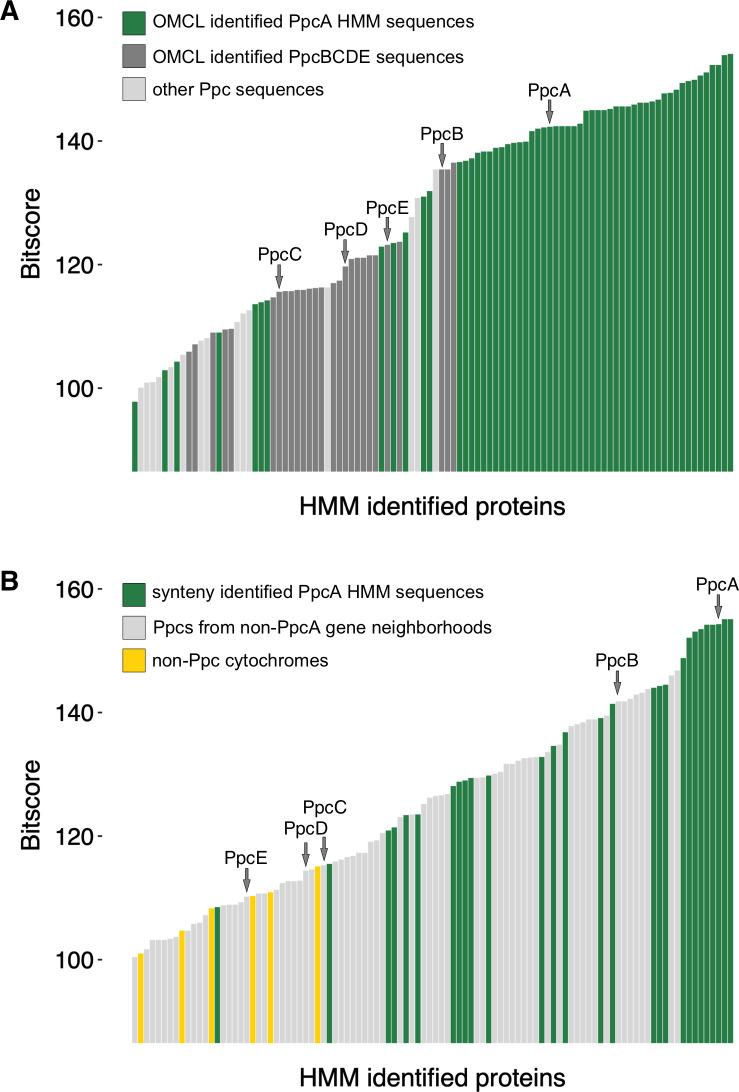 Figure 3
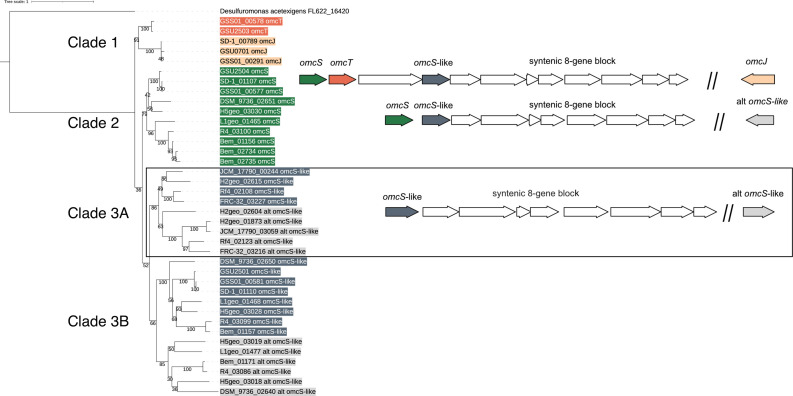 Figure 4
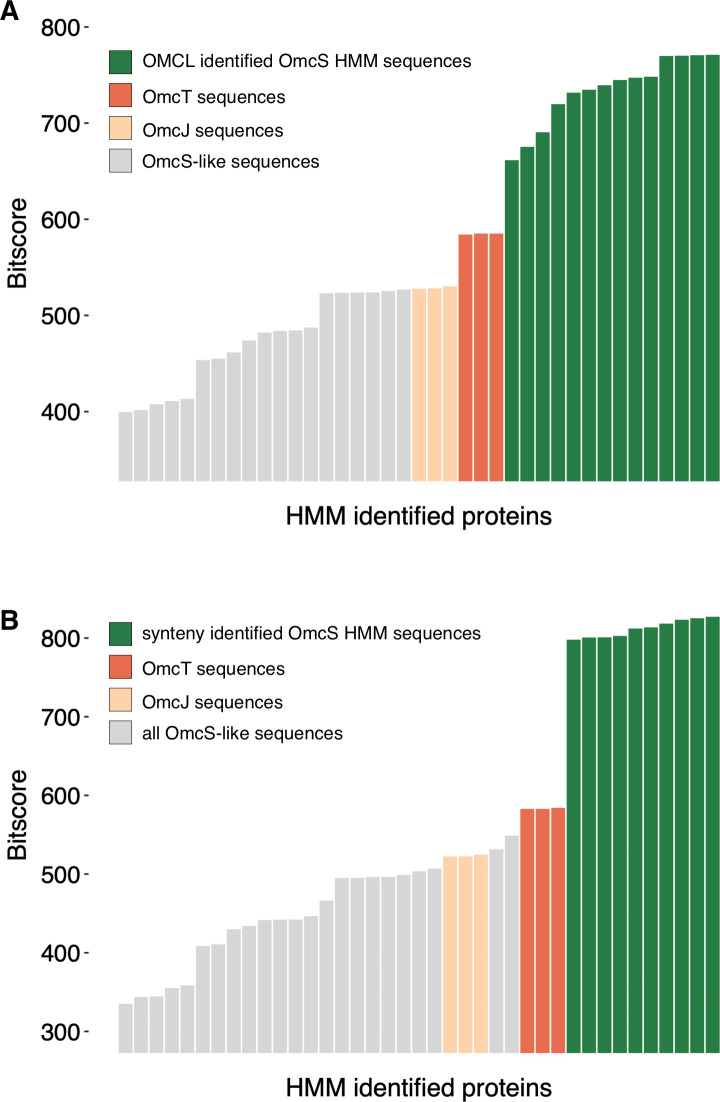 Figure 5
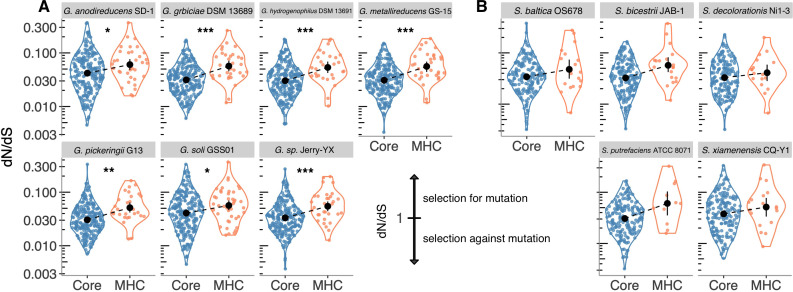 Figure 6
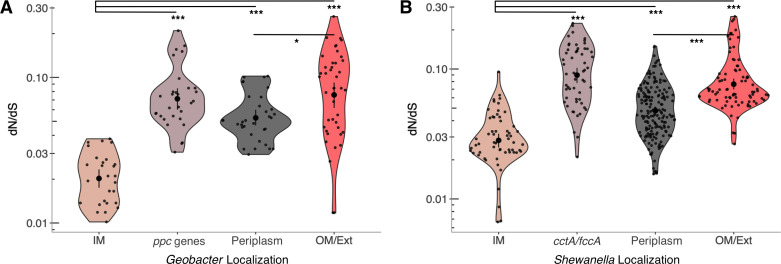 Figure 7
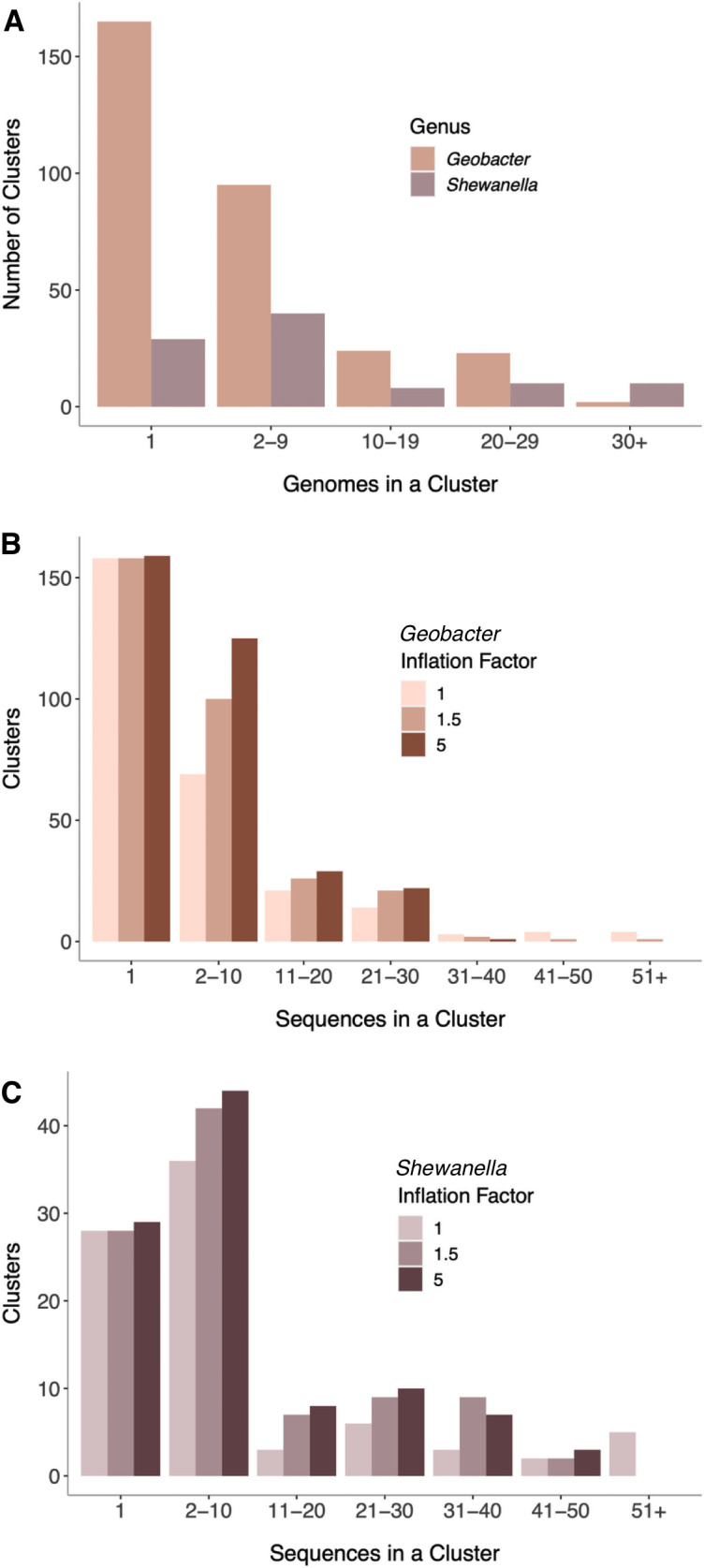 Figure 8
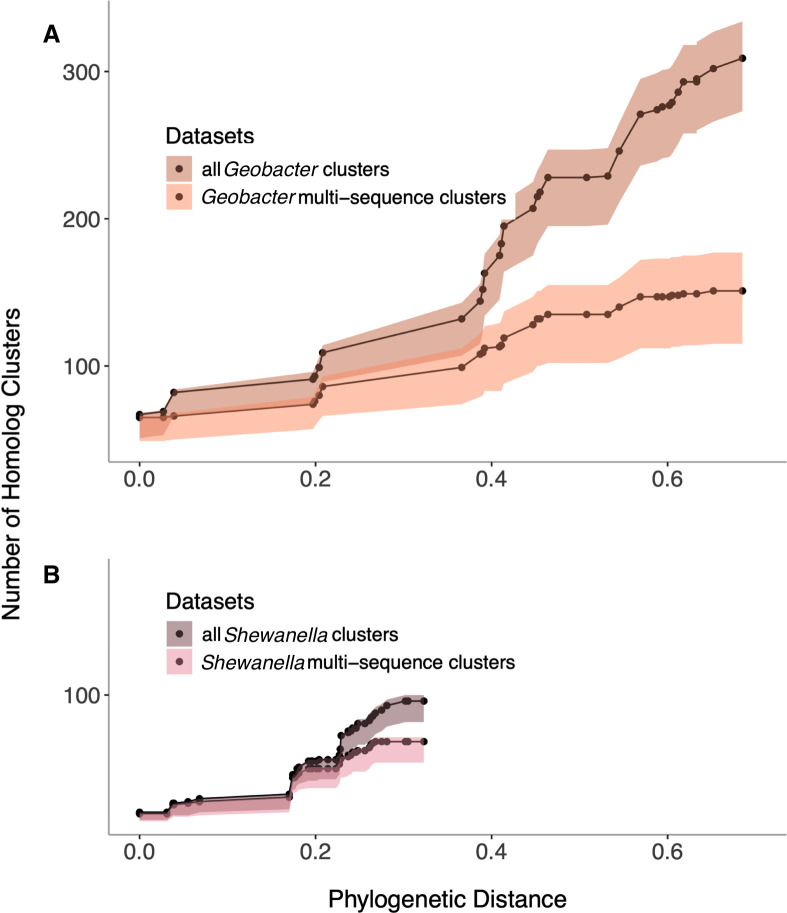 Figure 9
Peer Reviews
No public reviews on file for this paper yet. If you reviewed it on a platform where reviews are public (OpenReview, ICLR, NeurIPS, ICML), you can paste yours below so the community can read it here.
Videos
No videos yet. Explain this paper in a talk, walkthrough, or lecture? Add one.
Taxonomy
TopicsMicrobial Fuel Cells and Bioremediation · Photosynthetic Processes and Mechanisms · Metalloenzymes and iron-sulfur proteins