Divergent roles for complement components C3 and C4 in controlling Klebsiella pneumoniae gut colonization and systemic dissemination
Juan D. Valencia-Bacca, Jamie E. Jennings-Gee, Noah A. Nutter, Alexis E. Adams-Sims, Abigail A. Hegarty, Hope L. Nzuki, Ravinder K. Nagpal, M. Ammar Zafar, Karen M. Haas

TL;DR
The immune system uses complement proteins C3 and C4 to control gut bacteria Klebsiella pneumoniae, with C3 limiting initial growth and C4 becoming essential when antibiotic-resistant strains overgrow.
Contribution
The study reveals distinct and context-dependent roles for C3 and C4 in mucosal immunity against K. pneumoniae.
Findings
C3 is critical for opsonization, myeloid cell recruitment, and preventing systemic spread of K. pneumoniae.
C4 is dispensable under normal conditions but becomes essential during antibiotic-induced dysbiosis and supercolonization.
C3 and C4 form a dual-layered immune strategy to control gut colonization and bloodstream infections.
Abstract
Klebsiella pneumoniae is an escalating public health threat driven by the emergence of antibiotic-resistant and hyper-encapsulated strains that spread systemically from the gut. The immune defenses preventing gut colonization and dissemination remain poorly defined. Here, we identify distinct and context-dependent roles for complement proteins C3 and C4 in host defense following K. pneumoniae infection. Following gut colonization, the levels of C3 and C4 significantly increase, and C3/C4 deposition is found on K. pneumoniae within the gut. In vitro, complement from rabbit, mouse, and human sources induced C3b deposition on K. pneumoniae grown under gut-mimetic conditions, even when C4-dependent pathways were inhibited. In addition to promoting opsonization, C3 was found to be critical for recruiting myeloid cells to the gut and for preventing lethal systemic spread. Depletion of…
Genes, proteins, chemicals, diseases, species, mutations and cell lines named across the full text — each resolved to its canonical identifier and authoritative record.
Click any figure to enlarge with its caption.
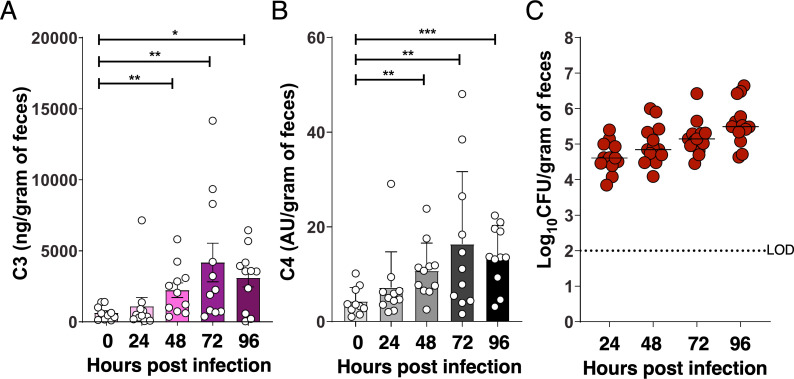 Figure 1
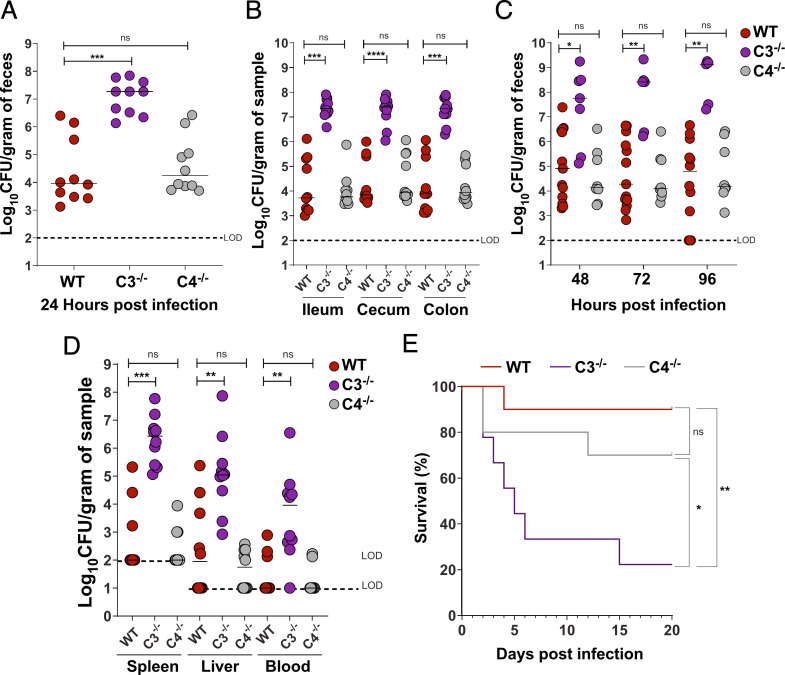 Figure 2
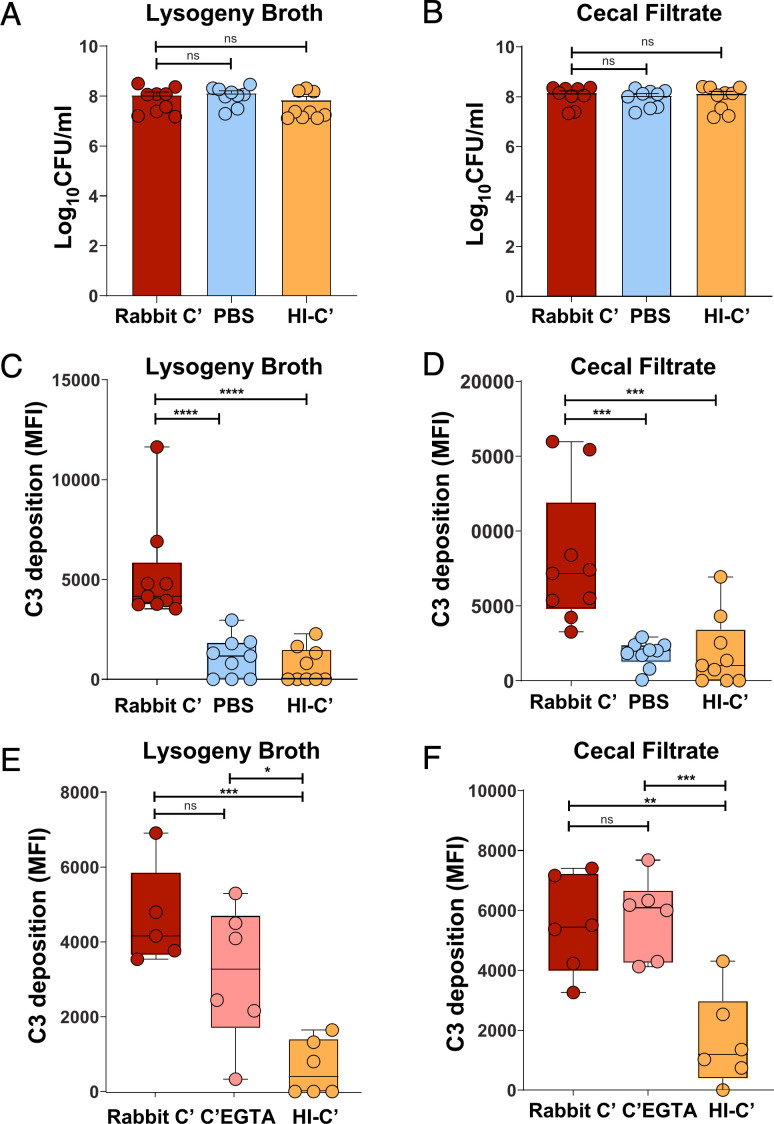 Figure 3
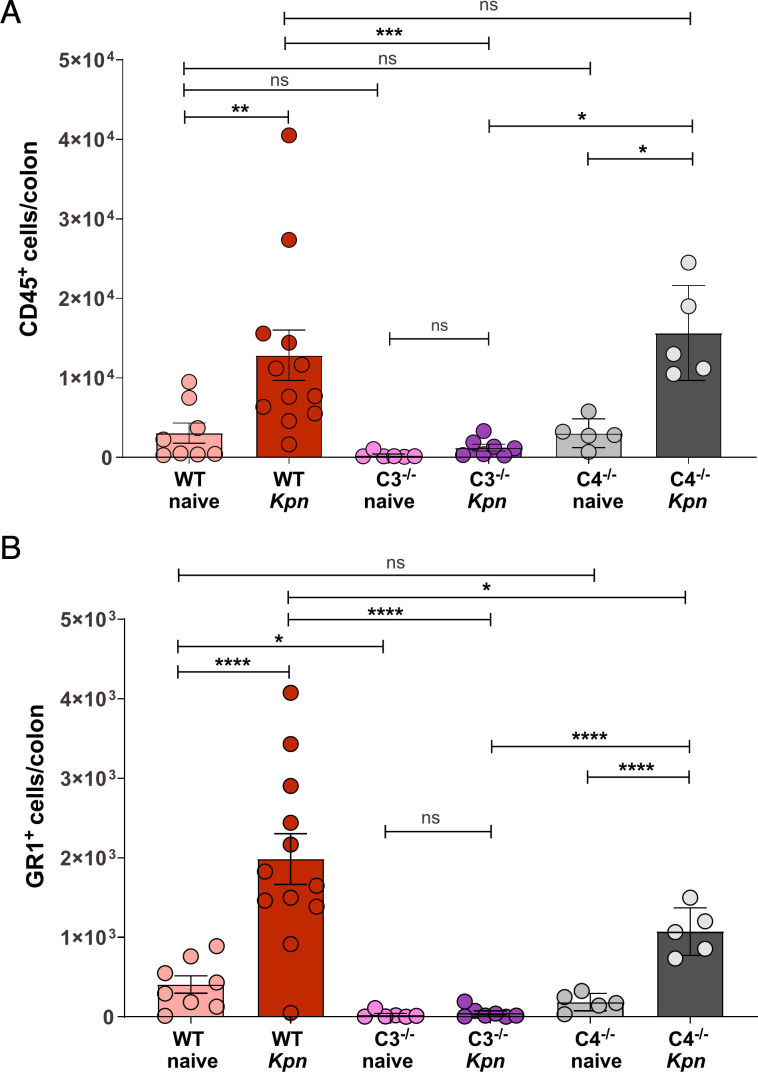 Figure 4
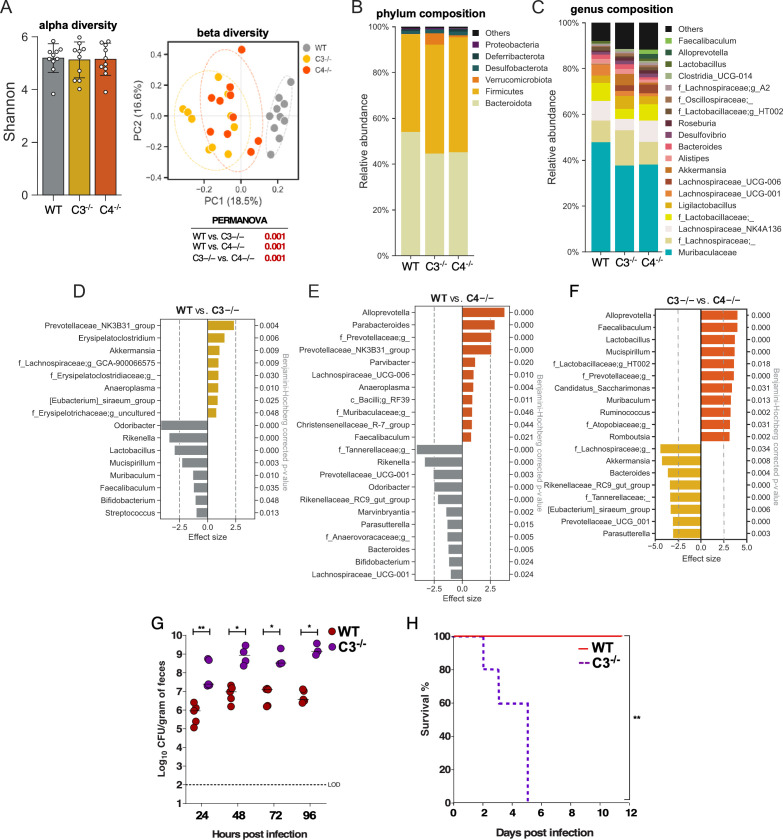 Figure 5
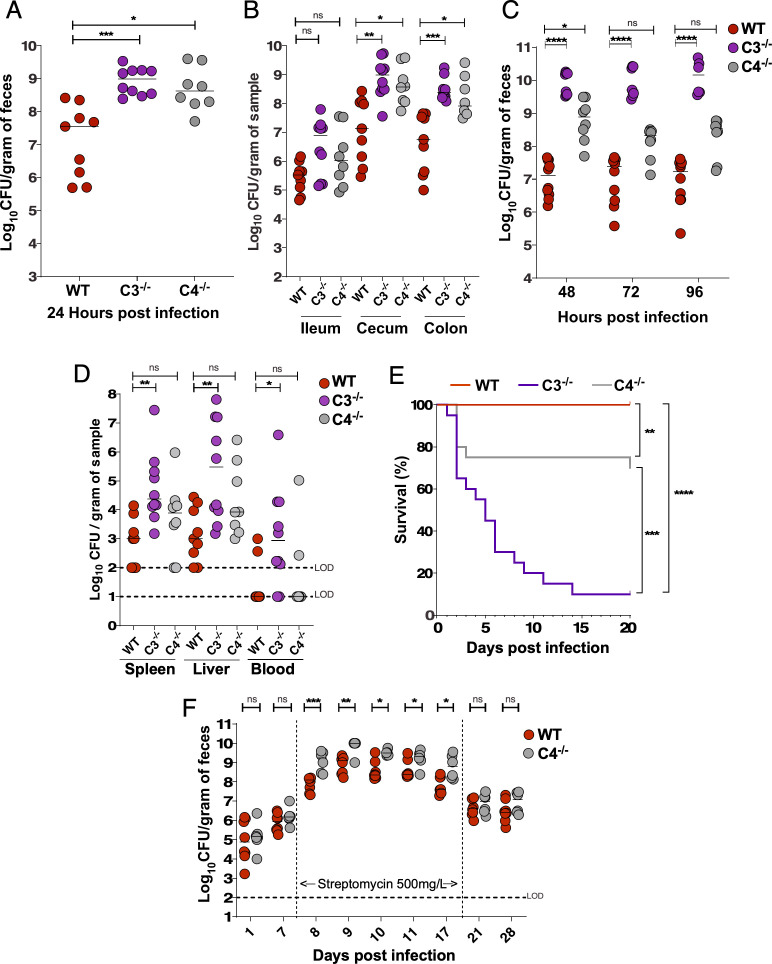 Figure 6
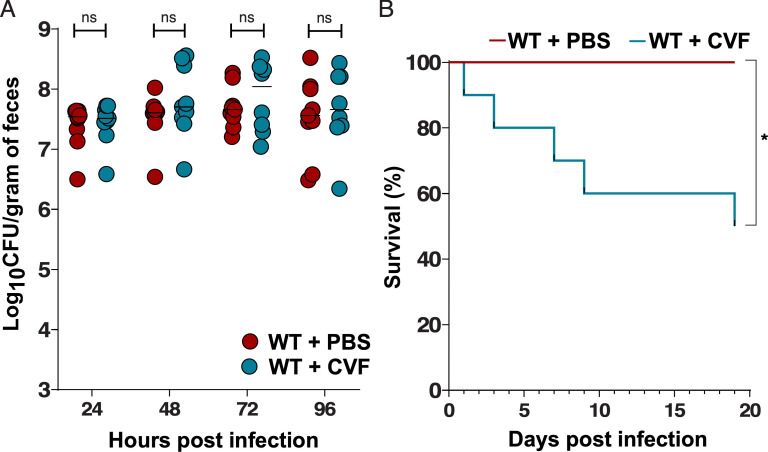 Figure 7
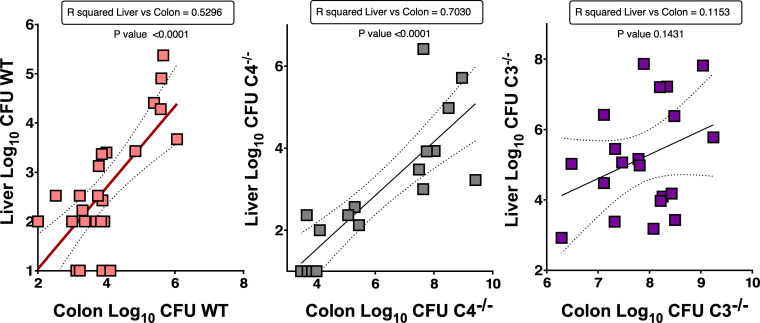 Figure 8
Peer Reviews
No public reviews on file for this paper yet. If you reviewed it on a platform where reviews are public (OpenReview, ICLR, NeurIPS, ICML), you can paste yours below so the community can read it here.
Videos
No videos yet. Explain this paper in a talk, walkthrough, or lecture? Add one.
Taxonomy
TopicsComplement system in diseases · Escherichia coli research studies · Invertebrate Immune Response Mechanisms