Effects of human immunoglobulins on Cryptococcus neoformans morphology and proteome
Taiane N. Souza, Haroldo C. de Oliveira, Antonio S. Nakouzi, Marlon D. M. Santos, Daniel Zamith-Miranda, Joshua D. Nosanchuk, Marcio L. Rodrigues, Liise-anne Pirofski

TL;DR
Human immunoglobulins, especially IgA, affect the growth and structure of Cryptococcus neoformans, suggesting a role in its pathogenesis.
Contribution
This study reveals that normal human IgA significantly alters Cryptococcus neoformans morphology and proteome, linking IgA levels to fungal pathogenesis.
Findings
IgA inhibits Cryptococcus neoformans growth and alters capsular fiber organization.
IgA reduces protein synthesis and disrupts glucuronoxylomannan synthesis pathways in Cn.
Lower IgA levels in HIV patients may contribute to cryptococcal meningitis pathogenesis.
Abstract
Cryptococcus neoformans (Cn) is the main cause of fungal meningitis in people living with HIV. Perturbations in normal immunoglobulin (Ig) levels are observed in these individuals, but their association with Cn pathogenesis is unclear. Here, we investigated the physical and biological effects of normal (not elicited by known cryptococcal infection) human immunoglobulins (Igs), IgM, IgG, and IgA on Cn (strain H99). Each isotype affected the growth, surface morphology, and proteome of Cn. However, IgA had the most prominent effect. It induced growth inhibition after 24 h of co-culture with Cn, altered the structural organization of capsular fibers, and significantly reduced protein synthesis and proteins associated with intracellular glucuronoxylomannan (GXM) synthesis, such as those mediating transport of sugar precursors to Golgi and the cyclic AMP pathway. Together with prior data…
Genes, proteins, chemicals, diseases, species, mutations and cell lines named across the full text — each resolved to its canonical identifier and authoritative record.
Click any figure to enlarge with its caption.
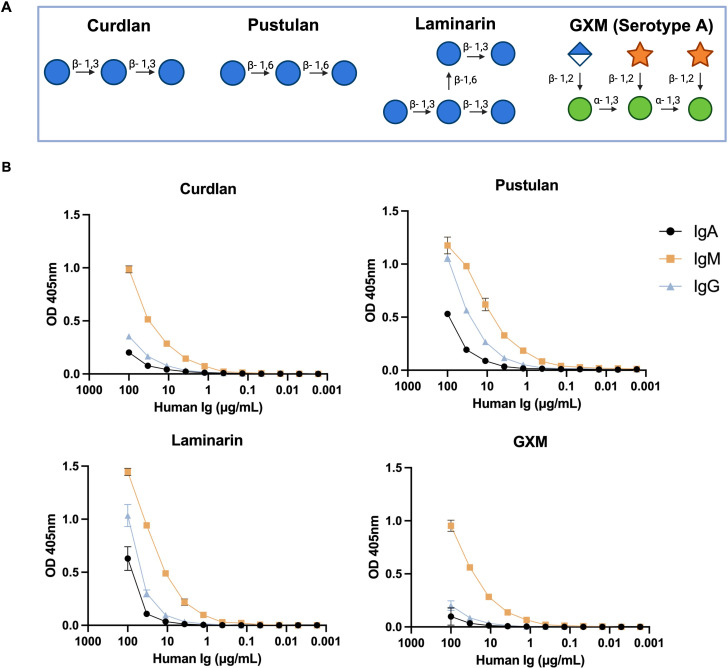 Figure 1
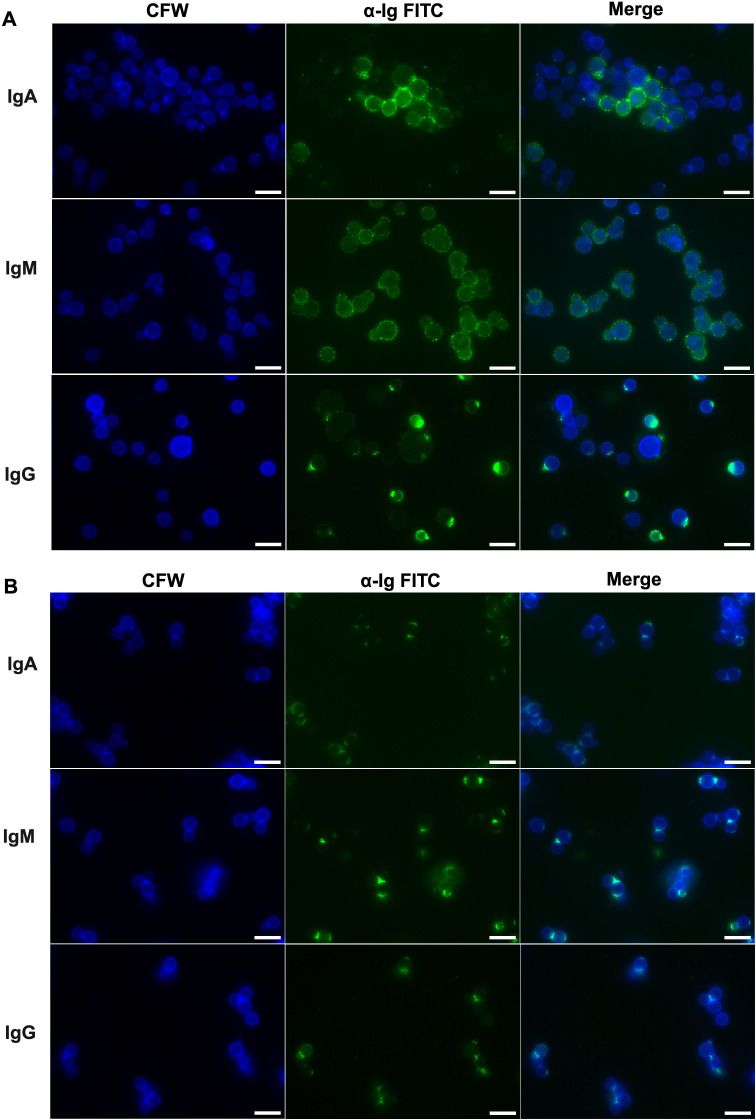 Figure 2
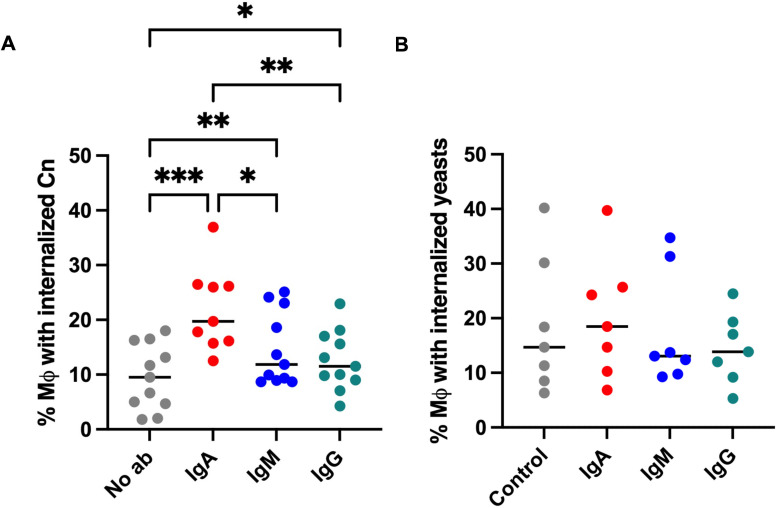 Figure 3
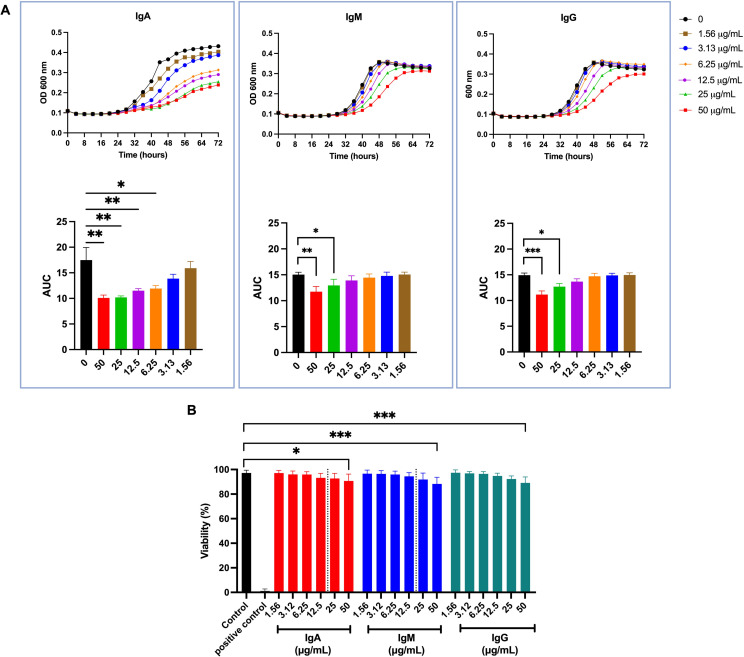 Figure 4
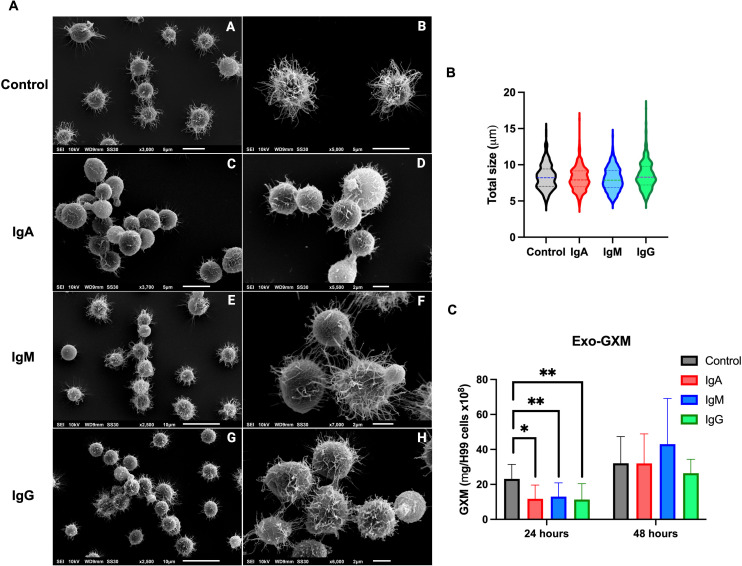 Figure 5
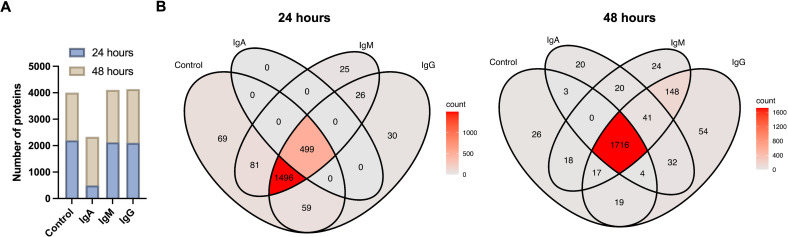 Figure 6
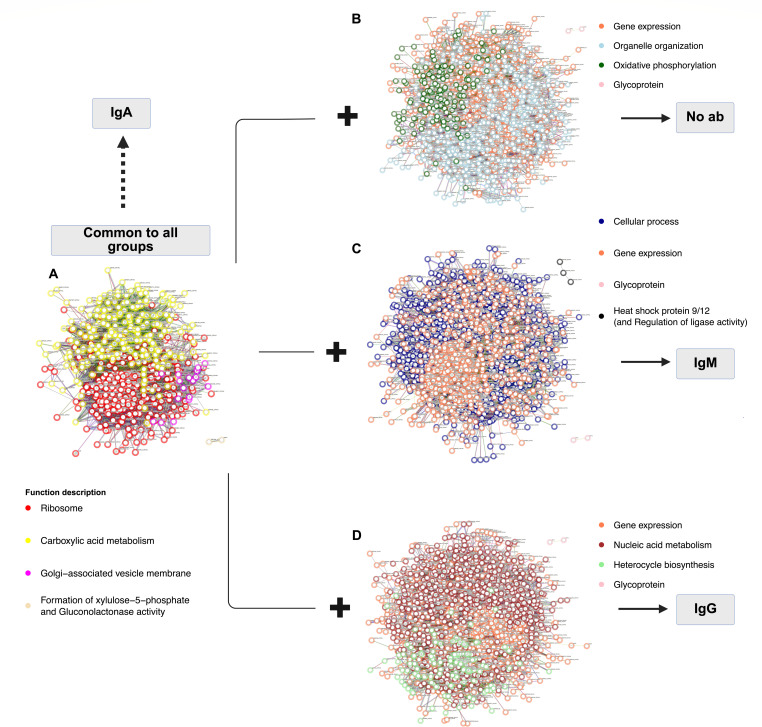 Figure 7
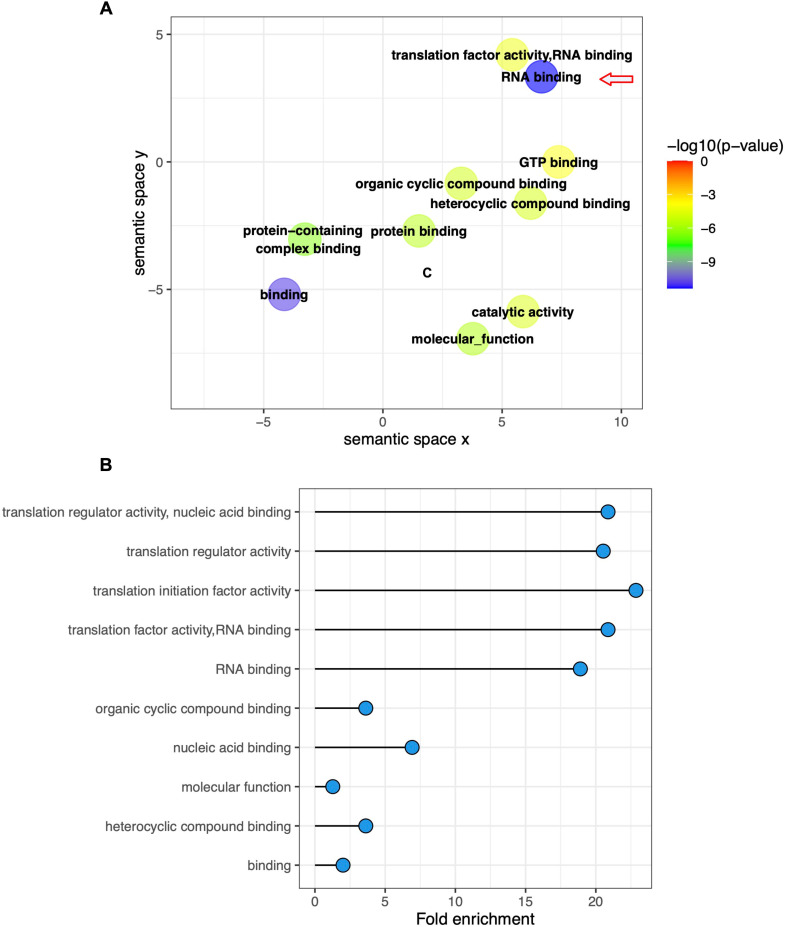 Figure 8
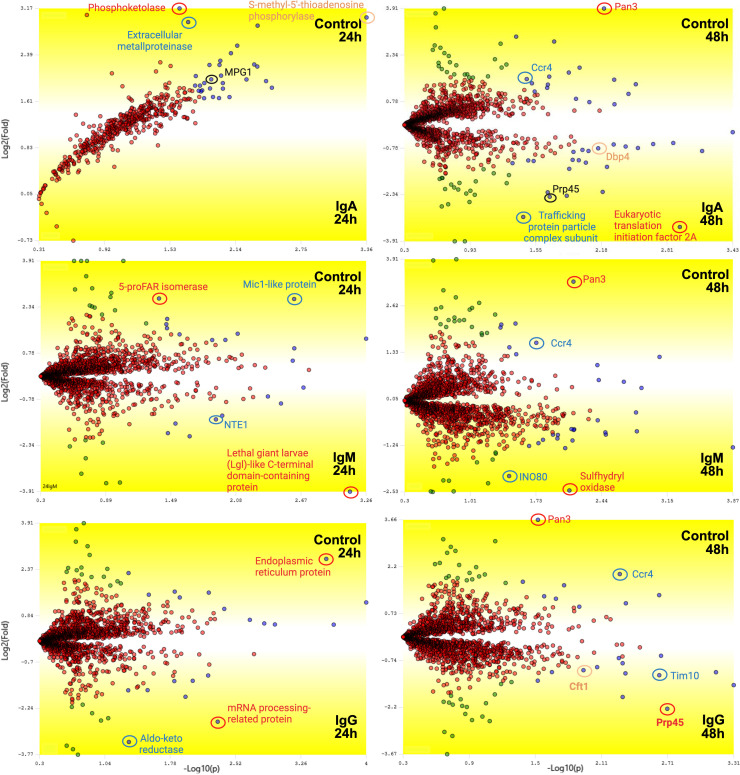 Figure 9
Peer Reviews
No public reviews on file for this paper yet. If you reviewed it on a platform where reviews are public (OpenReview, ICLR, NeurIPS, ICML), you can paste yours below so the community can read it here.
Videos
No videos yet. Explain this paper in a talk, walkthrough, or lecture? Add one.
Taxonomy
TopicsFungal Infections and Studies · Nail Diseases and Treatments · Infectious Diseases and Tuberculosis