A standardized, genome-guided MLST scheme for Avibacterium paragallinarum: enhanced epidemiological typing and validation against existing methods
Mostafa Ghanem, Alyssa Harris, Madhusudan Timilsina, Dhiraj Chundru, Michele Williams, Amro Hashish, Mohamed El-Gazzar

TL;DR
A new MLST scheme for Avibacterium paragallinarum improves strain differentiation and disease tracking in poultry.
Contribution
A standardized, genome-guided MLST scheme for Avibacterium paragallinarum with higher discriminatory power than existing methods.
Findings
The new MLST scheme outperformed HPG2 and Guo’s MLST in strain differentiation.
The scheme revealed epidemiologically meaningful clustering and lineage persistence.
It showed strong concordance with core genome MLST while being more practical for routine use.
Abstract
Avibacterium paragallinarum, the causative agent of infectious coryza (IC), is an important respiratory pathogen of chickens with growing prevalence in commercial and backyard flocks. Current strain-typing methods, including classical serotyping and molecular approaches, such as ERIC-PCR or single-locus HPG2 typing, lack sufficient discriminatory power to investigate the epidemiology or population structure. To address this limitation, we developed a genome-guided multilocus sequence typing (MLST) scheme as a robust and portable tool for A. paragallinarum strain differentiation. Housekeeping genes were identified from 42 whole-genome sequences (WGS); 18 candidates were evaluated; and six were selected for the final MLST scheme. We used the scheme to differentiate 75 A. paragallinarum samples and compared its performance against classical HPG2-based typing, ad hoc core genome MLST…
Genes, proteins, chemicals, diseases, species, mutations and cell lines named across the full text — each resolved to its canonical identifier and authoritative record.
Click any figure to enlarge with its caption.
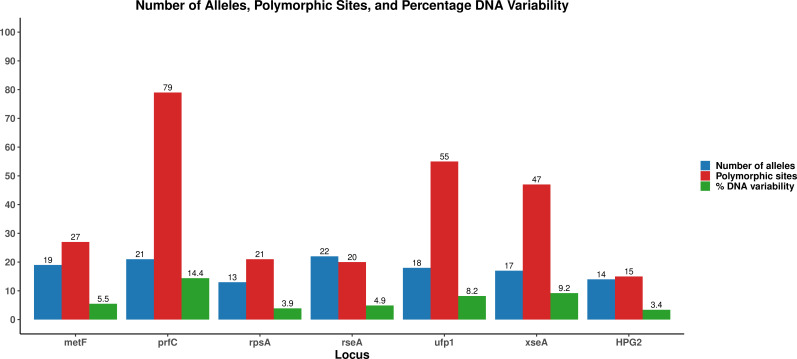 Figure 1
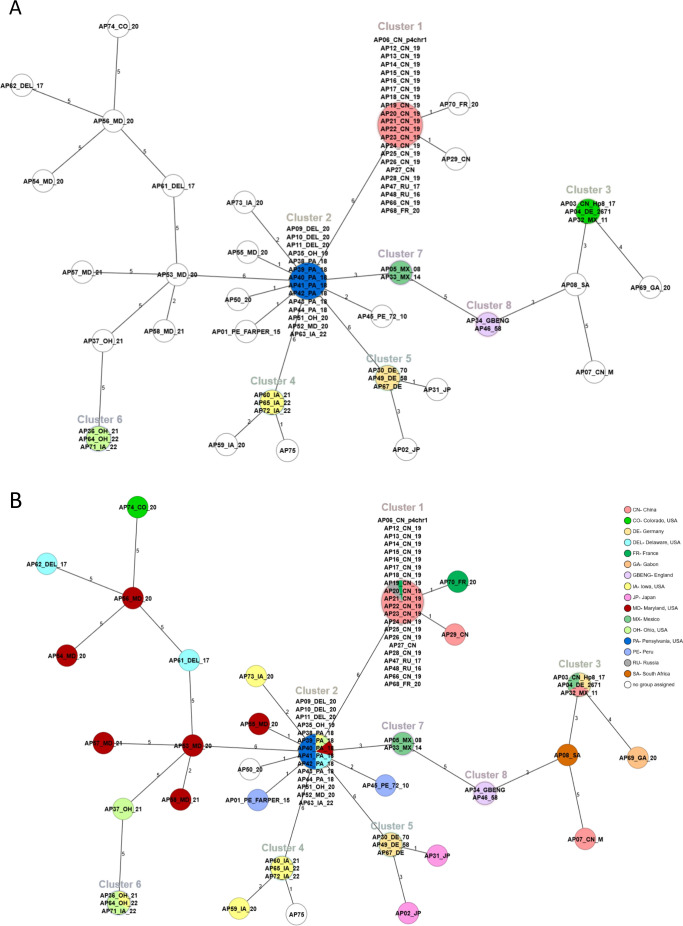 Figure 2
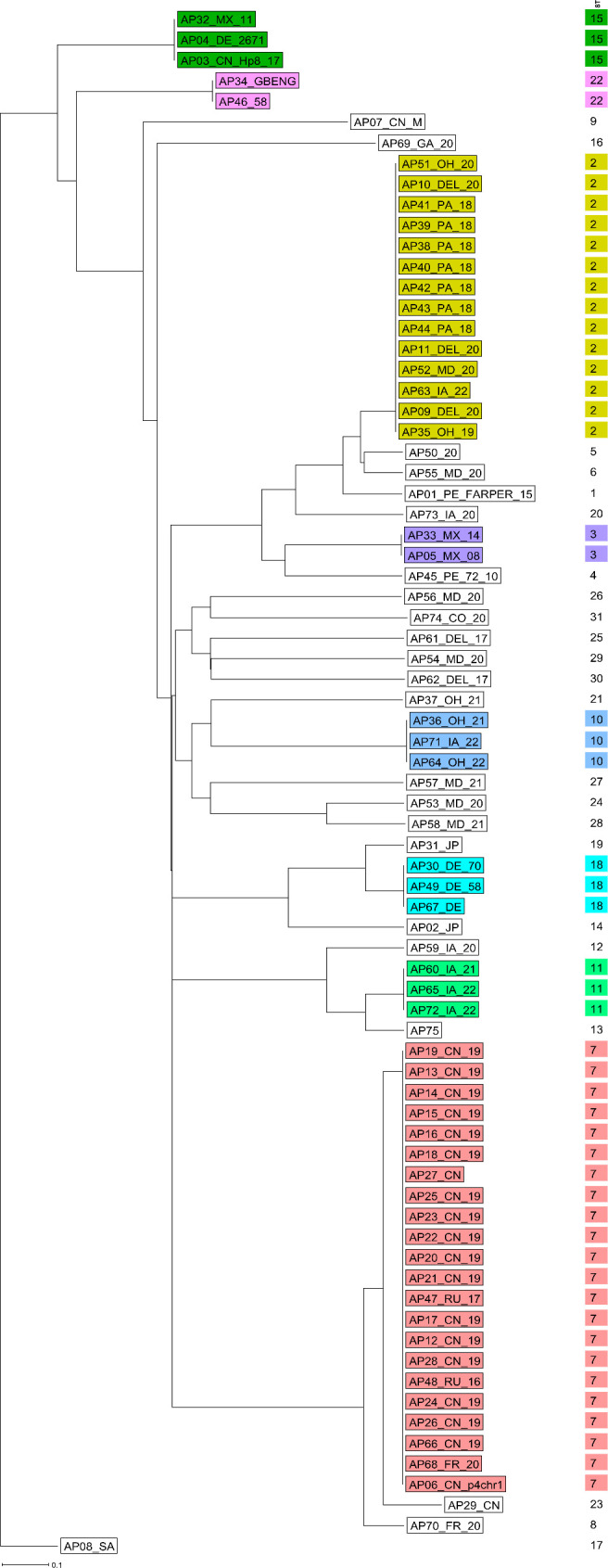 Figure 3
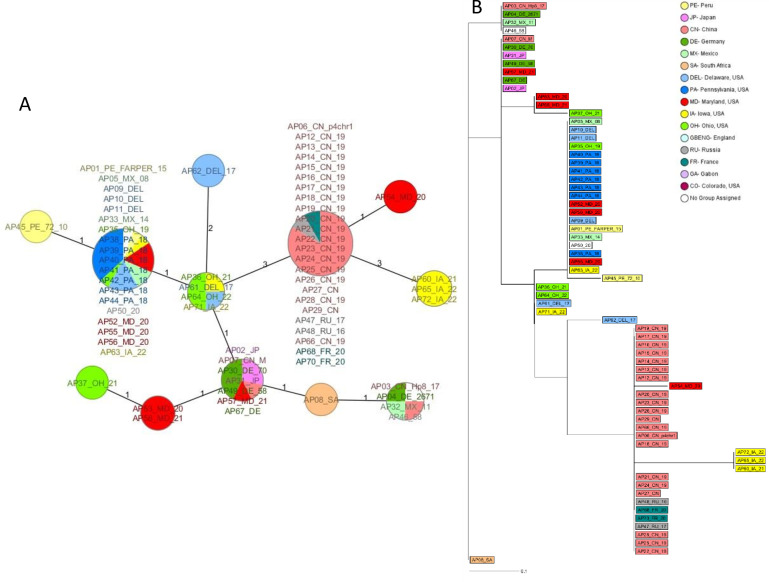 Figure 4
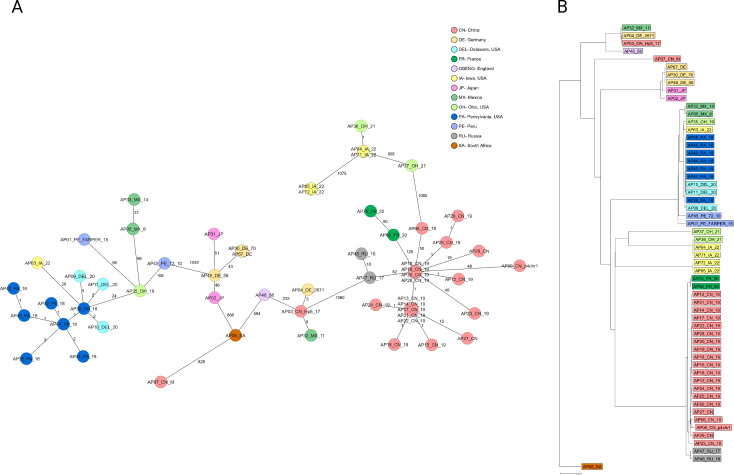 Figure 5
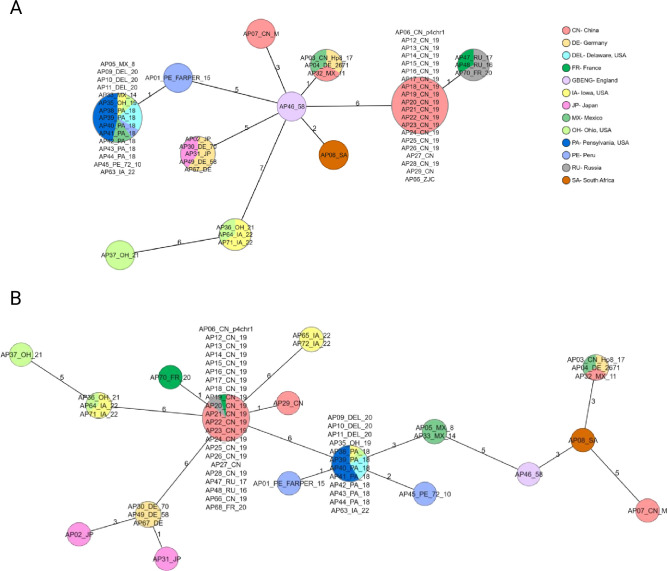 Figure 6
Peer Reviews
No public reviews on file for this paper yet. If you reviewed it on a platform where reviews are public (OpenReview, ICLR, NeurIPS, ICML), you can paste yours below so the community can read it here.
Videos
No videos yet. Explain this paper in a talk, walkthrough, or lecture? Add one.
Taxonomy
TopicsMicrobial infections and disease research · Bird parasitology and diseases · Aquaculture disease management and microbiota