Global regulation and virulence mediated by the histidine-responsive local transcription factor HutC in Pseudomonas aeruginosa
Kiran S. Jayan, Naran Naren, Yunhao Liu, Xinyi Liu, Chang Luan, Xue-Xian Zhang

TL;DR
This study shows that the HutC protein in Pseudomonas aeruginosa regulates virulence by controlling gene expression in response to histidine and urocanate.
Contribution
The study reveals that HutC uses low-affinity DNA binding to globally regulate virulence traits in Pseudomonas aeruginosa.
Findings
HutC binds to promoters of hut operons and regulates histidine and urocanate utilization.
HutC also regulates virulence-related genes like arr and affects biofilm formation and pyoverdine production.
Deletion of hutC reduces virulence in a C. elegans infection model.
Abstract
Host-derived nutritional substrates fuel infection in invading bacteria, yet their potential as signaling molecules for host perception remains largely unexplored. Here, we report the functional characterization of HutC, a transcriptional repressor of hut genes for the utilization of histidine and its derivative, urocanate, in the human pathogenic bacterium Pseudomonas aeruginosa PAO1. Using electrophoretic mobility shift assay (EMSA) and DNase I footprinting combined with site-directed mutagenesis, we demonstrate that HutC specifically binds with high affinity to the promoters of the two hut operons. This analysis led to the identification of a noncanonical HutC-binding site in the hutF promoter of a non-pathogenic Pseudomonas strain, which is absent in P. aeruginosa. A genome-wide search of the PAO1 genome using a probability matrix of the canonical HutC-binding motif identified 172…
Genes, proteins, chemicals, diseases, species, mutations and cell lines named across the full text — each resolved to its canonical identifier and authoritative record.
Click any figure to enlarge with its caption.
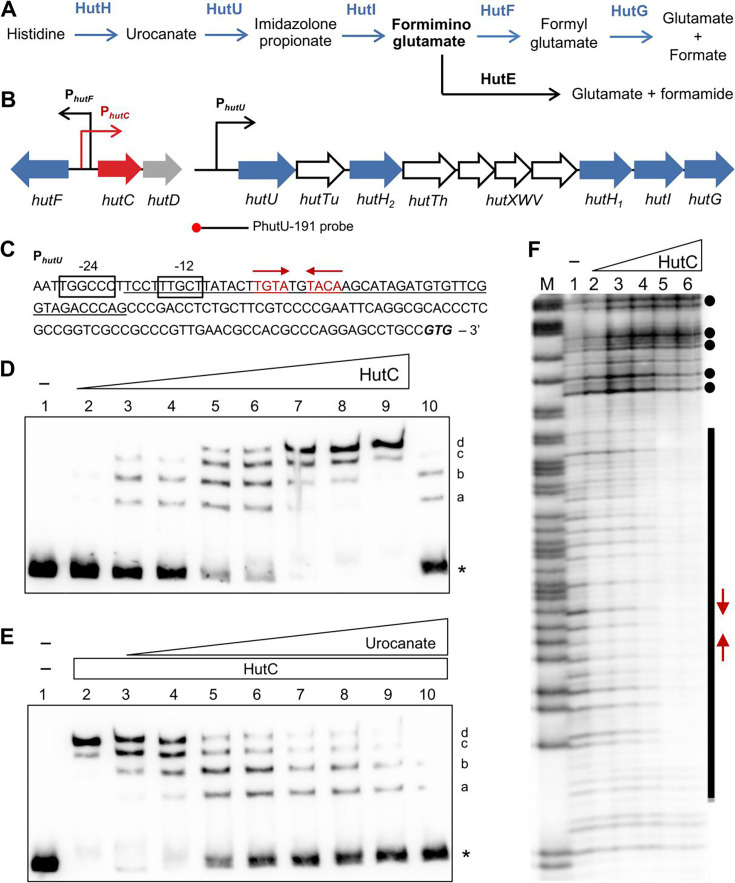 Figure 1
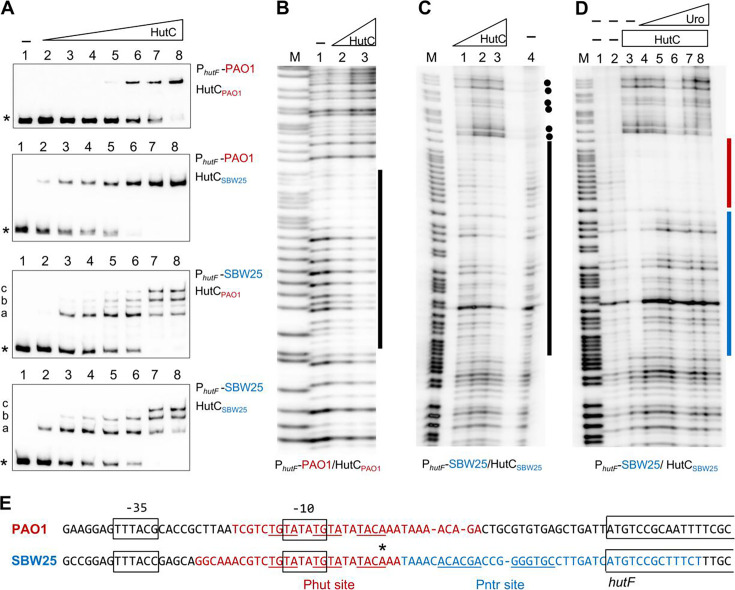 Figure 2
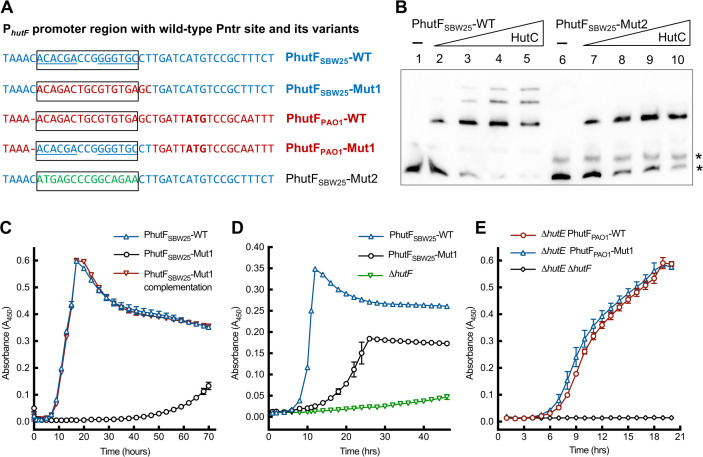 Figure 3
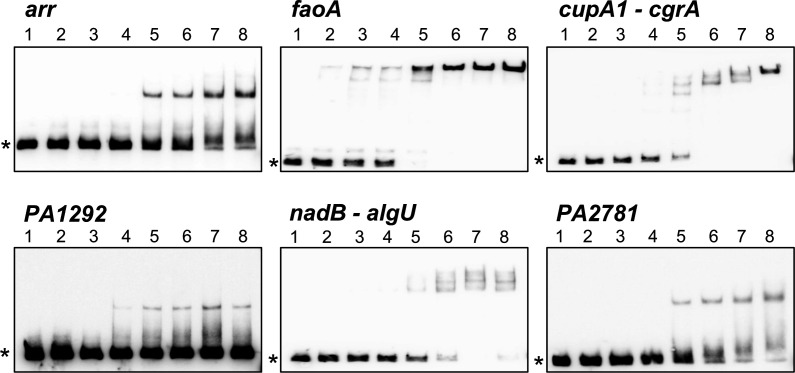 Figure 4
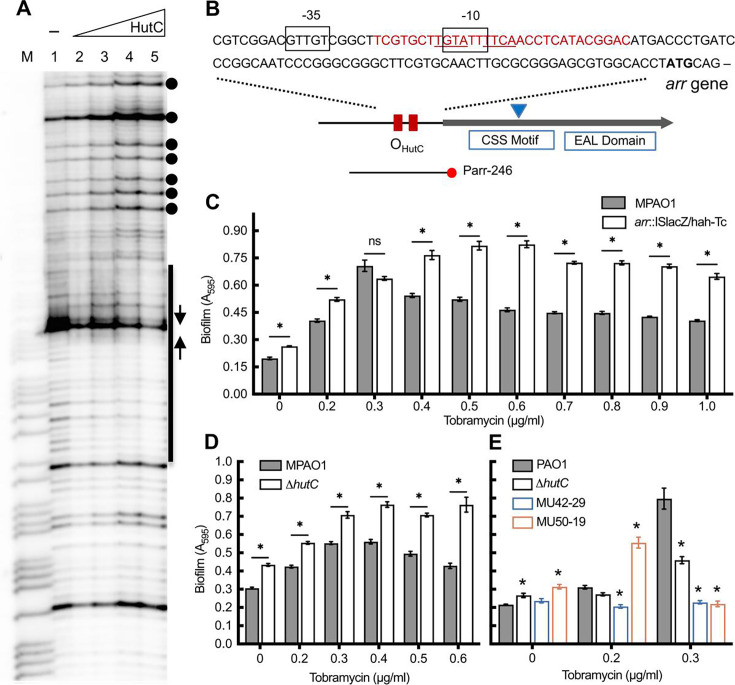 Figure 5
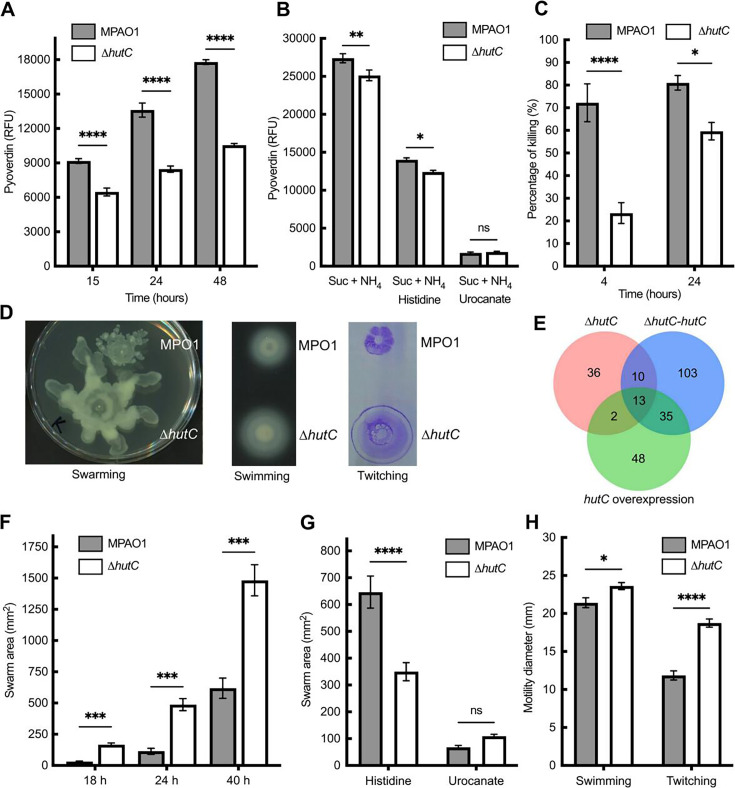 Figure 6
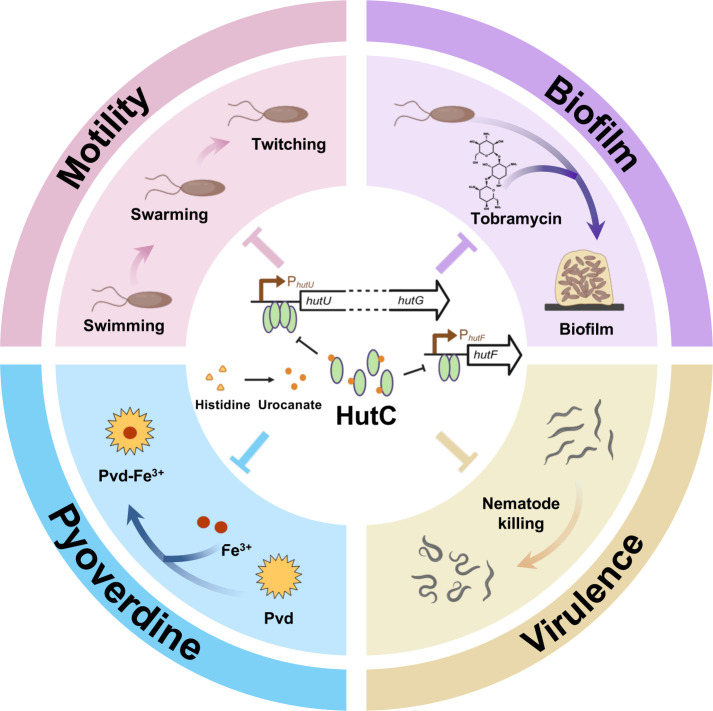 Figure 7
 Figure 8
 Figure 9
 Figure 10
 Figure 11
 Figure 12
 Figure 13
Peer Reviews
No public reviews on file for this paper yet. If you reviewed it on a platform where reviews are public (OpenReview, ICLR, NeurIPS, ICML), you can paste yours below so the community can read it here.
Videos
No videos yet. Explain this paper in a talk, walkthrough, or lecture? Add one.
Taxonomy
TopicsBacterial biofilms and quorum sensing · Bacterial Genetics and Biotechnology · Antibiotic Resistance in Bacteria