Energy expenditure and cellular activity underlie antibiotic tolerance of Pseudomonas aeruginosa
Michael F. Gates, Kim Lewis

TL;DR
This paper explains how Pseudomonas aeruginosa becomes antibiotic-tolerant in cystic fibrosis infections by linking energy use and cellular activity to the formation of dormant persister cells.
Contribution
The study reveals that high energy expenditure and biofilm lifestyle in Pseudomonas aeruginosa lead to antibiotic tolerance via low-translating persister cells.
Findings
Pseudomonas aeruginosa remains highly active in stationary phase, leading to increased antibiotic susceptibility compared to Escherichia coli.
Low-translating persisters in Pseudomonas aeruginosa arise under high c-di-GMP production and intact exopolysaccharide synthesis.
Biofilm growth increases antibiotic tolerance by generating dormant persisters with reduced energy expenditure.
Abstract
Persisters are a subpopulation of bacterial cells that survive a lethal dose of antibiotic. The failure to treat infections has been linked to the presence of these drug-tolerant cells. The recalcitrant, and often incurable, infection of cystic fibrosis airways by Pseudomonas aeruginosa is attributed to persisters found within aggregate biofilms that contain stationary cells. In all bacteria studied, the fraction of persisters is the highest in stationary populations. However, the level of persisters is unusually low in stationary phase P. aeruginosa, which is unexpected, given the recalcitrance to antibiotic therapy. Here, we set out to investigate the mechanism of P. aeruginosa antibiotic susceptibility in stationary phase. We find that P. aeruginosa is highly active in stationary phase, based on its rate of translation, and this correlates with increased killing compared to…
Genes, proteins, chemicals, diseases, species, mutations and cell lines named across the full text — each resolved to its canonical identifier and authoritative record.
Click any figure to enlarge with its caption.
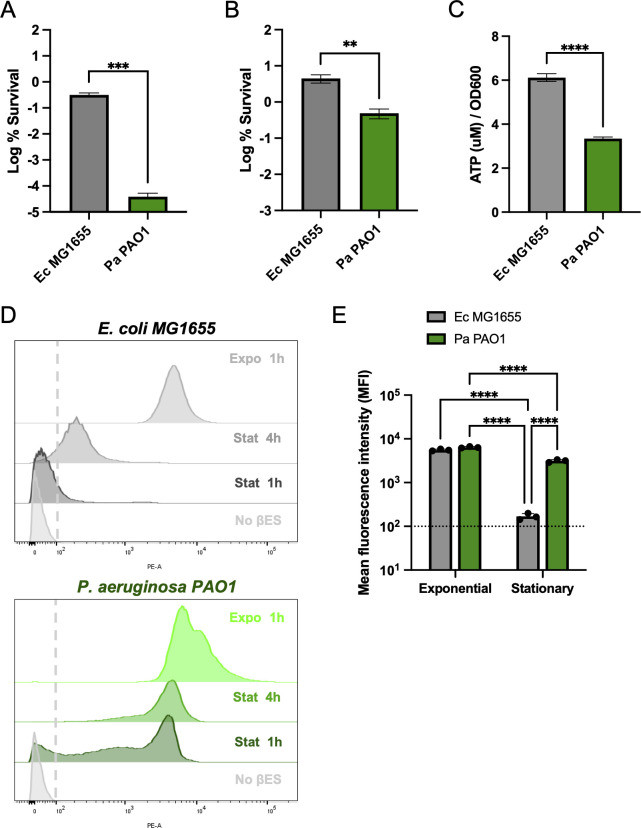 Figure 1
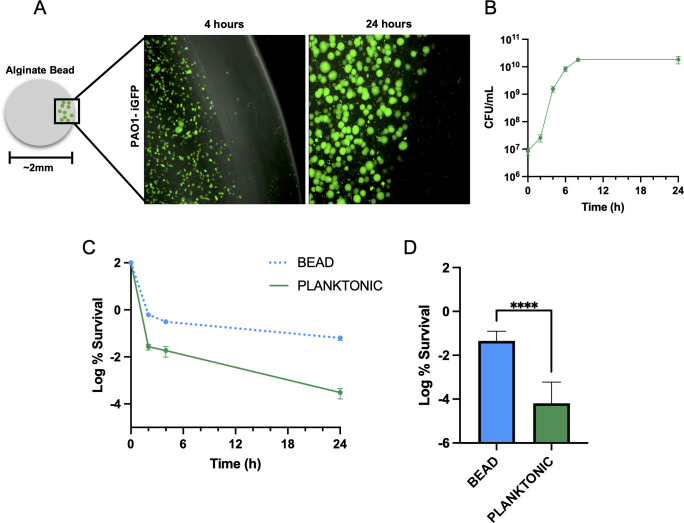 Figure 2
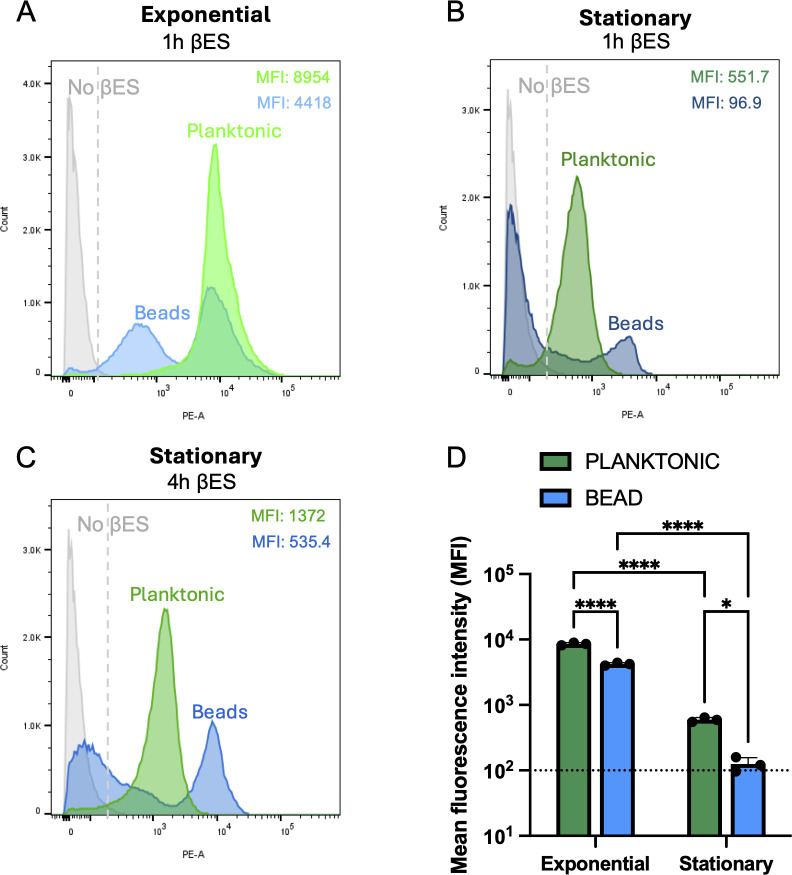 Figure 3
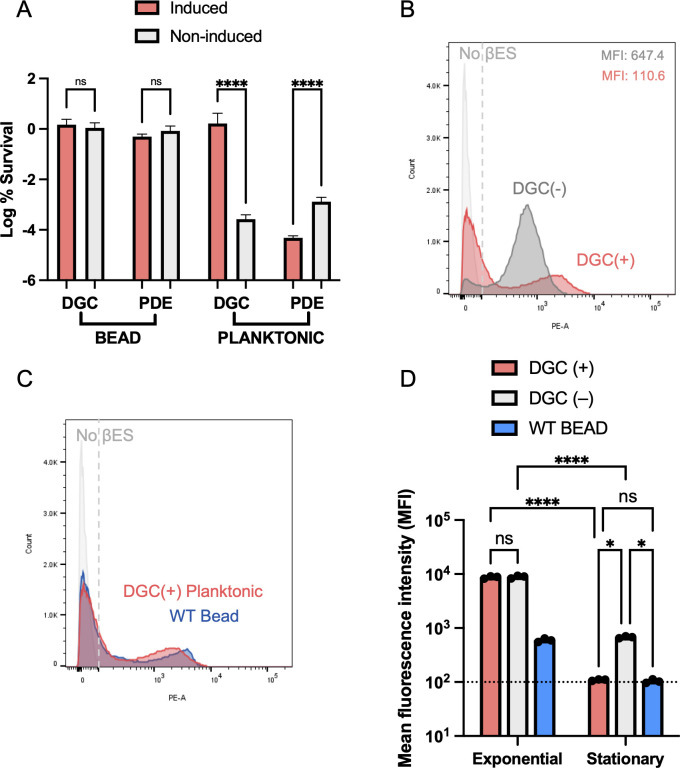 Figure 4
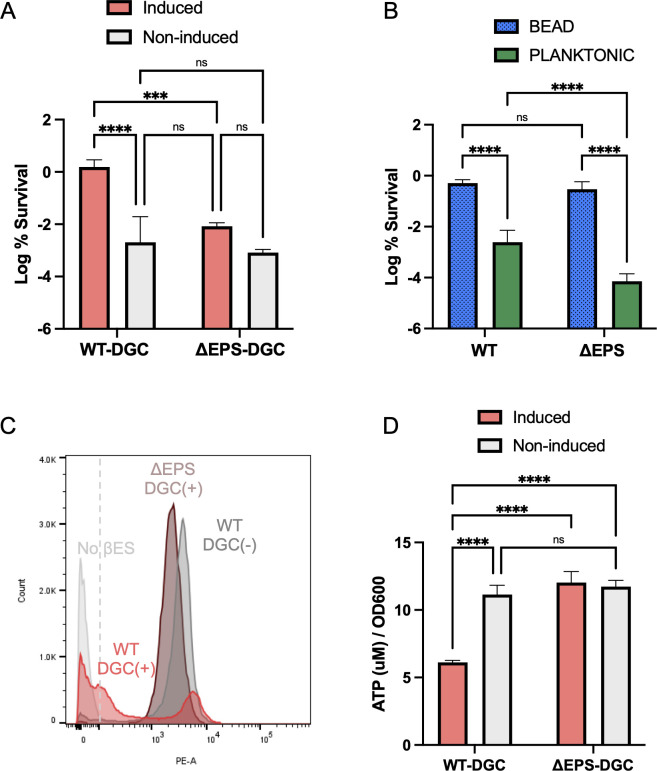 Figure 5
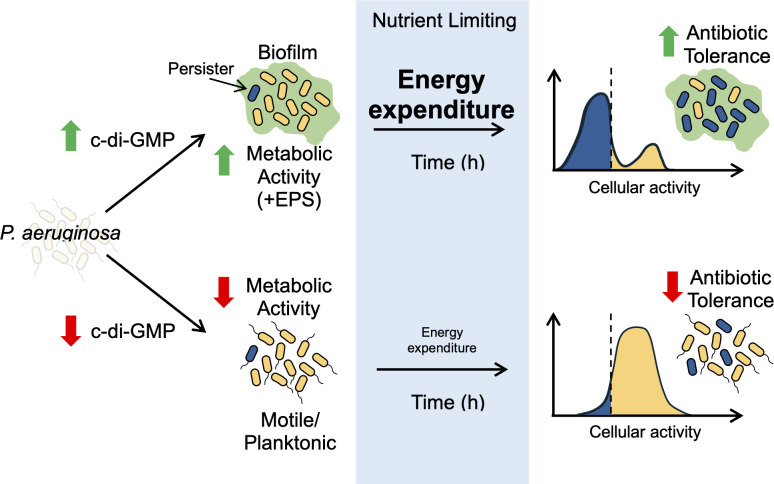 Figure 6
Peer Reviews
No public reviews on file for this paper yet. If you reviewed it on a platform where reviews are public (OpenReview, ICLR, NeurIPS, ICML), you can paste yours below so the community can read it here.
Videos
No videos yet. Explain this paper in a talk, walkthrough, or lecture? Add one.
Taxonomy
TopicsBacterial biofilms and quorum sensing · Bacterial Genetics and Biotechnology · Vibrio bacteria research studies