Inequalities in the provision of guideline-directed medical therapy following myocardial infarction: a cohort study
Fiona McLachlan, Marie de Bakker, Cesario Pancinha, Thomas M Caparrotta, Caroline Jackson, Thulani Ashcroft, Atul Anand, Peter J Gallacher, Eve Miller-Hodges, David Yeung, Neeraj Dhaun, Chris Tuck, Nicholas L Mills, Dorien M Kimenai

TL;DR
This study finds that women and patients outside the 50-70 age range are less likely to receive recommended heart treatments after a heart attack, despite these treatments reducing future risks.
Contribution
The study identifies persistent inequalities in post-MI care provision across sex and age groups using a large, real-world cohort.
Findings
Women and patients under 50 or over 70 are less likely to receive all three guideline-directed therapies after a heart attack.
Patients receiving all three therapies had a lower risk of future cardiovascular events compared to those receiving none.
No significant differences in therapy provision were observed by ethnicity or socioeconomic status.
Abstract
Following myocardial infarction (MI), therapies are recommended that reduce risk and prevent future cardiovascular events. Trends in the provision of guideline-directed medical therapies by sex, age, ethnicity and socioeconomic deprivation status may help identify opportunities to reduce inequalities in post-MI care. This cohort study using linked routine healthcare data included patients with MI in South-East Scotland (1 April 2009 to 31st of July 2021). Multivariable logistic regression models with a generalized estimating equation approach were used to assess the association between each sociodemographic factor and the provision of three guideline-directed medical therapies (anti-platelet or anti-thrombotic agent, lipid-lowering therapy and renin-angiotensin system blocker) at 3-, 12-, and 18-months post-discharge. Multivariable cause-specific Cox proportional hazard models were…
Genes, proteins, chemicals, diseases, species, mutations and cell lines named across the full text — each resolved to its canonical identifier and authoritative record.
Click any figure to enlarge with its caption.
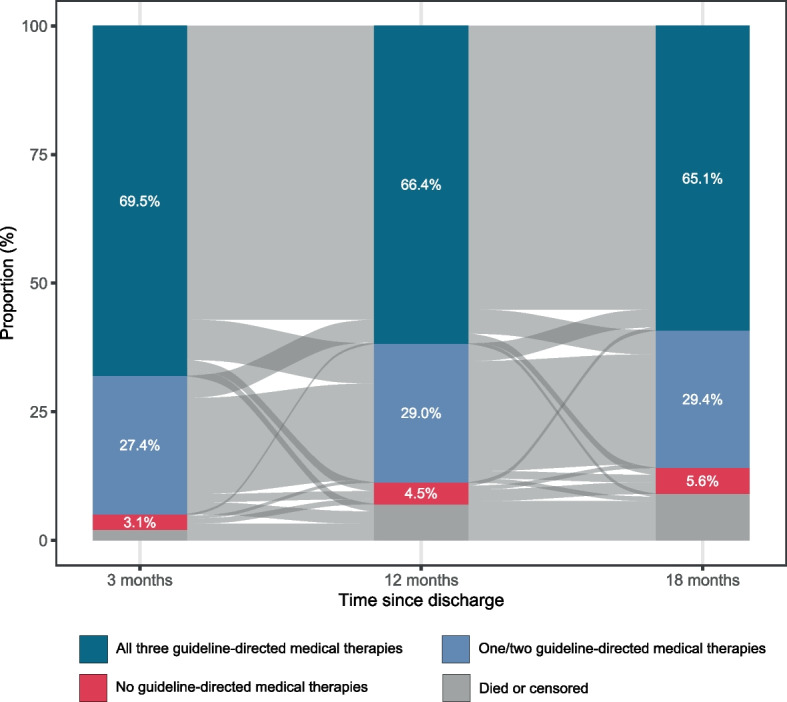 Figure 1
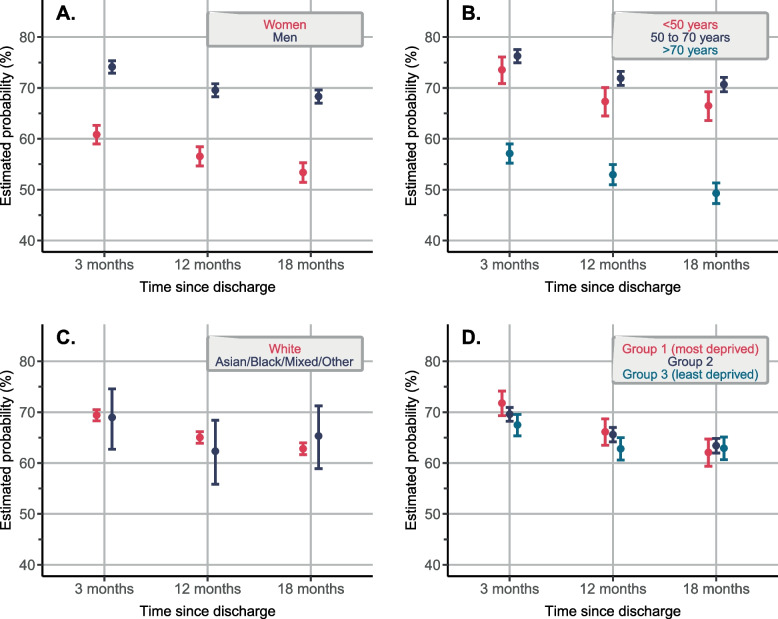 Figure 2
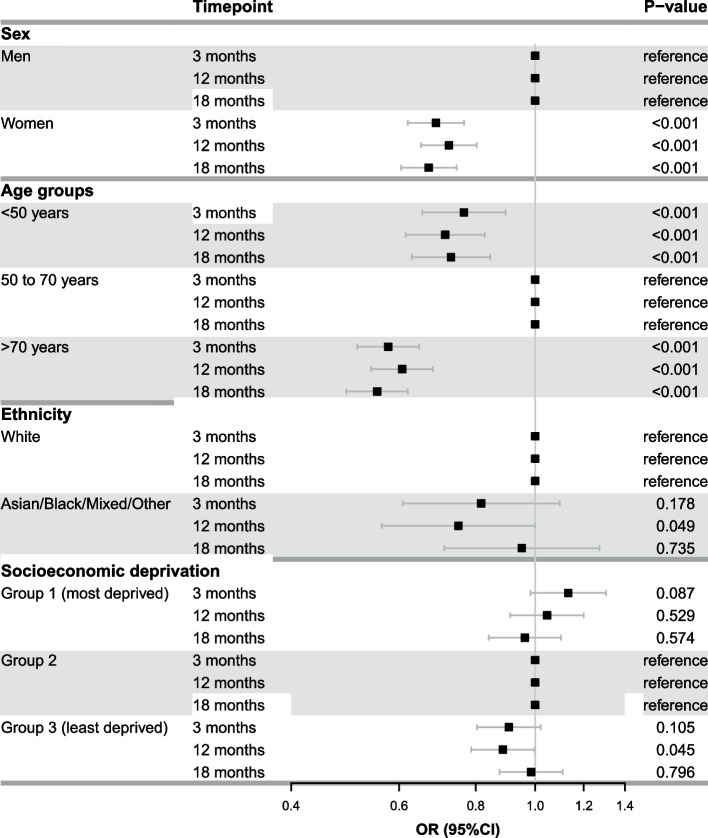 Figure 3
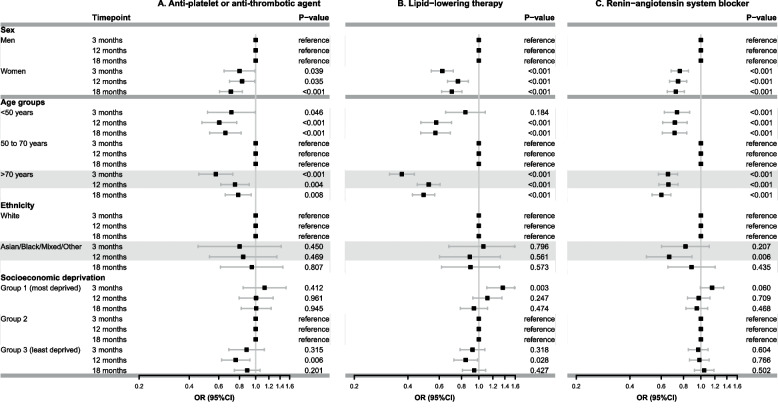 Figure 4
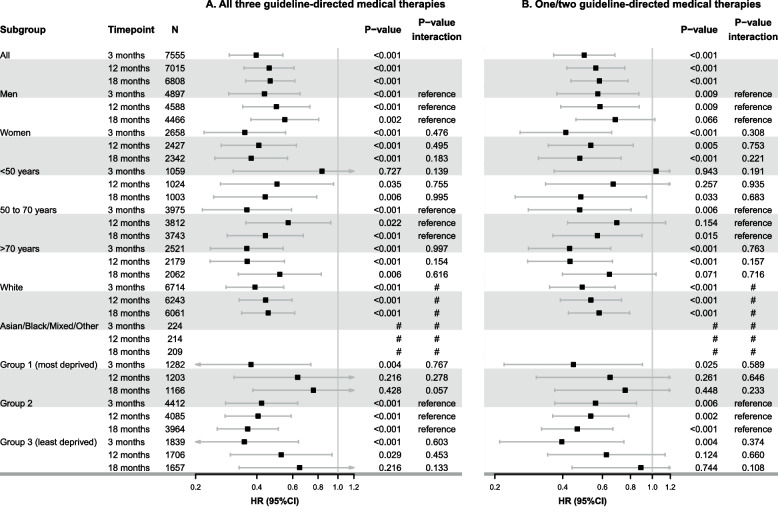 Figure 5
Peer Reviews
No public reviews on file for this paper yet. If you reviewed it on a platform where reviews are public (OpenReview, ICLR, NeurIPS, ICML), you can paste yours below so the community can read it here.
Videos
No videos yet. Explain this paper in a talk, walkthrough, or lecture? Add one.
Taxonomy
TopicsAcute Myocardial Infarction Research · Cardiac Health and Mental Health · Heart Failure Treatment and Management