HIV-1 Vpr induces an NFAT-controlled transcriptional program in primary CD4+ T cells
Johanna Leyens, Carlos Alberto Vanegas-Torres, Anthea Darius, Rabea Seizer, Brigitta Maurer, Daniel Sauter, Rishikesh Lotke, Michael Schindler

TL;DR
This study shows that HIV-1 Vpr activates the NFAT transcription factor, which controls nearly half of the genes it alters in CD4+ T cells, promoting immune activation and supporting HIV replication.
Contribution
The study identifies that 46.5% of Vpr-deregulated genes in CD4+ T cells are controlled by NFAT, revealing a key mechanism in HIV pathogenesis.
Findings
Vpr activates NFAT and induces the expression of the T cell activation marker CD69.
NFAT controls 46.5% of 1,083 Vpr-deregulated genes in primary CD4+ T cells.
Vpr modulates genes related to immune activation, cell cycle, and cytoskeleton organization.
Abstract
HIV-1 Vpr has a major impact on the cellular transcriptome and proteome. Although Vpr is known to stimulate the nuclear factor of activated T cells (NFAT), it remained unclear to what extent transcriptional changes induced by Vpr are governed by NFAT. We, therefore, performed RNA sequencing and transcription factor network analyses of primary CD4+ T cells infected with HIV-1 harboring an intact or defective vpr open reading frame. Furthermore, we analyzed Vprs from HIV-1 groups M, N, O, and P to investigate whether Vpr-mediated NFAT activation is conserved among different clades of HIV-1. All Vprs stimulated NFAT and induced the expression of the T cell activation marker CD69, which is a bona fide target of NFAT in T cells. Our transcriptome analysis showed that NFAT controls 46.5% of 1,083 Vpr-deregulated genes in primary CD4+ T cells. Gene set enrichment analyses revealed that Vpr…
Genes, proteins, chemicals, diseases, species, mutations and cell lines named across the full text — each resolved to its canonical identifier and authoritative record.
Click any figure to enlarge with its caption.
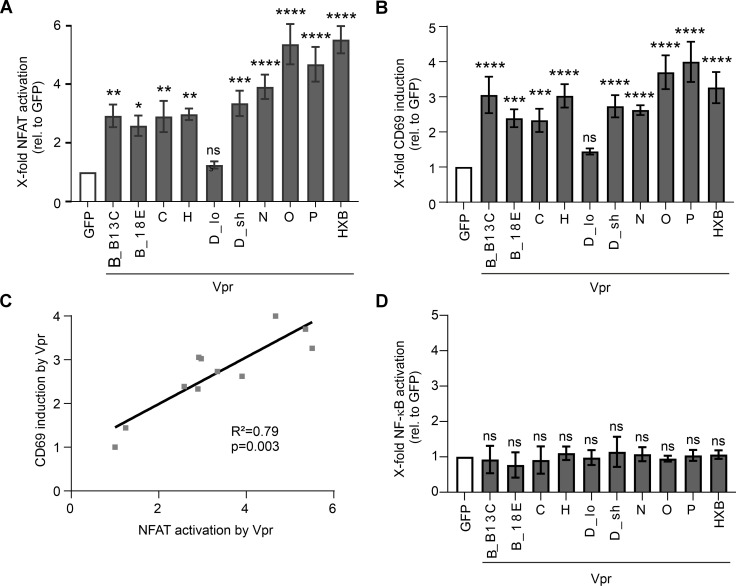 Figure 1
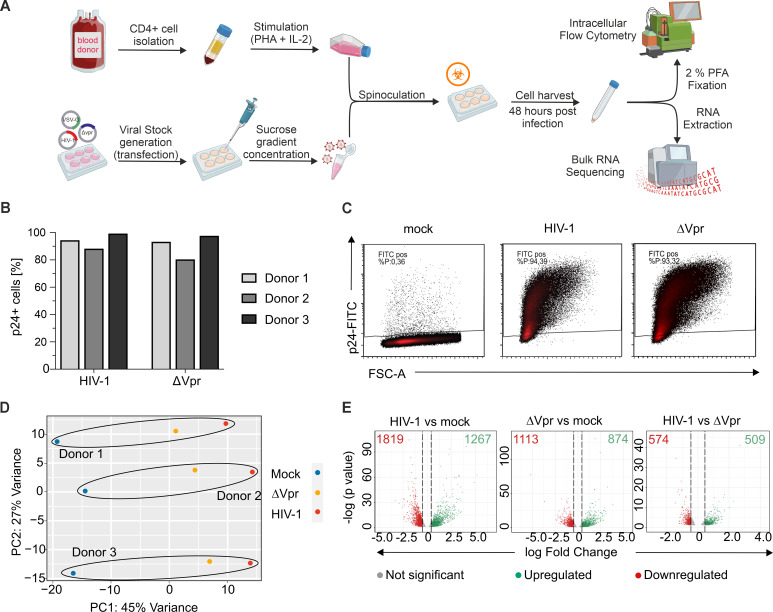 Figure 2
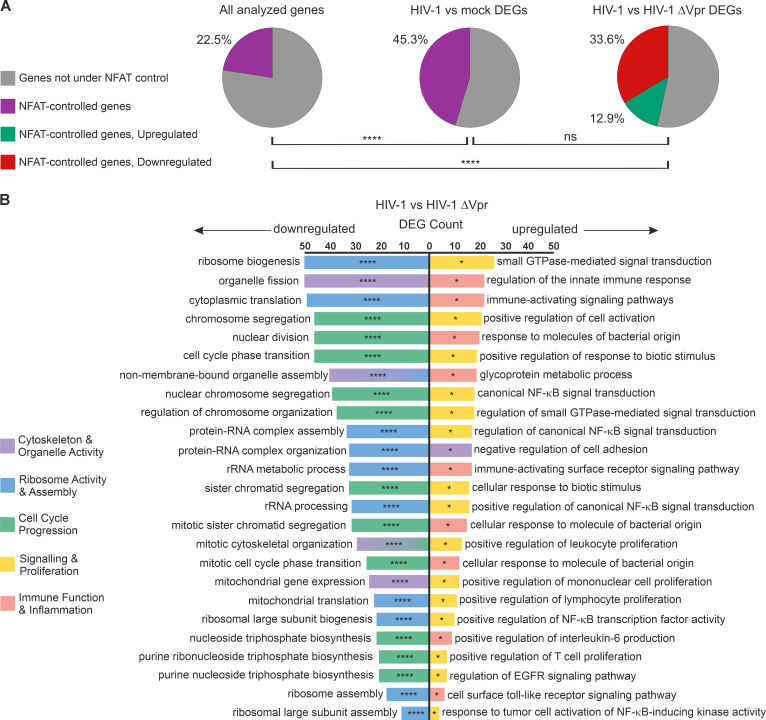 Figure 3
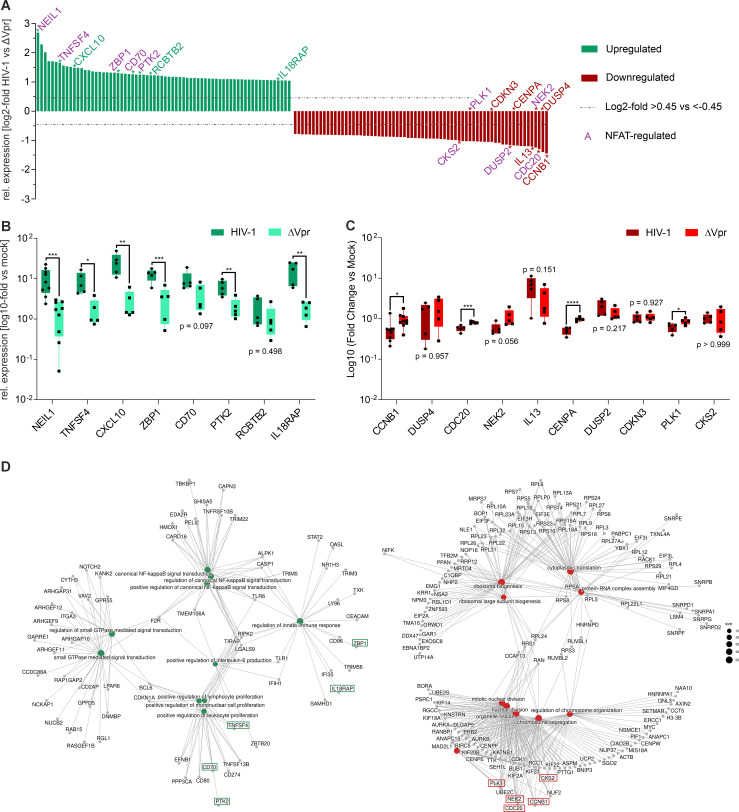 Figure 4
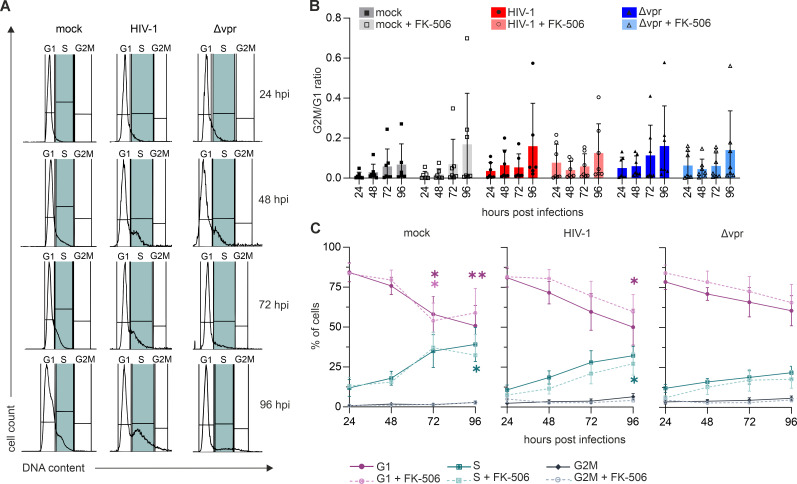 Figure 5
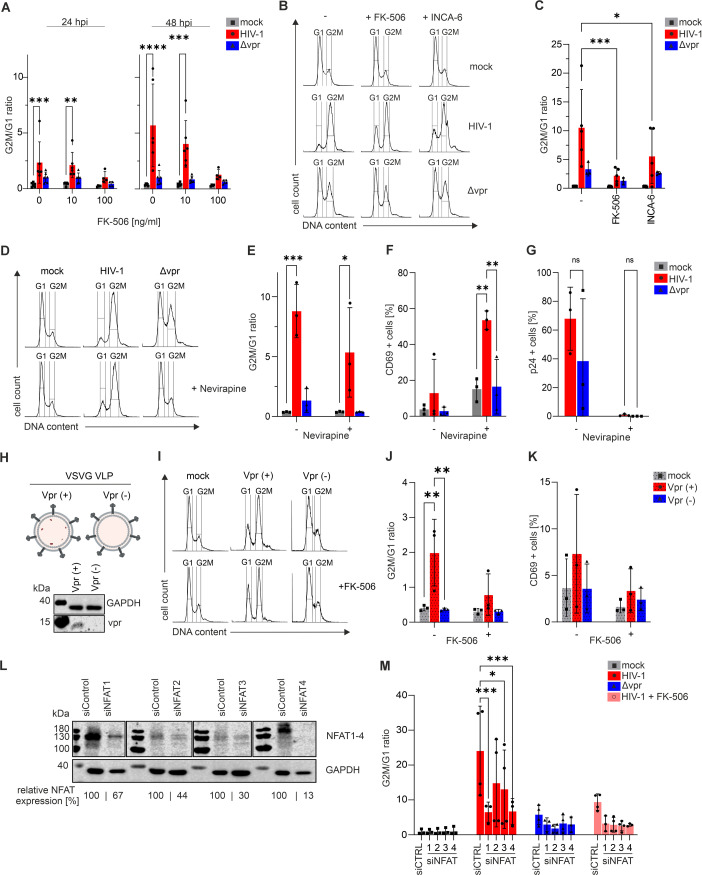 Figure 6
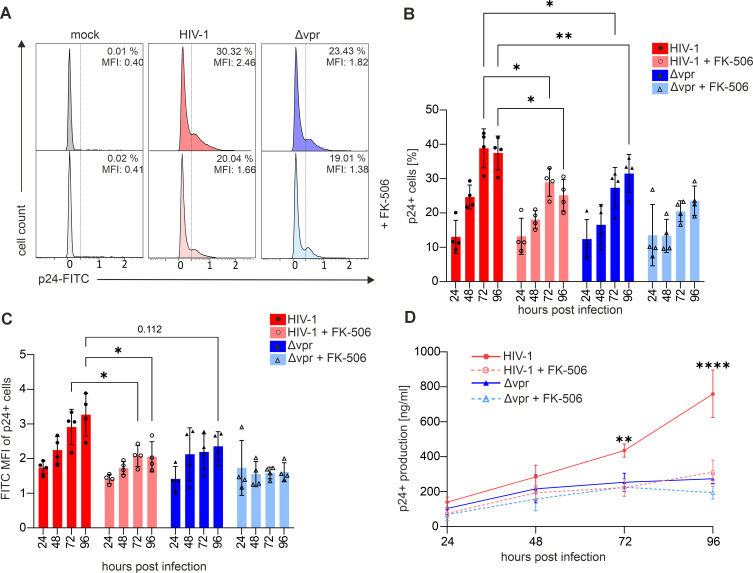 Figure 7
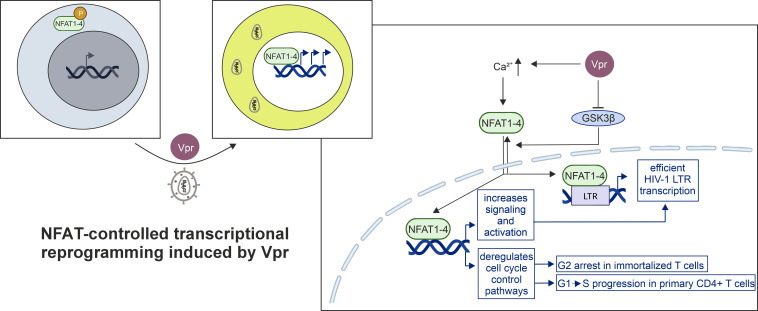 Figure 8
Peer Reviews
No public reviews on file for this paper yet. If you reviewed it on a platform where reviews are public (OpenReview, ICLR, NeurIPS, ICML), you can paste yours below so the community can read it here.
Videos
No videos yet. Explain this paper in a talk, walkthrough, or lecture? Add one.
Taxonomy
TopicsHIV Research and Treatment · Signaling Pathways in Disease · RNA Interference and Gene Delivery