The accessibility of the HSV genome during productive infection can vary in different cell types and affect the outcome of infection
Jenna M. Nosek, Sarah E. Dremel, Neal A. DeLuca

TL;DR
This study shows how the accessibility of the HSV-1 genome to cellular machinery changes during infection in different cell types, affecting gene expression and infection outcomes.
Contribution
The study reveals how ICP4 and DNA replication influence HSV-1 genome accessibility in different cell types, linking it to transcription and infection outcomes.
Findings
ICP4 decreases accessibility of immediate early genes but increases accessibility of early and late genes.
Viral genomes are most accessible just after replication onset in MRC5 cells but become less accessible in sensory neurons.
Genome accessibility correlates with viral gene expression and infection outcomes across cell types.
Abstract
During productive herpes simplex virus type 1 (HSV-1) infection, the viral genome encounters a number of cellular and viral proteins, such as ICP4, which engage in processes that either attenuate or activate transcription. DNA replication allows the recruitment of cellular transcription factors to late gene promoters, leading to the activation of late gene transcription. We hypothesize that part of the mechanisms by which these viral processes and proteins affect transcription involves altering the accessibility of the genome to the cellular transcription machinery. Using assay for transposase accessible chromatin sequencing (ATAC-seq) to measure accessibility in diploid human lung fibroblasts (MRC5 cells), we found that ICP4 function decreased the accessibility of immediate early genes and increased the accessibility of early and late genes, consistent with the expression of these…
Genes, proteins, chemicals, diseases, species, mutations and cell lines named across the full text — each resolved to its canonical identifier and authoritative record.
Click any figure to enlarge with its caption.
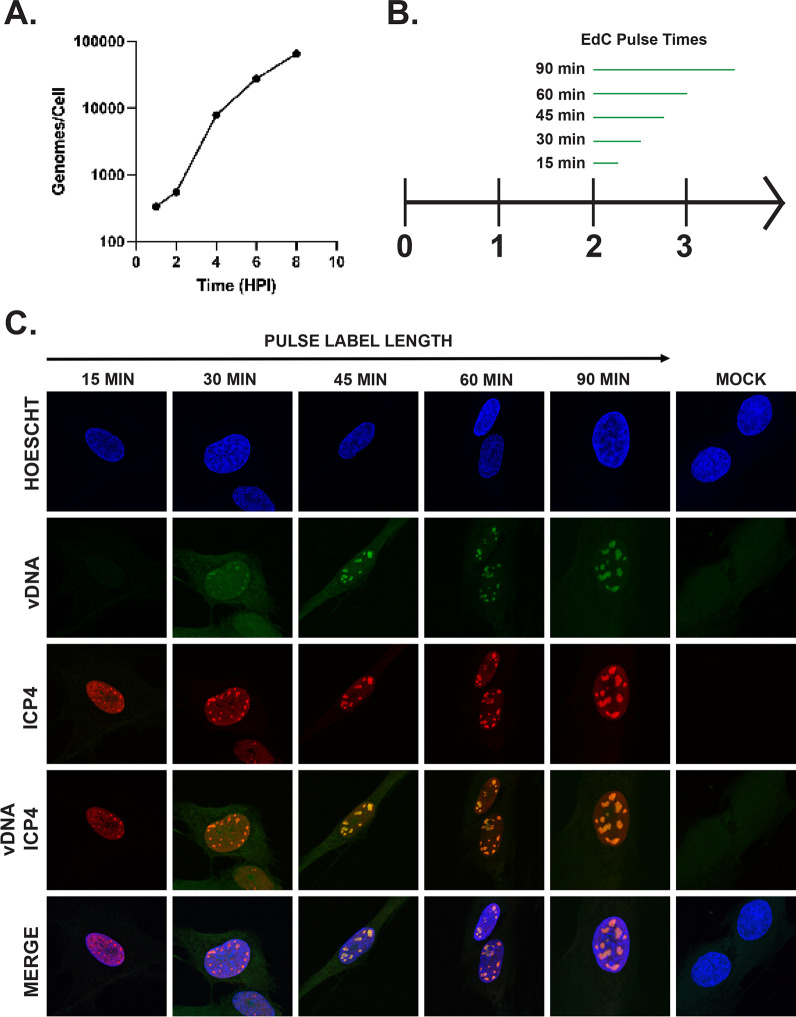 Figure 1
 Figure 2
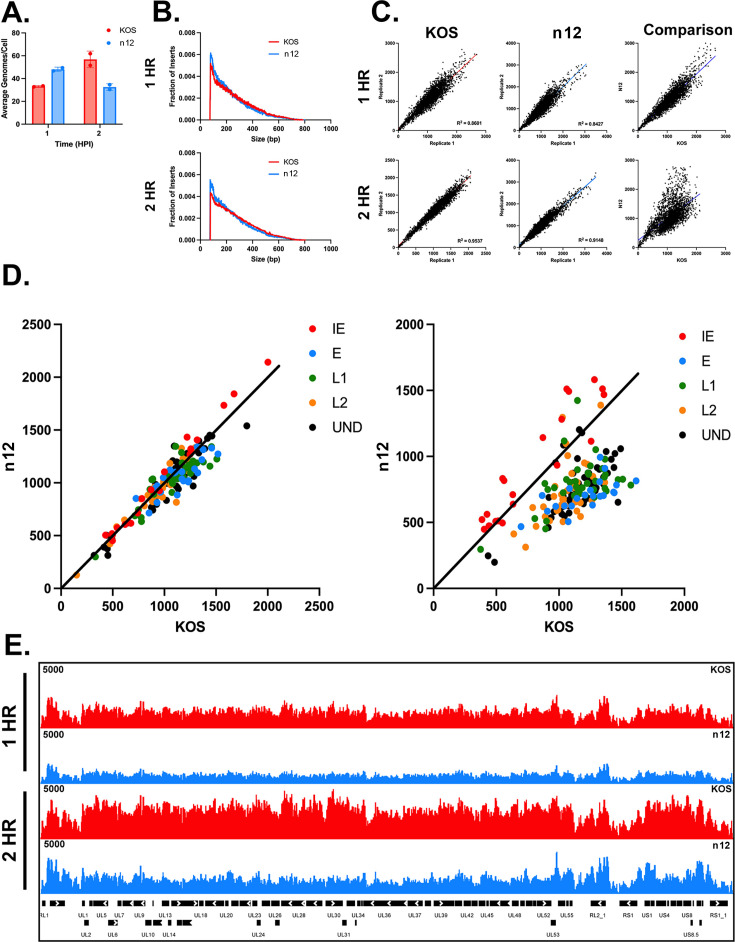 Figure 3
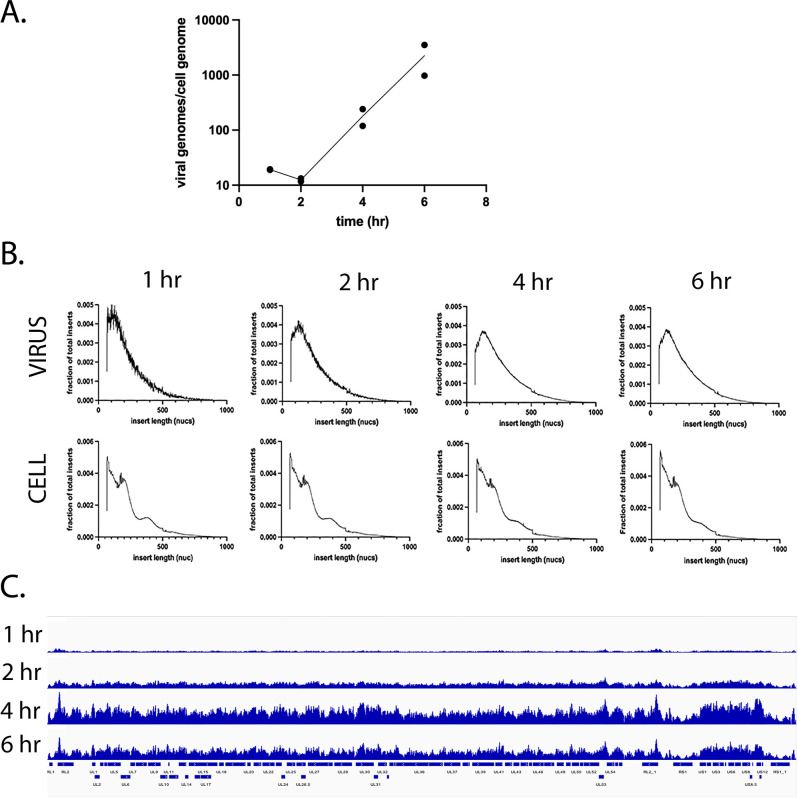 Figure 4
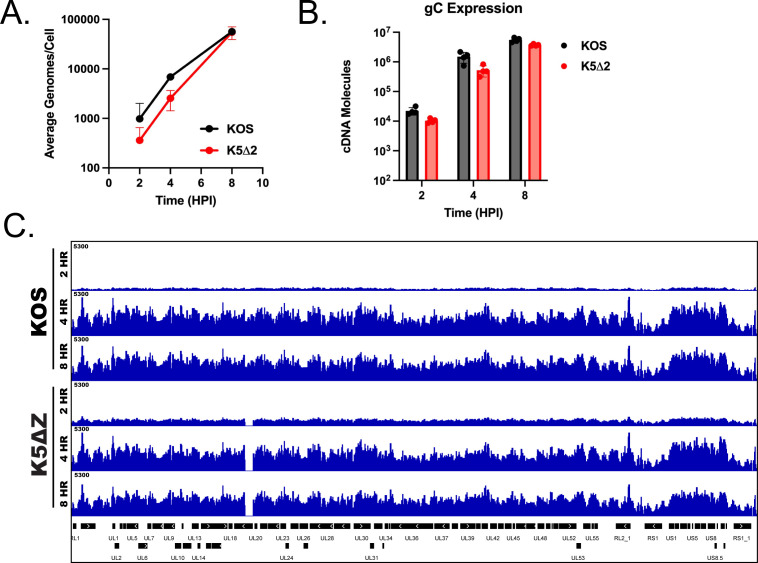 Figure 5
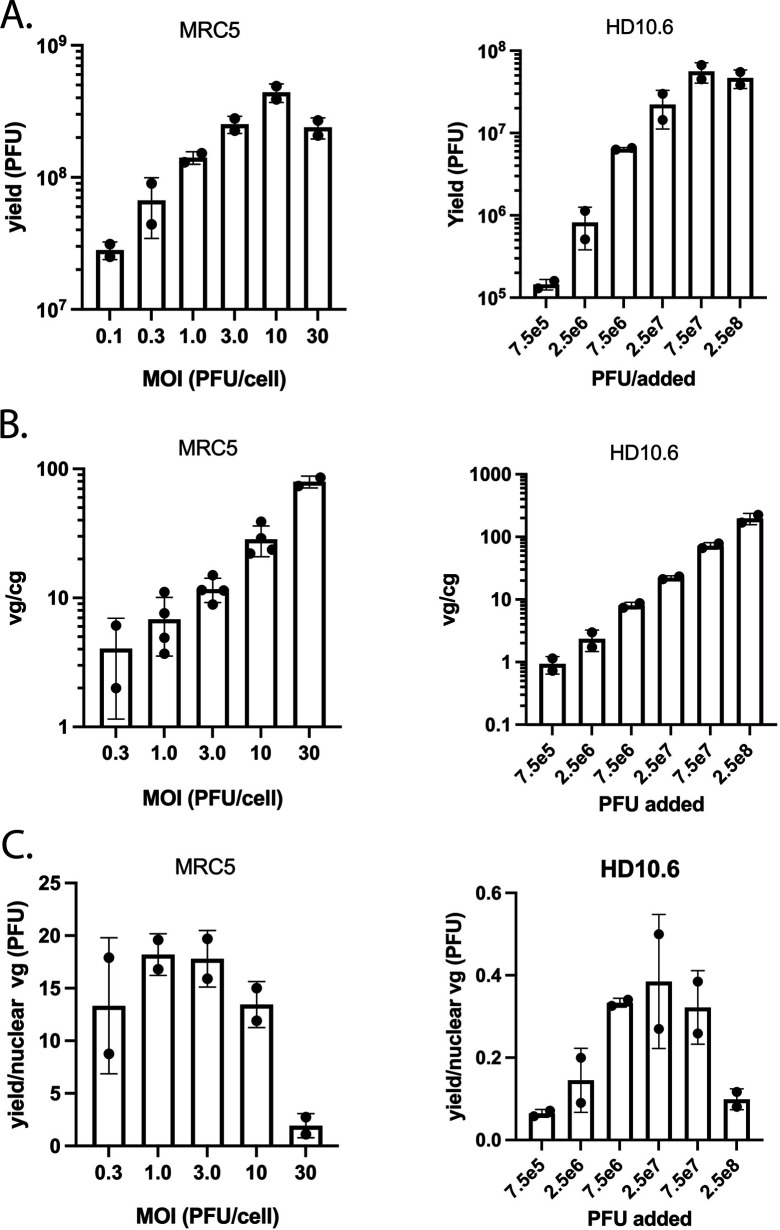 Figure 6
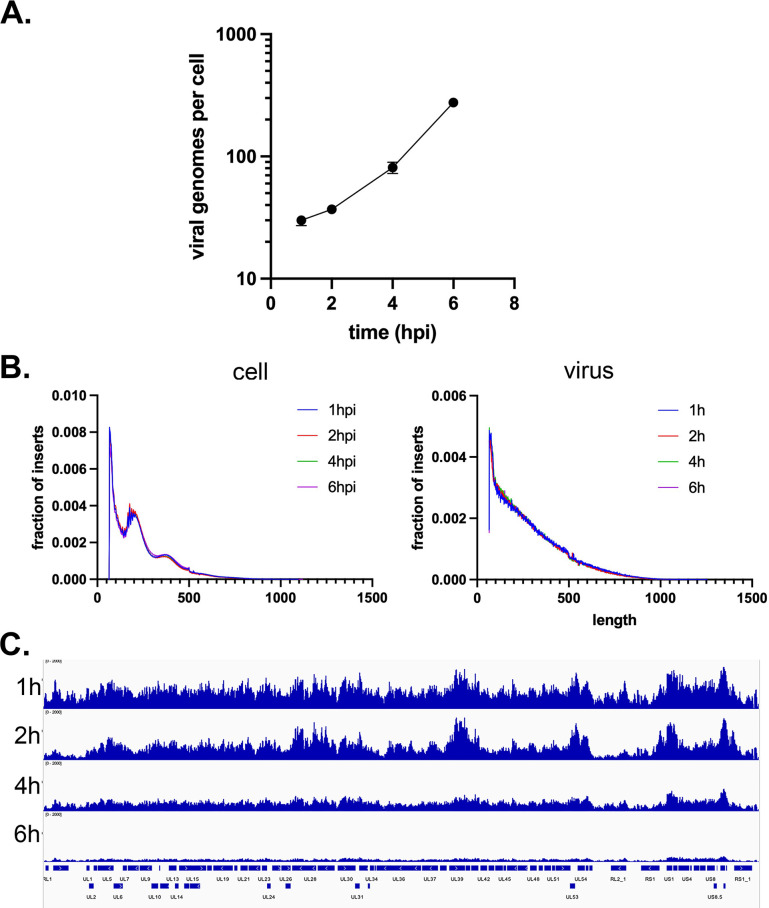 Figure 7
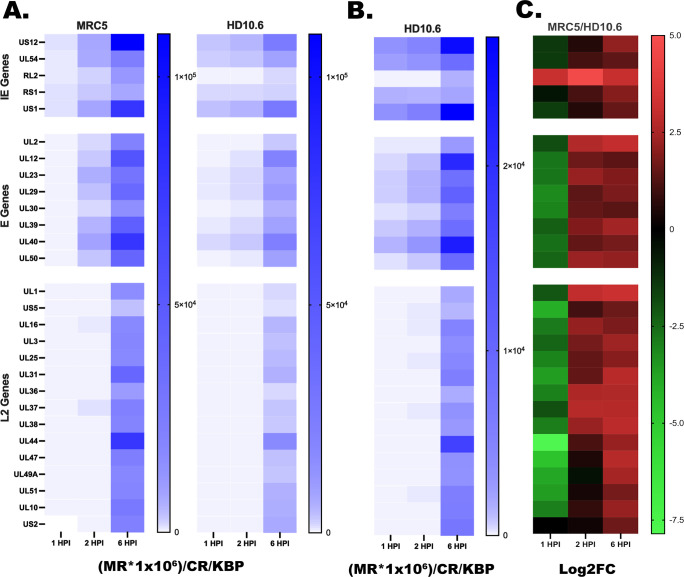 Figure 8
Peer Reviews
No public reviews on file for this paper yet. If you reviewed it on a platform where reviews are public (OpenReview, ICLR, NeurIPS, ICML), you can paste yours below so the community can read it here.
Videos
No videos yet. Explain this paper in a talk, walkthrough, or lecture? Add one.
Taxonomy
TopicsHerpesvirus Infections and Treatments · Poxvirus research and outbreaks · Virus-based gene therapy research