A combination of proviral and antiviral roles of CD11c- and T-bet-expressing B cells defines parameters of chronic murine gammaherpesvirus infection
Erika R. Johansen, Xander G. Bradeen, Emily V. Xie, Bonnie N. Dittel, Elizabeth A. Leadbetter, Vera L. Tarakanova

TL;DR
The study shows how specific B cells contribute to chronic gammaherpesvirus infection and how T-bet expression helps control the virus.
Contribution
The study is the first to identify CD11c+ B cells as a reservoir for latent gammaherpesvirus and reveals the role of T-bet+ B cells in controlling infection.
Findings
CD11c+ B cells, including those with germinal center markers, host the latent gammaherpesvirus reservoir.
B cell-intrinsic T-bet expression reduces the long-term viral reservoir and self-reactive B cell differentiation.
T-bet+ B cells play a key role in controlling chronic gammaherpesvirus infection and related pathogenesis.
Abstract
Gammaherpesviruses are ubiquitous pathogens that establish lifelong infection and are associated with the development of cancer and multiple sclerosis. Unlike other viral families, gammaherpesviruses selectively target B cells to establish chronic infection. Specifically, gammaherpesvirus-driven differentiation of latently infected cells through the germinal center supports chronic infection and seeds viral lymphomagenesis. CD11c+ B cells are induced by most viral infections and are also observed in aged individuals and autoimmune diseases. Classically, CD11c+ B cells differentiate via an extrafollicular pathway that does not involve germinal center response, generating antibodies of beneficial (antiviral) or pathogenic (self-reactive) nature. While CD11c+ B cells are induced during B cell-tropic gammaherpesvirus infection, their role in chronic infection remains poorly defined. Here,…
Genes, proteins, chemicals, diseases, species, mutations and cell lines named across the full text — each resolved to its canonical identifier and authoritative record.
Click any figure to enlarge with its caption.
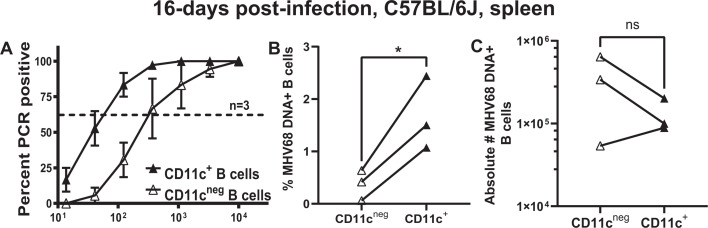 Figure 1
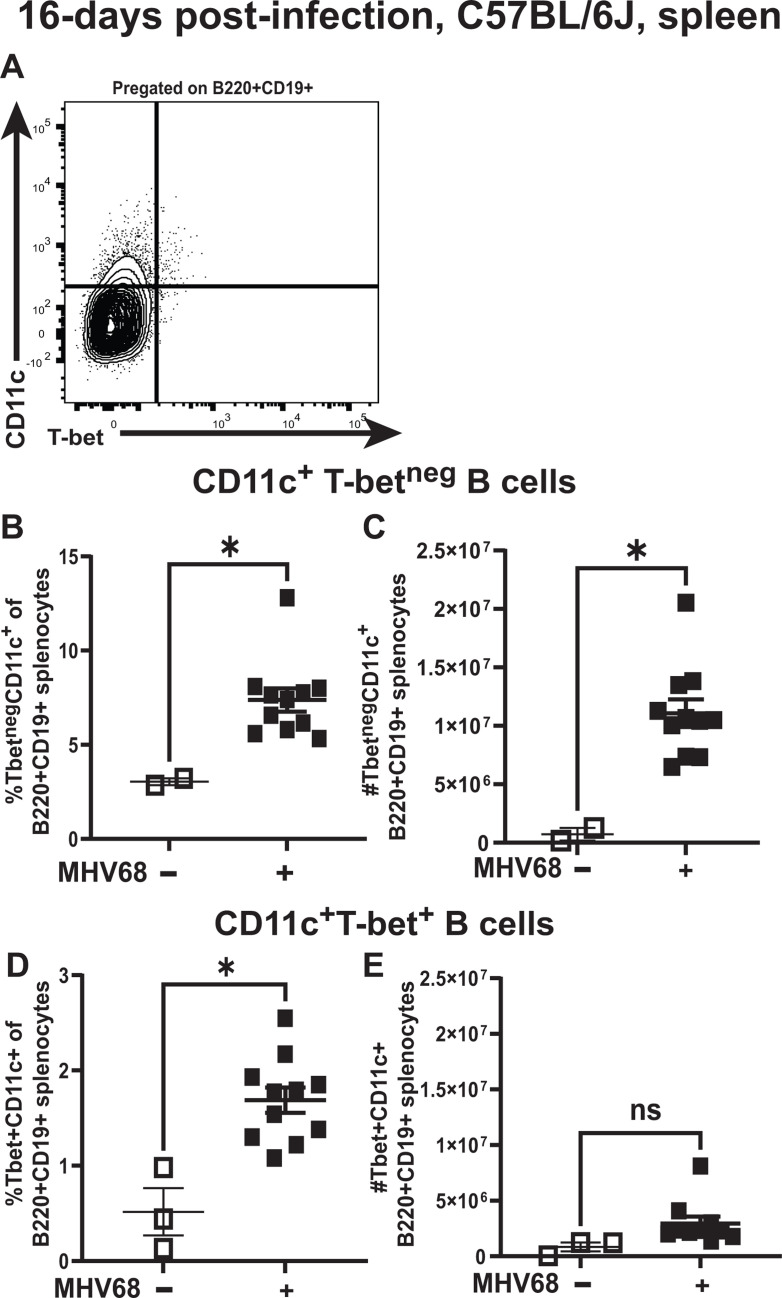 Figure 2
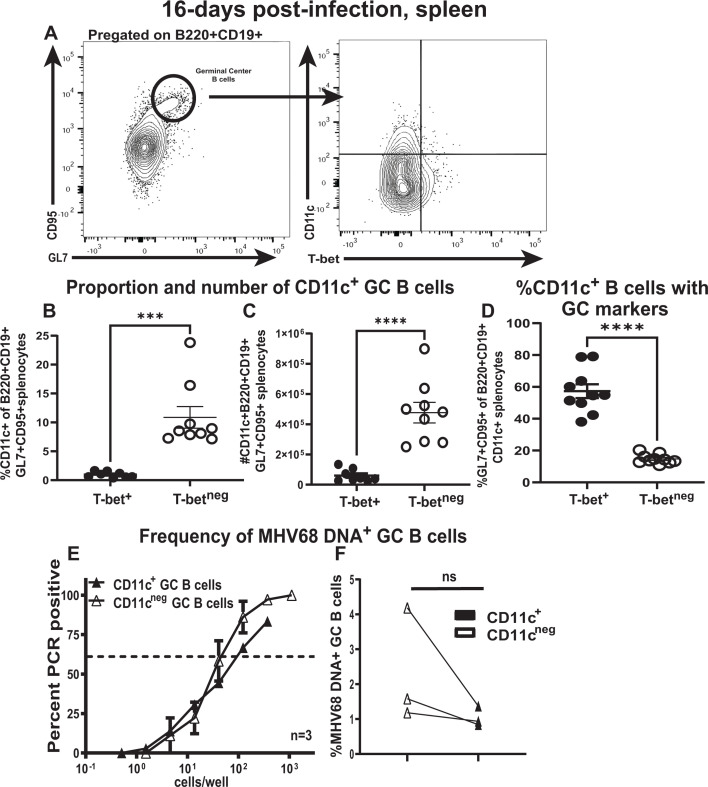 Figure 3
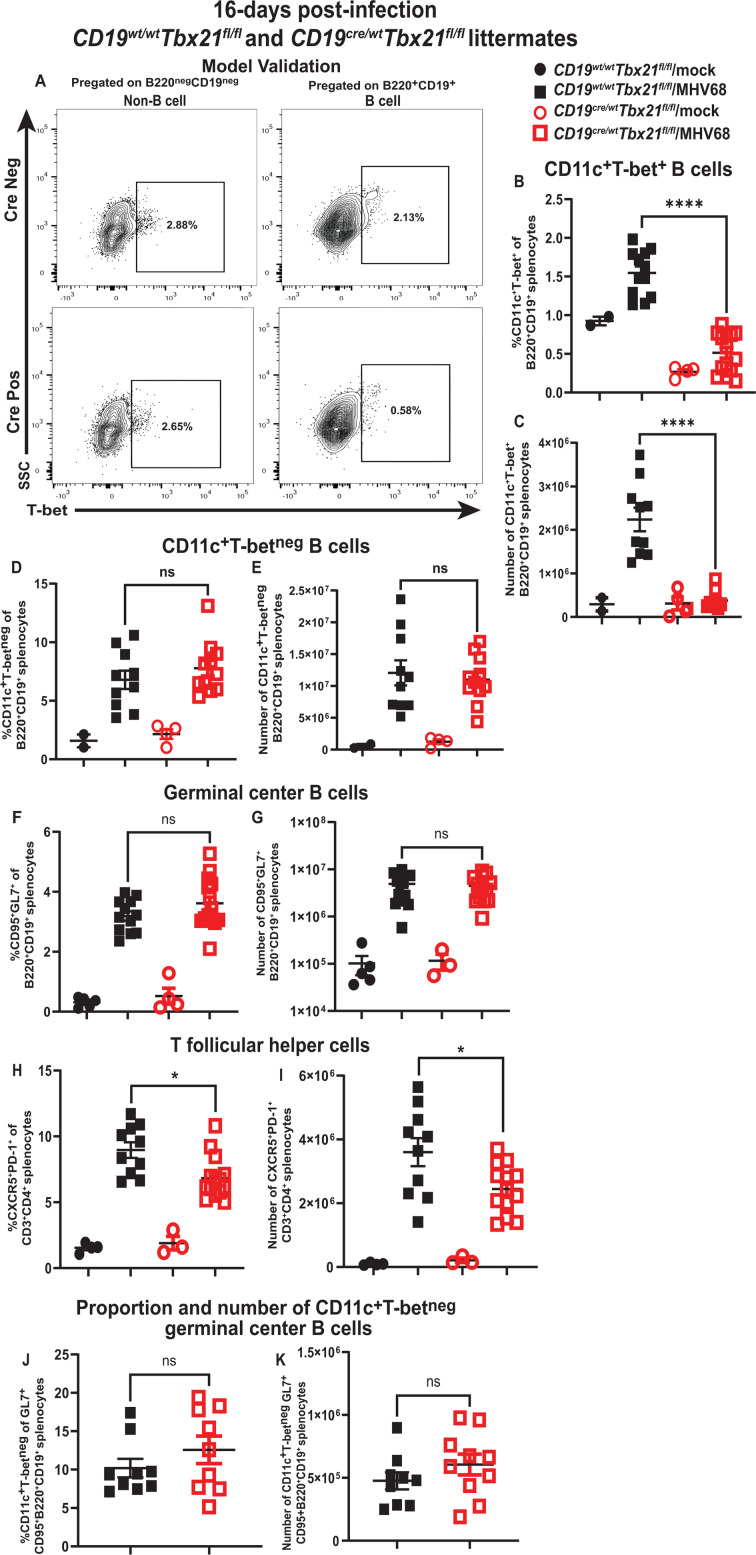 Figure 4
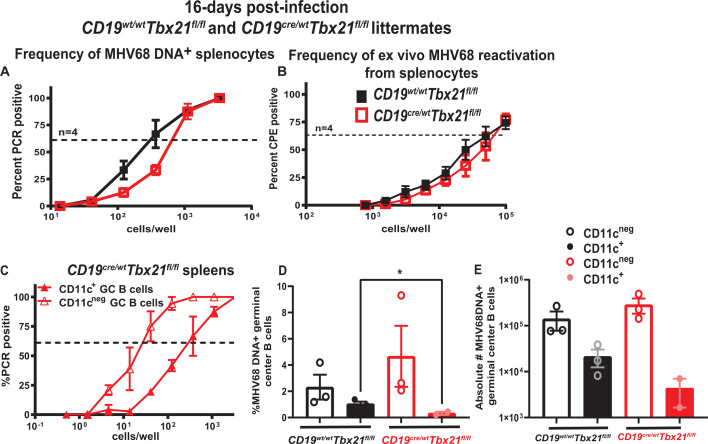 Figure 5
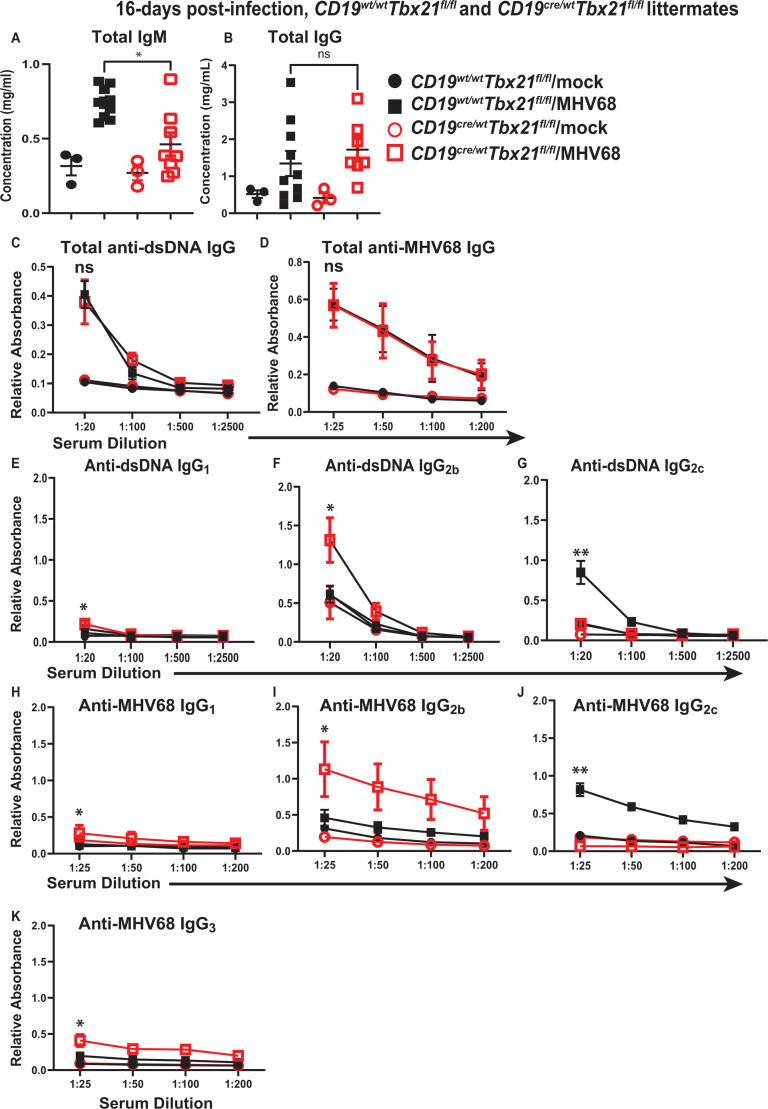 Figure 6
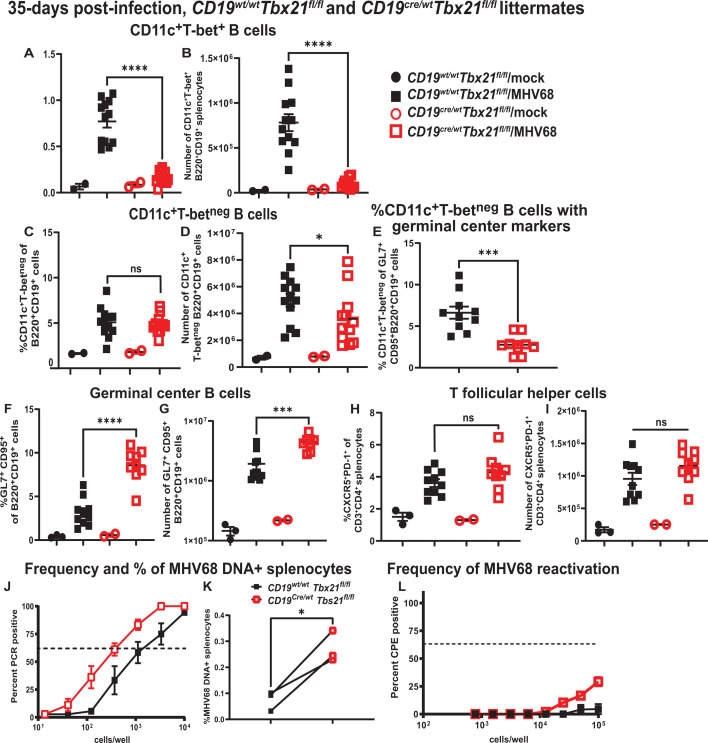 Figure 7
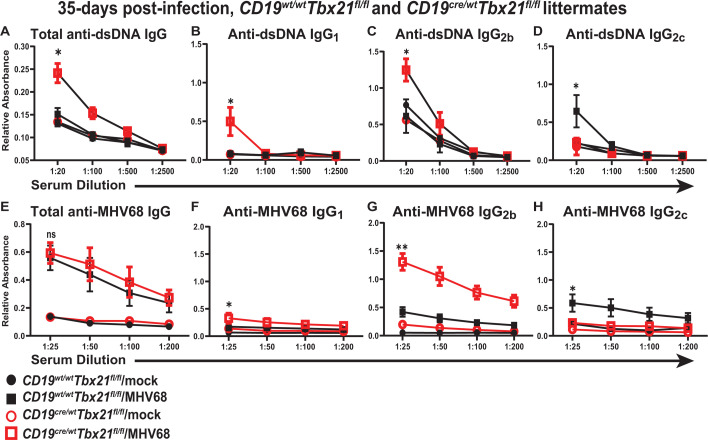 Figure 8
Peer Reviews
No public reviews on file for this paper yet. If you reviewed it on a platform where reviews are public (OpenReview, ICLR, NeurIPS, ICML), you can paste yours below so the community can read it here.
Videos
No videos yet. Explain this paper in a talk, walkthrough, or lecture? Add one.
Taxonomy
TopicsViral-associated cancers and disorders · Cytomegalovirus and herpesvirus research · Immunotherapy and Immune Responses