A minimal cross-kingdom SynCom promotes plant growth and suppresses wheat crown rot via coordinated rhizosphere microbiome remodeling
Qian Zhou, Yuzhou Wang, Tingting Zhou, Kaidiriye Yusupu, Dan Gao, Huixin Zhao, Liufeng Ma

TL;DR
A simple mix of two microbes helps wheat grow better and resist a dangerous disease by changing the soil microbiome and chemical environment.
Contribution
A minimal cross-kingdom SynCom is shown to suppress wheat crown rot and promote growth via coordinated microbiome and metabolome remodeling.
Findings
The SynCom significantly suppressed wheat crown rot and enhanced wheat growth under pathogen pressure.
SynCom inoculation enriched beneficial microbes and reduced pathogen-associated fungi in the rhizosphere.
Metabolomic analysis revealed accumulation of growth-promoting and defense-related compounds.
Abstract
Wheat crown rot (WCR) caused by Fusarium pseudograminearum threatens wheat productivity, and sustainable control strategies are urgently needed. We constructed a minimal cross-kingdom synthetic community (SynCom) consisting of Trichoderma harzianum T19 and Bacillus rugosus PM16, and evaluated its effects on wheat growth and WCR suppression. Rhizosphere microbiome assembly (full-length 16S rRNA/ITS sequencing) and metabolomic shifts were assessed to elucidate mechanisms. The SynCom significantly suppressed WCR and promoted wheat growth under pathogen pressure, improving biomass, chlorophyll content, and yield-related traits. SynCom inoculation remodeled the rhizosphere microbiome by enriching beneficial taxa (e.g., Mortierella) and reducing pathogen-associated fungi, and it enhanced rhizosphere enzyme activities and nutrient availability. Metabolomics revealed accumulation of…
Genes, proteins, chemicals, diseases, species, mutations and cell lines named across the full text — each resolved to its canonical identifier and authoritative record.
Click any figure to enlarge with its caption.
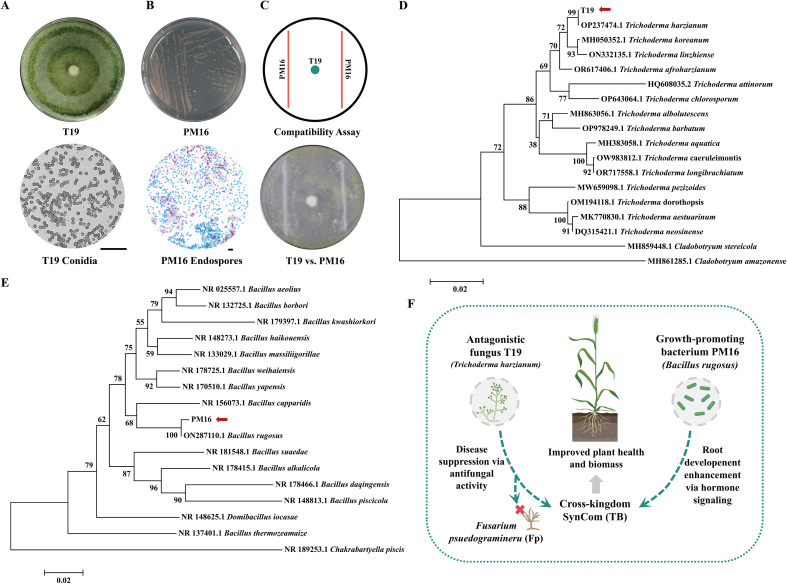 Figure 1
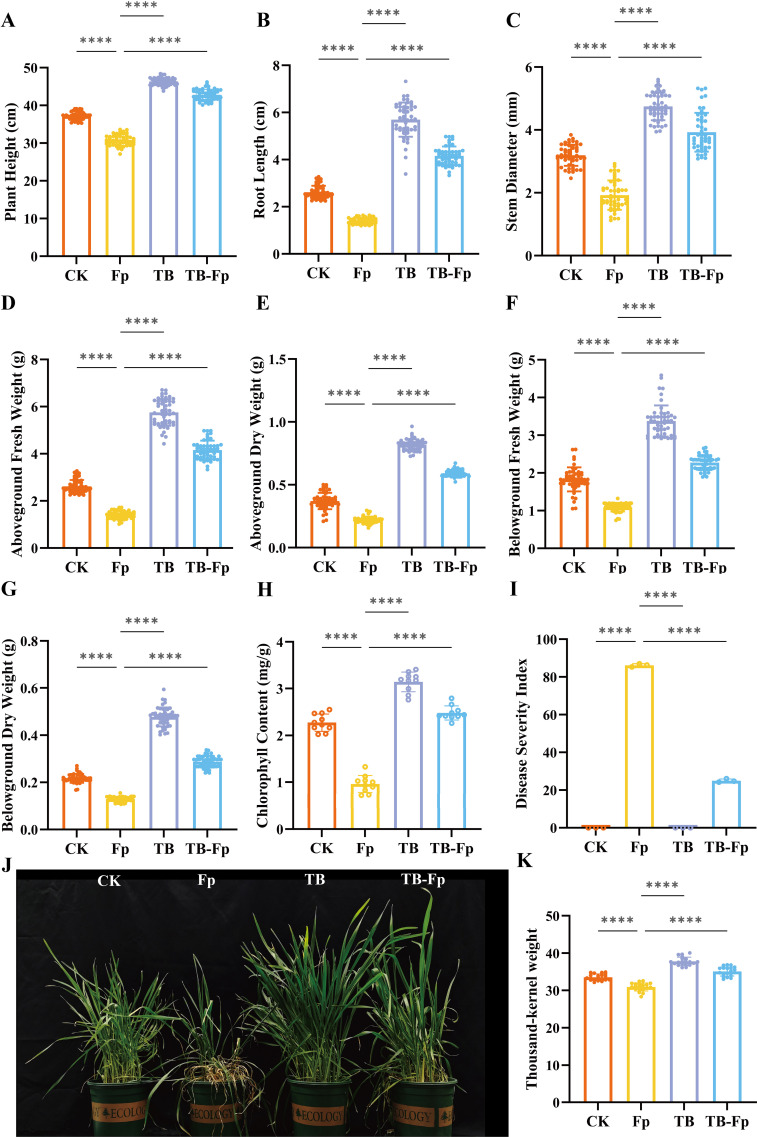 Figure 2
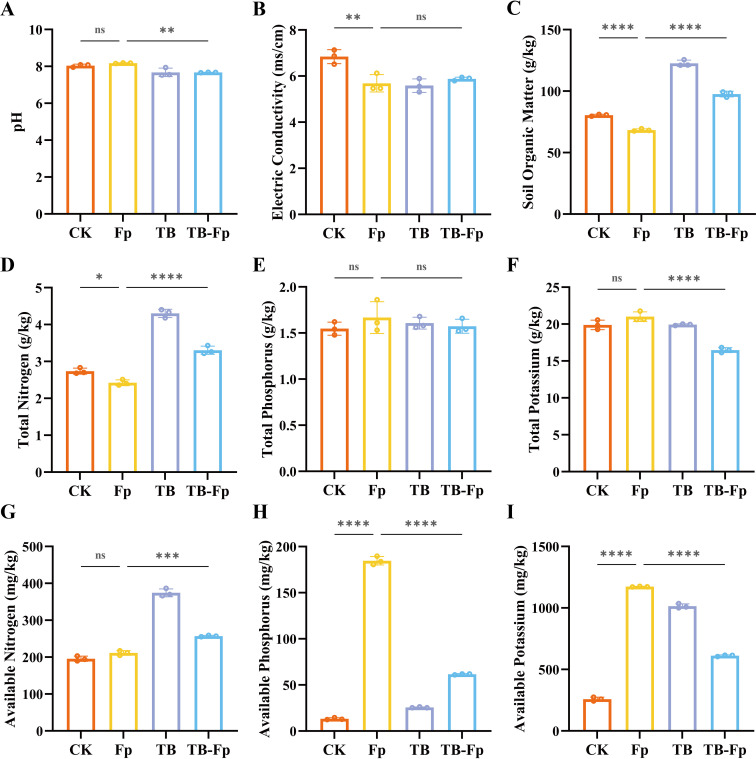 Figure 3
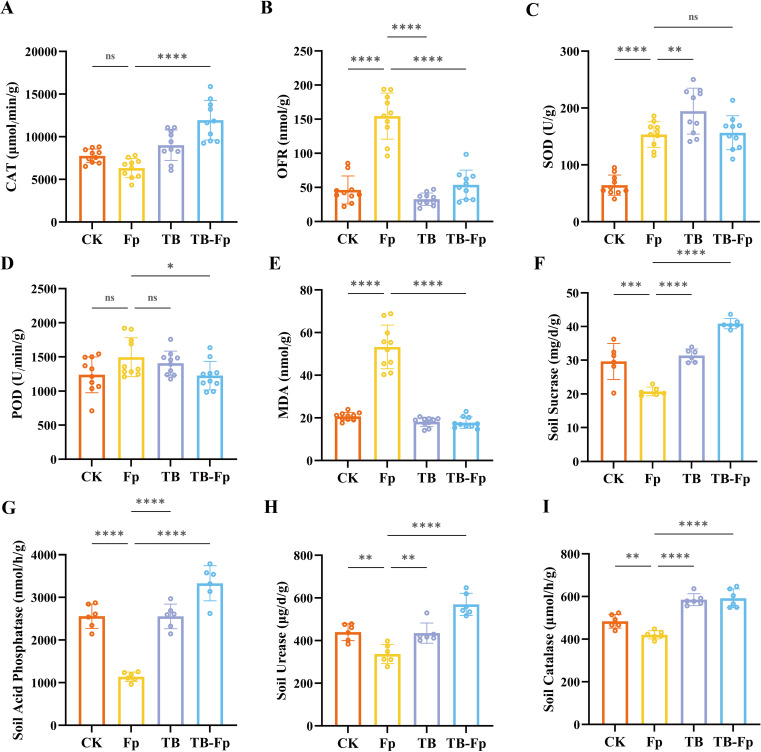 Figure 4
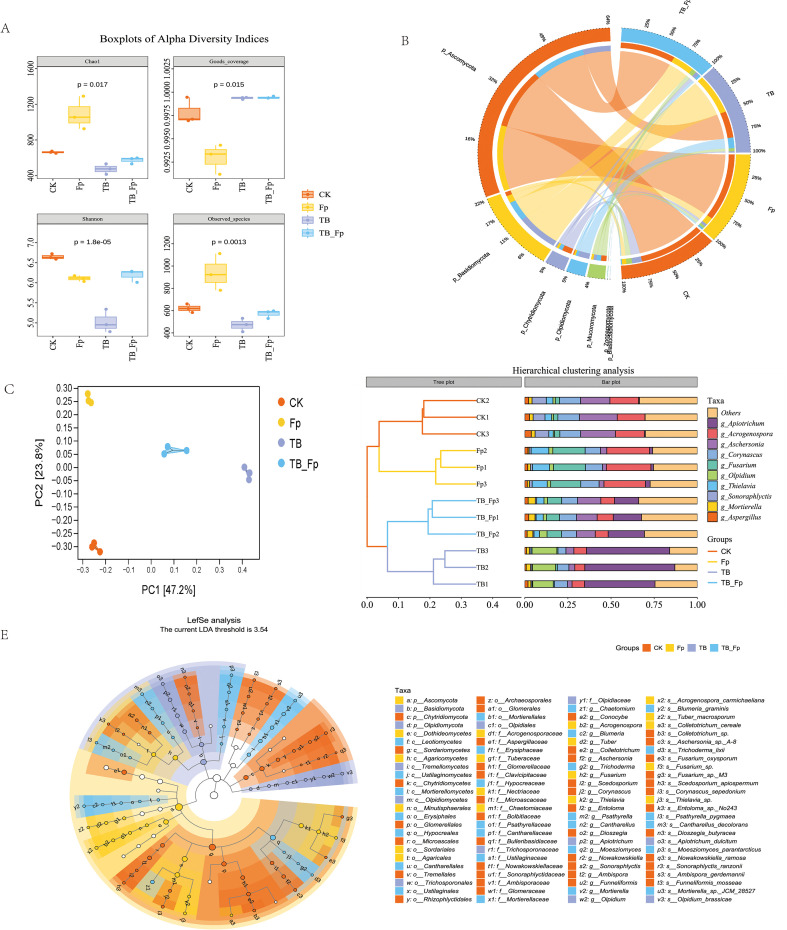 Figure 5
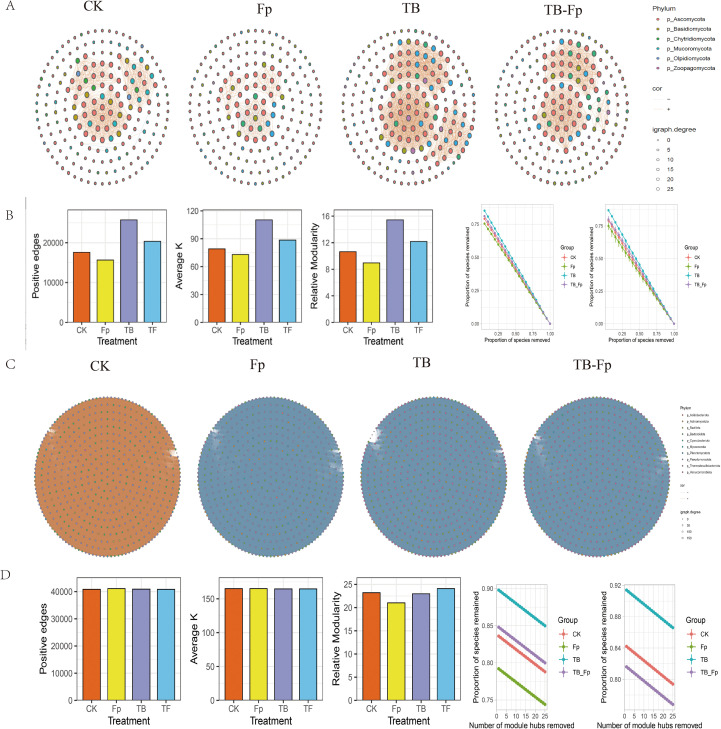 Figure 6
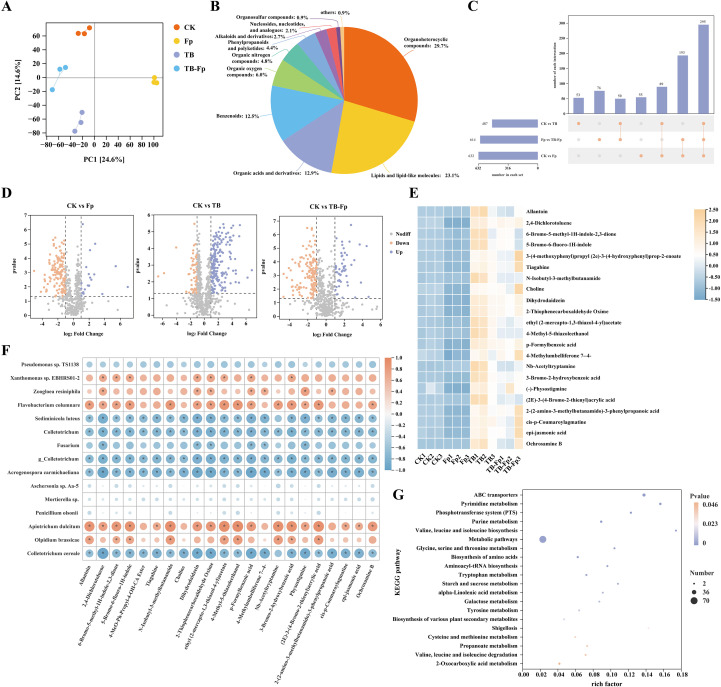 Figure 7
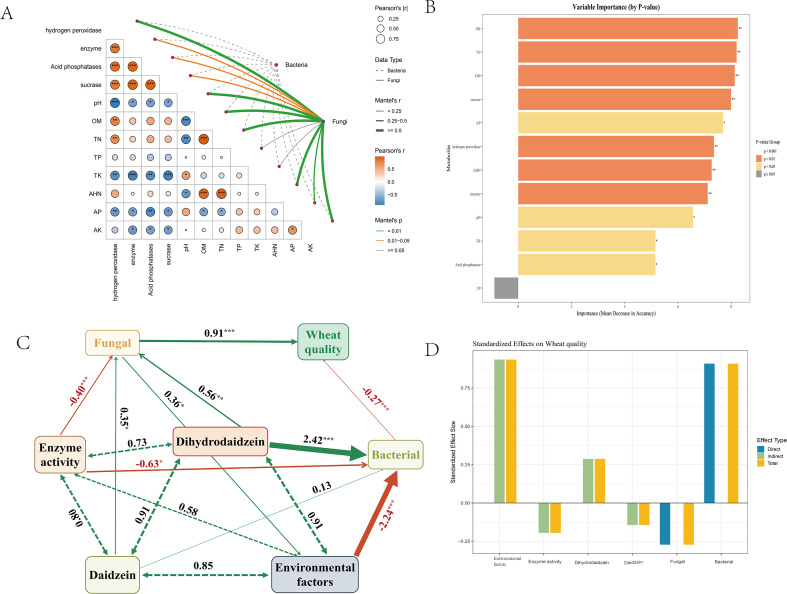 Figure 8
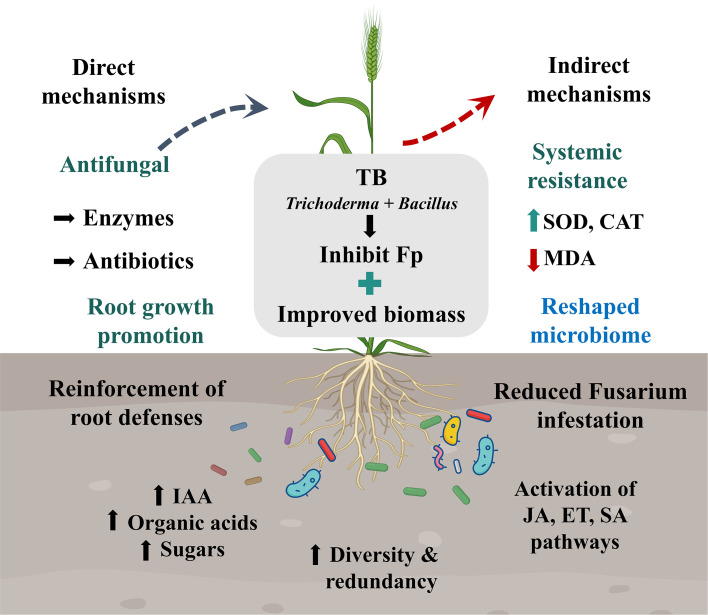 Figure 9
Peer Reviews
No public reviews on file for this paper yet. If you reviewed it on a platform where reviews are public (OpenReview, ICLR, NeurIPS, ICML), you can paste yours below so the community can read it here.
Videos
No videos yet. Explain this paper in a talk, walkthrough, or lecture? Add one.
Taxonomy
TopicsPlant-Microbe Interactions and Immunity · Mycorrhizal Fungi and Plant Interactions · Microbial Natural Products and Biosynthesis