Uni-hemispheric dual-site anodal tDCS (M1-DLPFC) for upper limb motor function and spasticity in chronic stroke: a randomized clinical trial
Kamran Ezzati, Sofia Naghdi, Iraj Abdollahi, Somaye Azarnia, Shapoor Jaberzade

TL;DR
This study tested a brain stimulation method to improve arm function in stroke survivors but found no significant benefits compared to a control group.
Contribution
The study evaluated the effectiveness of dual-site tDCS targeting M1 and DLPFC in chronic stroke patients for the first time.
Findings
Dual-site a-tDCS did not significantly improve upper limb motor function in chronic stroke patients.
No significant differences were found between dual-site and single-site a-tDCS in motor recovery outcomes.
The intervention was safe but not more effective than the sham control group.
Abstract
Upper extremity impairment significantly affects motor function and quality of life after stroke. This study investigated the safety and efficacy of a non-invasive brain stimulation approach, uni-hemispheric concurrent dual-site anodal transcranial direct current stimulation (a-tDCS) targeting the primary motor cortex (M1) and dorsolateral prefrontal cortex (DLPFC), to improve upper extremity performance in chronic stroke. This double-blind, randomized, sham-controlled study involved 38 chronic stroke patients to evaluate the safety and efficacy of uni-hemispheric concurrent dual-site anodal transcranial direct current stimulation (a-tDCS). Participants were randomly assigned to one of two groups: experimental group 1 (a-tDCS at 2 mA targeting M1 and DLPFC concurrently) or experimental group 2 (active a-tDCS at 2 mA over M1 with sham stimulation over DLPFC), with each receiving 20-min…
Genes, proteins, chemicals, diseases, species, mutations and cell lines named across the full text — each resolved to its canonical identifier and authoritative record.
Click any figure to enlarge with its caption.
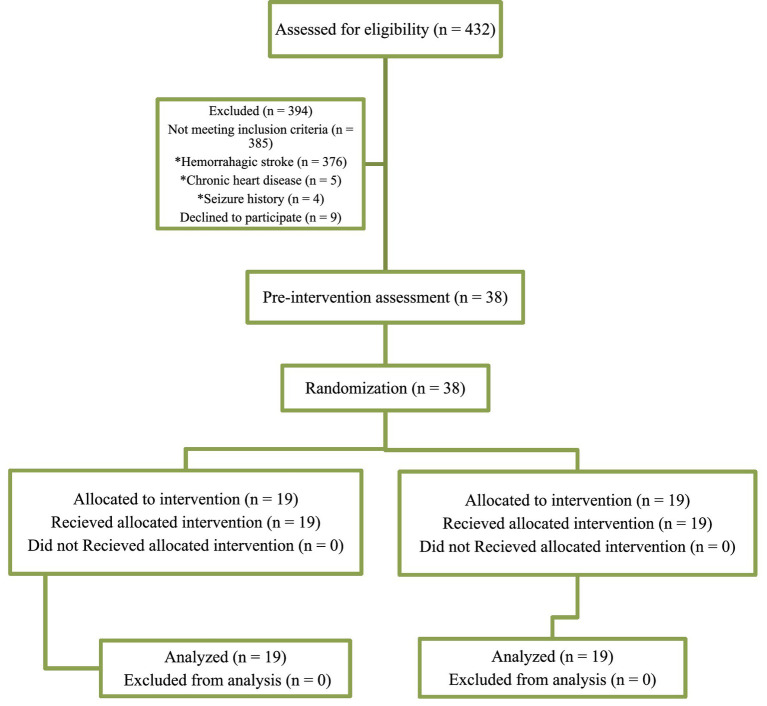 Figure 1
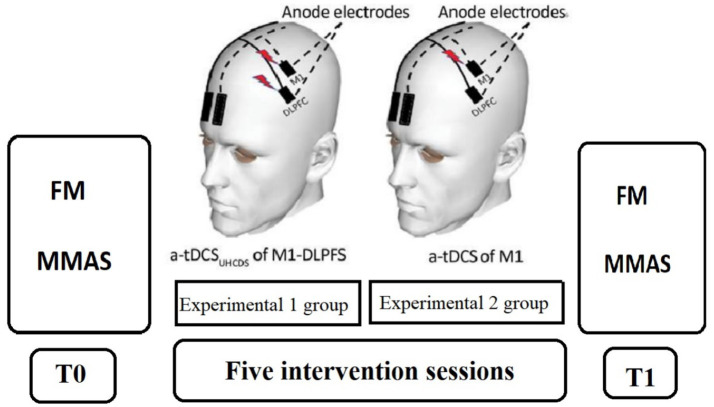 Figure 2
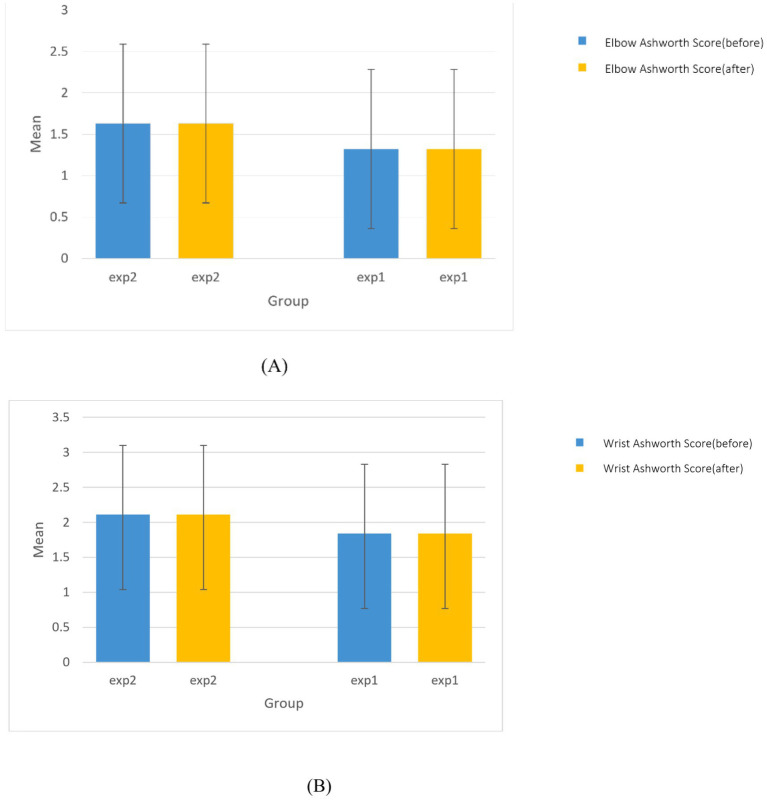 Figure 3
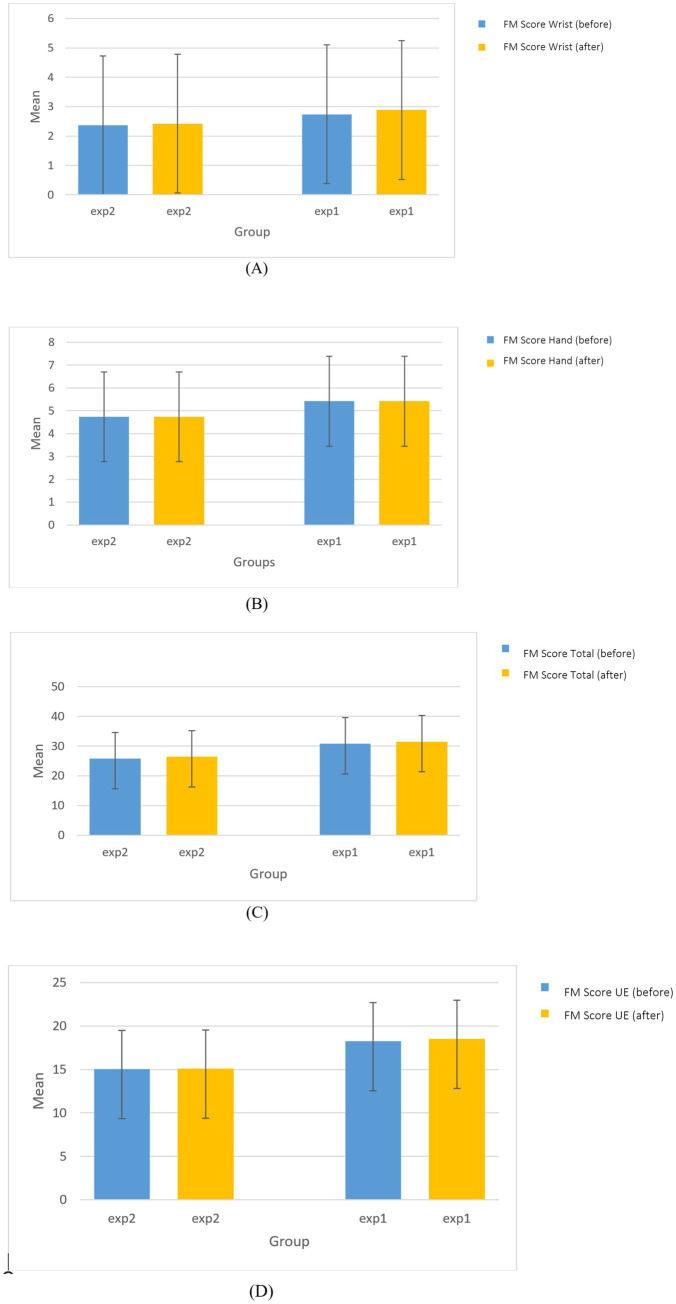 Figure 4
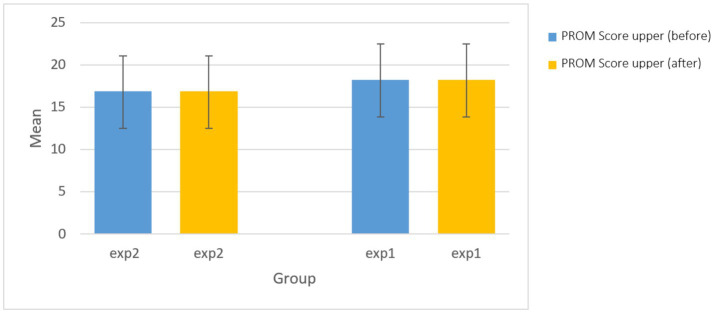 Figure 5
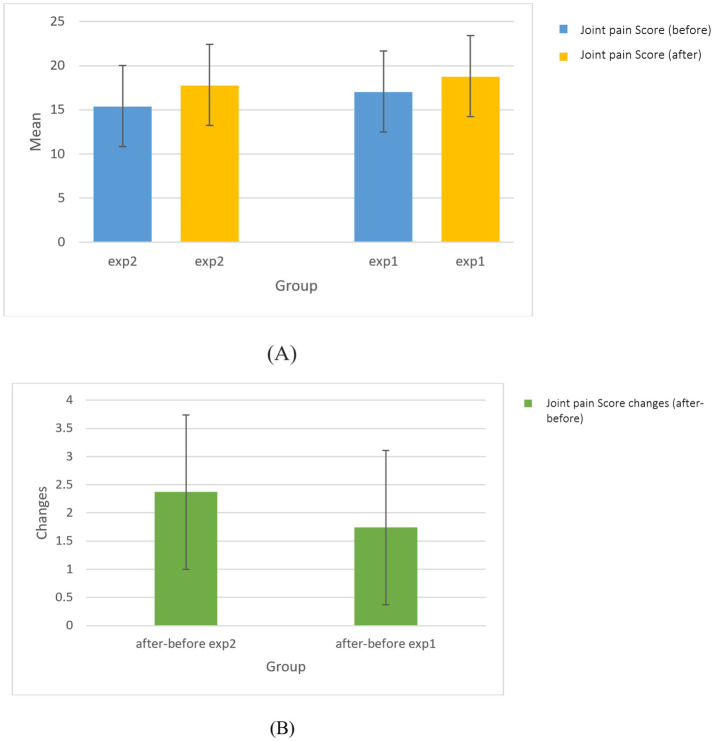 Figure 6
Peer Reviews
No public reviews on file for this paper yet. If you reviewed it on a platform where reviews are public (OpenReview, ICLR, NeurIPS, ICML), you can paste yours below so the community can read it here.
Videos
No videos yet. Explain this paper in a talk, walkthrough, or lecture? Add one.
Taxonomy
TopicsTranscranial Magnetic Stimulation Studies · Stroke Rehabilitation and Recovery · Spatial Neglect and Hemispheric Dysfunction