Multi-omics analysis reveals structural and transcriptional regulation specificity underlying differential benzylisoquinoline alkaloid accumulation in Coptis
Xufang Tian, Siyu Yang, Siyu Wang, Wei Li, Guofeng Li, Shi Zhang, Jin Wang, Di Liu, Yifei Liu

TL;DR
This study compares two Coptis species to understand why one accumulates more medicinal compounds than the other, using multi-omics techniques.
Contribution
The study provides the first integrated anatomical and transcriptional framework explaining interspecies differences in BIA accumulation.
Findings
C. chinensis shows significantly higher BIA accumulation in rhizomes compared to C. teeta.
BIA localization in C. chinensis is preferential to cortical tissues, linked to structural specialization.
Key transcription factors were identified that regulate BIA accumulation in C. chinensis.
Abstract
Coptis species are rich in protoberberine-type benzylisoquinoline alkaloids (BIAs). However, the differential BIA accumulation between Coptis chinensis and C. teeta, two primary botanical sources of traditional Chinese medicine ‘Huanglian’, remains mechanistically poorly understood. Here, we combined widely targeted metabolomics, matrix-assisted laser desorption/ionization mass spectrometry imaging, histological characterization, and transcriptomic analyses to investigate the mechanisms underlying the specialized BIA accumulation in C. chinensis versus C. teeta. Clearly, we observed significantly elevated BIA accumulation in C. chinensis rhizomes compared to C. teeta, in particular, the preferential BIA localization within the cortical tissues of C. chinensis rhizomes, consistent with the anatomically expanded cortical and xylem regions. This structural specialization facilitates BIA…
Genes, proteins, chemicals, diseases, species, mutations and cell lines named across the full text — each resolved to its canonical identifier and authoritative record.
Click any figure to enlarge with its caption.
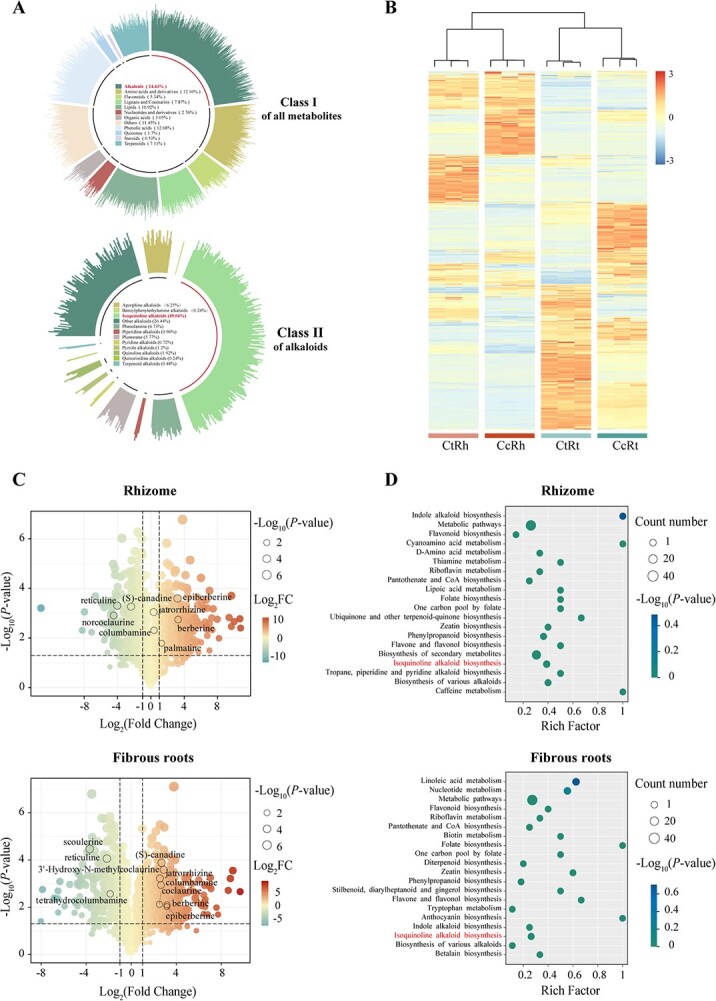 Figure 1
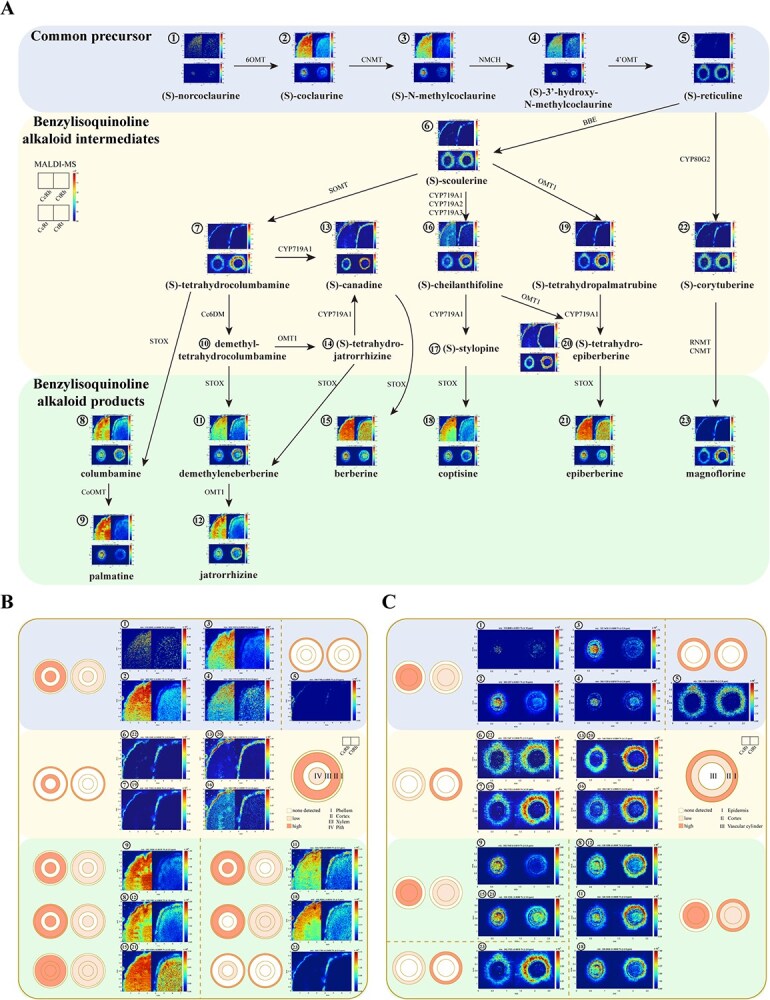 Figure 2
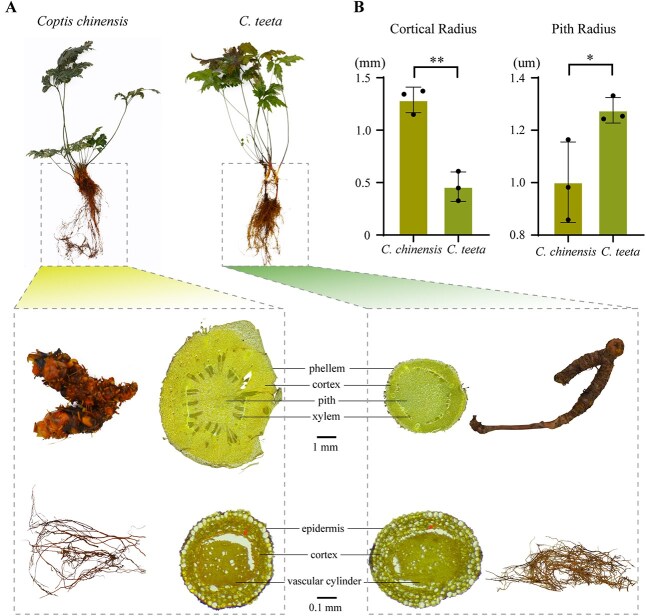 Figure 3
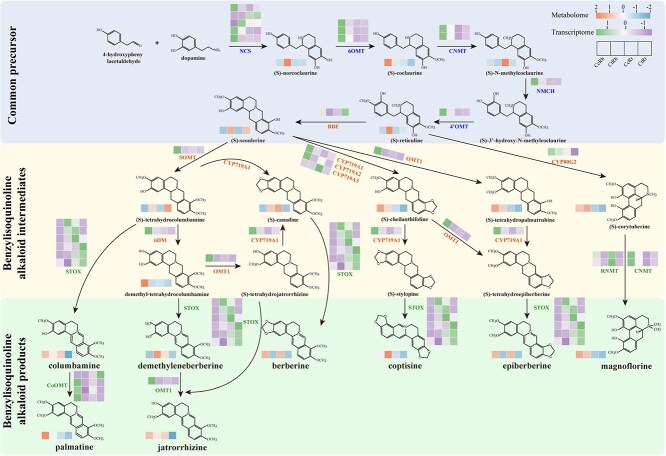 Figure 4
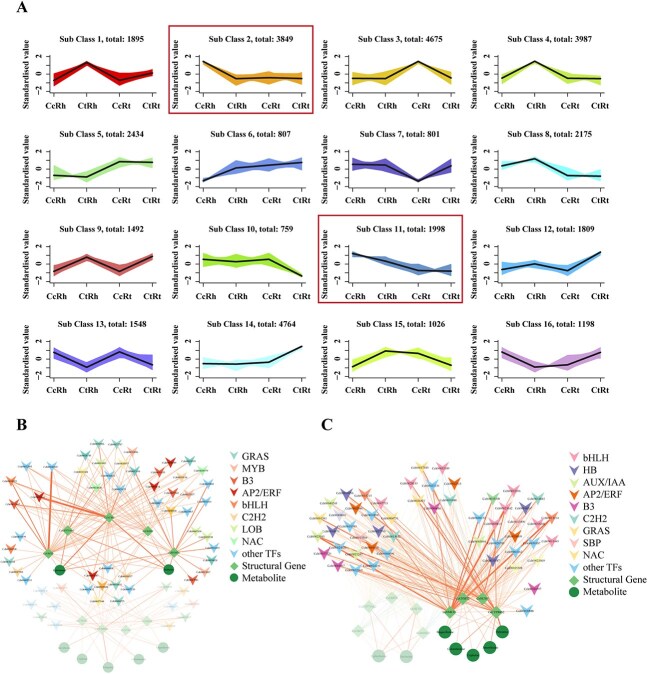 Figure 5
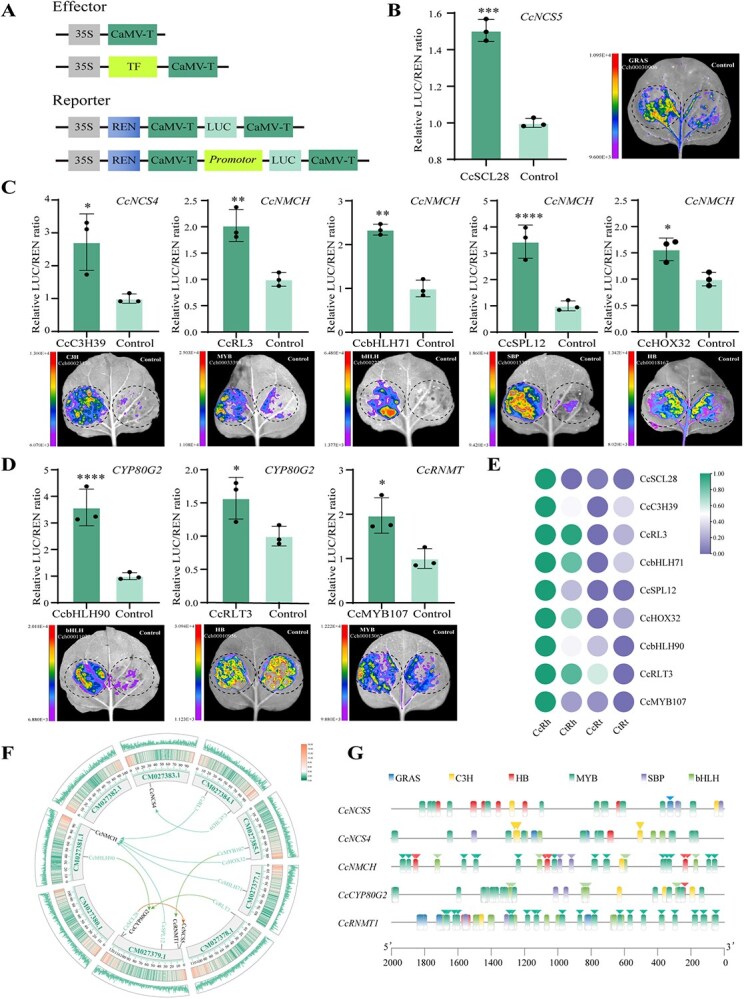 Figure 6
Peer Reviews
No public reviews on file for this paper yet. If you reviewed it on a platform where reviews are public (OpenReview, ICLR, NeurIPS, ICML), you can paste yours below so the community can read it here.
Videos
No videos yet. Explain this paper in a talk, walkthrough, or lecture? Add one.
Taxonomy
TopicsBerberine and alkaloids research · Silymarin and Mushroom Poisoning · Plant-based Medicinal Research