A haplotype-resolved chromosome-level genome assembly of autotetraploid Chinese yam (Dioscorea polystachya) elucidates dioscin biosynthesis and regulation
Nan Shan, Yao Xiao, Tianyao Li, Putao Wang, Asjad Ali, Jingyu Sun, Shenglin Wang, Qianglong Zhu, Tianxu Cao, Sha Luo, Jiali Lin, Zihao Li, Qinghong Zhou, Yingjin Huang

TL;DR
Researchers created a detailed genome map for Chinese yam, revealing how it produces a key medicinal compound called dioscin.
Contribution
A high-quality, haplotype-resolved genome assembly of autotetraploid Chinese yam and identification of genes regulating dioscin biosynthesis.
Findings
A chromosome-level genome assembly of D. polystachya was created, anchored to 80 chromosomes across four haplotypes.
The Dp7-DR gene and DpbZIP12 transcription factor were identified as key regulators of dioscin accumulation in tubers.
Overexpression of Dp7-DR or DpbZIP12 increases dioscin levels while reducing cholesterol in yam tubers.
Abstract
Chinese yam (Dioscorea polystachya) is extensively cultivated for nutritional and medicinal applications. However, the lack of a high-quality reference genome has hindered molecular genetic analysis and breeding advancements. Here, we present a haplotype-resolved chromosome-level assembly for this autotetraploid species, featuring a 1.56-Gb genome anchored to 80 chromosomes across four haplotypes and comprising 95 668 protein-coding genes. Following divergence from Dioscorea alata about 4.64 million years ago (Mya), D. polystachya underwent a specific whole-genome duplication ~1.42 Mya, resulting in an autotetraploid species without subgenomic dominance. Notably, the biosynthetic pathway genes of dioscin, an important steroidal saponin primarily accumulating in tubers, were generally over-retained in D. polystachya compared to the diploid species D. alata. Of these genes,…
Genes, proteins, chemicals, diseases, species, mutations and cell lines named across the full text — each resolved to its canonical identifier and authoritative record.
Click any figure to enlarge with its caption.
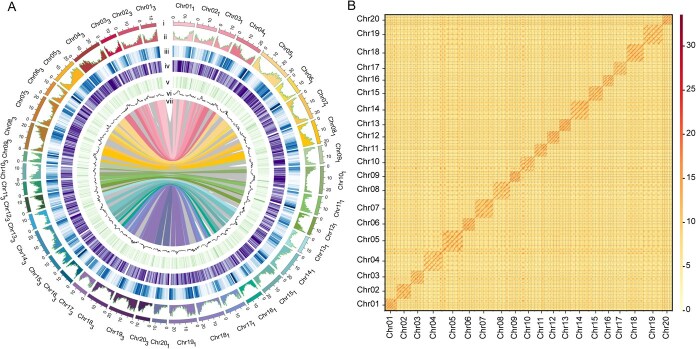 Figure 1
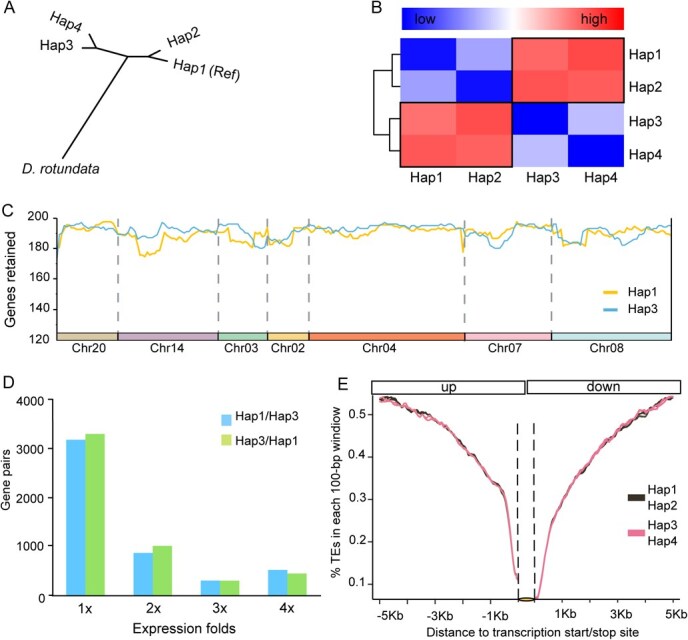 Figure 2
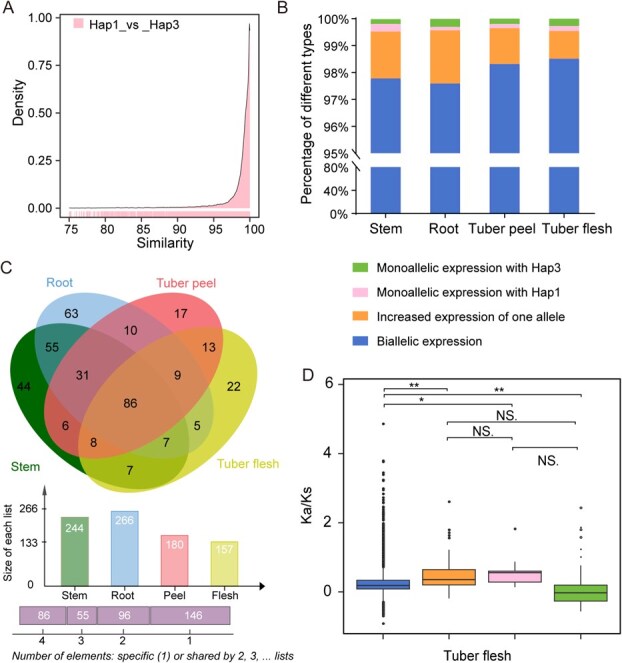 Figure 3
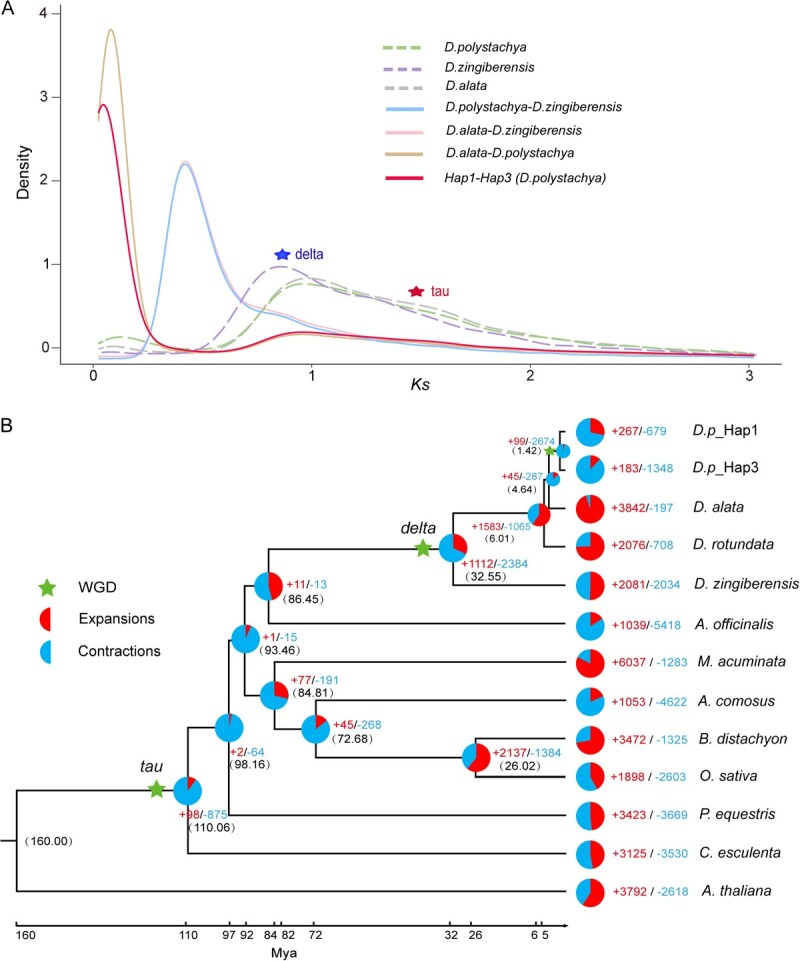 Figure 4
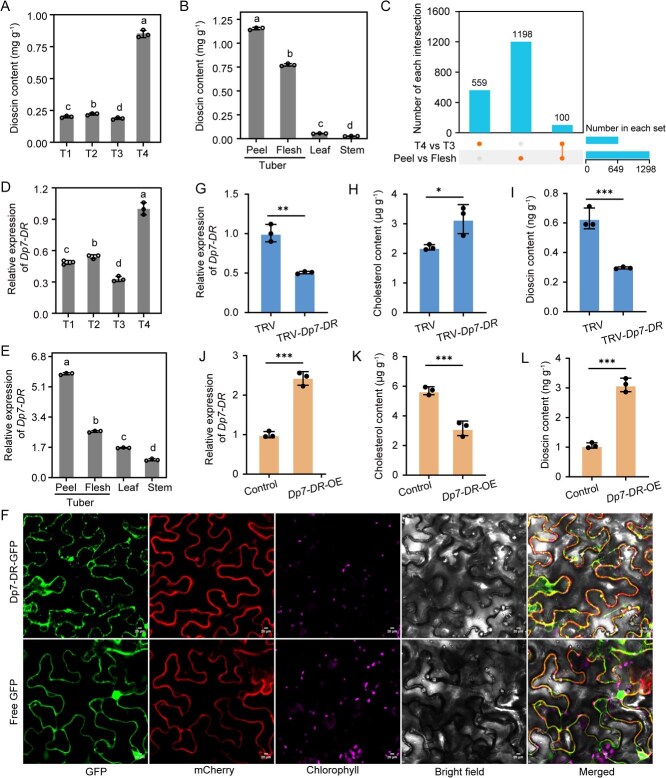 Figure 5
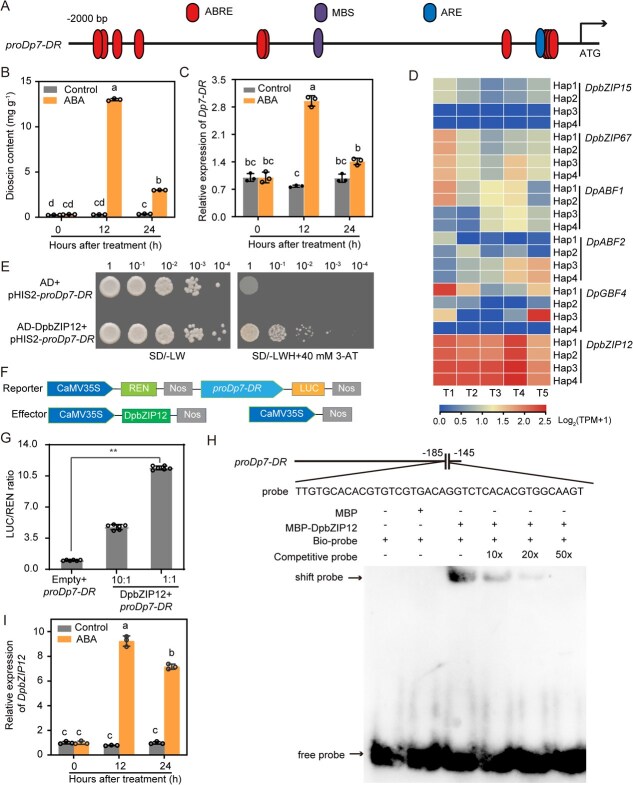 Figure 6
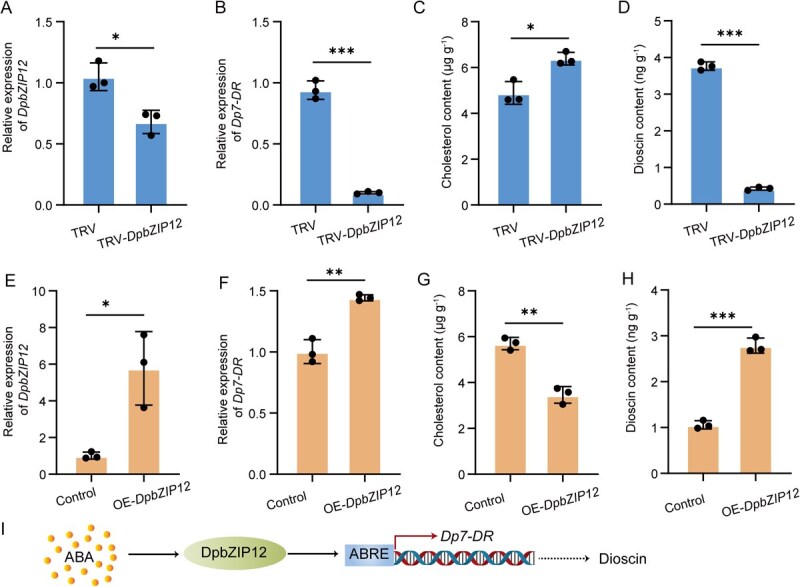 Figure 7
Peer Reviews
No public reviews on file for this paper yet. If you reviewed it on a platform where reviews are public (OpenReview, ICLR, NeurIPS, ICML), you can paste yours below so the community can read it here.
Videos
No videos yet. Explain this paper in a talk, walkthrough, or lecture? Add one.
Taxonomy
TopicsPhytochemical Studies and Bioactivities · Potato Plant Research · Natural Products and Biological Research