Synergistic Effects of Compound Dendrobium Candidum and Antihypertensive Medications on Refractory Hypertension in Spontaneously Hypertensive Rats
Xiaoyu Chen, Cheng Tong, Jie Wang, Yue Wu, Tuo Feng, Jing Wang, Zedong Gong, Yingzhi Chen, Shiyong Chen, Xiaoming Jin, Sisi Chen, Zhongxiu Guo, Xuan Chen, Zeming Ren, Guanhai Dai, Yeling Tong, Xiyu Mei, Renzhao Wu, Xiaomin Xue

TL;DR
This study shows that combining a herbal compound with blood pressure medications can effectively treat hard-to-control hypertension in rats.
Contribution
The study introduces a novel synergistic treatment for refractory hypertension using a herbal compound and conventional drugs.
Findings
CDC combined with antihypertensive drugs achieved 100% blood pressure target success in refractory hypertensive rats.
CDC reduced the compensatory increase in AT1R and AT2R levels caused by antihypertensive drugs.
CDC treatment lowered mRNA and protein expression of AT1R and AT2R in glomerular endothelial cells.
Abstract
Compound dendrobium candidum (CDC) is formulated from Dendrobium candidum and fragrant peony. Preliminary studies have demonstrated that the combination of CDC with conventional antihypertensive medications exhibits significant synergistic effects in lowering blood pressure. The objective of this study was to evaluate the synergistic effect of combining CDC with antihypertensive medications on refractory hypertension in spontaneously hypertensive rats (SHRs) and to elucidate the underlying mechanisms involved. SHRs were treated with either CDC alone or CDC combined with two or three antihypertensive agents including irbesartan, amlodipine, or terazosin, for a duration of 6 weeks. The alterations in blood pressure, angiotensin II (Ang II), insulin, blood sugar, angiotensin II type I receptor (AT1R), angiotensin II type II receptor (AT2R), insulin receptor, insulin α receptor, and…
Genes, proteins, chemicals, diseases, species, mutations and cell lines named across the full text — each resolved to its canonical identifier and authoritative record.
Click any figure to enlarge with its caption.
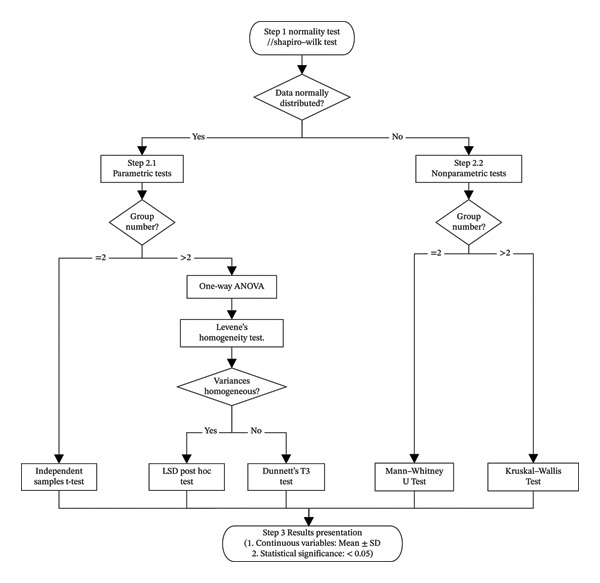 Figure 1
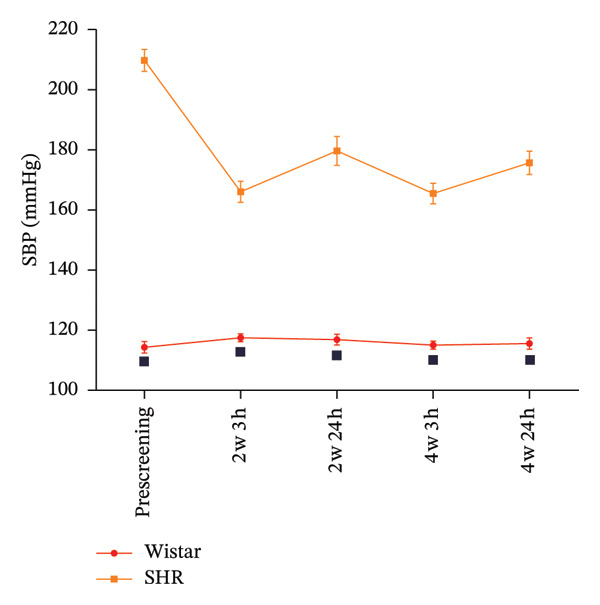 Figure 2
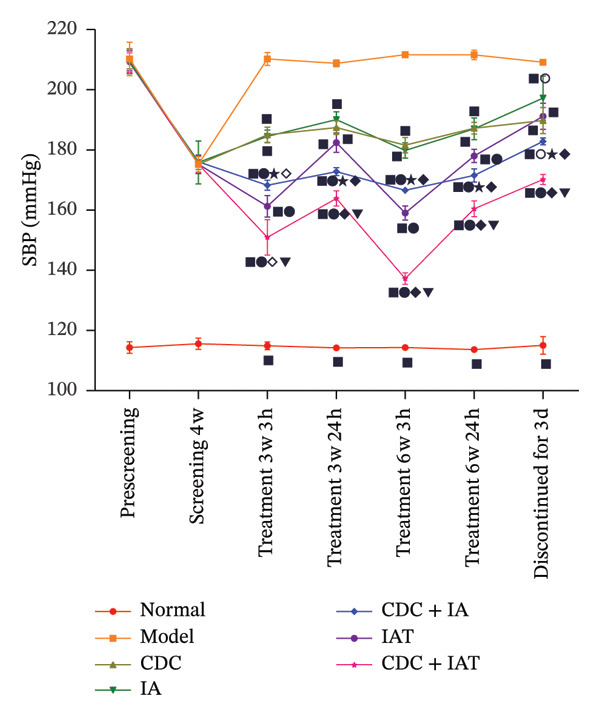 Figure 3
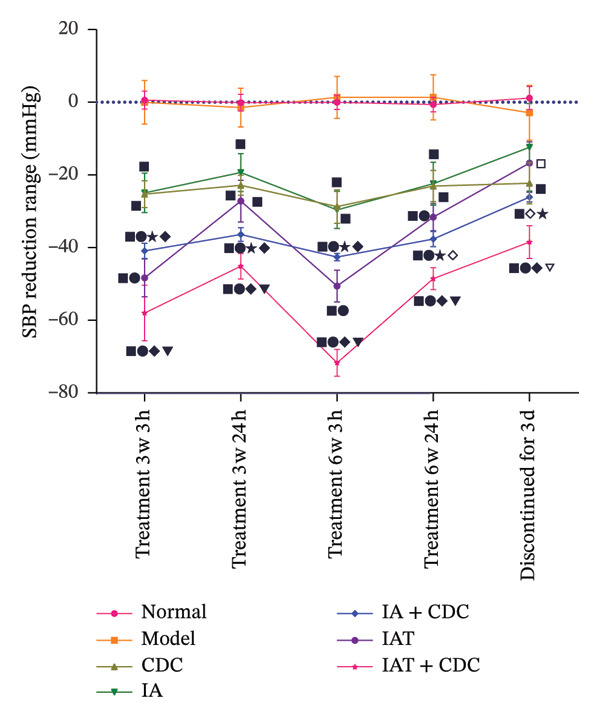 Figure 4
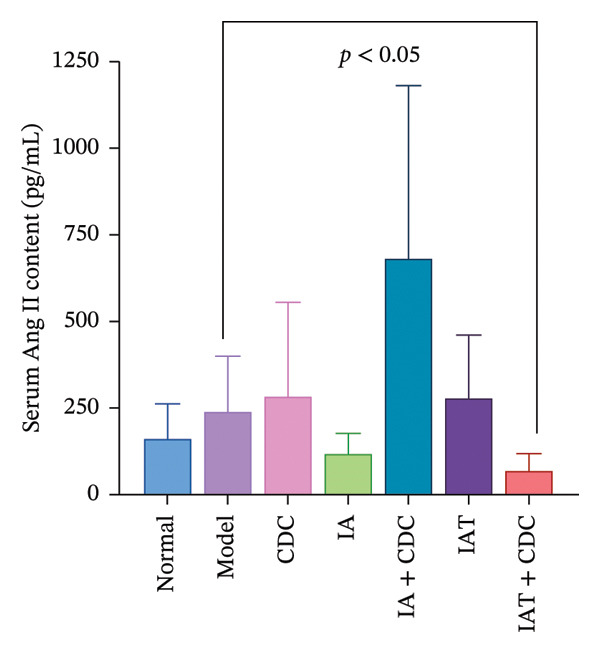 Figure 5
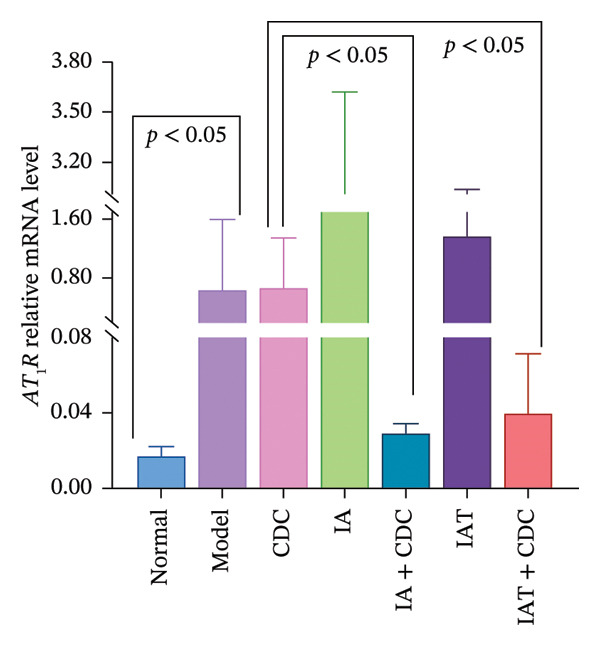 Figure 6
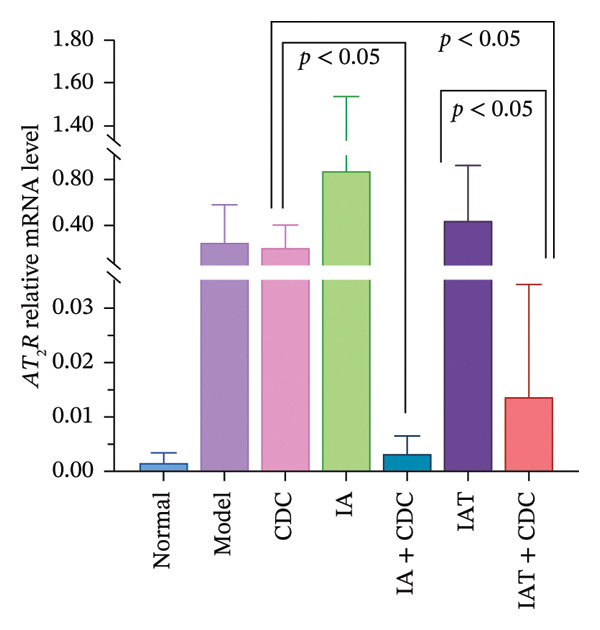 Figure 7
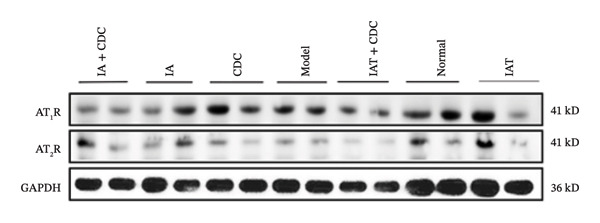 Figure 8
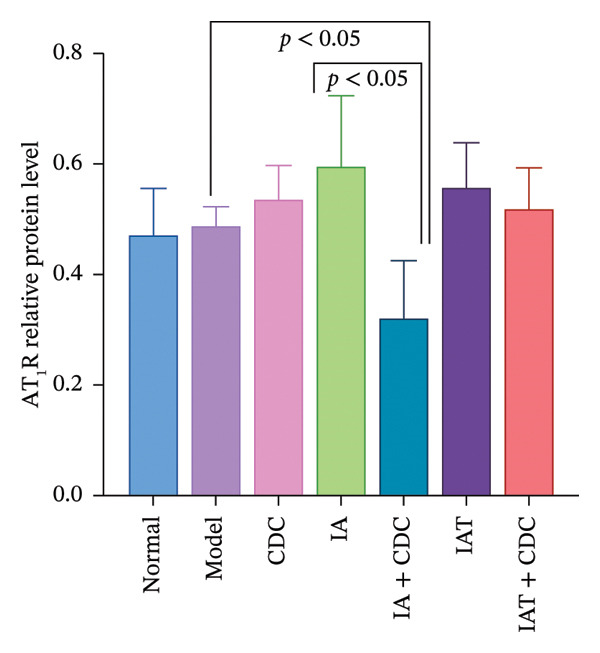 Figure 9
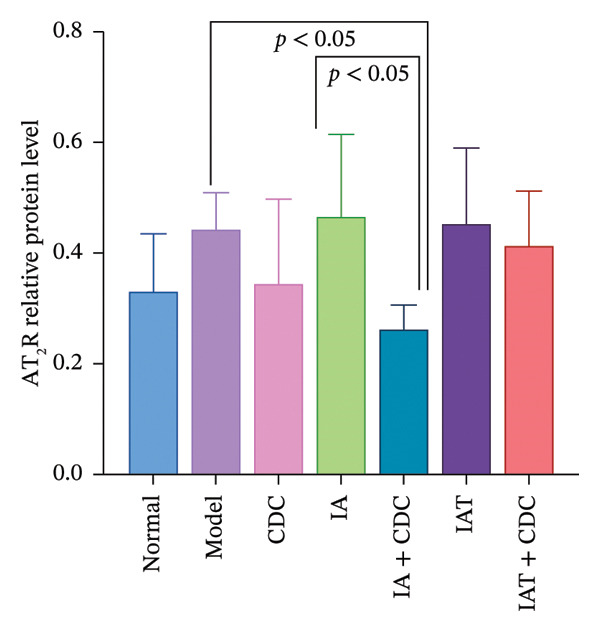 Figure 10
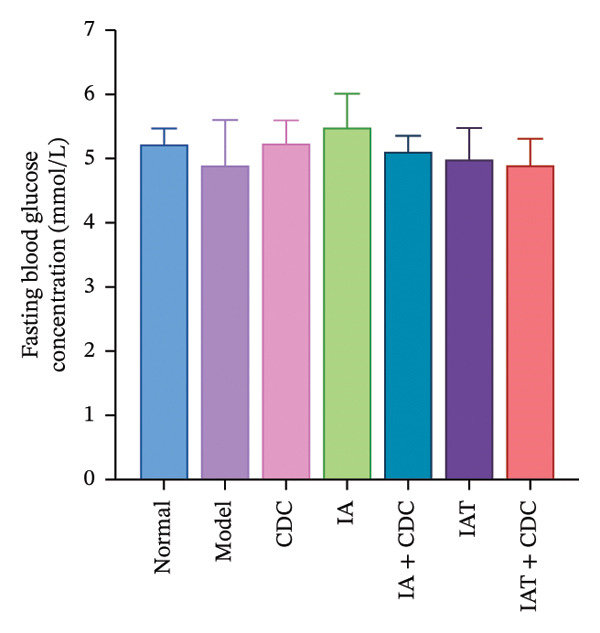 Figure 11
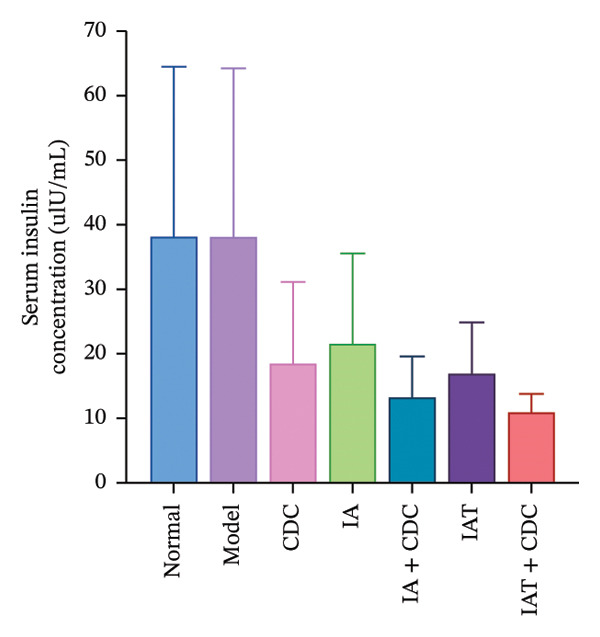 Figure 12
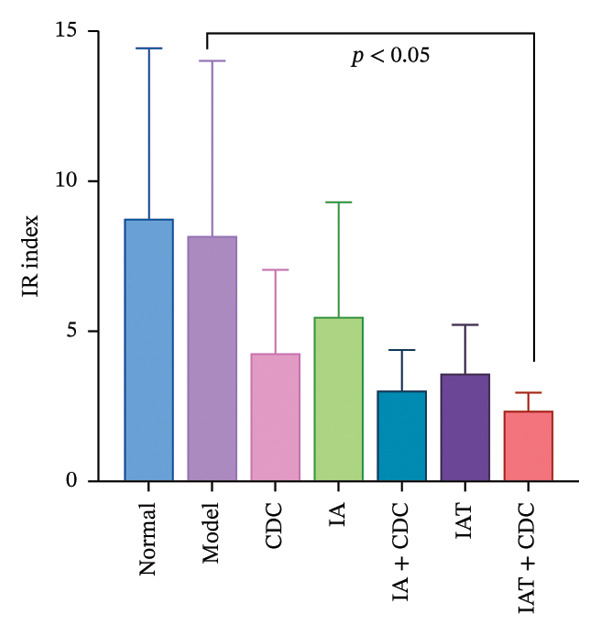 Figure 13
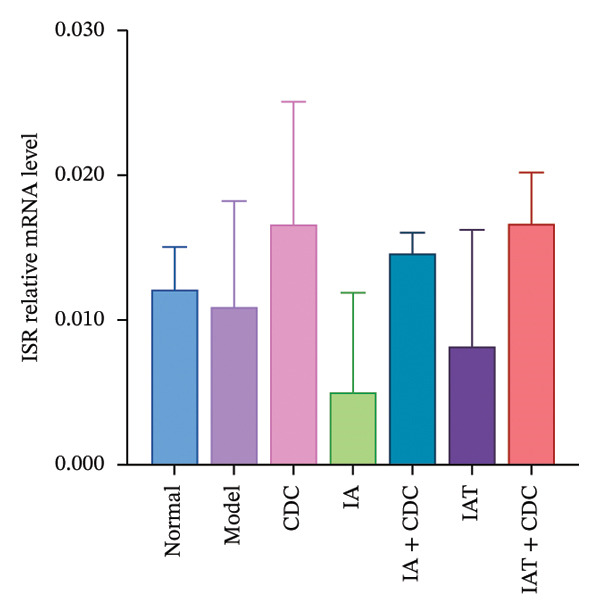 Figure 14
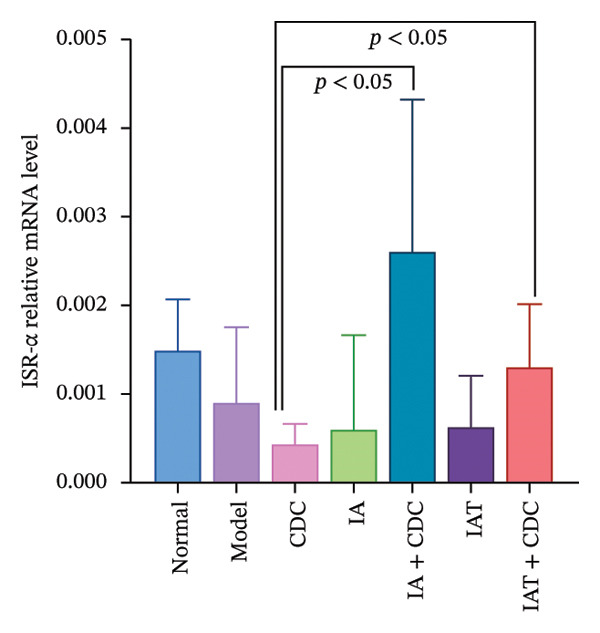 Figure 15
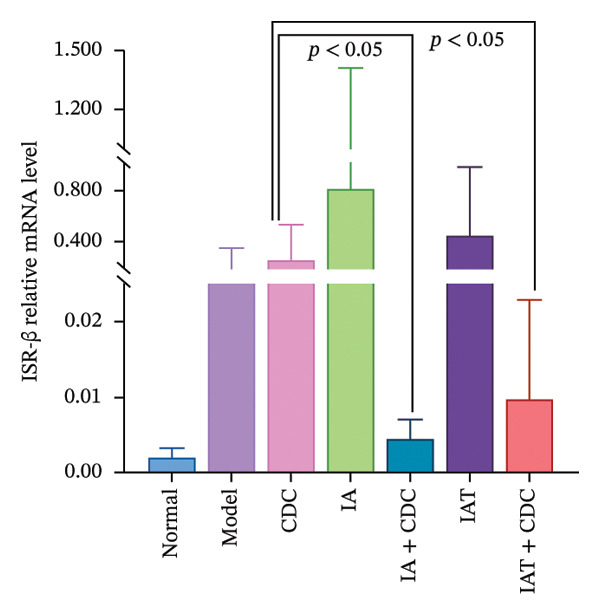 Figure 16
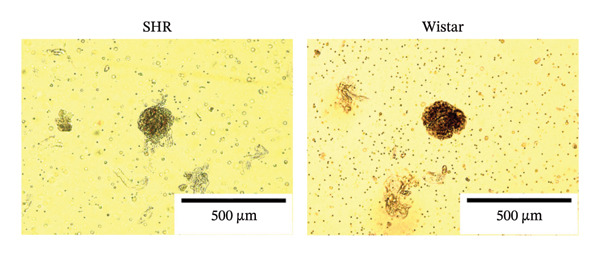 Figure 17
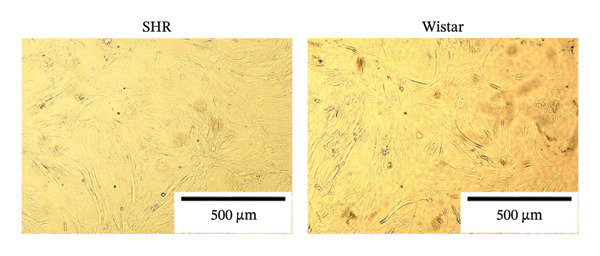 Figure 18
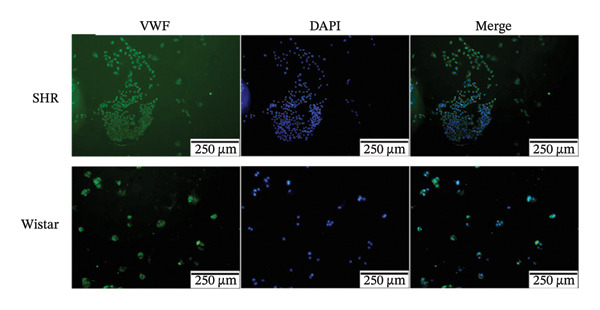 Figure 19
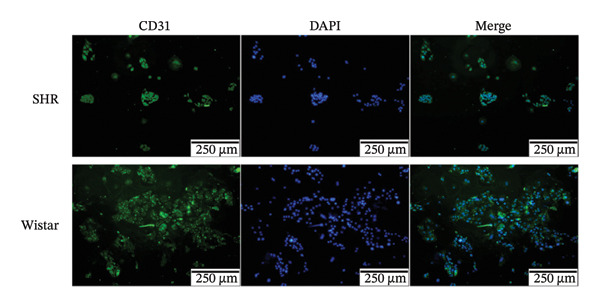 Figure 20
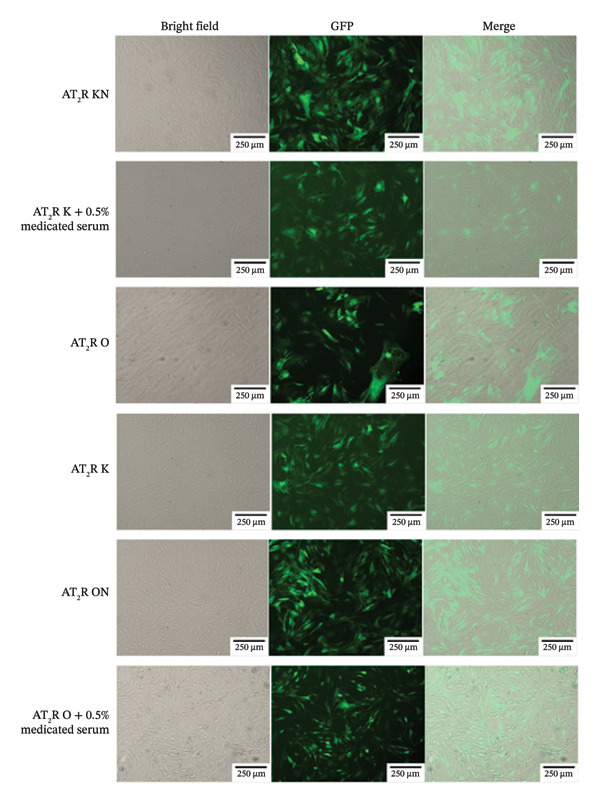 Figure 21
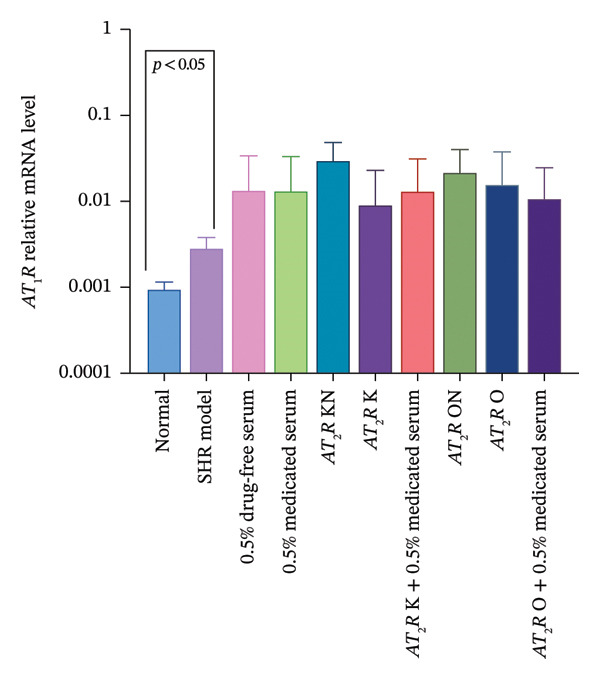 Figure 22
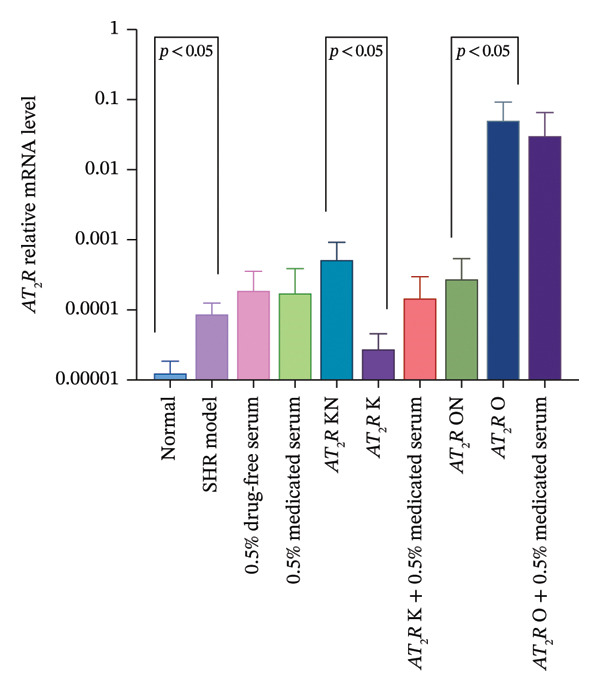 Figure 23
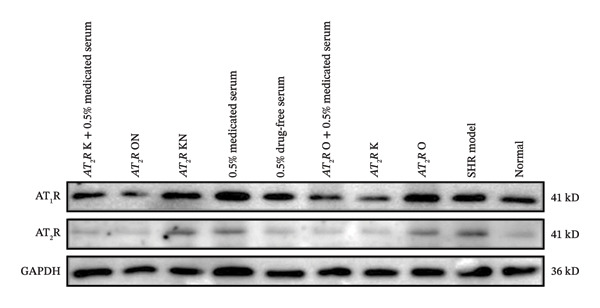 Figure 24
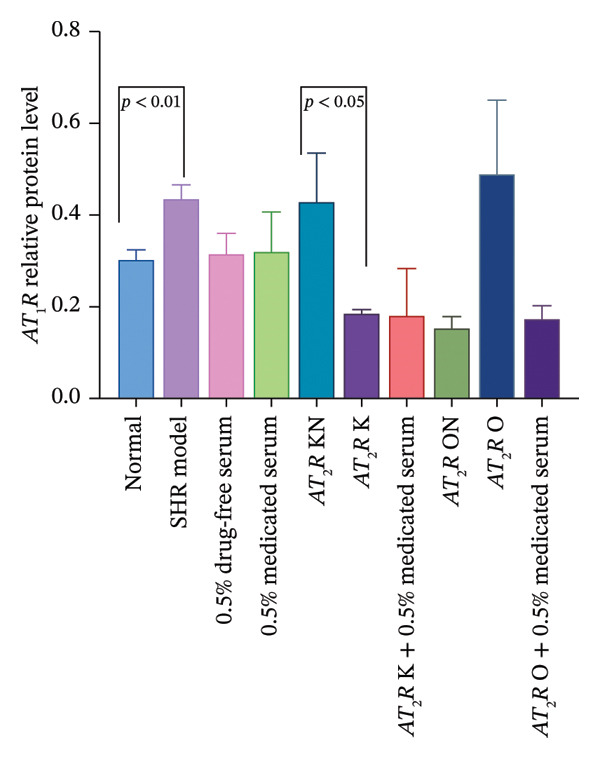 Figure 25
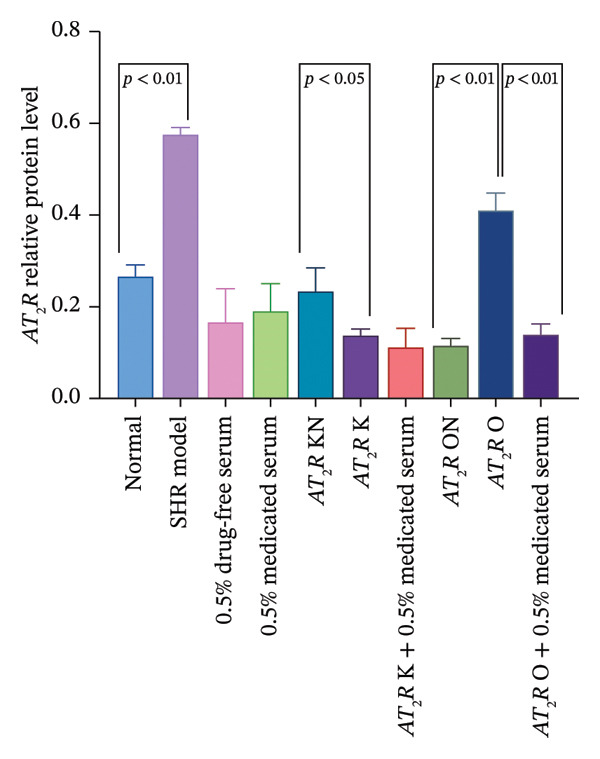 Figure 26
 Figure 27
 Figure 28
 Figure 29
 Figure 30
 Figure 31
 Figure 32
 Figure 33
 Figure 34
 Figure 35
 Figure 36
 Figure 37
 Figure 38
 Figure 39
 Figure 40
 Figure 41
 Figure 42
 Figure 43
 Figure 44
 Figure 45
 Figure 46
 Figure 47
 Figure 48
 Figure 49
 Figure 50
Peer Reviews
No public reviews on file for this paper yet. If you reviewed it on a platform where reviews are public (OpenReview, ICLR, NeurIPS, ICML), you can paste yours below so the community can read it here.
Videos
No videos yet. Explain this paper in a talk, walkthrough, or lecture? Add one.
Taxonomy
TopicsBiological and pharmacological studies of plants · Traditional Chinese Medicine Analysis · Phytochemistry and Biological Activities