Rapid Generation of Transition-State Conformer Ensembles via Constrained Distance Geometry
Stefan P. Schmid, Henrik Seng, Thibault Kläy, Kjell Jorner

TL;DR
The paper introduces racerTS, a fast method for generating transition-state conformer ensembles, which is important for catalyst design and machine learning applications.
Contribution
The novel contribution is the development of racerTS, a computationally efficient method for generating transition-state conformer ensembles using constrained distance geometry.
Findings
racerTS generates conformer ensembles with accuracy comparable to CREST and slightly less than GOAT.
racerTS achieves sufficient accuracy in low-energy regions with a median error of 0.17 kcal/mol.
racerTS significantly reduces computational time compared to existing methods.
Abstract
Consideration of transition-state (TS) conformer ensembles is required to accurately model a reaction, and thus plays a key role in computational catalyst design. While CREST and GOAT are established methods for TS conformer ensemble generation, the associated computational cost remains a major bottleneck in computational chemistry pipelines, including for the generation of large machine learning data sets for catalyst design. To this end, we present racerTS (RApid Conformer Ensembles with RDKit for Transition States), a method for efficient TS conformer ensemble generation. In this work, we describe the algorithm behind racerTS, which is based on constrained distance geometry. To benchmark the performance of racerTS against CREST and GOAT, we created conformer ensembles for transition states of 20 diverse reactions. To assess the utility of each conformer generator in computational…
Genes, proteins, chemicals, diseases, species, mutations and cell lines named across the full text — each resolved to its canonical identifier and authoritative record.
Click any figure to enlarge with its caption.
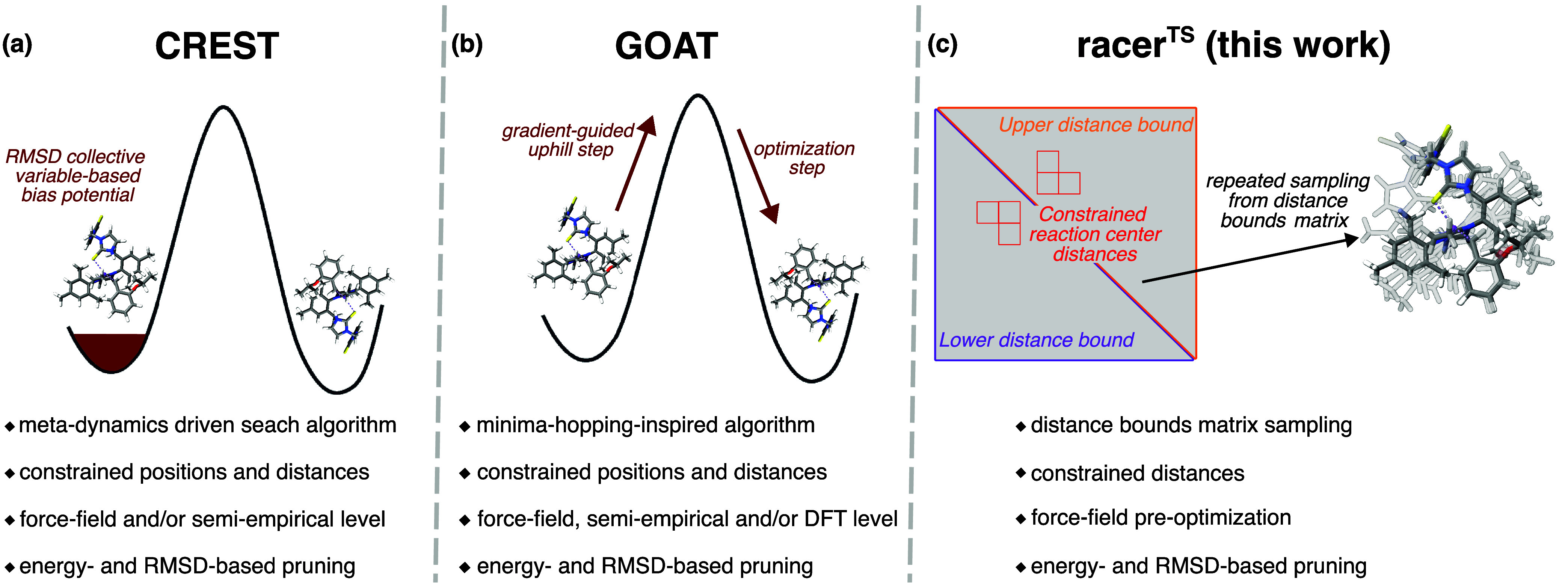 Figure 1
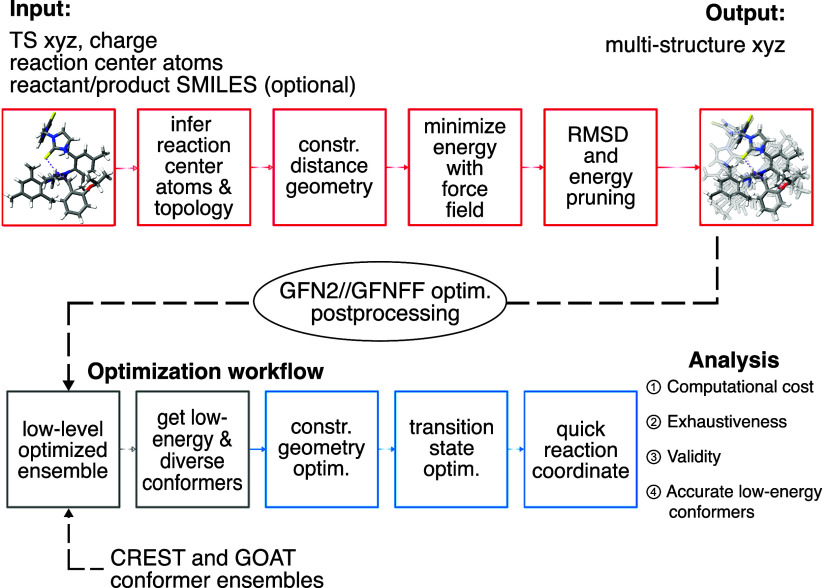 Figure 2
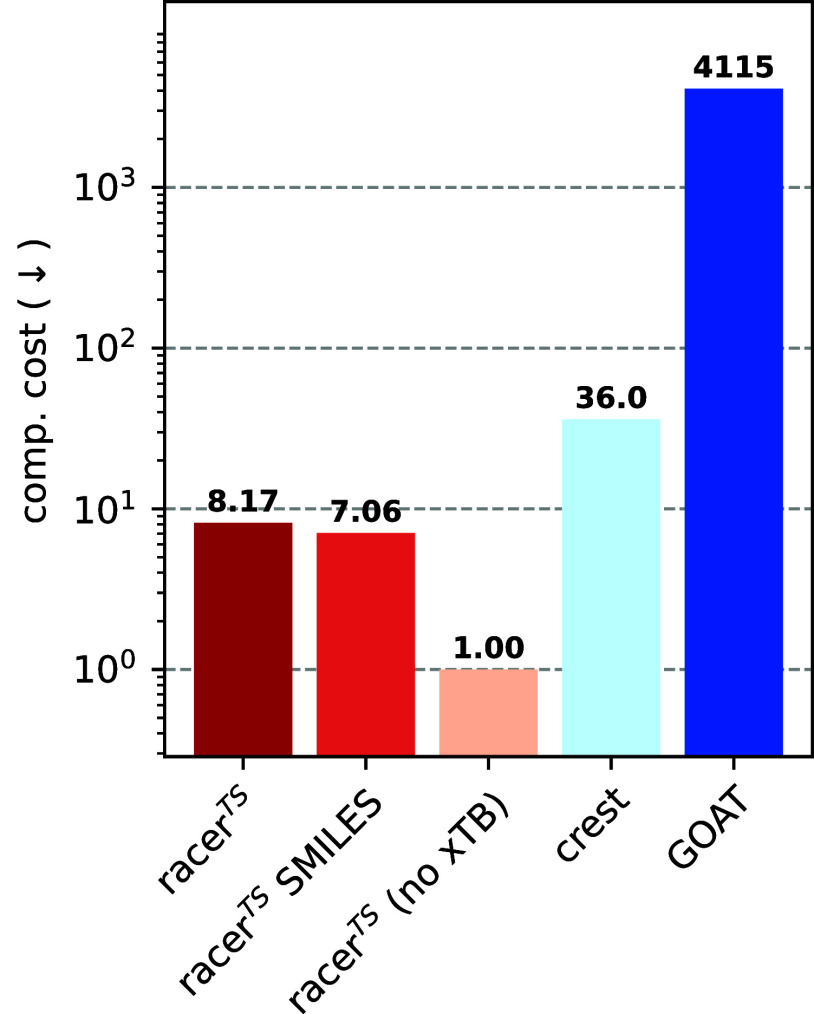 Figure 3
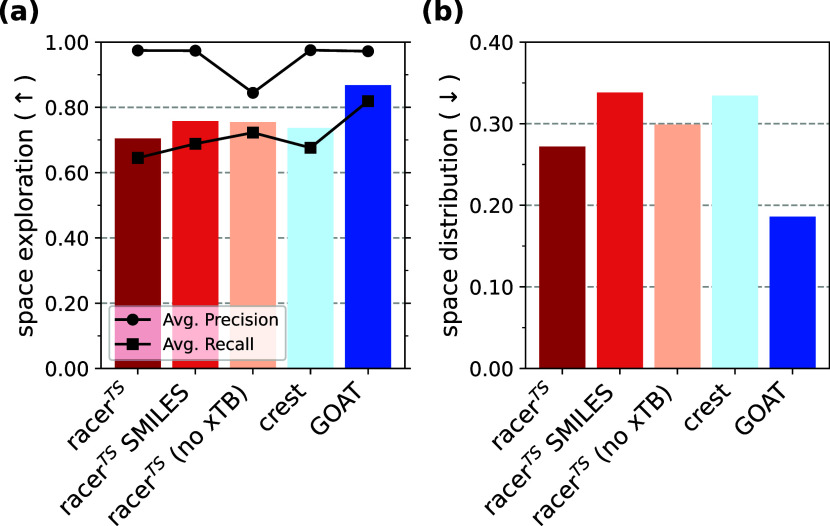 Figure 4
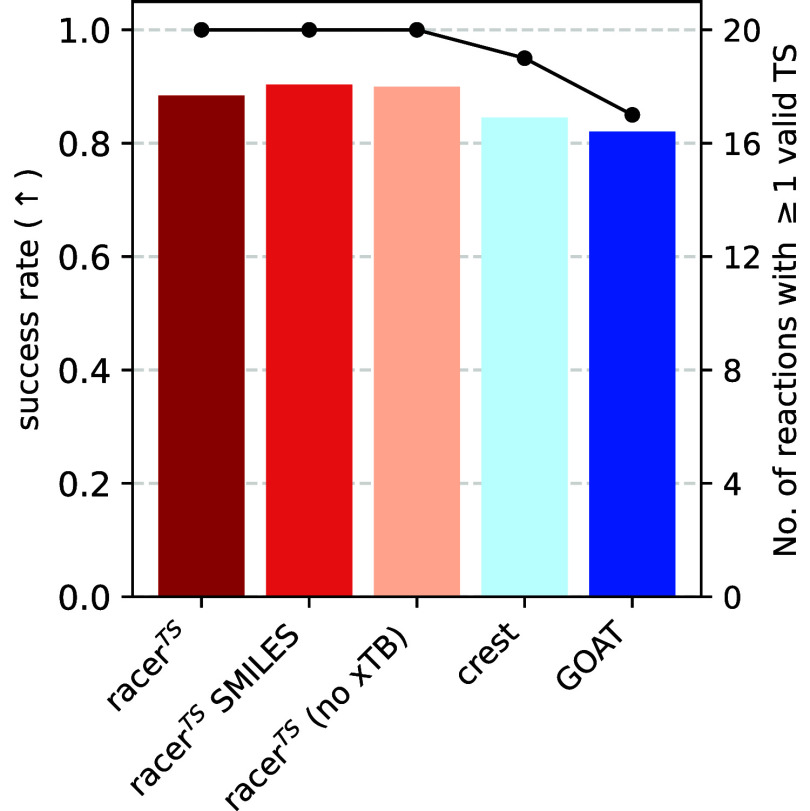 Figure 5
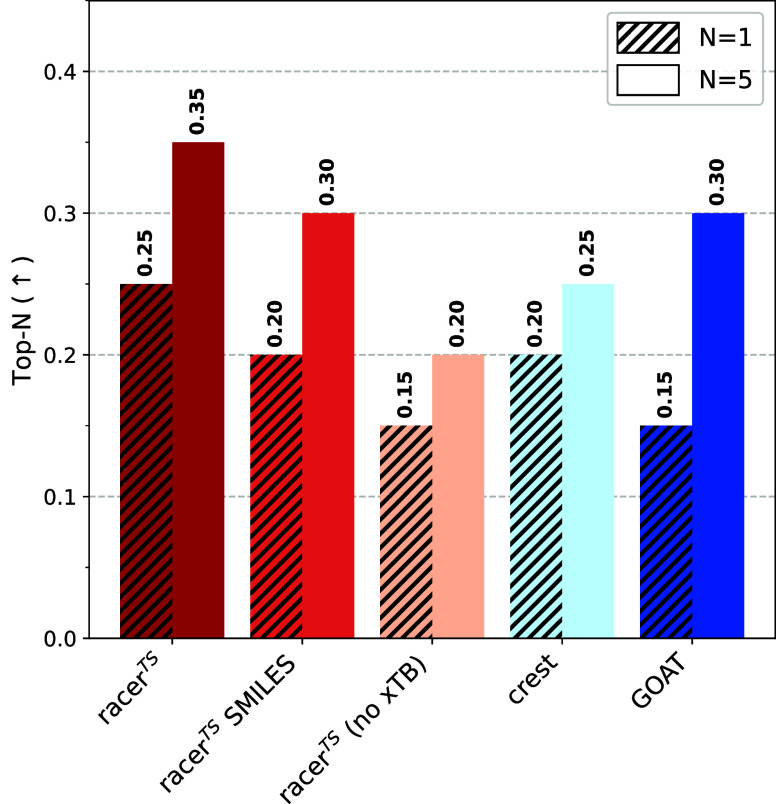 Figure 6
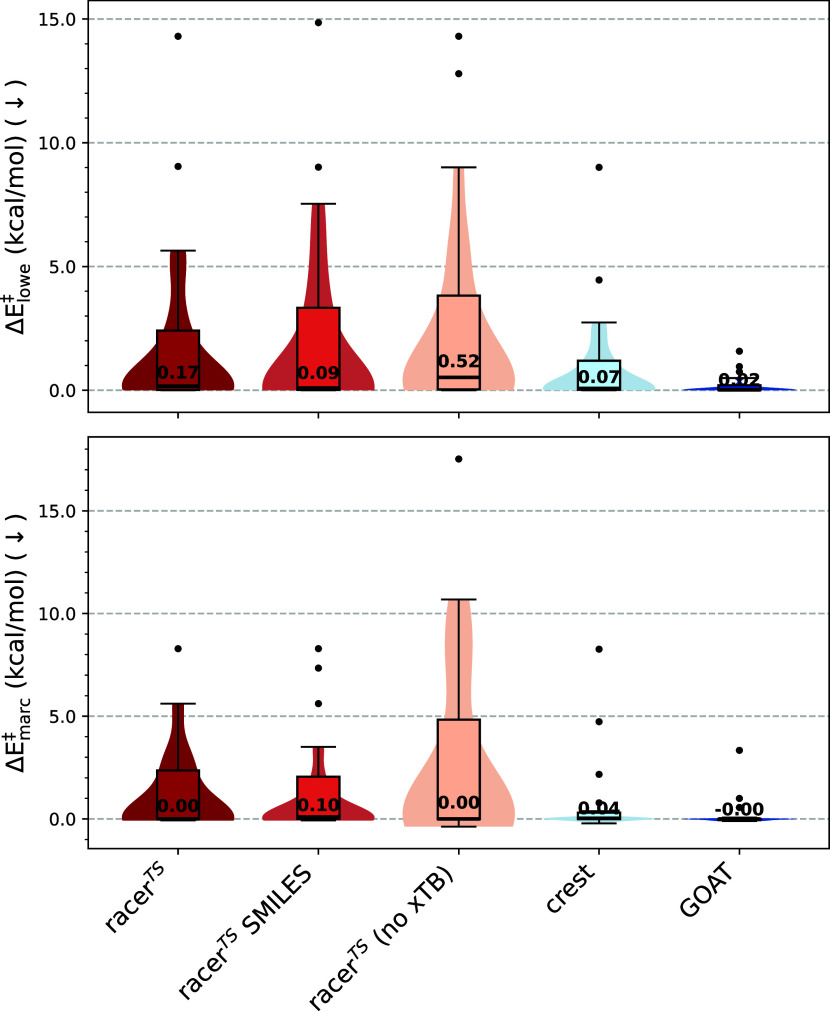 Figure 7
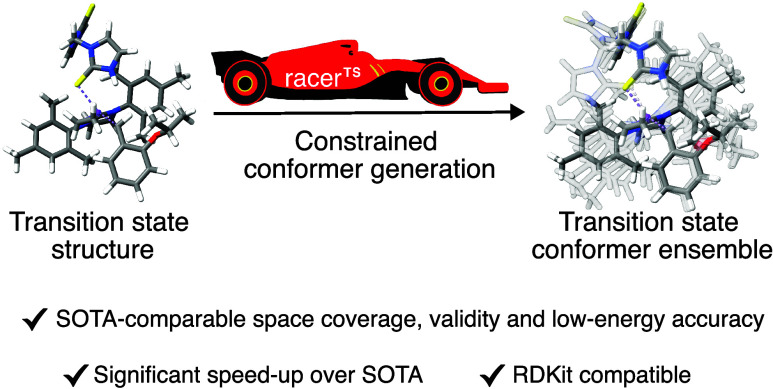 Figure 8
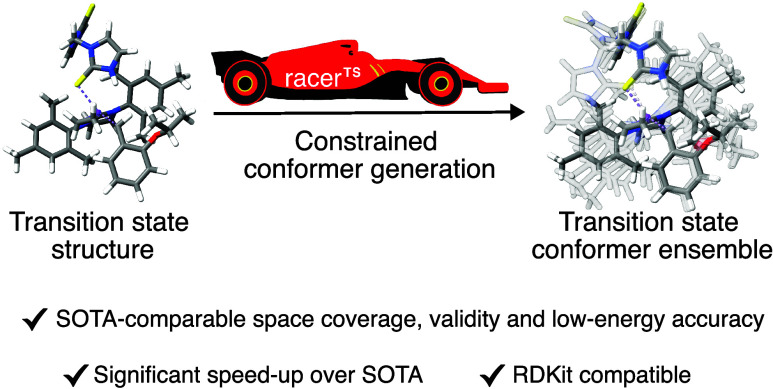 Figure 9
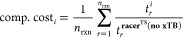 Figure 10
 Figure 11
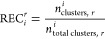 Figure 12
 Figure 13
 Figure 14
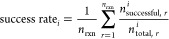 Figure 15
 Figure 16
 Figure 17
 Figure 18
 Figure 19
Peer Reviews
No public reviews on file for this paper yet. If you reviewed it on a platform where reviews are public (OpenReview, ICLR, NeurIPS, ICML), you can paste yours below so the community can read it here.
Videos
No videos yet. Explain this paper in a talk, walkthrough, or lecture? Add one.
Taxonomy
TopicsMachine Learning in Materials Science · Computational Drug Discovery Methods · Advanced Chemical Physics Studies