Design of Poly-Catechol Biodynamers for Potentiation of Antibiotic Efficacy against Drug-Resistant Bacteria
Lena Zeroug-Metz, Kristela Shehu, Justine Bassil, Justin Podlecki, Philipp Sonntag, Marcus Koch, Anastasia Christoulaki, Eric Buhler, Anna K. H. Hirsch, Annette Kraegeloh, Marc Schneider, Sangeun Lee

TL;DR
This paper introduces a new water-soluble polymer that boosts antibiotic effectiveness against drug-resistant bacteria by generating reactive oxygen species.
Contribution
A novel biodynamer with high catechol content and pH-responsive degradation is developed to enhance antibiotic efficacy.
Findings
DOPA-BD releases 3-fold more DOPA-hydrazide under acidic infection conditions.
The polymer synergistically enhances Azithromycin's efficacy 4-fold against resistant E. coli.
DOPA-BD remains stable for 72 hours in physiological buffer and induces ROS production in bacteria.
Abstract
Catechol-modified polymers, such as DOPA-functionalized systems, have recently gained significant interest for a variety of biomedical applications, particularly in their role as antibacterial adjuvants due to their oxidative activity and ability to generate reactive oxygen species (ROS). Current catechol-functionalized polymers, however, often suffer from a restricted number of catechol groups, limited biocompatibility and solubility, and low stability due to the rapid oxidation under physiological conditions. In this study, we developed a water-soluble, biocompatible DOPA-modified biodynamer (DOPA-BD), leveraging the principles of constitutional dynamic chemistry (CDC). DOPA-BD was synthesized via polycondensation of DOPA-hydrazide and the hexaethylene glycol-conjugated carbazole dialdehyde (CA-HG), forming dynamic imine and acylhydrazone linkages between the monomers. As a result of…
Genes, proteins, chemicals, diseases, species, mutations and cell lines named across the full text — each resolved to its canonical identifier and authoritative record.
Click any figure to enlarge with its caption.
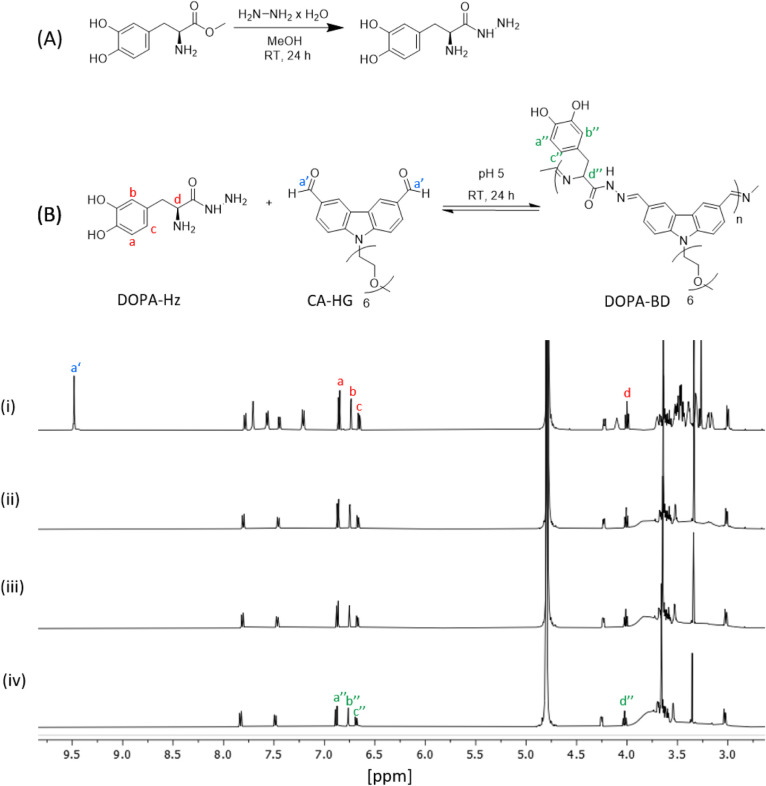 Figure 1
 Figure 2
 Figure 3
 Figure 4
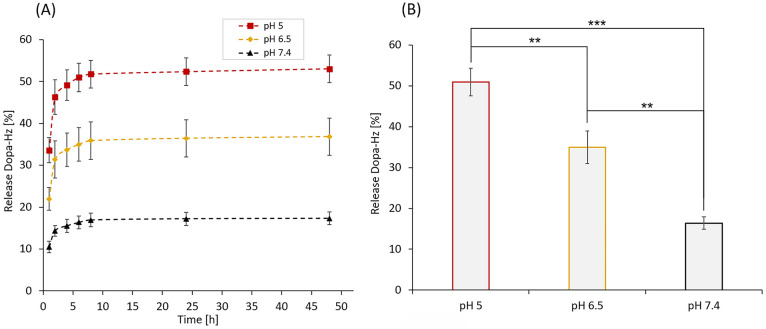 Figure 5
 Figure 6
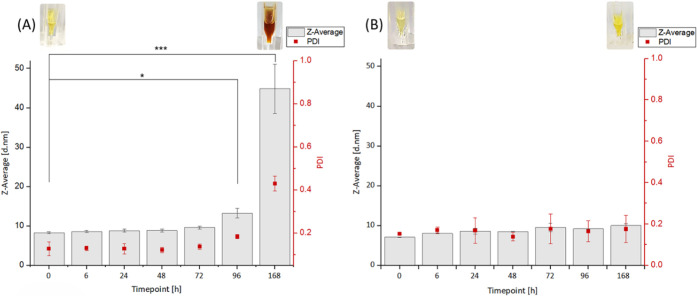 Figure 7
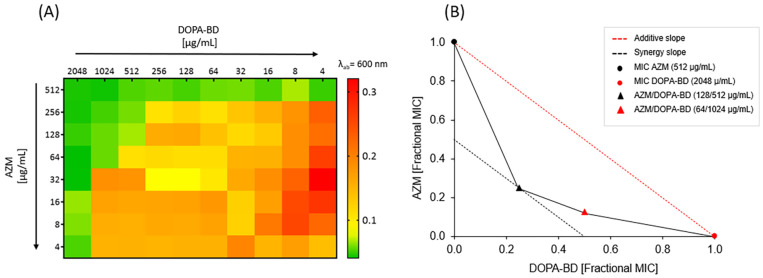 Figure 8
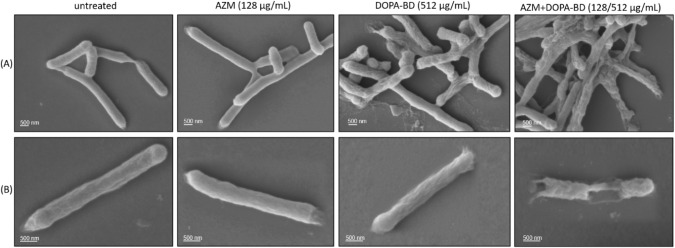 Figure 9
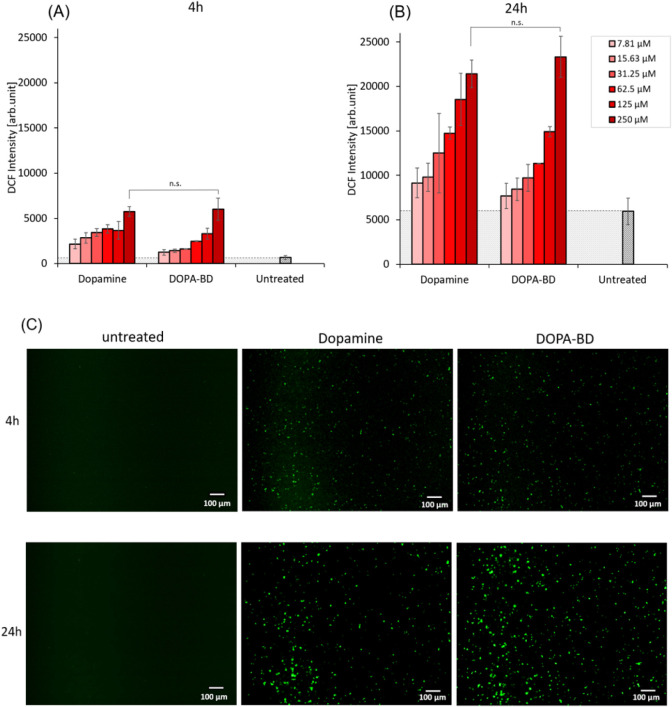 Figure 10
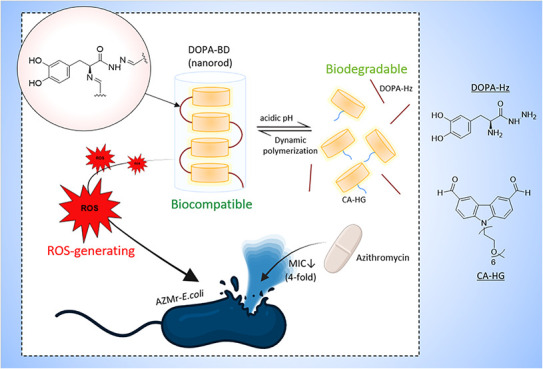 Figure 11
 Figure 12
 Figure 13
 Figure 14
 Figure 15
 Figure 16
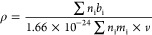 Figure 17
 Figure 18
 Figure 19
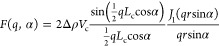 Figure 20
 Figure 21
 Figure 22
 Figure 23
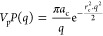 Figure 24
 Figure 25
 Figure 26
 Figure 27
 Figure 28
 Figure 29
 Figure 30
 Figure 31
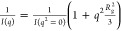 Figure 32
Peer Reviews
No public reviews on file for this paper yet. If you reviewed it on a platform where reviews are public (OpenReview, ICLR, NeurIPS, ICML), you can paste yours below so the community can read it here.
Videos
No videos yet. Explain this paper in a talk, walkthrough, or lecture? Add one.
Taxonomy
TopicsAntimicrobial agents and applications · Biopolymer Synthesis and Applications · Orthopedic Infections and Treatments