Stabilities of Ac3+ Complexes Relevant as Radiopharmaceuticals
Antía Freire-García, Raúl Alvarado, María Costa-DeDios, David Esteban-Gómez, Carlos Platas-Iglesias

TL;DR
This study uses computer modeling to compare the stability of Ac3+ and La3+ complexes, aiming to improve the design of radiopharmaceuticals for cancer therapy.
Contribution
The paper introduces a DFT-based methodology to estimate Ac3+ complex stabilities using La3+ data, enabling better chelator design for radiopharmaceuticals.
Findings
Ac3+ coordination bond distances are longer than La3+, suggesting a larger ionic radius of 1.275 ± 0.020 Å for Ac3+.
Ac3+ complexes are generally less thermodynamically stable than La3+ ones, except for MACROPA2– and OCTAPA4–.
The proposed methodology helps identify suitable chelators for Ac3+ in targeted alpha therapy.
Abstract
We present a detailed density functional theory (DFT) investigation of the structural features and thermodynamic stabilities of La3+ and Ac3+ complexes relevant to develop radiopharmaceutical agents. A total of 16 chelators were considered, covering the acyclic and macrocyclic families functionalized with different numbers and types of donor atoms. The bond distances of the Ac3+ coordination environment are systematically longer than those obtained for the La3+ analogues, which allowed us to estimate an ionic radius for Ac3+ in coordination number 9 of 1.275 ± 0.020 Å (1.216 and 1.206 Å were proposed for La3+). Energy decomposition analysis (EDA) provided hints into the nature of the metal–ligand interactions and their relative weight in La3+ and Ac3+ complexes. A thermodynamic DFT study allowed us to estimate the stability constants of the Ac3+ complexes from those of the La3+ ones, as…
Genes, proteins, chemicals, diseases, species, mutations and cell lines named across the full text — each resolved to its canonical identifier and authoritative record.
Click any figure to enlarge with its caption.
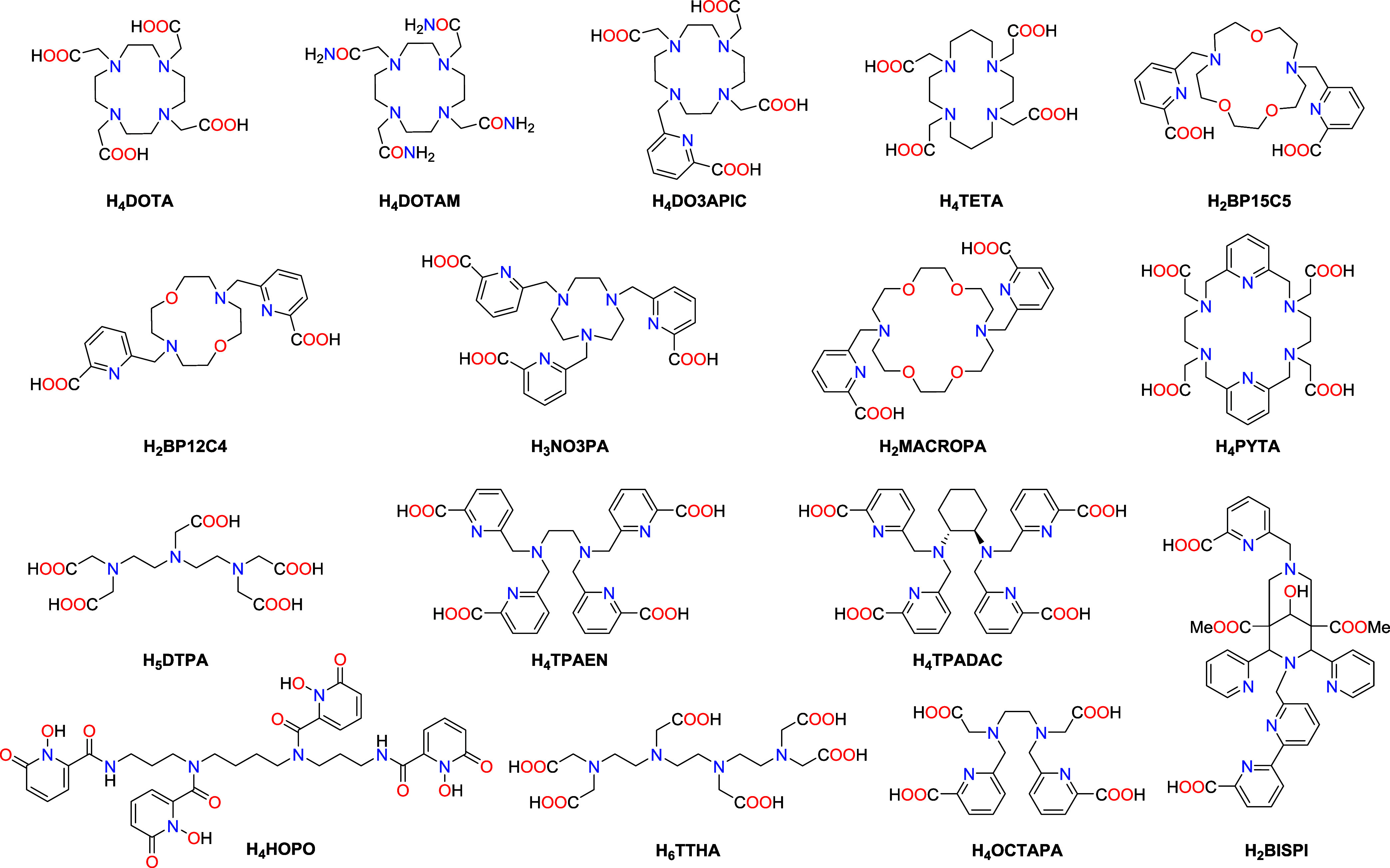 Figure 1
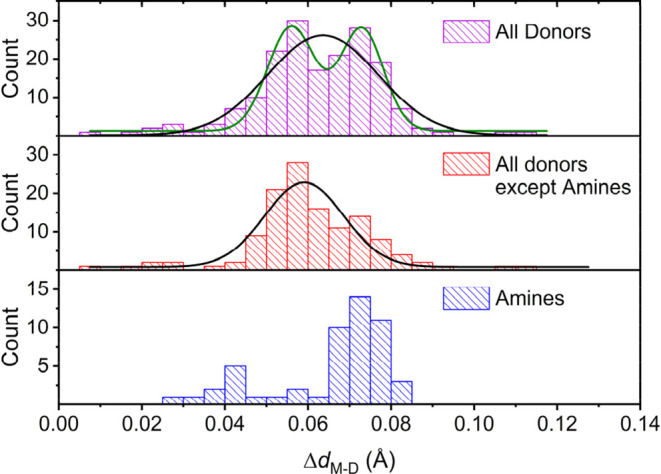 Figure 2
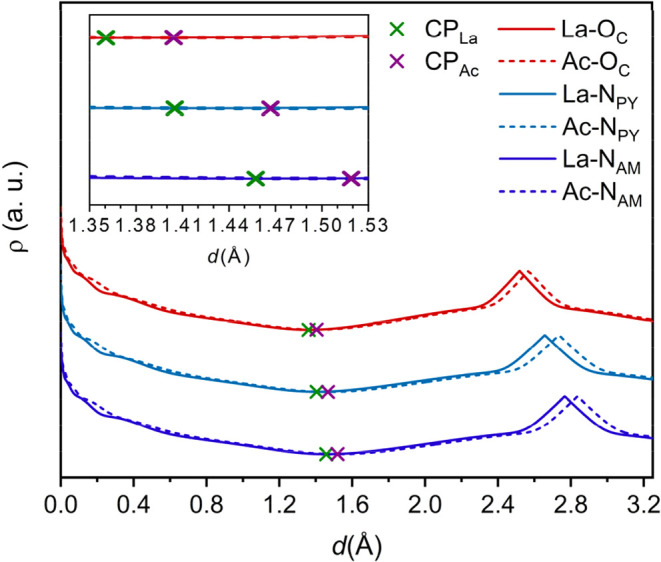 Figure 3
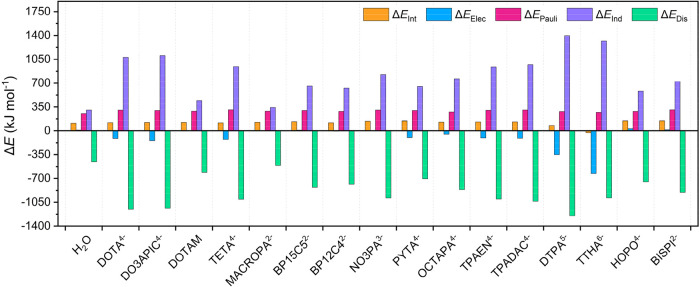 Figure 4
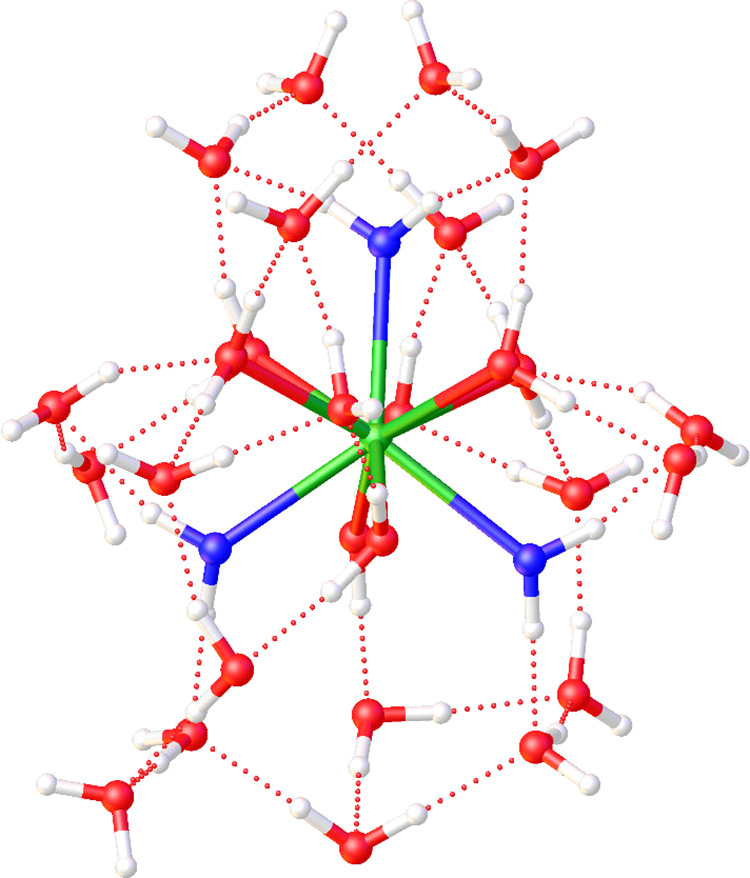 Figure 5
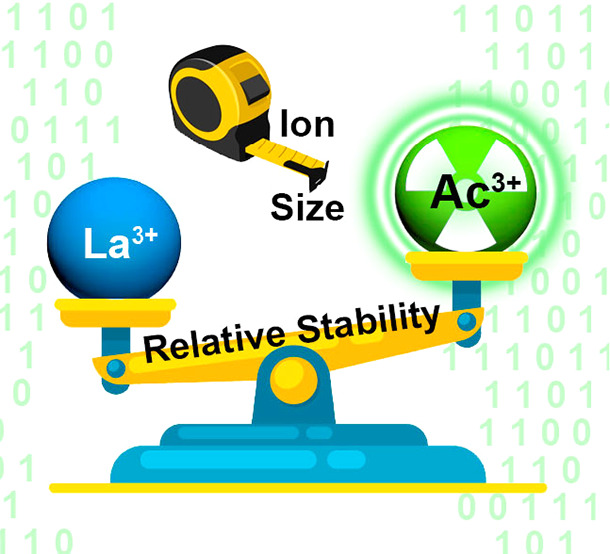 Figure 6
 Figure 7
 Figure 8
 Figure 9
 Figure 10
 Figure 11
 Figure 12
Peer Reviews
No public reviews on file for this paper yet. If you reviewed it on a platform where reviews are public (OpenReview, ICLR, NeurIPS, ICML), you can paste yours below so the community can read it here.
Videos
No videos yet. Explain this paper in a talk, walkthrough, or lecture? Add one.
Taxonomy
TopicsRadiopharmaceutical Chemistry and Applications · Metal complexes synthesis and properties · Lanthanide and Transition Metal Complexes