Commutative Algebra Modeling in Materials Science – A Case Study on Metal–Organic Frameworks (MOFs)
Caleb Simiyu Khaemba, Hongsong Feng, Dong Chen, Chun-Long Chen, Guo-Wei Wei

TL;DR
This paper introduces a new method using commutative algebra to model and predict properties of metal-organic frameworks (MOFs), offering better interpretability and accuracy.
Contribution
The first application of commutative algebra in materials science for modeling MOFs with interpretable and data-efficient predictions.
Findings
CSCA achieves comparable or better predictive accuracy than traditional geometric and graph-based methods.
CSCA provides interpretable and stable representations of MOF properties like Henry’s constants and gas uptake.
The method aligns algebraic structures with chemical hierarchy to improve structure-property understanding.
Abstract
Metal–organic frameworks (MOFs) are a class of important crystalline and highly porous materials whose hierarchical geometry and chemistry hinder interpretable predictions in materials properties. Commutative algebra is a branch of abstract algebra that has been rarely applied in data and material sciences. We introduce the first ever commutative algebra modeling and prediction in materials science. Specifically, category-specific commutative algebra (CSCA) is proposed as a new framework for MOF representation and learning. It integrates element-based categorization with multiscale algebraic invariants to encode both local coordination motifs and global network organization of MOFs. These algebraically consistent, chemically aware representations enable compact, interpretable, and data efficient modeling of MOF properties such as Henry’s constants and uptake capacities for common gases.…
Genes, proteins, chemicals, diseases, species, mutations and cell lines named across the full text — each resolved to its canonical identifier and authoritative record.
Click any figure to enlarge with its caption.
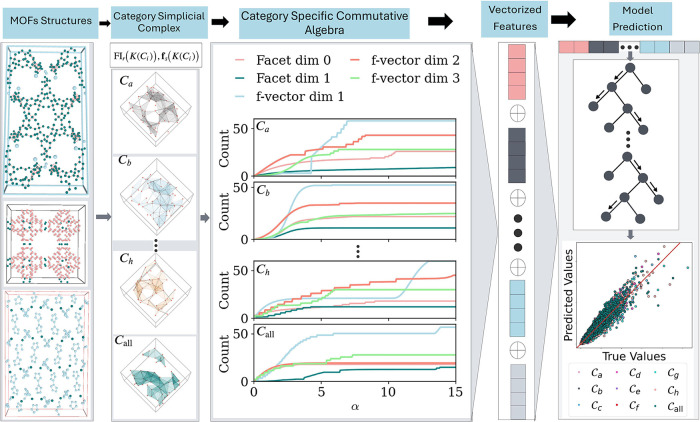 Figure 1
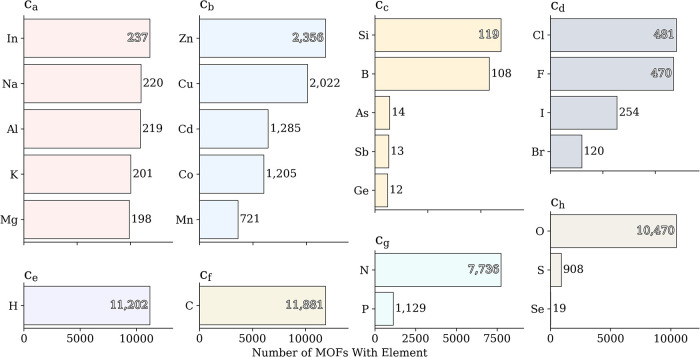 Figure 2
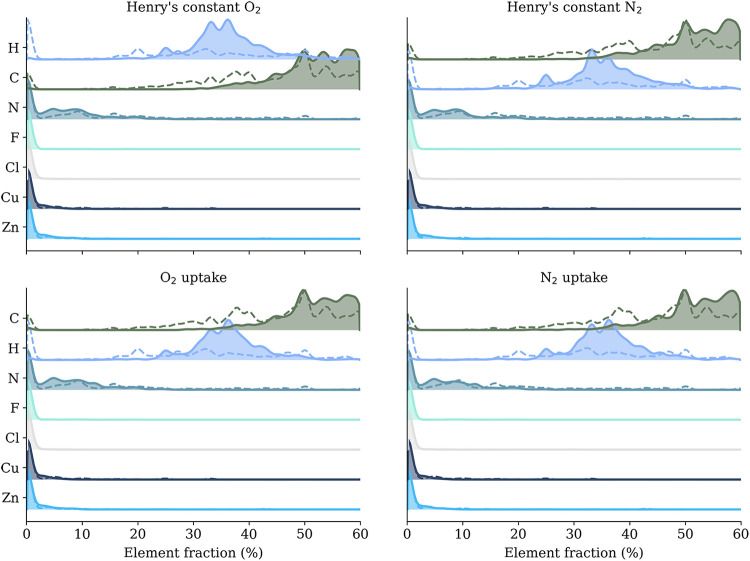 Figure 3
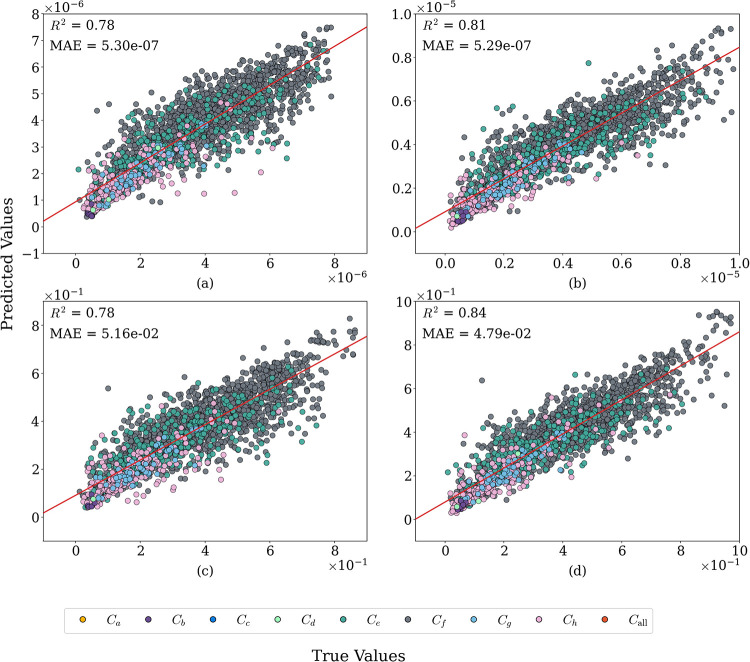 Figure 4
 Figure 5
 Figure 6
 Figure 7
 Figure 8
 Figure 9
 Figure 10
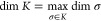 Figure 11
 Figure 12
 Figure 13
 Figure 14
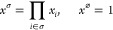 Figure 15
 Figure 16
 Figure 17
 Figure 18
 Figure 19
 Figure 20
 Figure 21
 Figure 22
 Figure 23
 Figure 24
 Figure 25
 Figure 26
 Figure 27
 Figure 28
 Figure 29
 Figure 30
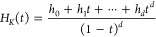 Figure 31
 Figure 32
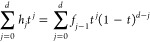 Figure 33
 Figure 34
 Figure 35
 Figure 36
 Figure 37
 Figure 38
 Figure 39
 Figure 40
 Figure 41
 Figure 42
 Figure 43
 Figure 44
 Figure 45
 Figure 46
 Figure 47
 Figure 48
 Figure 49
 Figure 50
Peer Reviews
No public reviews on file for this paper yet. If you reviewed it on a platform where reviews are public (OpenReview, ICLR, NeurIPS, ICML), you can paste yours below so the community can read it here.
Videos
No videos yet. Explain this paper in a talk, walkthrough, or lecture? Add one.
Taxonomy
TopicsMetal-Organic Frameworks: Synthesis and Applications · Machine Learning in Materials Science · Matrix Theory and Algorithms