Effect of Amorphous Silicates on the Neutralization of Tricalcium Aluminate Hexahydrate Relevant to Bauxite Residue Treatment
Yvette Szabó, Meerab Asher, Réka Zahorán, Judit Papp, Dániel Sebők, Pál Sipos, Márton Szabados, Markus Gräfe, Bence Kutus

TL;DR
This paper studies how amorphous silicates in tricalcium aluminate hydrates affect acid neutralization, which is important for treating bauxite residue.
Contribution
The study reveals new insights into how silicate phases alter the acid neutralization mechanism and capacity of tricalcium aluminate hydrates.
Findings
Pseudo-KAT contains amorphous silicates and has a lower buffering range compared to TCA.
The presence of silicates reduces acid consumption by about 17%.
TCA forms Friedel’s salt during neutralization, while PKAT does not.
Abstract
Acid neutralization is an efficient way to lower the solution pH of bauxite residue slurries (generated via the Bayer process) to a level that enables safe handling and further utilization. Tricalcium aluminate hexahydrate (TCA, Ca3Al2(OH)12) and its silicate-substituted polymorph, katoite (KAT, Ca3Al2(SiO4) x (OH)12–4x ), are one of the major sources that contribute to the high alkalinity of residues. Yet, the neutralization chemistry of KAT phases is poorly understood. To this end, we synthesized TCA and KAT and studied their acid–base reactions. We find the as-prepared pseudo-KAT (PKAT) phase to be a poorly substituted TCA with x ≈ 0.05 while containing amorphous calcium silicate hydrate as well as sodium aluminosilicate minor phases. Upon addition of HCl, TCA first transforms to Friedel’s salt, a layered double hydroxide hosting Cl– ions, which is absent for PKAT. Further, the…
Genes, proteins, chemicals, diseases, species, mutations and cell lines named across the full text — each resolved to its canonical identifier and authoritative record.
Click any figure to enlarge with its caption.
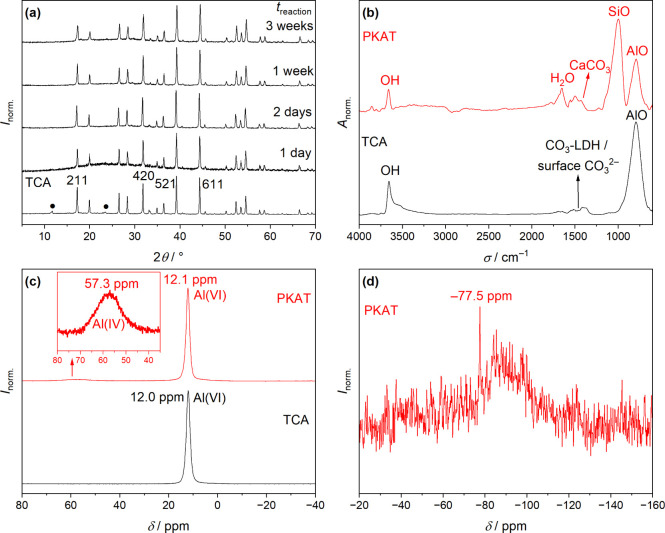 Figure 1
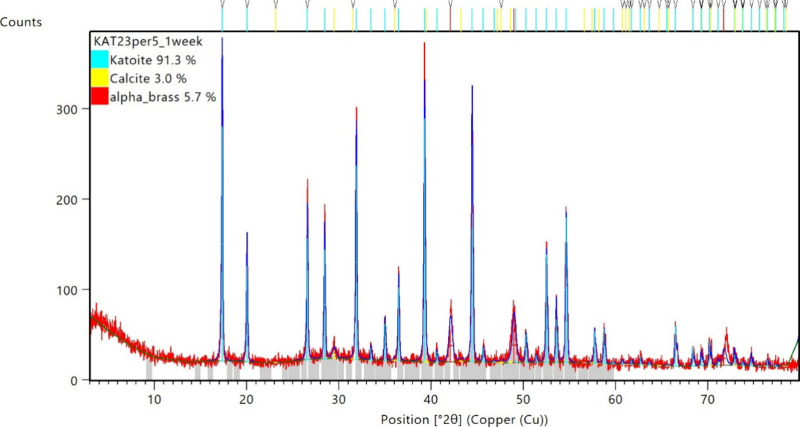 Figure 2
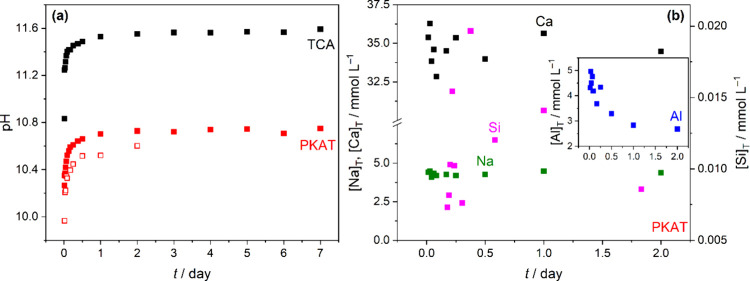 Figure 3
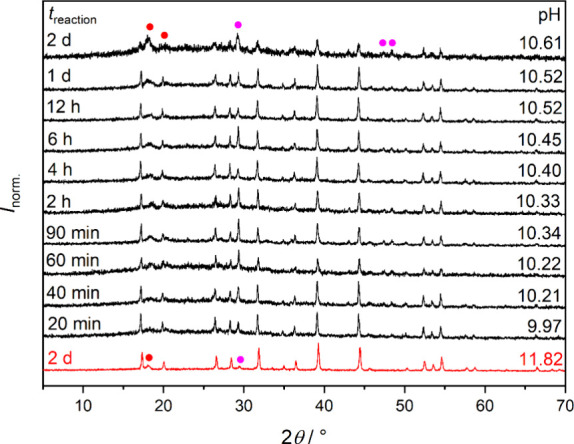 Figure 4
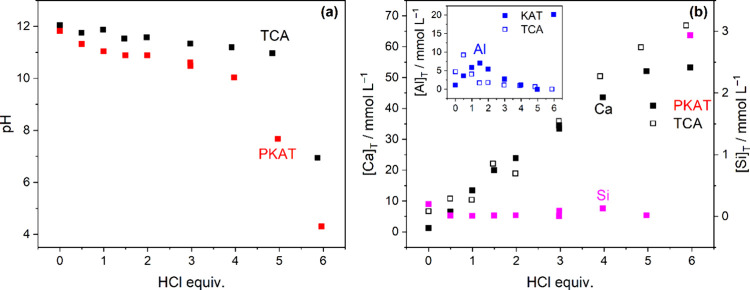 Figure 5
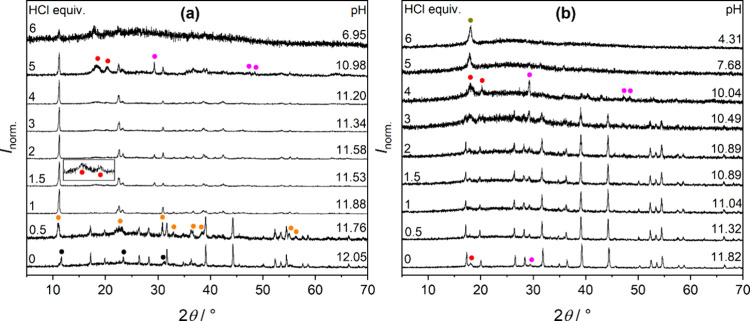 Figure 6
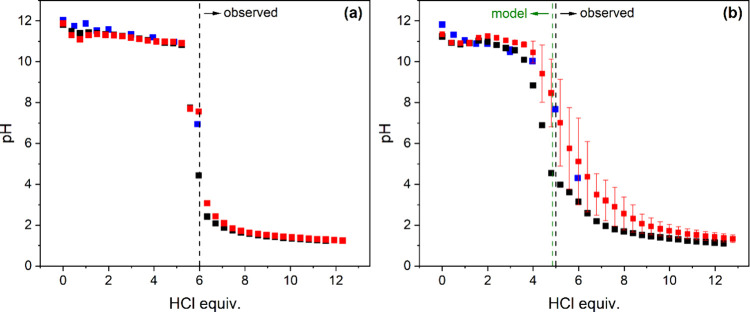 Figure 7
 Figure 8
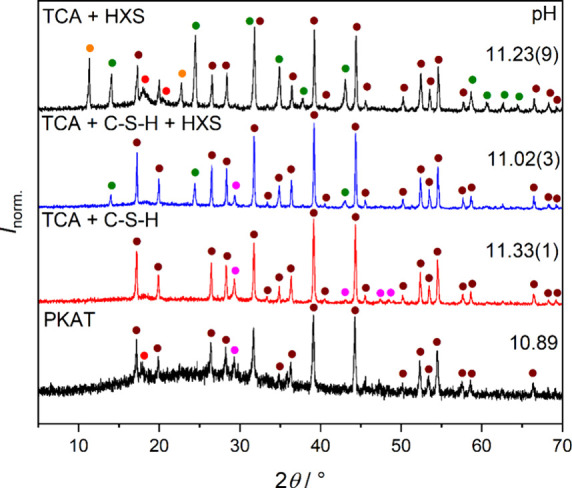 Figure 9
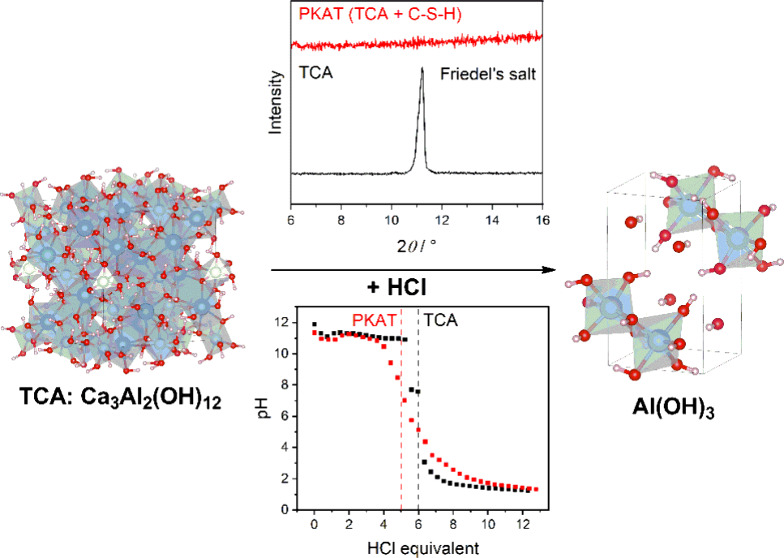 Figure 10
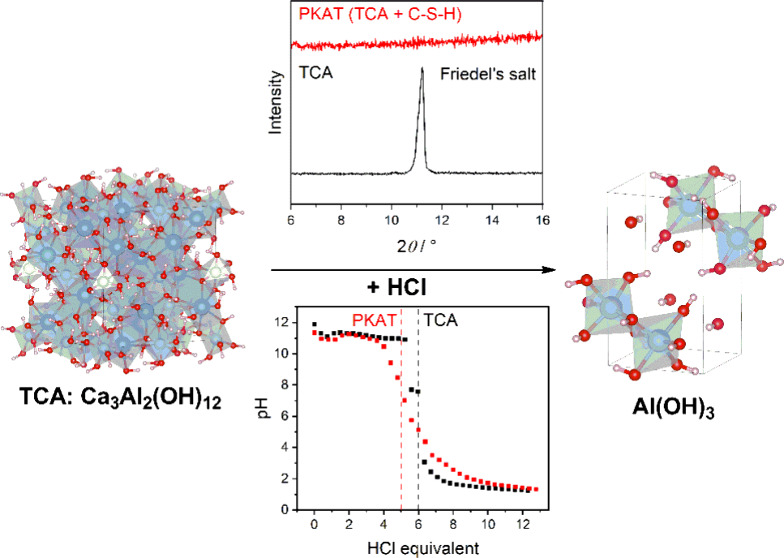 Figure 11
 Figure 12
 Figure 13
 Figure 14
 Figure 15
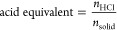 Figure 16
 Figure 17
 Figure 18
 Figure 19
 Figure 20
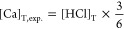 Figure 21
 Figure 22
Peer Reviews
No public reviews on file for this paper yet. If you reviewed it on a platform where reviews are public (OpenReview, ICLR, NeurIPS, ICML), you can paste yours below so the community can read it here.
Videos
No videos yet. Explain this paper in a talk, walkthrough, or lecture? Add one.
Taxonomy
TopicsBauxite Residue and Utilization · Layered Double Hydroxides Synthesis and Applications · Recycling and utilization of industrial and municipal waste in materials production