Assessment of antidiabetic, hepatoprotective, and analgesic effects of quinazolinone derivative, (E)-1-Benzoyl-3-((4- (Dimethylamino) Benzylidene) Amino)-2-(4-(Dimethylamino) Phenyl)-2,3 dihydroquinazoline-4(1h)-one, in diabetes induced mice model
Haider Ali, Asif Jan, Gowhar Ali, Syed Shaukat Ali, Abdur Rahim, Ursula Abu Nahla, Oluwafemi Adeleke Ojo, Oluwafemi Adeleke Ojo, Oluwafemi Adeleke Ojo, Oluwafemi Adeleke Ojo

TL;DR
A new quinazolinone compound was tested in diabetic mice and showed better blood sugar control, pain relief, and liver protection than existing drugs.
Contribution
A novel quinazolinone derivative demonstrated superior antidiabetic, analgesic, and hepatoprotective effects in a mouse model compared to standard drugs.
Findings
The compound significantly reduced blood glucose levels more effectively than glibenclamide.
It showed strong pain-relieving effects in multiple pain models.
The compound protected the liver and was safer than current treatments.
Abstract
Diabetes can cause serious complications such as liver damage and nerve pain. Unfortunately, existing treatment options for these problems often have limited effectiveness and unwanted side effects. To find better therapeutic alternatives with good efficacy and safety profile this study tested a novel quinazolinone derivative, (E)-1-benzoyl-3-((4(dimethylamino)benzylidene)amino)-2-(4-(dimethylamino)phenyl)-2,3 dihydroquinazoline-4(1H)-one, in diabetic mice’s experiencing liver damage and neuropathic pain. Diabetes was induced in mice using alloxan (150 mg/kg). For possible antidiabetic effect, test compound was given in doses of 10 mg/kg and 20 mg/kg. The standard drugs used for comparison was Glibenclamide (5 mg/kg), Tramadol (50 mg/kg) and Diclofenac sodium (50 mg/kg) for pain relief, and Gabapentin (75 mg/kg) for nerve pain. Pain relieving effect was assessed using various test…
Genes, proteins, chemicals, diseases, species, mutations and cell lines named across the full text — each resolved to its canonical identifier and authoritative record.
Click any figure to enlarge with its caption.
 Figure 1
 Figure 2
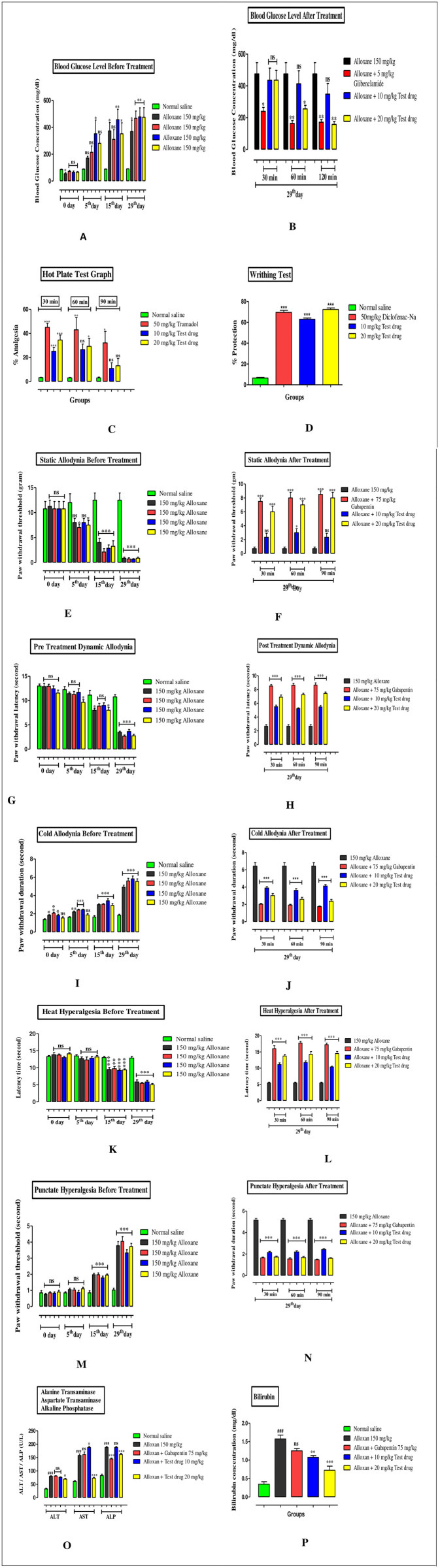 Figure 3
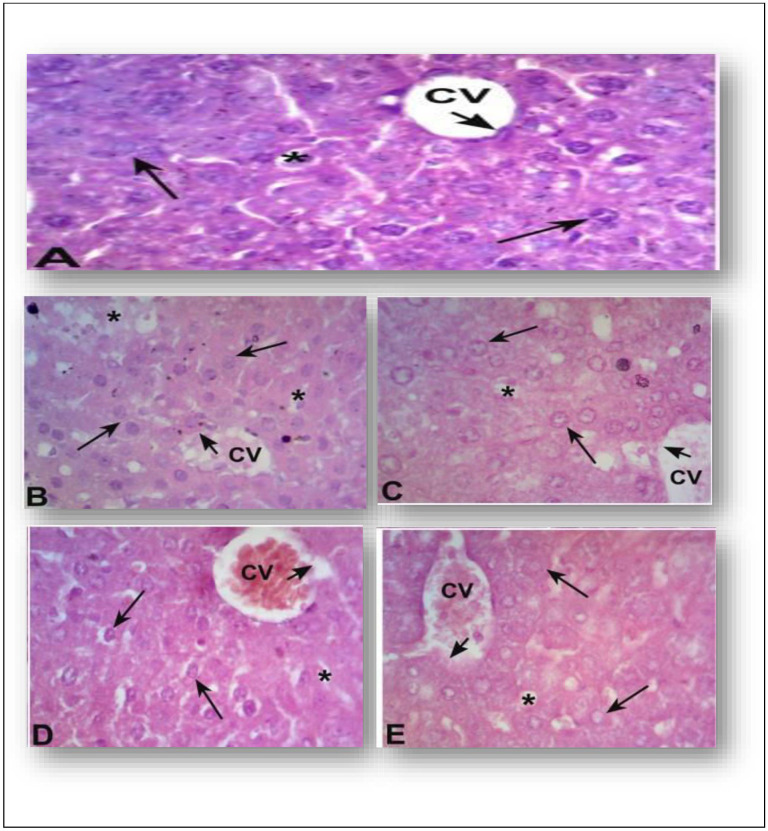 Figure 4
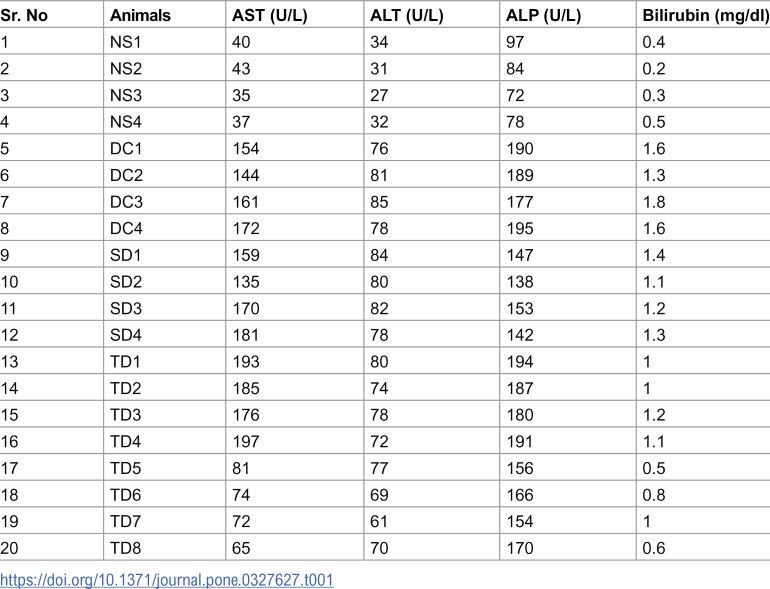 Figure 5
Peer Reviews
No public reviews on file for this paper yet. If you reviewed it on a platform where reviews are public (OpenReview, ICLR, NeurIPS, ICML), you can paste yours below so the community can read it here.
Videos
No videos yet. Explain this paper in a talk, walkthrough, or lecture? Add one.
Taxonomy
TopicsQuinazolinone synthesis and applications · Drug-Induced Hepatotoxicity and Protection · Pain Mechanisms and Treatments