Methods and Technical Issues for Optimizing the Production of Hydrogels Containing Decellularized Wharton’s Jelly
Anna Chierici, Giovanni D’Atri, Cristina Manferdini, Elisabetta Lambertini, Gina Lisignoli, Roberta Piva, Claudio Nastruzzi, Letizia Penolazzi

TL;DR
This paper describes methods to optimize hydrogel scaffolds made from decellularized Wharton’s jelly for tissue engineering applications.
Contribution
The study provides a refined protocol for producing anatomically shaped, stable DWJ-based hydrogels with reproducible properties.
Findings
DWJ-based hydrogels promote recovery of discogenic phenotype in degenerated intervertebral disc cells.
The optimized protocol allows for the fabrication of millimeter-scale cylinders suitable for cartilage tissue engineering.
The hydrogels support biological effects when tested with intervertebral disc cells and macrophages.
Abstract
Bioinspired scaffolds, designed to mimic natural tissue and provide biological cues for tissue regeneration, are becoming increasingly important in the field of tissue engineering. We previously developed hydrogel scaffolds based on alginate and decellularized Wharton’s jelly (DWJ) from an umbilical cord. These scaffolds have proven to be highly effective in promoting the recovery of the lost discogenic phenotype in degenerated intervertebral disc (IVD) cells obtained from patients undergoing discectomy. This prompted us to refine the various steps of the protocol to optimize the development of stable DWJ-based scaffolds with anatomically shaped geometries such as millimeter-scale cylinders (millicylinders) suitable for use in articular cartilage tissue engineering. Particular attention was paid to the handling of the materials used, the reproducibility of data, and the adaptability of…
Genes, proteins, chemicals, diseases, species, mutations and cell lines named across the full text — each resolved to its canonical identifier and authoritative record.
Click any figure to enlarge with its caption.
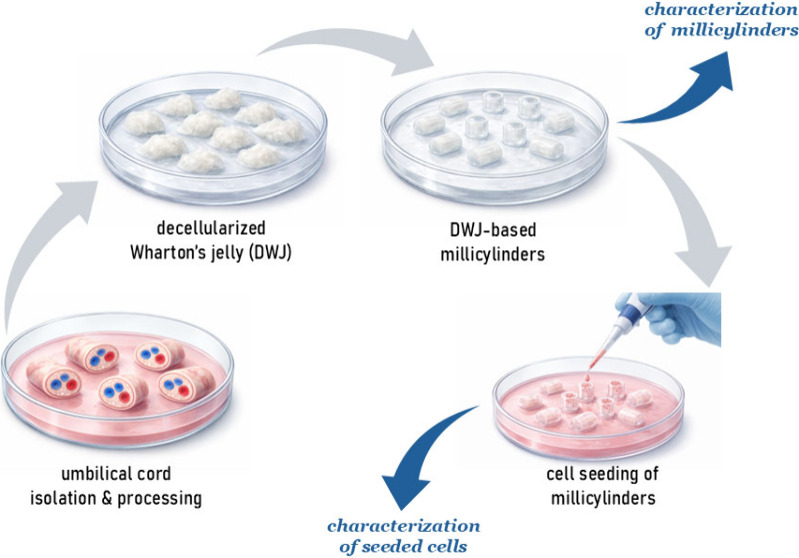 Figure 1
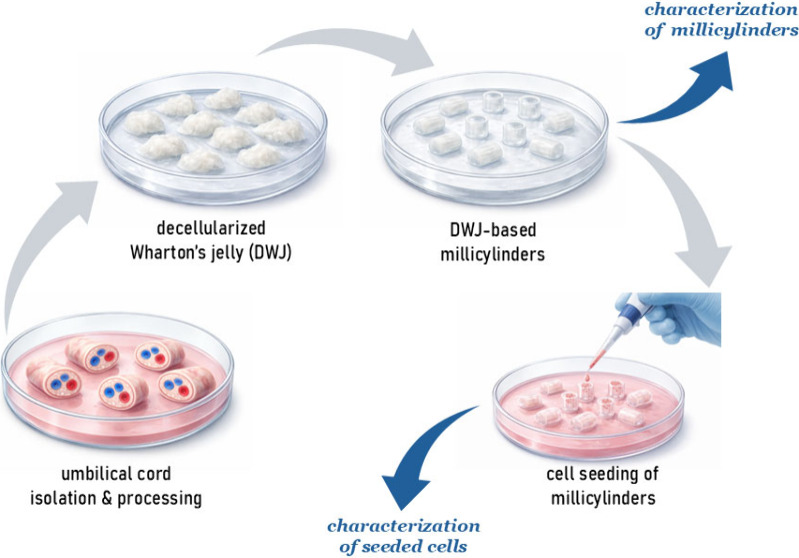 Figure 2
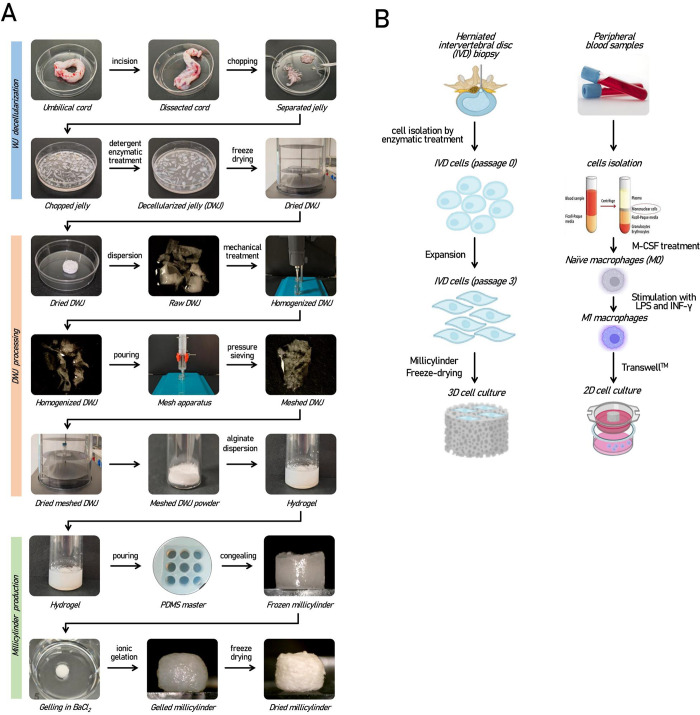 Figure 3
 Figure 4
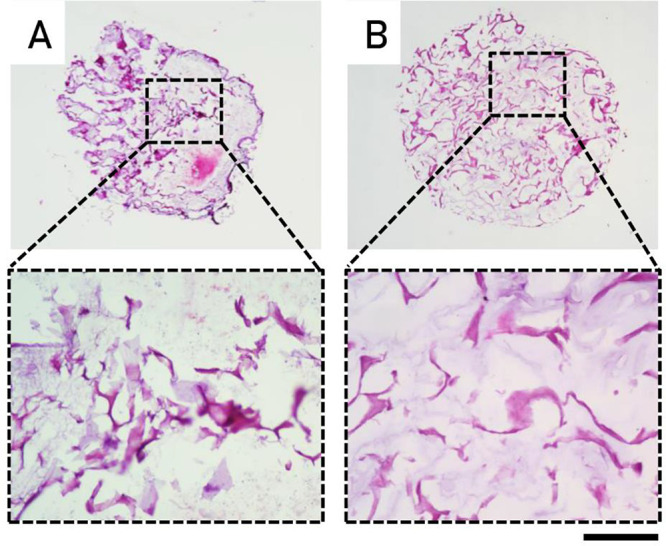 Figure 5
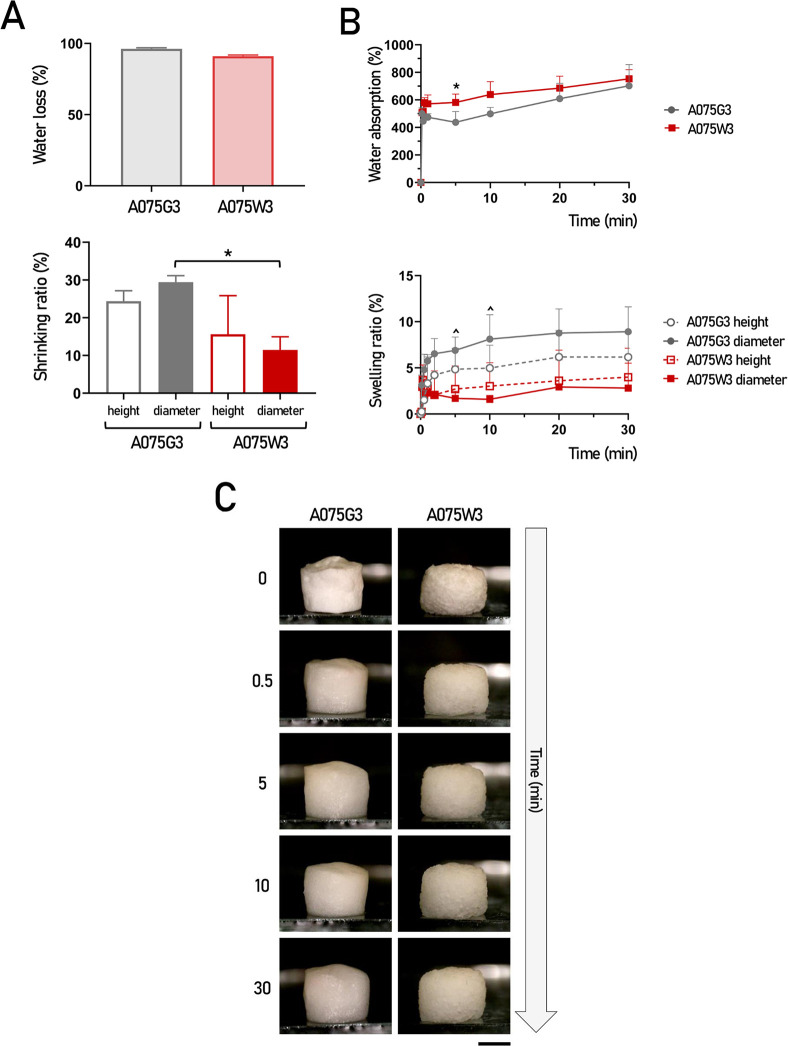 Figure 6
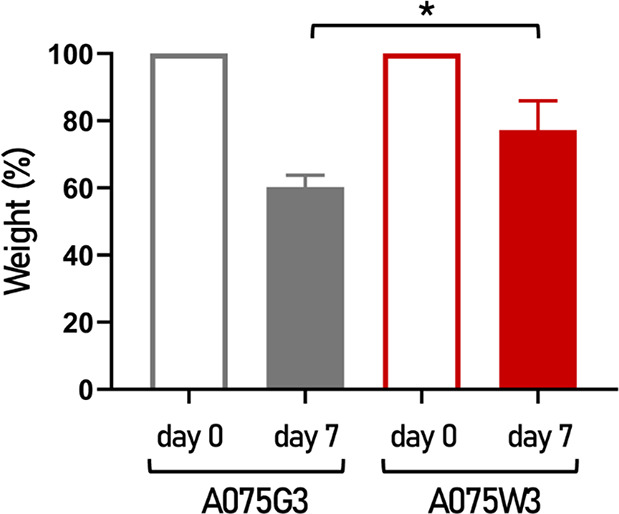 Figure 7
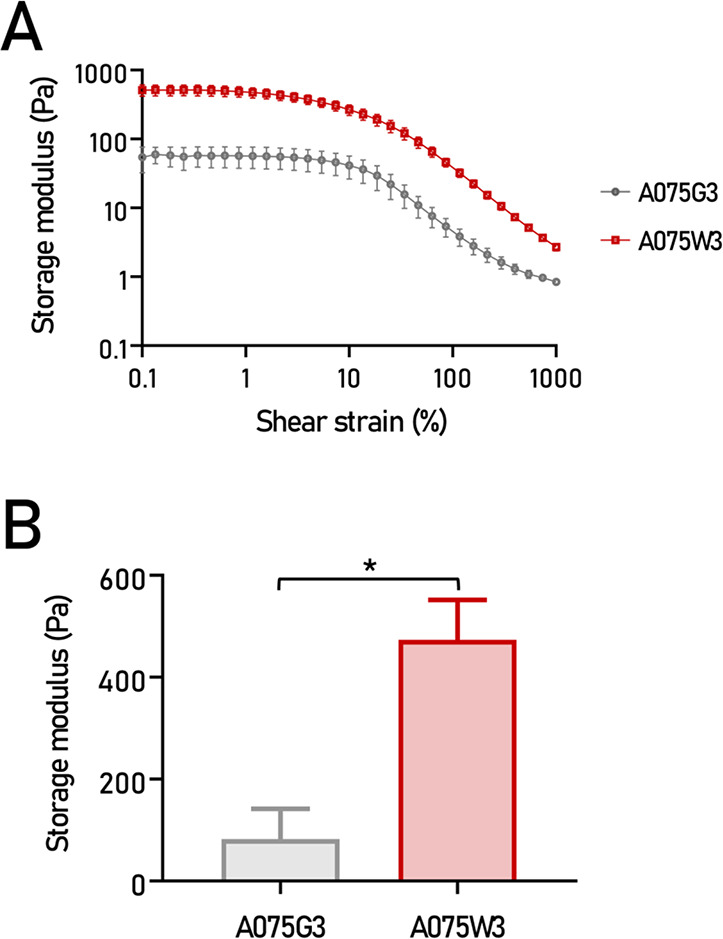 Figure 8
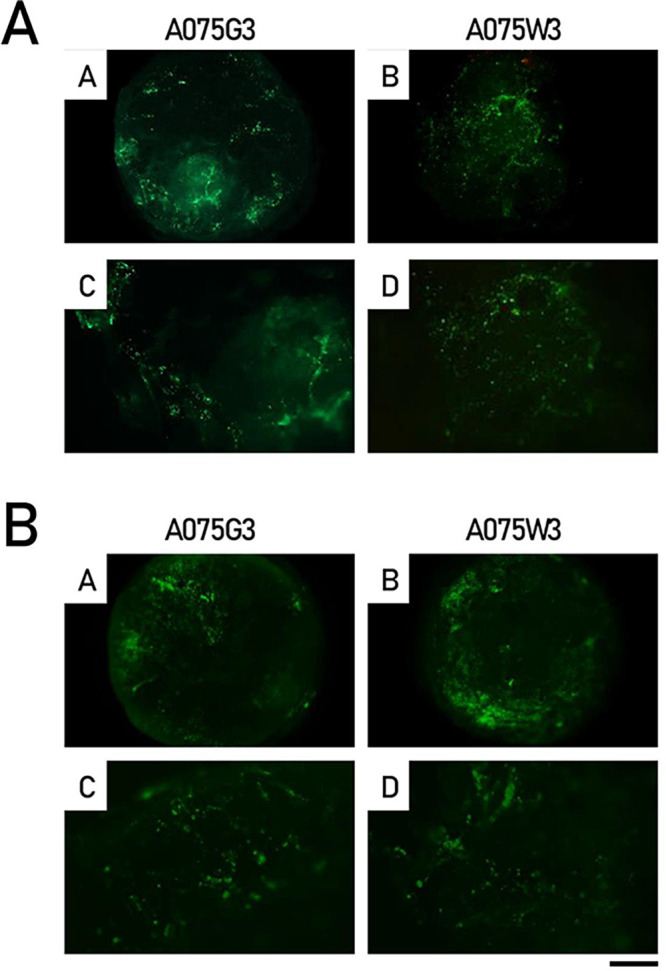 Figure 9
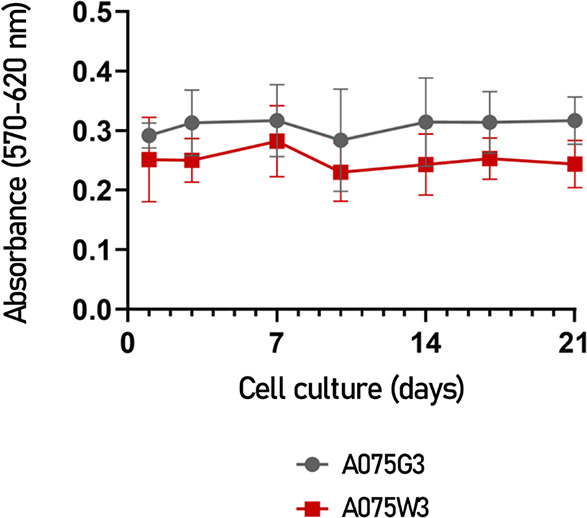 Figure 10
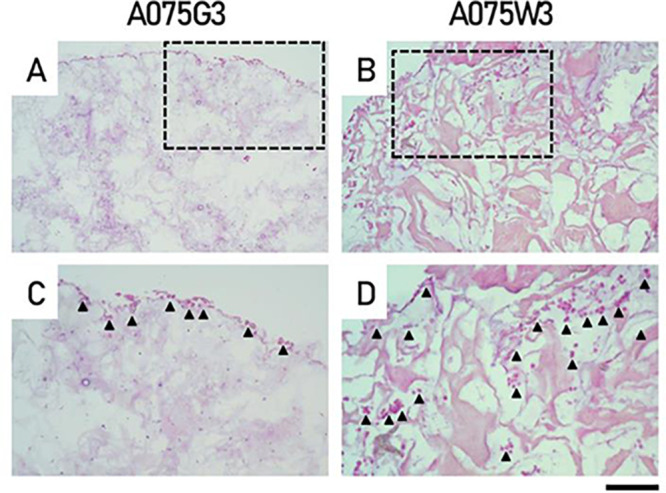 Figure 11
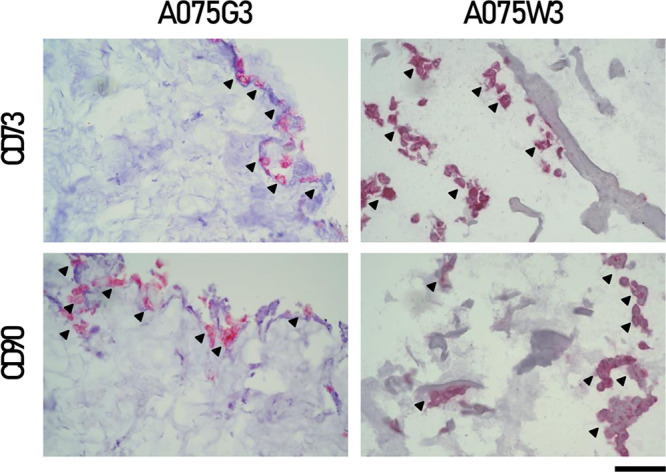 Figure 12
 Figure 13
 Figure 14
 Figure 15
 Figure 16
 Figure 17
Peer Reviews
No public reviews on file for this paper yet. If you reviewed it on a platform where reviews are public (OpenReview, ICLR, NeurIPS, ICML), you can paste yours below so the community can read it here.
Videos
No videos yet. Explain this paper in a talk, walkthrough, or lecture? Add one.
Taxonomy
TopicsSpine and Intervertebral Disc Pathology · Osteoarthritis Treatment and Mechanisms · Tissue Engineering and Regenerative Medicine