Quantitative Mapping of Fibrotic Tissue Mechanics via Brillouin Spectroscopy
Vsevolod Cheburkanov, Sujeong Jung, Mikhail Y. Berezin, Vladislav V. Yakovlev

TL;DR
This paper shows how Brillouin spectroscopy can detect tissue stiffness changes in fibrosis, offering a new way to diagnose and monitor the condition.
Contribution
The study is the first to demonstrate Brillouin spectroscopy for in situ fibrosis characterization in human models.
Findings
Brillouin spectroscopy can distinguish fibrotic from healthy tissue based on stiffness differences.
The technique enables real-time monitoring of viscoelastic property changes during fibrogenesis.
This is the first in situ application of Brillouin spectroscopy for fibrosis and wound healing in human tissue.
Abstract
Fibrosis is a pathological scarring process that disrupts tissue architecture, and is characterized by excessive extracellular matrix (ECM) deposition, leading to tissue stiffening and impaired organ function. Accurate quantification and spatial mapping of fibrotic tissue mechanics are critical for diagnosis, monitoring disease progression, and evaluating therapeutic responses. Here, we employ Brillouin microspectroscopy, a non‐invasive, label‐free optical technique, to quantify the mechanical properties of human fibrotic tissue in in situ. We show that Brillouin spectroscopy distinguishes fibrotic tissue from healthy tissue on the basis of localized differences in the complex longitudinal modulus and enables real‐time monitoring of dynamic alterations in viscoelastic properties during fibrogenesis. To our knowledge, this is the first demonstration of Brillouin spectroscopy for in situ…
Genes, proteins, chemicals, diseases, species, mutations and cell lines named across the full text — each resolved to its canonical identifier and authoritative record.
Click any figure to enlarge with its caption.
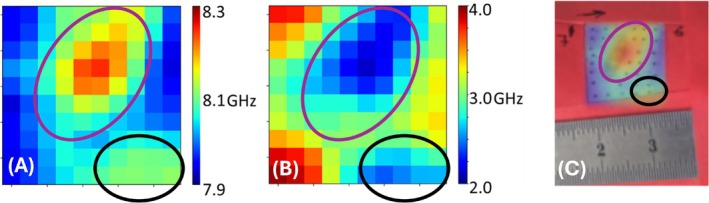 Figure 1
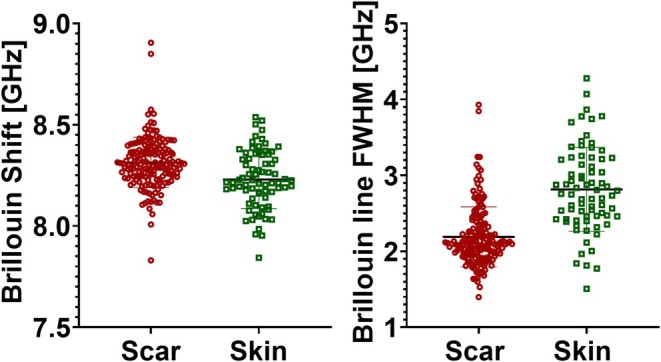 Figure 2
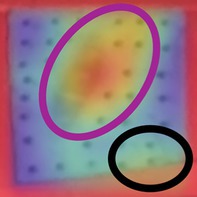 Figure 3
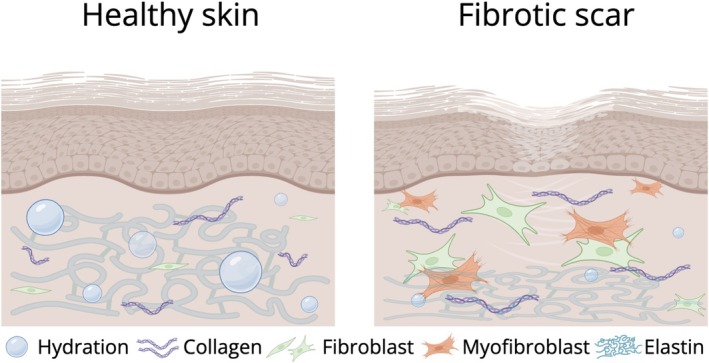 Figure 4
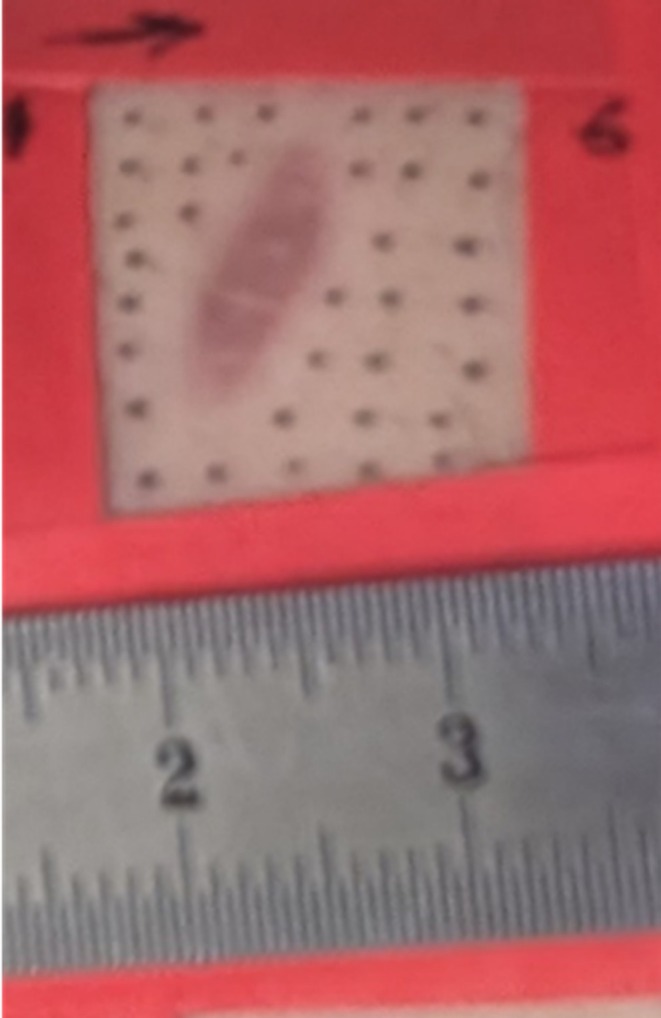 Figure 5
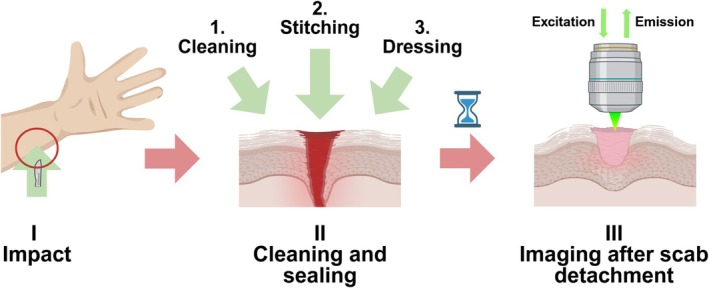 Figure 6
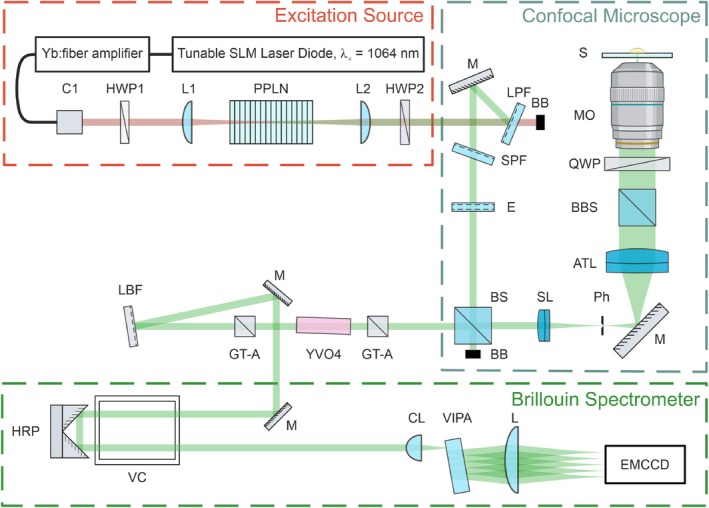 Figure 7
Peer Reviews
No public reviews on file for this paper yet. If you reviewed it on a platform where reviews are public (OpenReview, ICLR, NeurIPS, ICML), you can paste yours below so the community can read it here.
Videos
No videos yet. Explain this paper in a talk, walkthrough, or lecture? Add one.
Taxonomy
TopicsCellular Mechanics and Interactions · Optical Coherence Tomography Applications · Spectroscopy Techniques in Biomedical and Chemical Research