Zolpidem restores sleep and decreases amyloid in a mouse model
Lu Yu, Shinya Yokomizo, Tri H. Doan, Qiuchen Zhao, Akshatha Ganne, Meenakshisundaram Balasubramaniam, Ksenia V. Kastanenka

TL;DR
Zolpidem improves sleep and reduces amyloid in a mouse model of Alzheimer's disease, suggesting potential early-stage therapeutic benefits.
Contribution
Zolpidem is shown to restore sleep rhythms and reduce amyloid plaque burden in a mouse model of Alzheimer's disease.
Findings
Zolpidem restored NREM sleep and rescued slow oscillation brain rhythms in APP/PS1 mice.
Zolpidem reduced cortical amyloid plaque burden and neuronal calcium overload.
Zolpidem improved sleep-dependent memory consolidation without affecting locomotion.
Abstract
Deficits in non–rapid eye movement (NREM) sleep facilitate Alzheimer's disease (AD) progression. Enhancing gamma‐aminobutyric acid‐ergic (GABAergic) signaling can restore sleep. Unbiased computational analysis identified zolpidem as high‐affinity GABA receptor modulator facilitating chloride transport that could slow AD. Zolpidem's effects on sleep and Alzheimer's progression were evaluated in young APP/PS1 (amyloid precursor protein/presenilin 1) mice. Sleep was monitored with electroencephalography/electromyography (EEG/EMG) telemetry. Wide‐field imaging with voltage‐sensitive dyes (VSDs) was used to track sleep‐dependent brain rhythms. Multiphoton microscopy allowed assessments of amyloid plaque load and basal neuronal calcium levels. Behavioral assays were used to measure memory and cognitive function. Zolpidem restored NREM sleep and rescued sleep‐dependent brain rhythm, slow…
Genes, proteins, chemicals, diseases, species, mutations and cell lines named across the full text — each resolved to its canonical identifier and authoritative record.
Click any figure to enlarge with its caption.
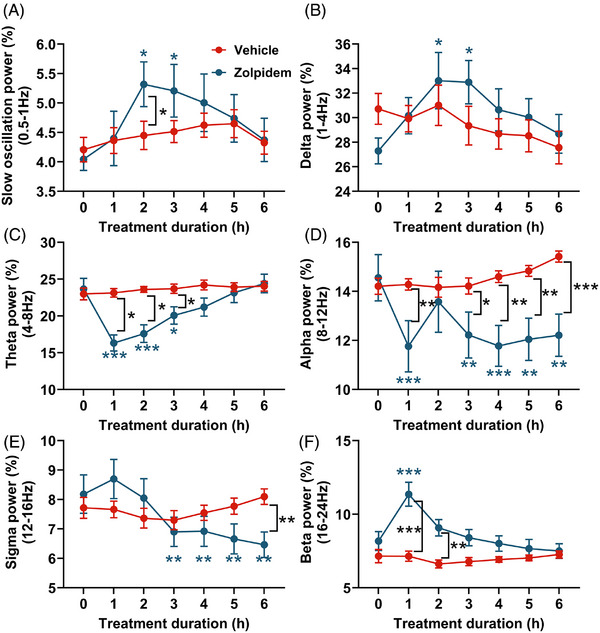 Figure 1
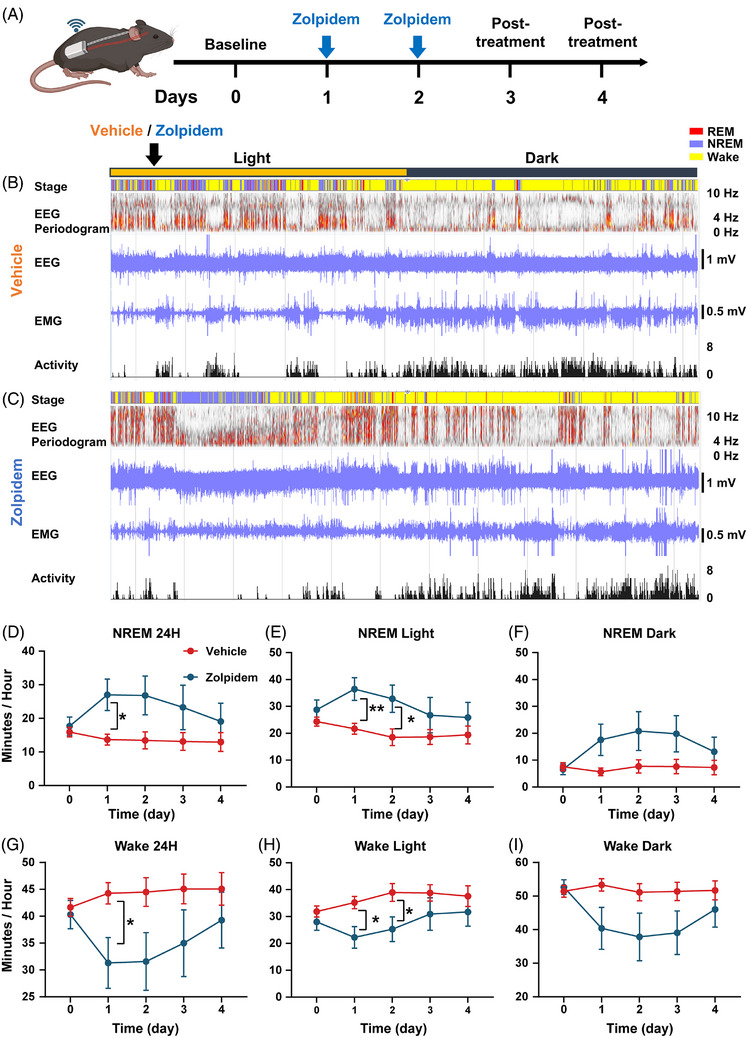 Figure 2
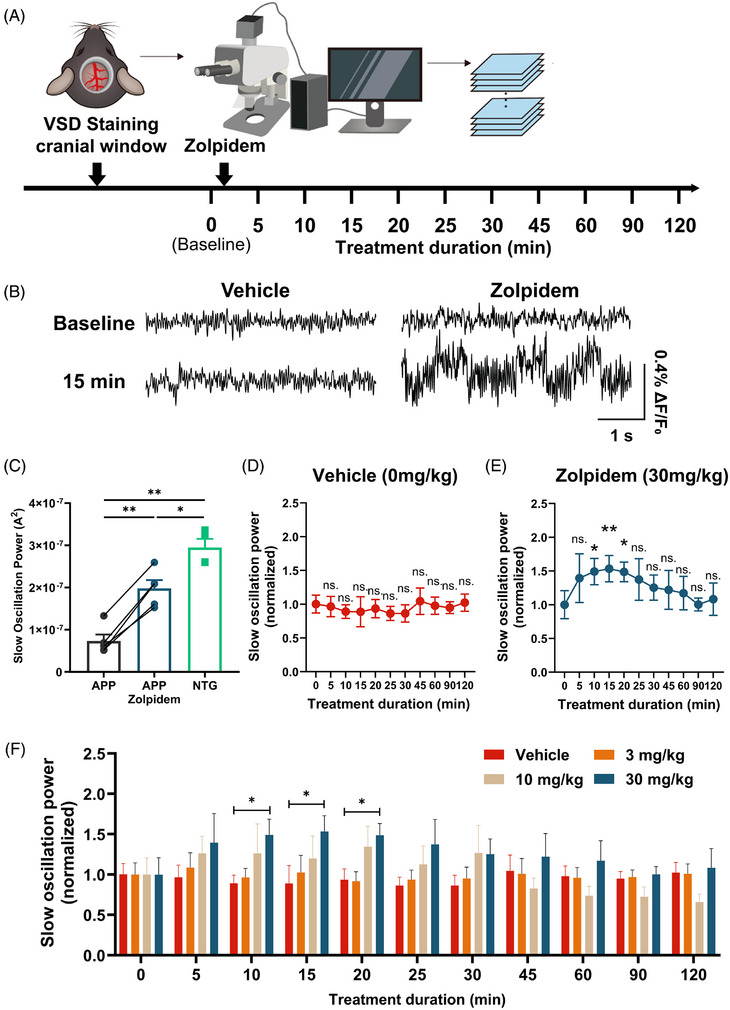 Figure 3
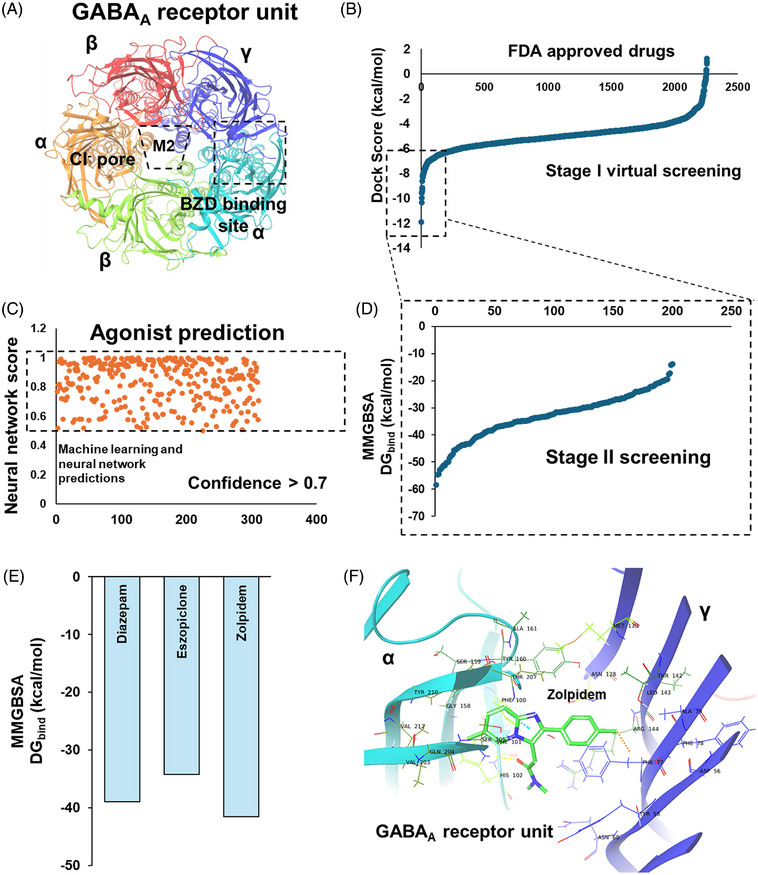 Figure 4
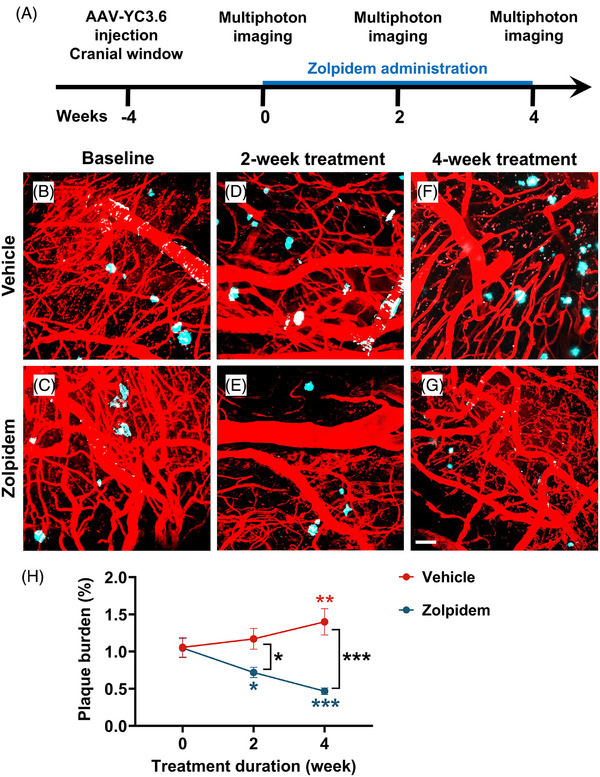 Figure 5
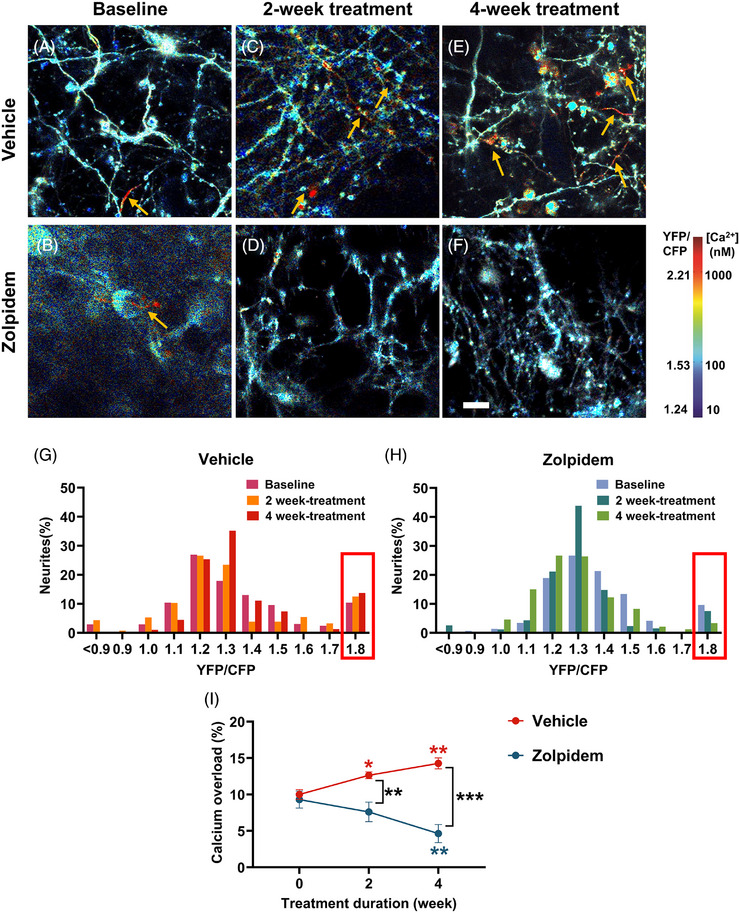 Figure 6
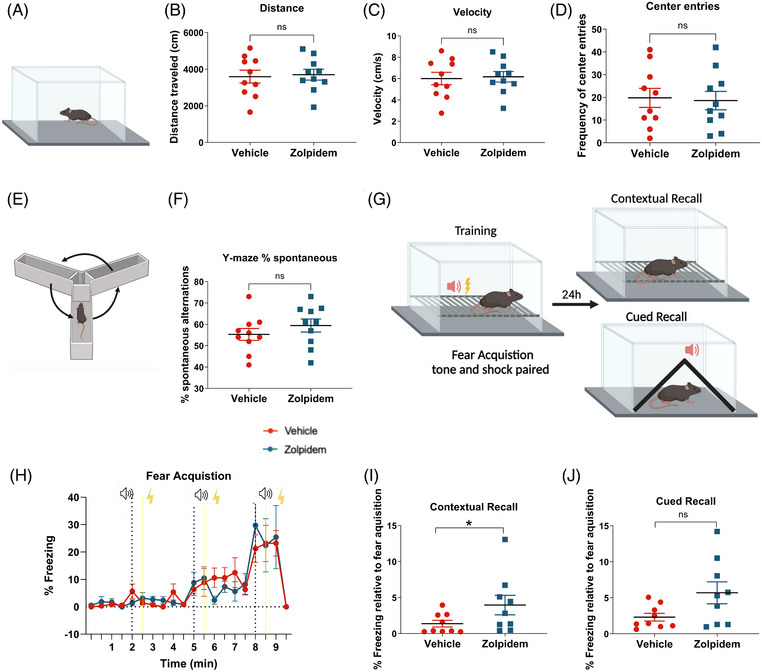 Figure 7
Peer Reviews
No public reviews on file for this paper yet. If you reviewed it on a platform where reviews are public (OpenReview, ICLR, NeurIPS, ICML), you can paste yours below so the community can read it here.
Videos
No videos yet. Explain this paper in a talk, walkthrough, or lecture? Add one.
Taxonomy
TopicsSleep and Wakefulness Research · Sleep and related disorders · Restless Legs Syndrome Research