Deep brain stimulation in children with acquired dystonia
Lea Hagelschuer, Anne Koy

TL;DR
This paper reviews the use of deep brain stimulation in children with dystonia, summarizing its effects and future directions.
Contribution
The paper provides a comprehensive review of DBS outcomes and factors affecting treatment in pediatric dystonia.
Findings
DBS shows both short- and long-term benefits in motor and non-motor domains for pediatric dystonia.
Patient selection and treatment response are influenced by various factors requiring further study.
Future research is needed to improve understanding and outcomes of DBS in these patients.
Abstract
The aim of this review is to present the current state of knowledge on deep brain stimulation (DBS) in pediatric patients with acquired dystonia. We summarize the short- and long-term effects of DBS on motor and non-motor domains and discuss potential factors influencing treatment response and patient selection. Furthermore, in view of the limitations of the existing data future perspectives are discussed, which could contribute to an improved understanding of disease mechanisms and outcome predictors in order to optimize the treatment by invasive neuromodulation in these often complex disabled patients.
Genes, proteins, chemicals, diseases, species, mutations and cell lines named across the full text — each resolved to its canonical identifier and authoritative record.
Click any figure to enlarge with its caption.
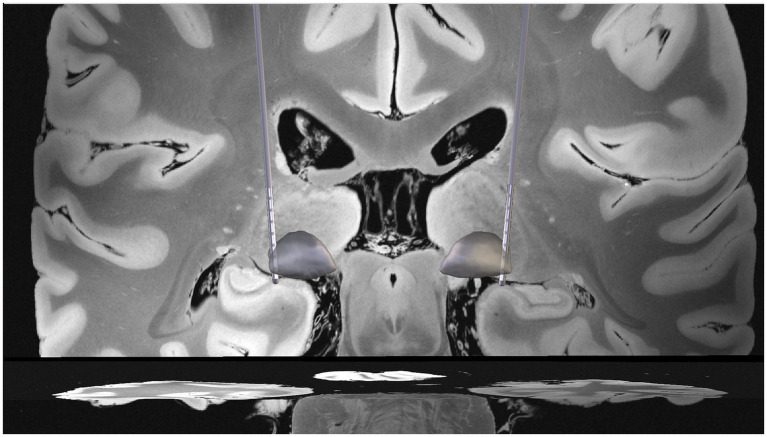 Figure 1
Peer Reviews
No public reviews on file for this paper yet. If you reviewed it on a platform where reviews are public (OpenReview, ICLR, NeurIPS, ICML), you can paste yours below so the community can read it here.
Videos
No videos yet. Explain this paper in a talk, walkthrough, or lecture? Add one.
Taxonomy
TopicsNeurological disorders and treatments · Botulinum Toxin and Related Neurological Disorders · Transcranial Magnetic Stimulation Studies