Complete High Thoracic Spinal Cord Injury Causes Bowel Dysfunction in Mice
Olivia H. Wireman, Ellie L. Sams, Lynnet E. Richey, Gabrielle V. Hammers, Andrew N. Stewart, William M. Bailey, Samir P. Patel, John C. Gensel

TL;DR
This study shows that high thoracic spinal cord injury in mice leads to long-term bowel dysfunction, including changes in fecal output and colon motility.
Contribution
The study establishes a new mouse model that replicates human SCI-induced bowel dysfunction for future research.
Findings
SCI mice showed increased fecal pellets in the colon and reduced fecal output compared to sham-injured mice.
SCI caused decreased pellet size and non-significant reductions in colonic motility at multiple timepoints.
SCI led to increased colon muscle contractility and collagen deposition in the distal colon at 21 days post-injury.
Abstract
Bowel dysfunction, is a prevalent and life-impacting comorbidity of spinal cord injury (SCI) with no long-term treatment available. SCI-induced colon changes including motility and fibrosis are understudied as are strategies to address SCI bowel dysfunction. This need remains partly due to the lack of a mouse model that recapitulates the human condition. We hypothesized that a high thoracic spinal transection in mice would trigger bowel dysfunction with coincident colon pathology similar to humans and rats after SCI. We observed bowel dysfunction as increased fecal pellet numbers within the colon, smaller pellet size, and decreased motility. Fecal pellets numbers in the colon increased significantly in SCI animals versus sham (laminectomy only) injuries by 4 days postinjury (dpi) and persisted to 7 and 21 dpi. The number of pellets expelled (fecal output) significantly decreased in SCI…
Genes, proteins, chemicals, diseases, species, mutations and cell lines named across the full text — each resolved to its canonical identifier and authoritative record.
Click any figure to enlarge with its caption.
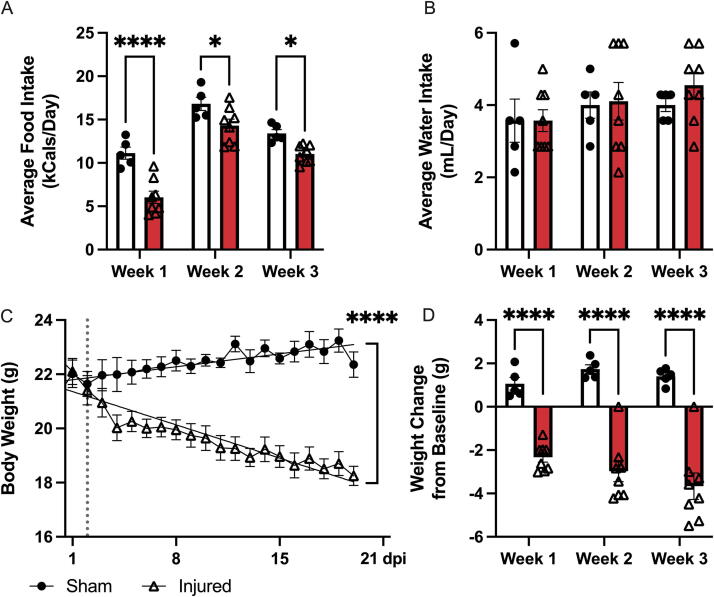 Figure 1
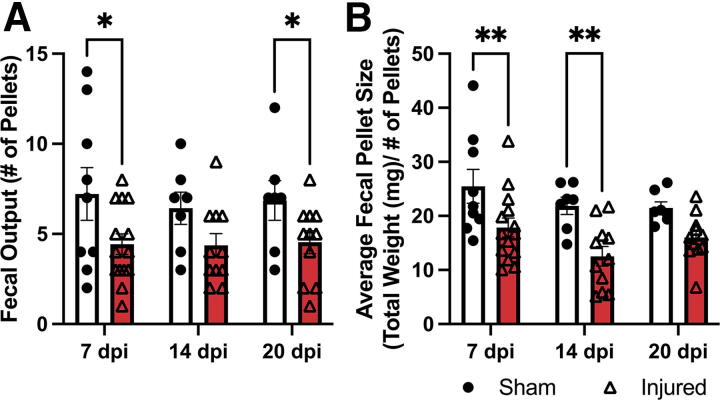 Figure 2
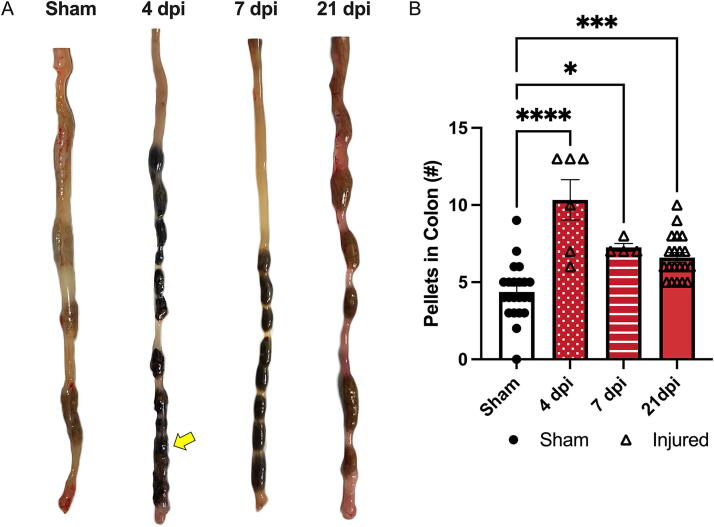 Figure 3
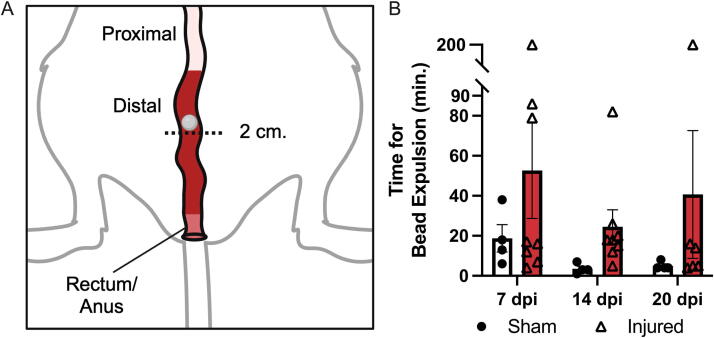 Figure 4
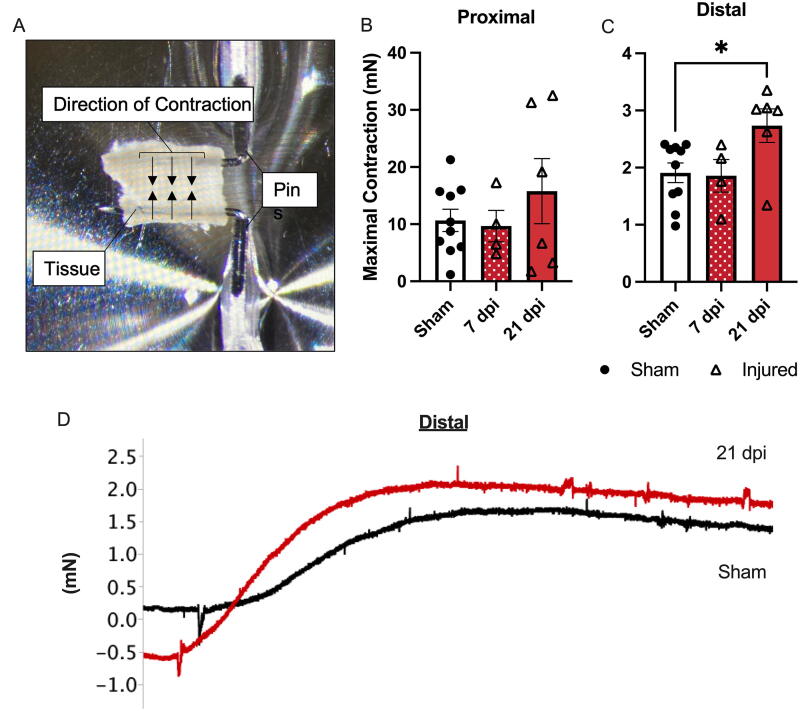 Figure 5
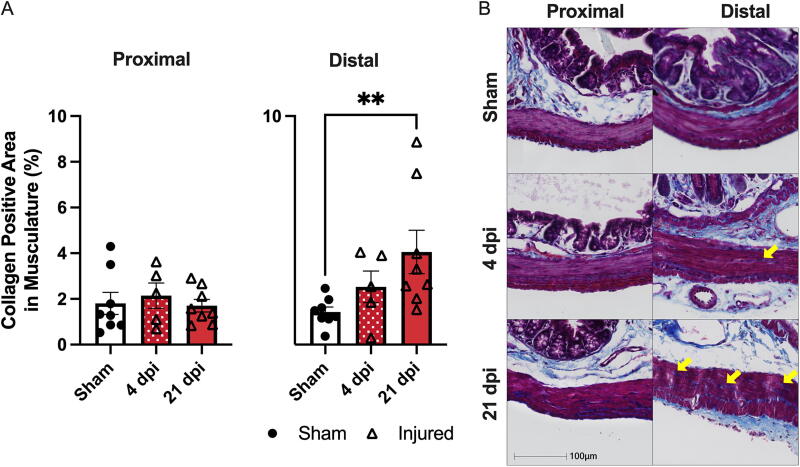 Figure 6
Peer Reviews
No public reviews on file for this paper yet. If you reviewed it on a platform where reviews are public (OpenReview, ICLR, NeurIPS, ICML), you can paste yours below so the community can read it here.
Videos
No videos yet. Explain this paper in a talk, walkthrough, or lecture? Add one.
Taxonomy
TopicsSpinal Cord Injury Research · Spinal Dysraphism and Malformations · Nerve Injury and Rehabilitation