Real-World Impact and Educational Effectiveness of an AI-Powered Medical History-Taking System: Retrospective Propensity Score-Matched Cohort Study
Yang Liu, Yiying Zhu, Weishan Zhang, Xian Lu, Liping Wu, Minghui Yue, Oudong Xia, Chujun Shi

TL;DR
An AI-powered system for medical history-taking training improved student performance in real-world settings, with benefits varying based on students' prior academic ability.
Contribution
This study provides real-world evidence that voluntary use of an AI-based training system improves medical history-taking skills in students.
Findings
AMTES users outperformed nonusers by 3% in final examination scores.
High-intensity practice did not lead to significantly higher scores or excellence probability.
Higher baseline academic ability was associated with greater benefits from AMTES use.
Abstract
Medical history-taking is a core clinical skill; yet, traditional teaching methods face challenges. We developed an artificial intelligence–powered medical history-taking training and evaluation system (AMTES) and established its technical feasibility as an extracurricular resource. Evidence on whether such tools improve learning outcomes when voluntarily embedded in routine curricula remains limited. This study aimed to evaluate the real-world educational effectiveness of AMTES as an opt-in extracurricular tool and examine whether learning gains vary by practice patterns and baseline academic ability. We conducted a retrospective cohort study of the 2024-2025 Diagnostics course cohort (N=478) at Shantou University Medical College, China, using total population sampling. Students were categorized as AMTES users (n=205, 42.9%; ≥1 sessions) and nonusers (n=273, 57.1%) based on their…
Genes, proteins, chemicals, diseases, species, mutations and cell lines named across the full text — each resolved to its canonical identifier and authoritative record.
Click any figure to enlarge with its caption.
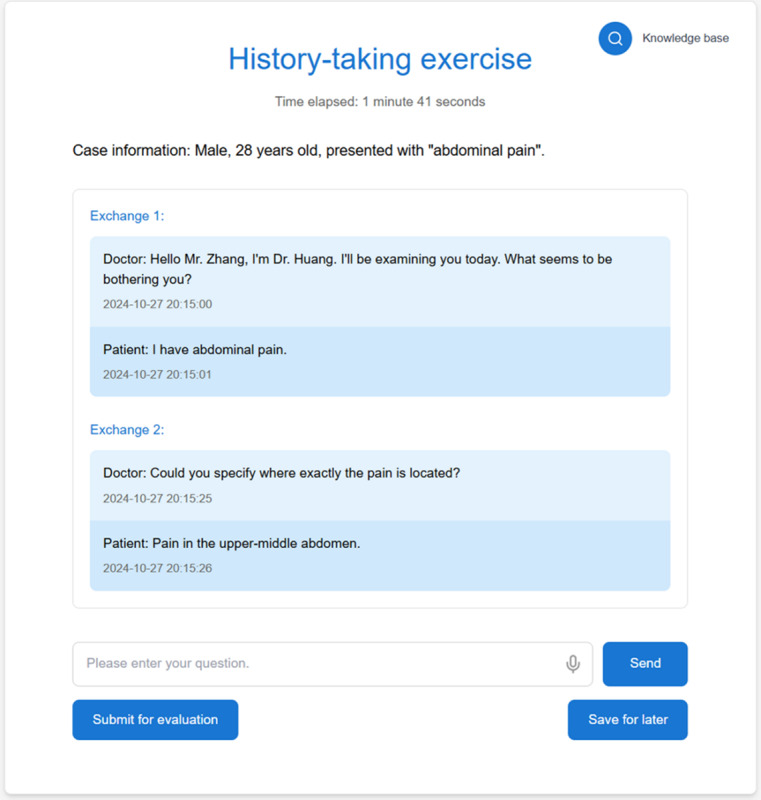 Figure 1
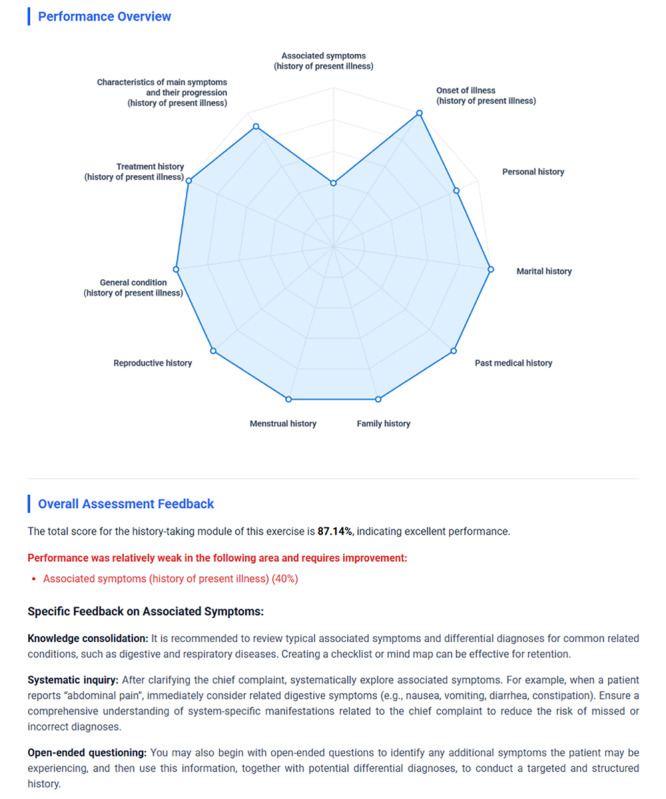 Figure 2
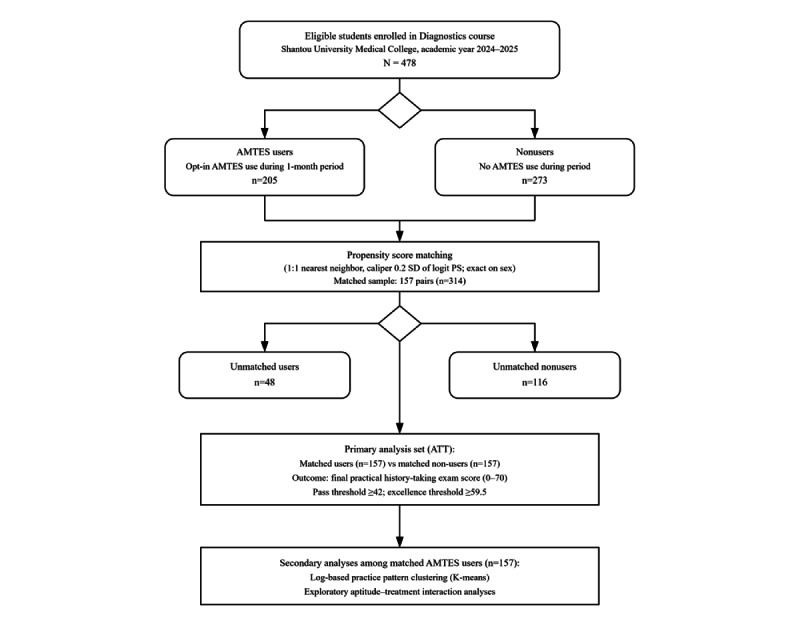 Figure 3
 Figure 4
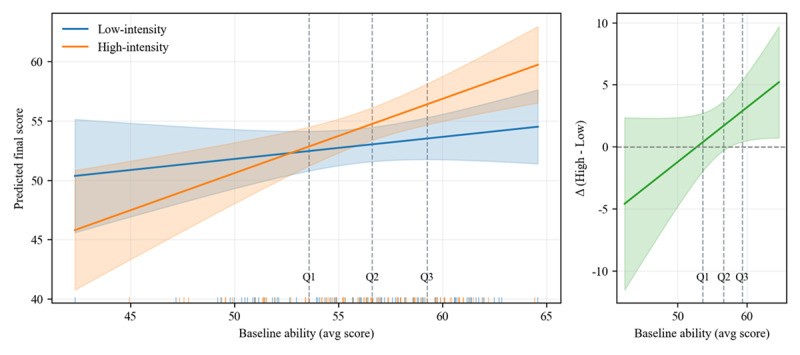 Figure 5
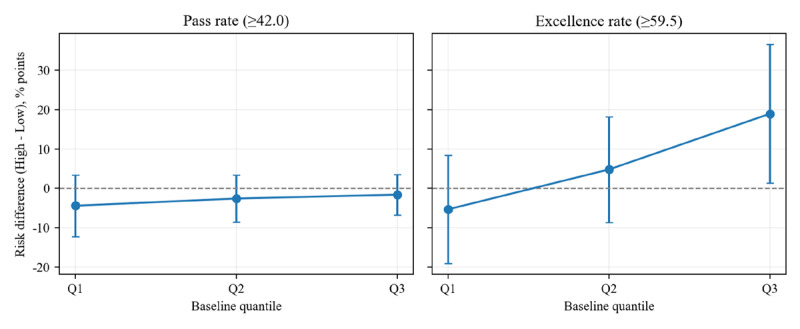 Figure 6
Peer Reviews
No public reviews on file for this paper yet. If you reviewed it on a platform where reviews are public (OpenReview, ICLR, NeurIPS, ICML), you can paste yours below so the community can read it here.
Videos
No videos yet. Explain this paper in a talk, walkthrough, or lecture? Add one.
Taxonomy
TopicsArtificial Intelligence in Healthcare and Education · Clinical Reasoning and Diagnostic Skills · Simulation-Based Education in Healthcare