SS-31 improves post-cardiac arrest brain injury by inhibiting microglial ferroptosis and polarization
Tangxing Jiang, Huidan Zhang, Yijun Sun, Xianfei Ji, Li Xue, Chang Pan, Yunyun Guo, Feng Xu

TL;DR
SS-31, a mitochondria-targeting peptide, reduces brain injury after cardiac arrest by inhibiting microglial ferroptosis and shifting microglia to an anti-inflammatory state.
Contribution
This study demonstrates that SS-31 improves post-cardiac arrest brain injury through inhibition of microglial ferroptosis and regulation of the Sesn2 signaling pathway.
Findings
SS-31 improved survival rates and neurological outcomes in post-cardiac arrest rats.
SS-31 reduced microglial ferroptosis and shifted microglia from pro-inflammatory M1 to anti-inflammatory M2 phenotype.
The protective effects of SS-31 were mediated through the Sesn2 signaling pathway.
Abstract
Accumulating evidence suggests that ferroptosis and mitochondrial dysfunction contribute significantly to brain injury following cardiac arrest (CA) and resuscitation. SS-31, a novel mitochondria-targeting peptide, has demonstrated protective effects against mitochondrial dysfunction induced by ischemia/reperfusion injury. This study aimed to investigate the neuroprotective effects of SS-31 in post-CA brain injury and clarify the underlying signaling mechanisms. An in vivo rat model of CA and resuscitation was established. Following resuscitation, animals were randomly divided into three groups: a saline-treated control group, an SS-31-treated group, and a sham-operated control group. Survival rates, neurological deficit scores, serum neuronal injury markers (NSE and S100B), and histopathological changes were evaluated for up to 72 h post-resuscitation. Mechanistically,…
Genes, proteins, chemicals, diseases, species, mutations and cell lines named across the full text — each resolved to its canonical identifier and authoritative record.
Click any figure to enlarge with its caption.
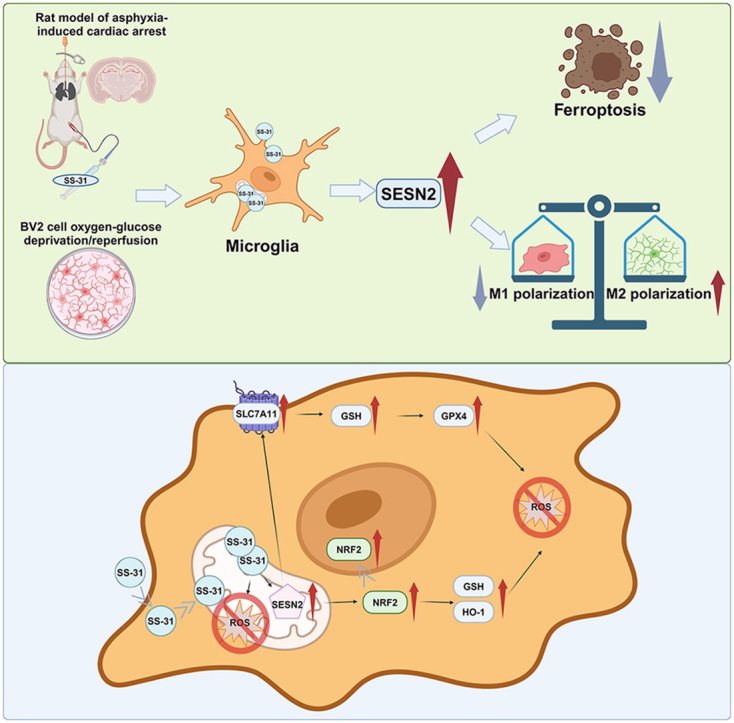 Figure 1
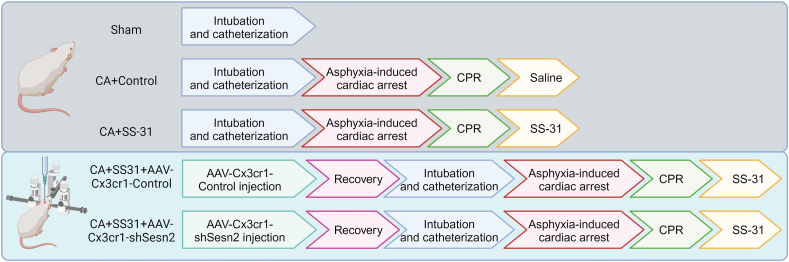 Figure 2
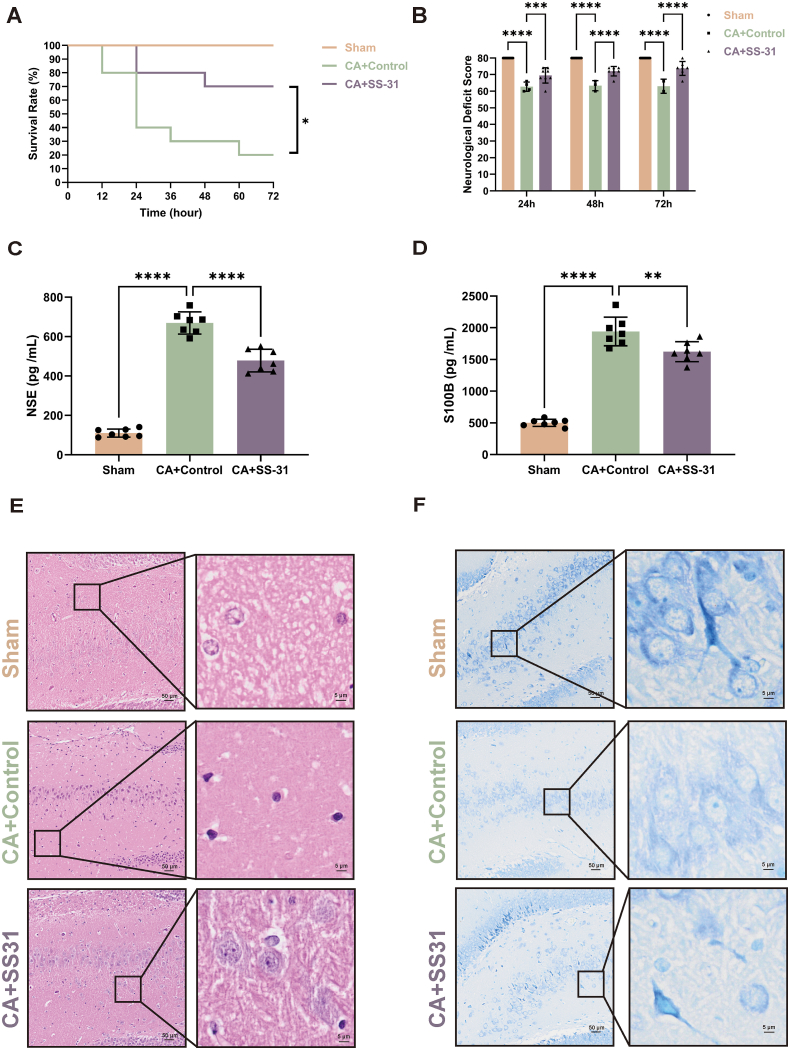 Figure 3
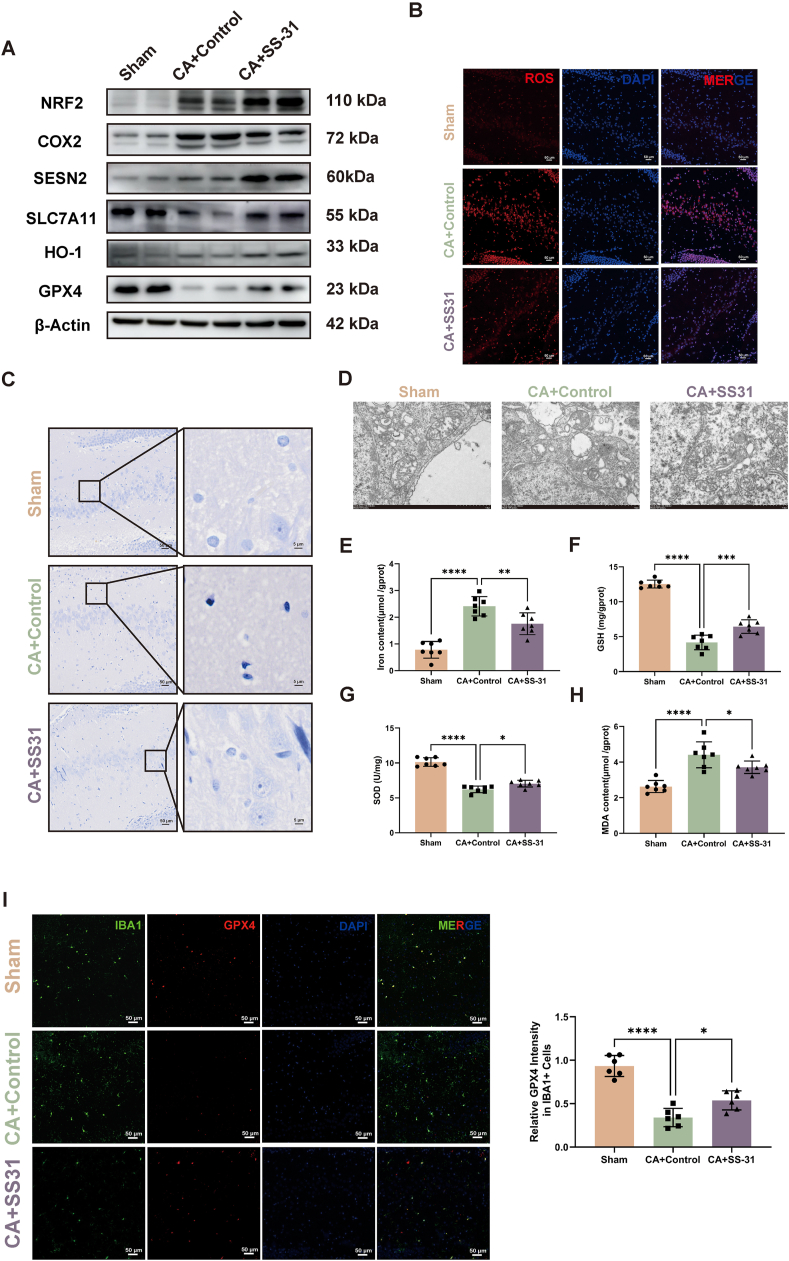 Figure 4
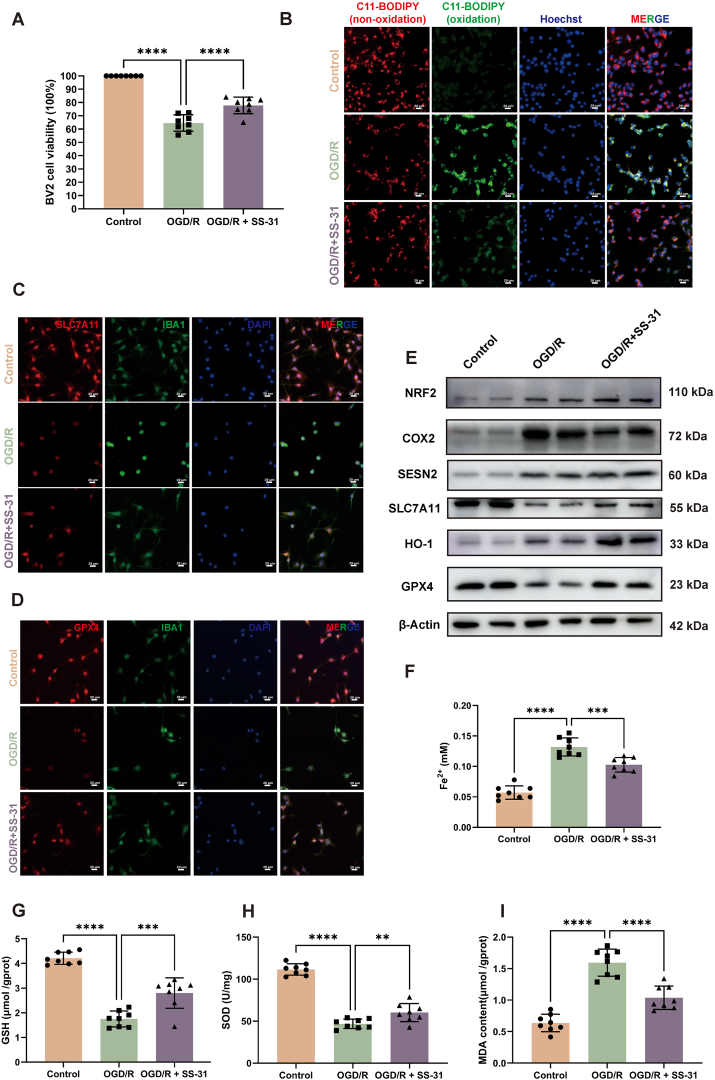 Figure 5
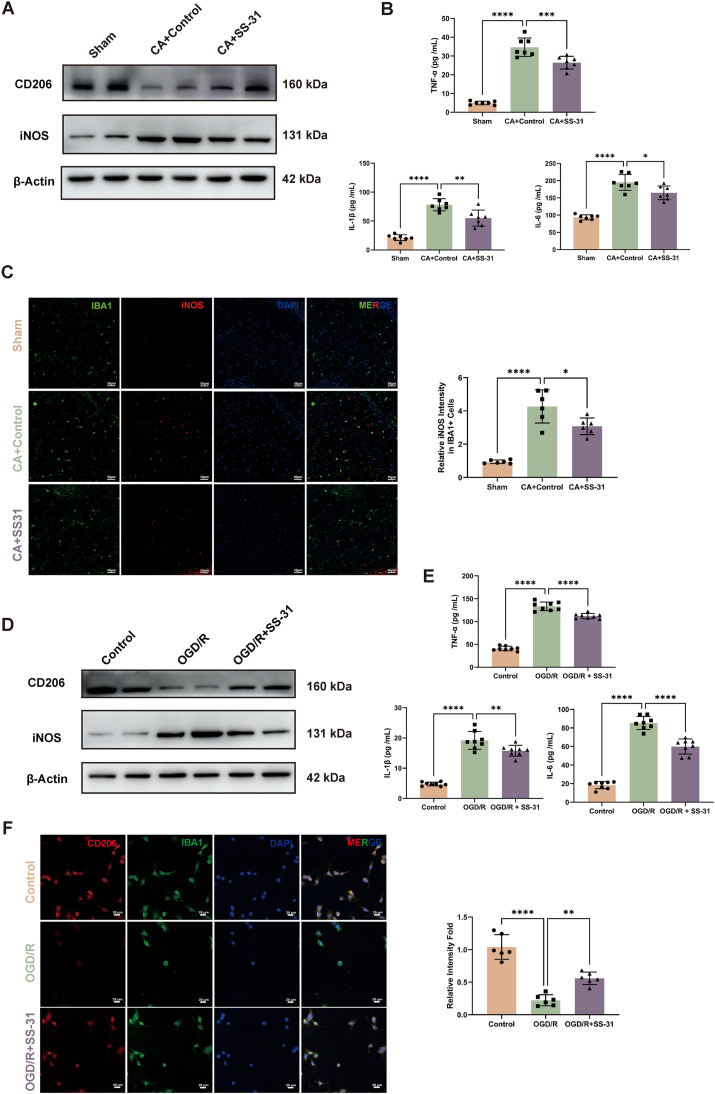 Figure 6
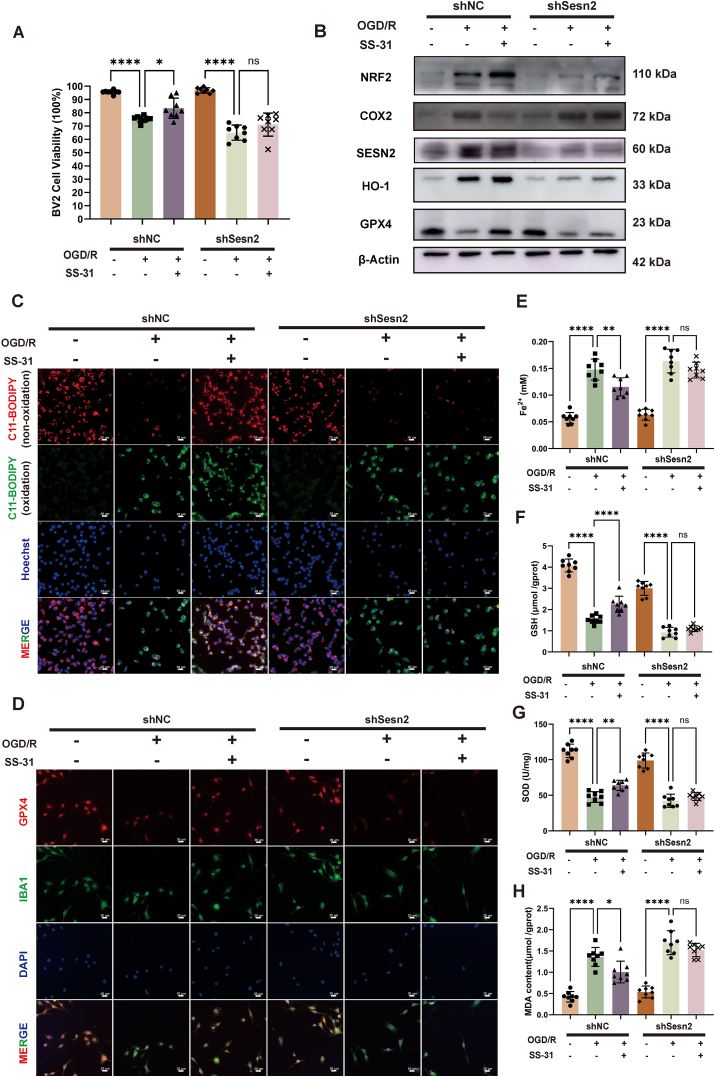 Figure 7
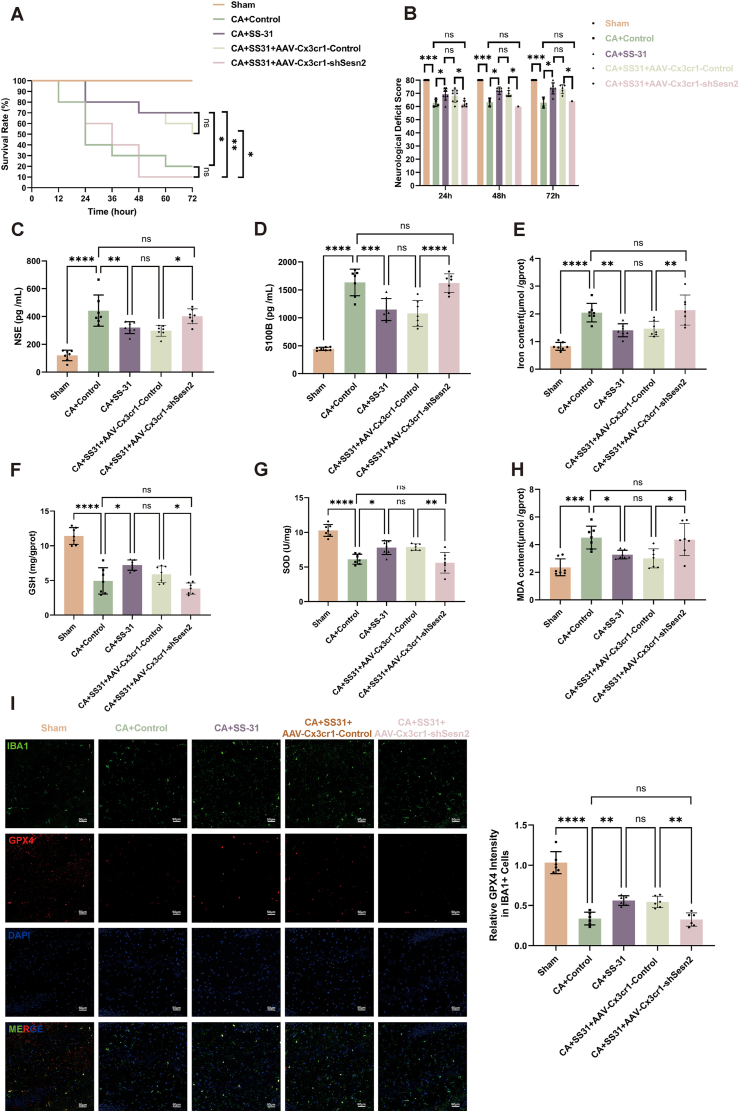 Figure 8
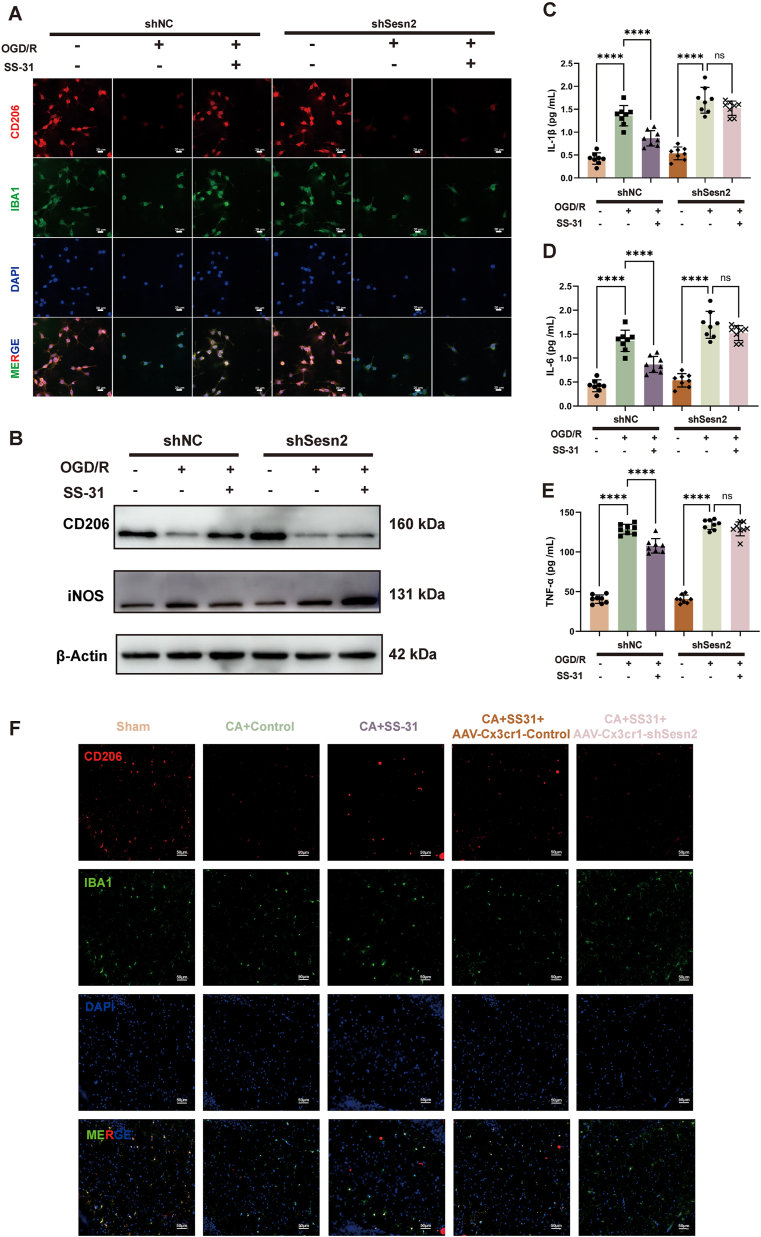 Figure 9
Peer Reviews
No public reviews on file for this paper yet. If you reviewed it on a platform where reviews are public (OpenReview, ICLR, NeurIPS, ICML), you can paste yours below so the community can read it here.
Videos
No videos yet. Explain this paper in a talk, walkthrough, or lecture? Add one.
Taxonomy
TopicsS100 Proteins and Annexins · Intracerebral and Subarachnoid Hemorrhage Research · Neuroinflammation and Neurodegeneration Mechanisms