Sigma-1-targeting multimodal compound HBK-15 reverses memory deficits and restores hippocampal plasticity under NMDA hypofunction
Kinga Sałaciak, Klaudia Lustyk, Angelika Jagielska, Małgorzata Szafarz, Sara Inteiro-Oliveira, Maria José Diógenes, Sara Xapelli, Paulina Schnur, Lucy Morton, Erin Moran, Jacques Ferreira, Shuzo Sakata, Lucie Crouzier, Johann Meunier, Benjamin Delprat, Tangui Maurice

TL;DR
HBK-15, a compound targeting sigma-1 receptors, improves memory and hippocampal function in a mouse model of NMDA hypofunction, suggesting potential for treating cognitive symptoms in depression and schizophrenia.
Contribution
HBK-15 is shown to reverse memory deficits and restore hippocampal plasticity via sigma-1 receptor activation under NMDA hypofunction.
Findings
HBK-15 reversed MK-801-induced memory deficits in mice, outperforming vortioxetine and lurasidone.
HBK-15 restored hippocampal long-term potentiation and theta-gamma coupling under NMDA blockade.
HBK-15's effects depend on sigma-1 receptor activity, supporting its role as a therapeutic target.
Abstract
Memory impairment is among the most disabling features of depression and schizophrenia, yet remains largely untreated by available pharmacotherapies. NMDA receptor hypofunction is strongly implicated in these deficits, while sigma-1 receptors, by stabilizing calcium signaling and supporting glutamatergic plasticity, have emerged as a promising therapeutic target. HBK-15, a methoxyphenylpiperazine derivative with a multimodal receptor profile, had previously shown preliminary anti-amnesic activity in rodents, prompting us to test its efficacy under NMDA receptor hypofunction. We therefore investigated whether HBK-15 engages sigma-1 receptors and restores memory in a mouse model of MK-801-induced impairment. HBK-15 bound sigma-1 receptors with high affinity and showed functional agonist activity in the BiP assay. Behaviorally, HBK-15 reversed MK-801-induced recognition and spatial memory…
Genes, proteins, chemicals, diseases, species, mutations and cell lines named across the full text — each resolved to its canonical identifier and authoritative record.
Click any figure to enlarge with its caption.
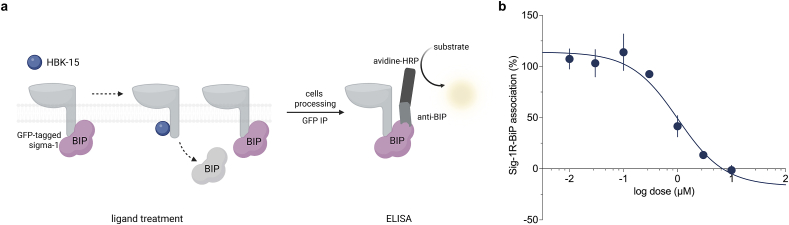 Figure 1
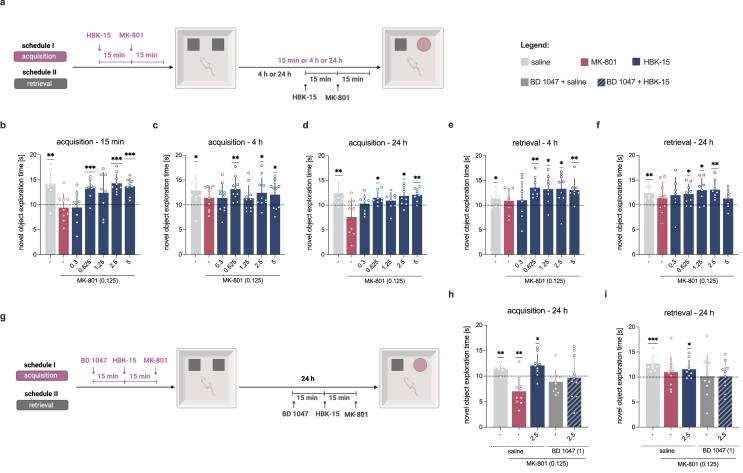 Figure 2
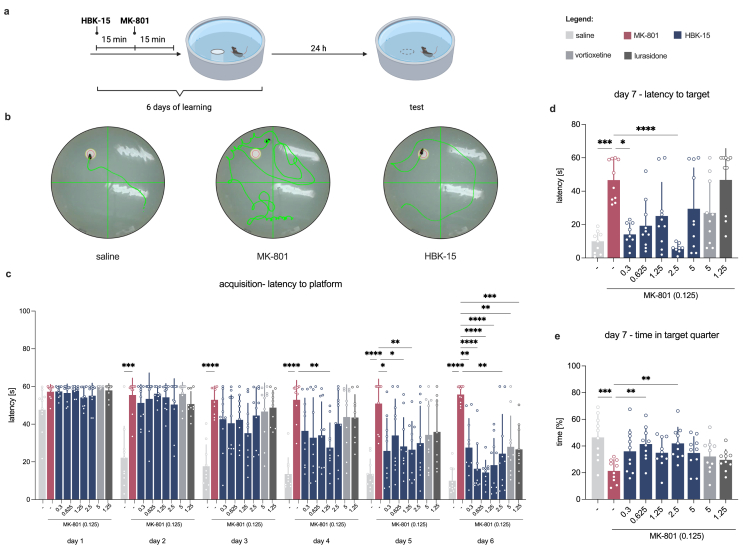 Figure 3
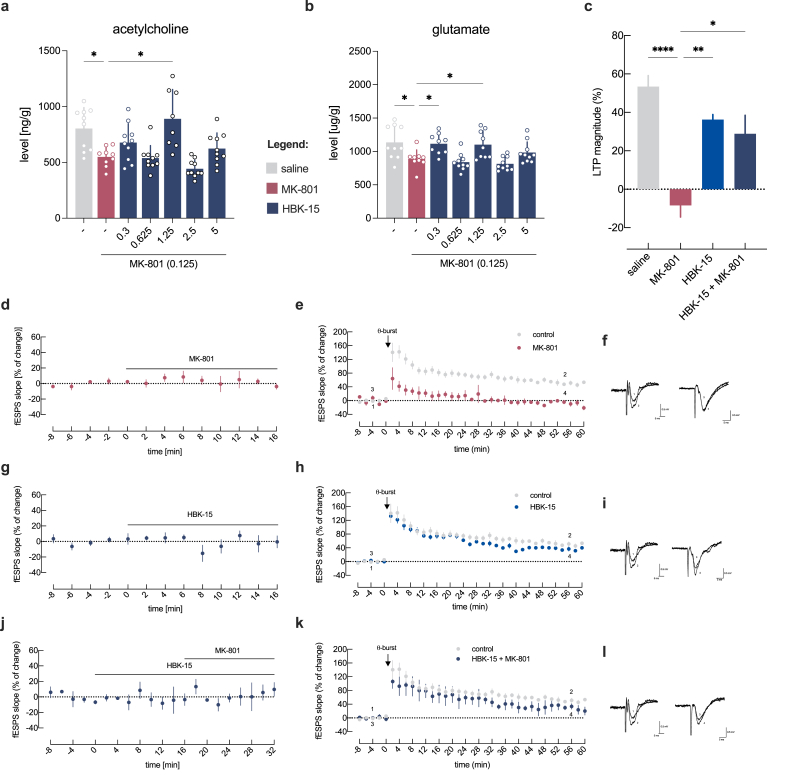 Figure 4
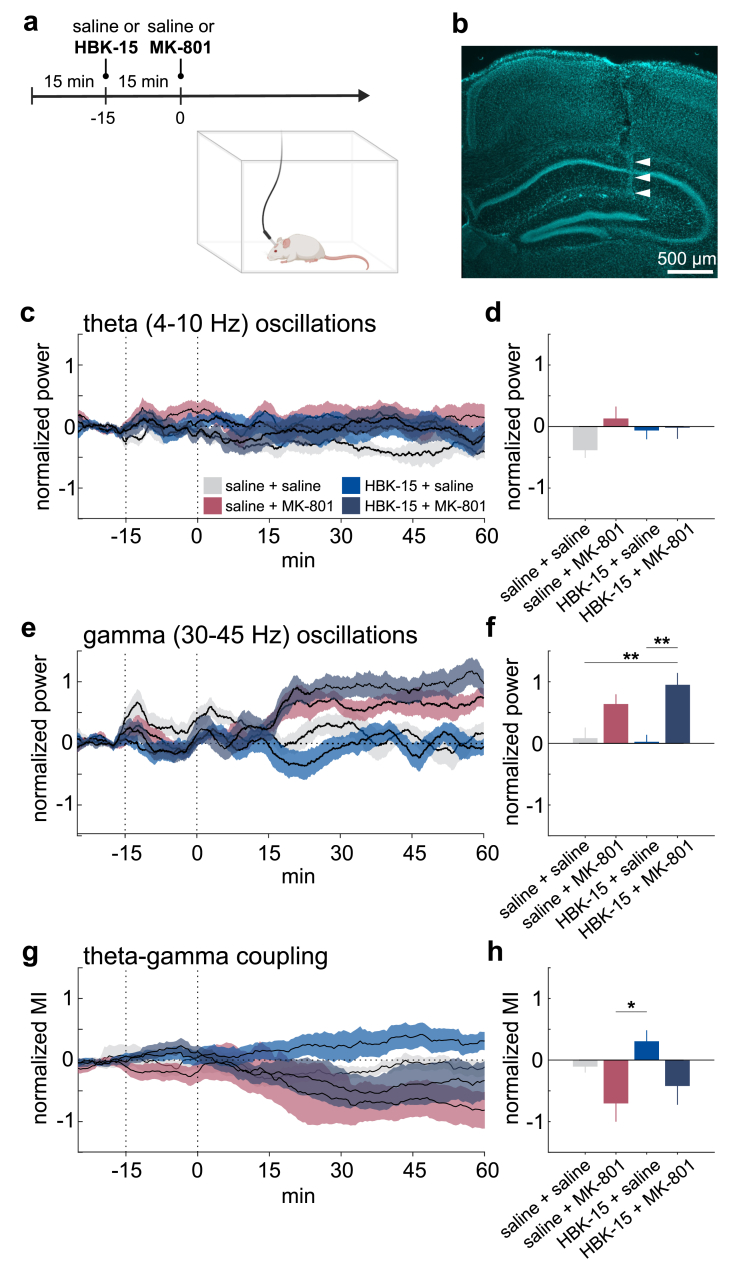 Figure 5
Peer Reviews
No public reviews on file for this paper yet. If you reviewed it on a platform where reviews are public (OpenReview, ICLR, NeurIPS, ICML), you can paste yours below so the community can read it here.
Videos
No videos yet. Explain this paper in a talk, walkthrough, or lecture? Add one.
Taxonomy
TopicsPharmacological Receptor Mechanisms and Effects · Neuroscience and Neuropharmacology Research · Nicotinic Acetylcholine Receptors Study