Medicinal cannabis plant extract (NTI164) modifies epigenetic, ribosomal, and immune pathways in paediatric acute-onset neuropsychiatric syndrome
Brooke A. Keating, Velda X. Han, Hiroya Nishida, Nader Aryamanesh, Lee L. Marshall, Brian S. Gloss, Xianzhong Lau, Ruwani Dissanayake, Suat Dervish, Mark E. Graham, Shekeeb S. Mohammad, Manoj Kanhangad, Michael C. Fahey, Shrujna Patel, Russell C. Dale

TL;DR
A cannabis extract (NTI164) improved symptoms in children with PANS by modulating epigenetic and immune pathways.
Contribution
NTI164 shows disease-modifying potential in PANS through multi-omics evidence of epigenetic and immune pathway modulation.
Findings
NTI164 treatment significantly reduced CGI-S scores and improved emotional regulation, OCD, tics, ADHD, and quality of life in PANS patients.
Multi-omics analysis revealed baseline epigenetic, ribosomal, and immune pathway dysregulation in PANS patients.
NTI164 modulated these dysregulated pathways, suggesting epigenetic machinery as a therapeutic target in PANS.
Abstract
Paediatric acute-onset neuropsychiatric syndrome (PANS) is a syndrome of infection-provoked abrupt-onset obsessive-compulsive disorder (OCD) or eating restriction. Based on the hypothesis that PANS is an epigenetic disorder of immune and brain function, a full-spectrum medicinal cannabinoid-rich low-THC cannabis (NTI164) was selected for its known epigenetic and immunomodulatory properties. This open-label trial of 14 children with chronic-relapsing PANS (mean age 12·1 years; range 4–17; 71 % male) investigated the safety and efficacy of 20 mg/kg/day NTI164 over 12 weeks. Clinical outcomes were assessed using gold standard tools. To define the biological effects of NTI164, blood samples were collected pre- and post-treatment for bulk and single-cell transcriptomics, proteomics, phosphoproteomics, and DNA methylation. NTI164 was well-tolerated, and 12 weeks of treatment decreased the…
Genes, proteins, chemicals, diseases, species, mutations and cell lines named across the full text — each resolved to its canonical identifier and authoritative record.
Click any figure to enlarge with its caption.
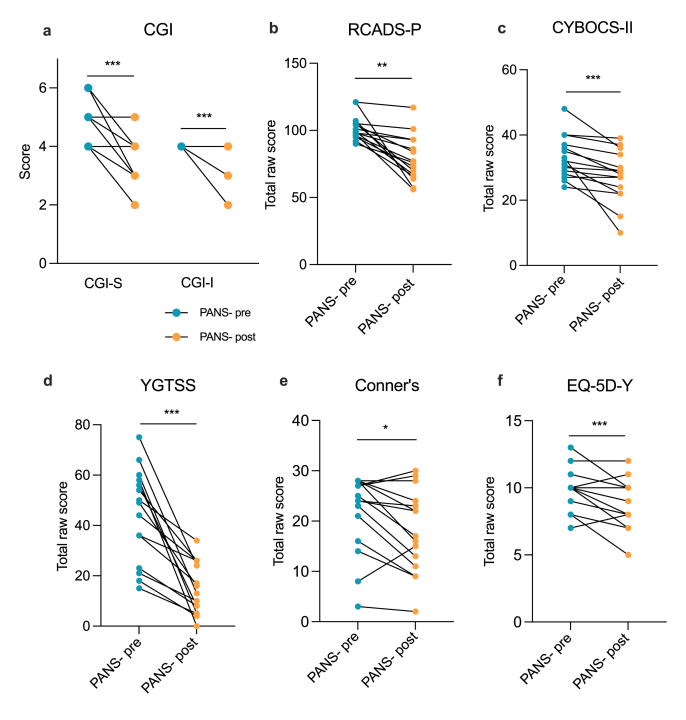 Figure 1
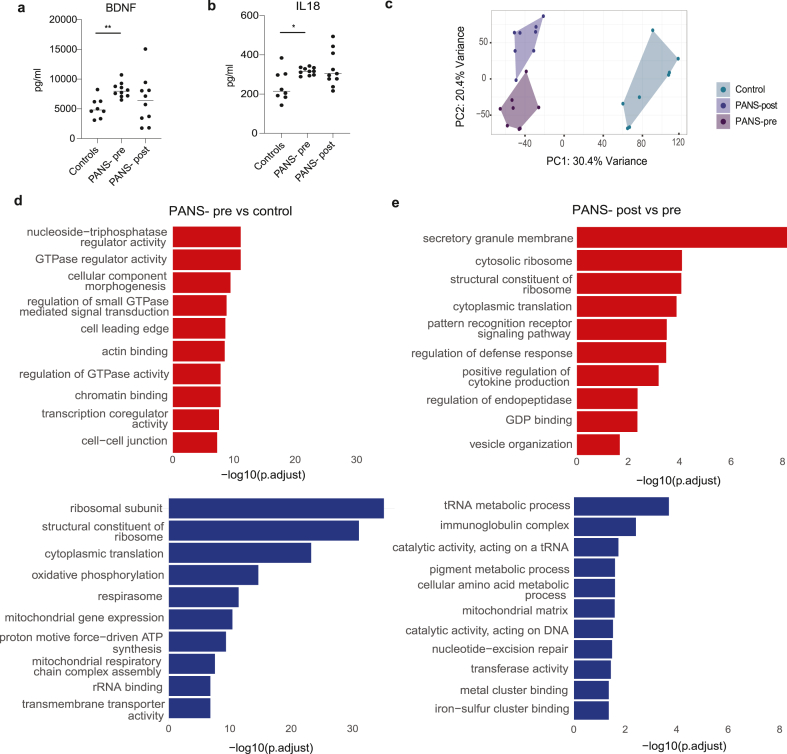 Figure 2
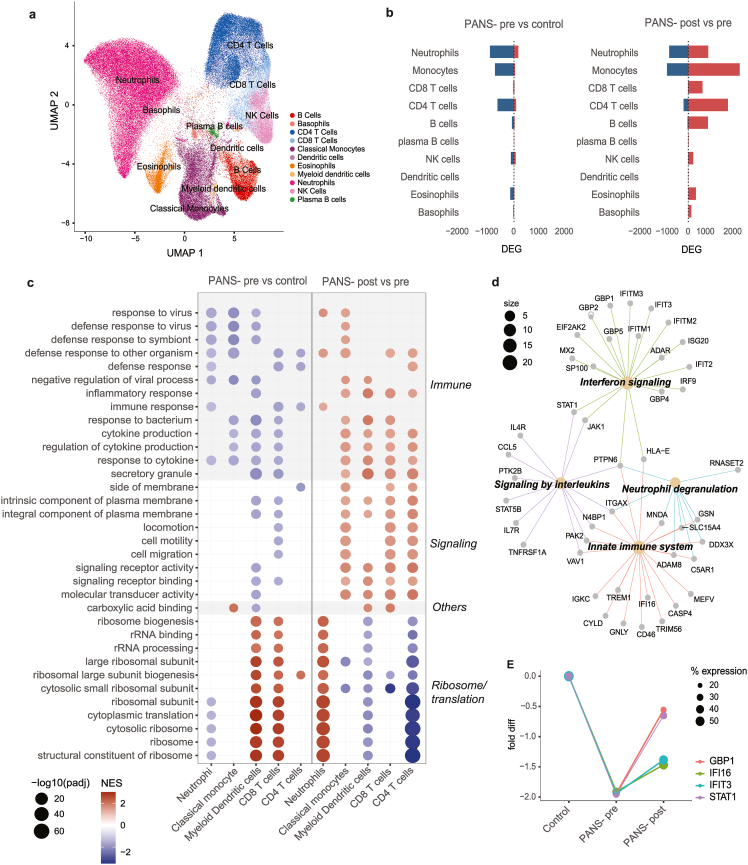 Figure 3
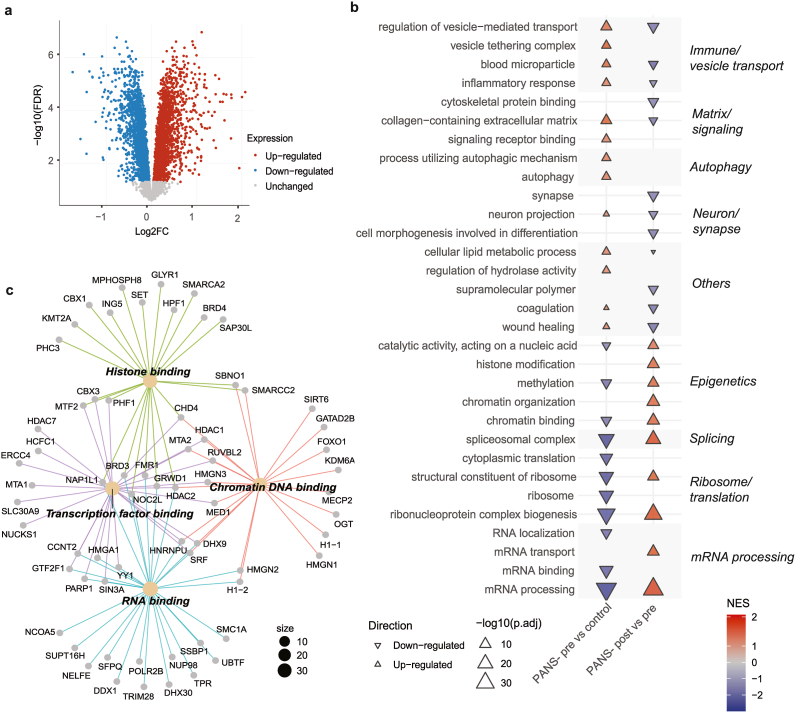 Figure 4
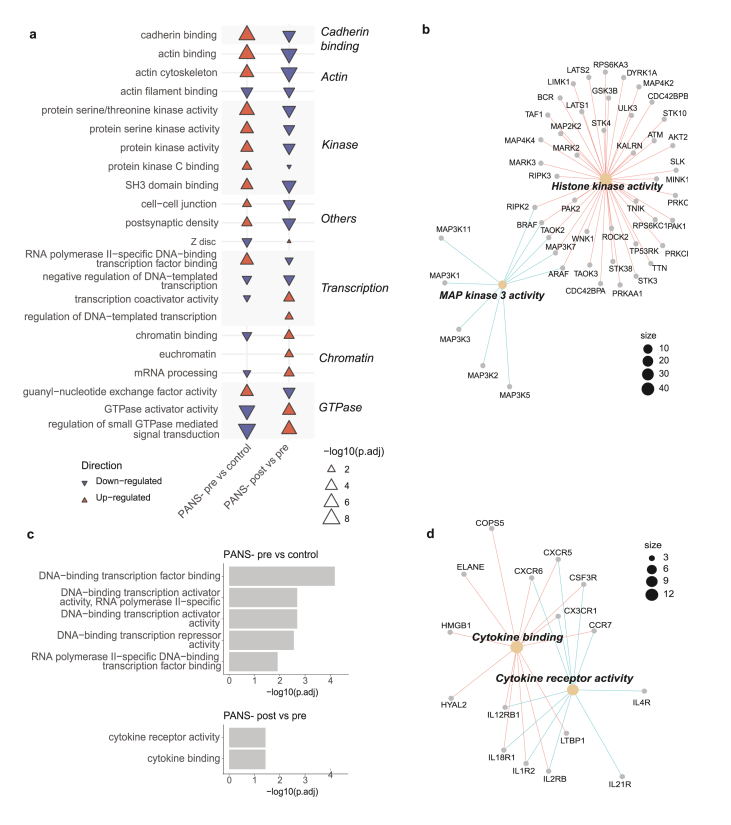 Figure 5
Peer Reviews
No public reviews on file for this paper yet. If you reviewed it on a platform where reviews are public (OpenReview, ICLR, NeurIPS, ICML), you can paste yours below so the community can read it here.
Videos
No videos yet. Explain this paper in a talk, walkthrough, or lecture? Add one.
Taxonomy
TopicsCannabis and Cannabinoid Research · Tryptophan and brain disorders · Obsessive-Compulsive Spectrum Disorders