Low-dose combination of ultramicronized palmitoylethanolamide and docosahexaenoic acid on neurosteroid and neuroinflammatory dysregulation in autism spectrum disorders
Fabiana Filogamo, Fabrizio Maria Liguori, Giovanna La Rana, Roberto Russo, Claudia Cristiano

TL;DR
A low-dose combination of PEA-um and DHA improves neurosteroid balance and reduces autism-like behaviors in mice by modulating inflammation and PPAR-α.
Contribution
Demonstrates a novel therapeutic combination of PEA-um and DHA targeting neurosteroid imbalance and PPAR-α in ASD.
Findings
PEA-um and DHA combination restores allopregnanolone levels and reduces repetitive behaviors in BTBR mice.
The treatment modulates neuroinflammation by reducing proinflammatory cytokines and BDNF in the hippocampus.
PPAR-α is crucial for the therapeutic effects, as its inhibition negates the benefits of the treatment.
Abstract
Several studies show that neurosteroids currently play a significant role in autism spectrum disorders (ASD). However, the pathway of neurosteroid synthesis involved in ASD remains unclear. This study aimed to investigate the crosstalk between autism and neurosteroids, focusing on the mechanism of allopregnanolone production. We used the BTBR T+ tf/J (BTBR) mouse, a well-established animal model of ASD that exhibits typical autism-like behaviors along with neuroinflammation. In the hippocampus of BTBR mice, we observed a marked overexpression of pregnenolone and a related reduction in allopregnanolone levels. This neurosteroid imbalance also appears to be associated with an inflammatory pattern and the manifestation of repetitive and asocial behaviors. The combination of low doses of ultramicronized palmitoylethanolamide (PEA-um) and docosahexaenoic acid (DHA) restores allopregnanolone…
Genes, proteins, chemicals, diseases, species, mutations and cell lines named across the full text — each resolved to its canonical identifier and authoritative record.
Click any figure to enlarge with its caption.
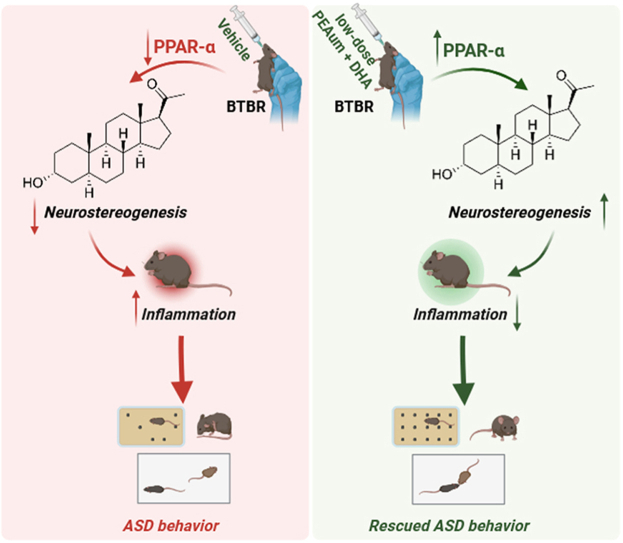 Figure 1
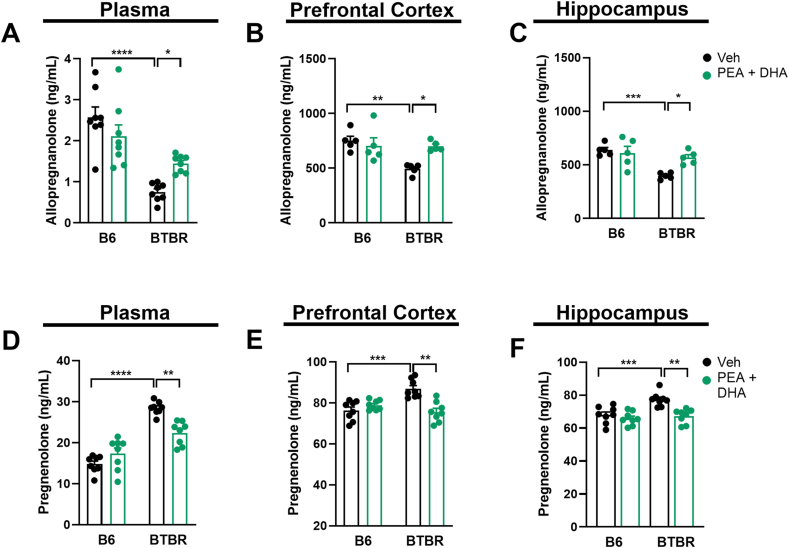 Figure 2
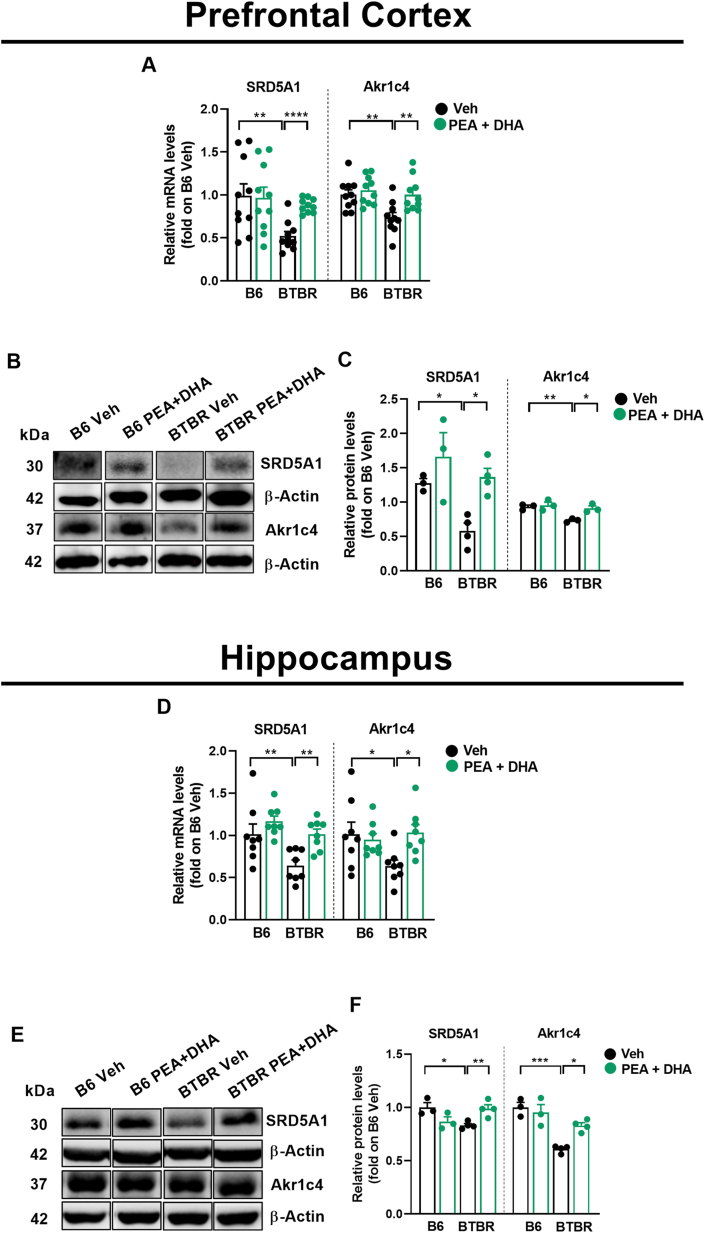 Figure 3
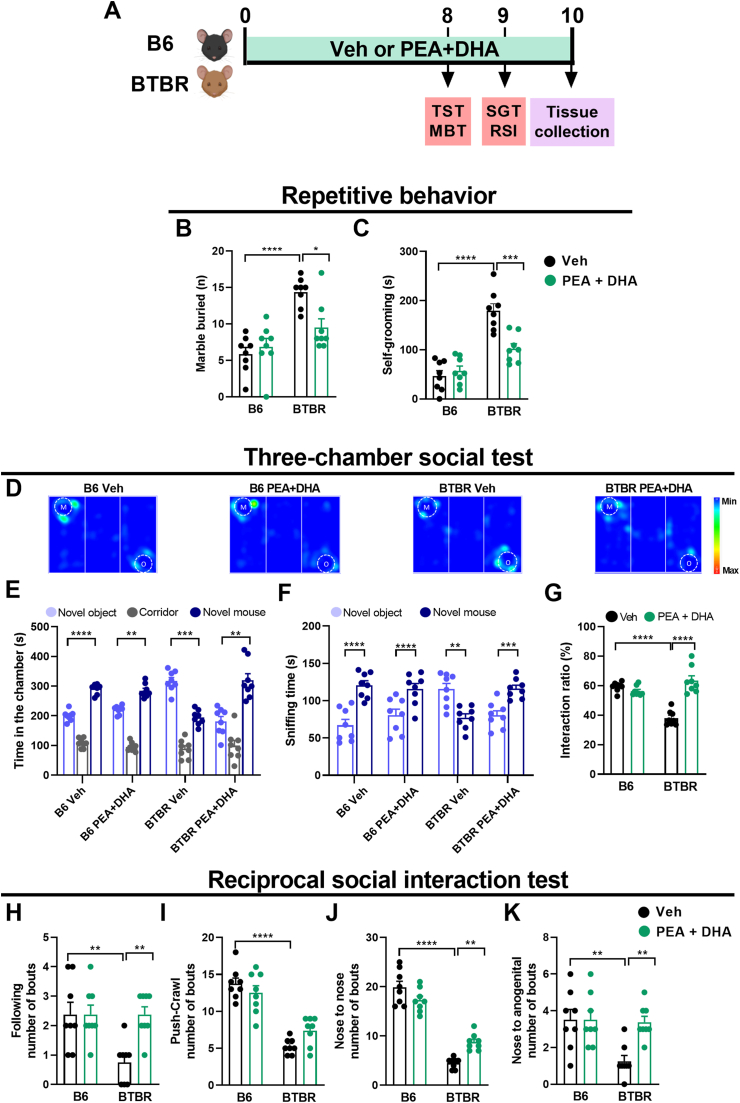 Figure 4
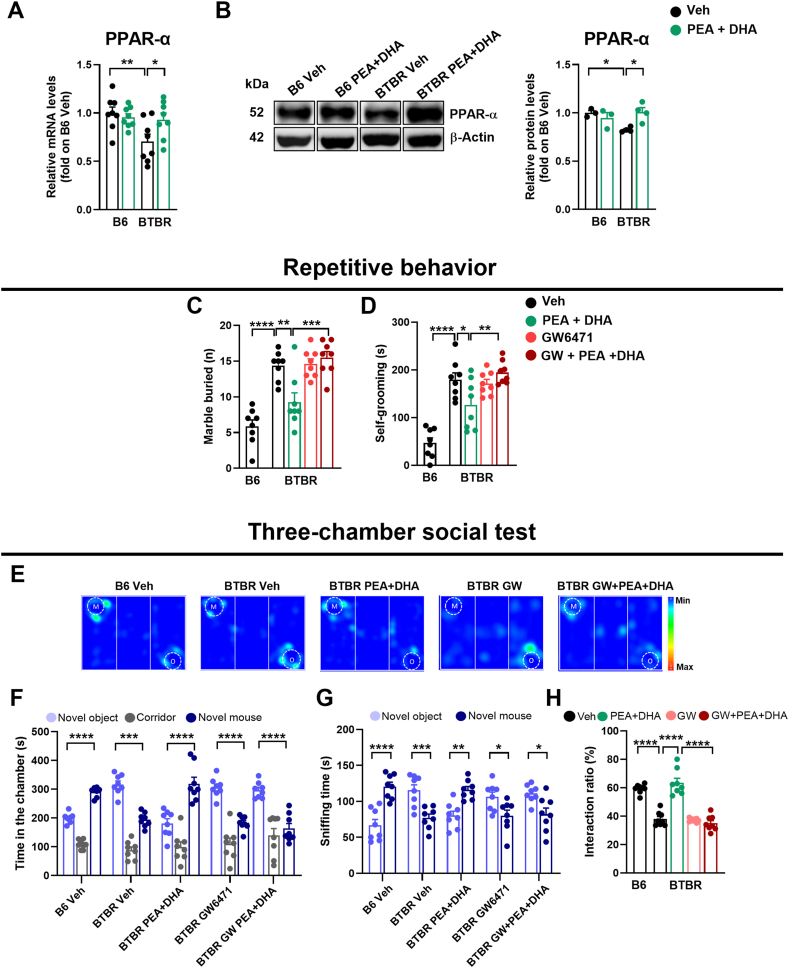 Figure 5
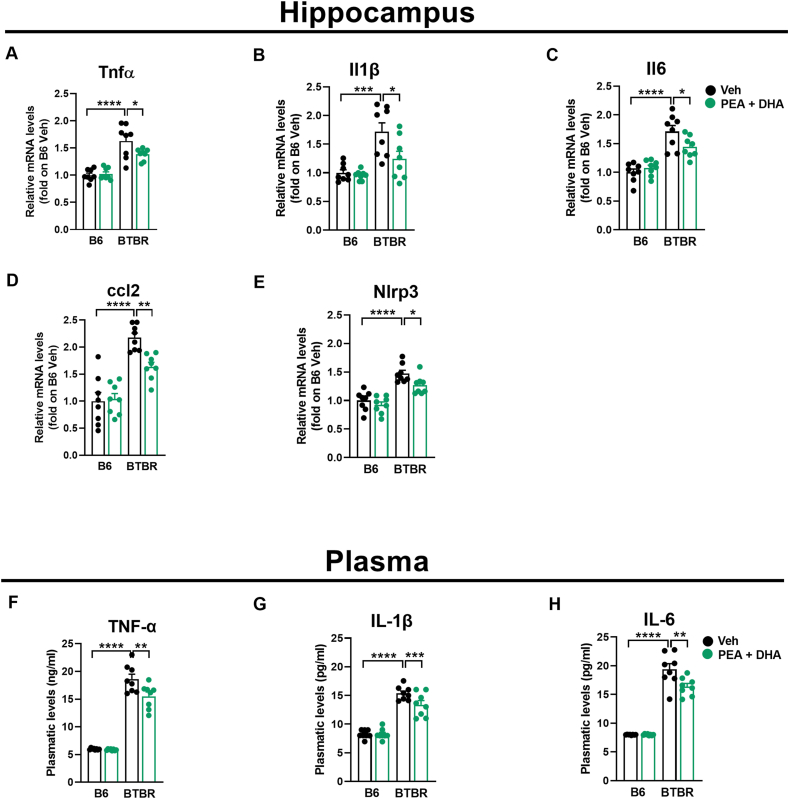 Figure 6
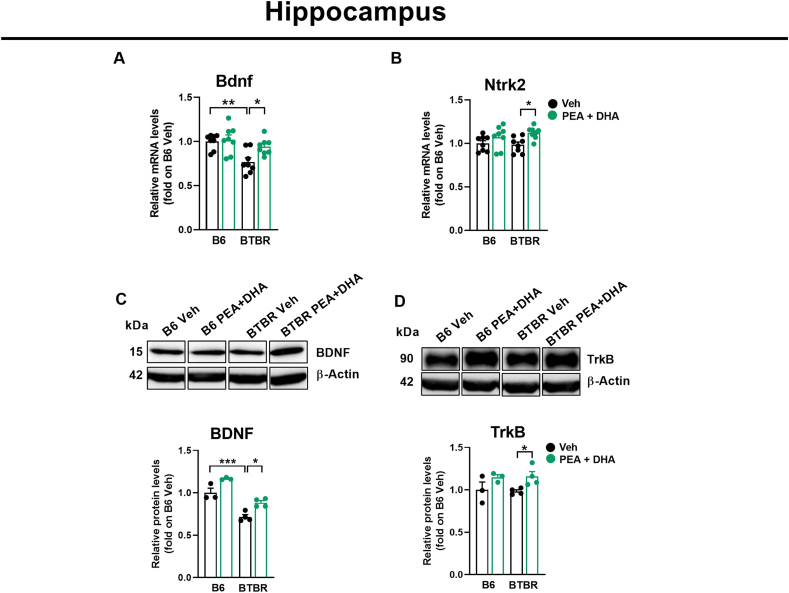 Figure 7
Peer Reviews
No public reviews on file for this paper yet. If you reviewed it on a platform where reviews are public (OpenReview, ICLR, NeurIPS, ICML), you can paste yours below so the community can read it here.
Videos
No videos yet. Explain this paper in a talk, walkthrough, or lecture? Add one.
Taxonomy
TopicsFatty Acid Research and Health · Cannabis and Cannabinoid Research · Peroxisome Proliferator-Activated Receptors