Advances in Surface Biofunctionalization and Intelligent Monitoring of Vascular Scaffolds
Muhammad Rafique, Onaza Ali, Muhammad Shehr Yar Ali Khan Niazi, Jialing Zhang, Muhammad Shafiq, Jun Fang

TL;DR
This paper reviews new methods to improve vascular scaffolds by modifying their surfaces and using smart monitoring systems to prevent blood clots and other complications.
Contribution
The paper introduces novel surface biofunctionalization techniques and intelligent monitoring systems to enhance vascular scaffold performance.
Findings
Surface biofunctionalization can prevent thrombosis and promote endothelialization.
Flexible bioelectronics enable real-time monitoring of hemodynamics and restenosis.
Biodegradable elastic polymers are key materials for next-generation vascular scaffolds.
Abstract
Vascular scaffolds are fundamental devices in treating vascular occlusions, aneurysms, and hemodialysis access. However, their long-term efficacy is often compromised by 2 major pathophysiological responses: acute thrombosis and intimal hyperplasia, underscoring the need for effective antithrombotic treatment and intensive surveillance. This review highlights the emerging approaches used to address such challenges in vascular scaffolds: surface biofunctionalization and intelligent monitoring systems. We first introduce the leading biodegradable elastic polymers for vascular scaffolds, followed by a comprehensive overview of surface biofunctionalization techniques for preventing thrombosis and promoting endothelialization. The review further explores the cutting-edge advances in integrating flexible bioelectronics with cardiovascular implants for intelligent real-time monitoring of…
Genes, proteins, chemicals, diseases, species, mutations and cell lines named across the full text — each resolved to its canonical identifier and authoritative record.
Click any figure to enlarge with its caption.
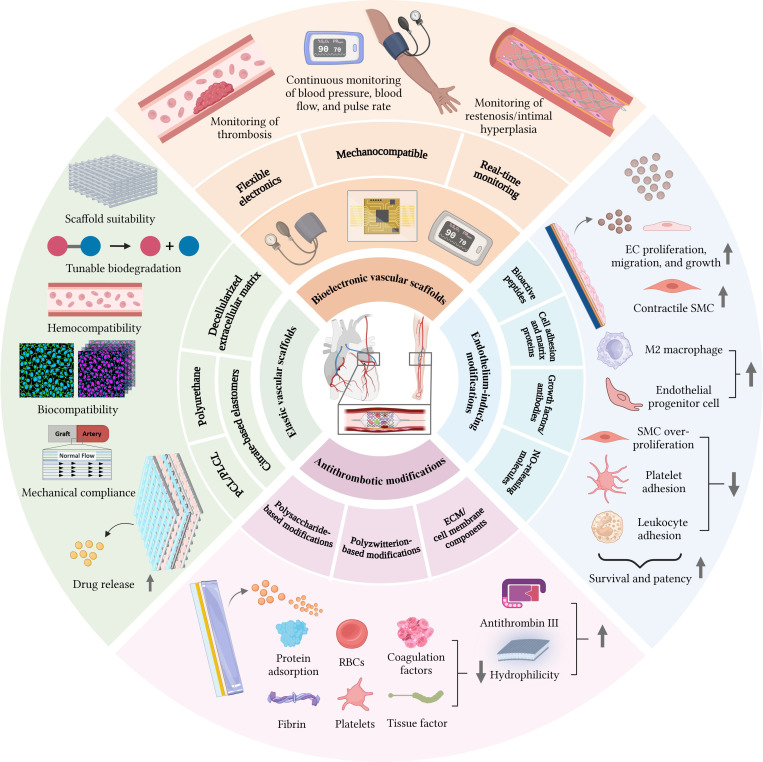 Figure 1
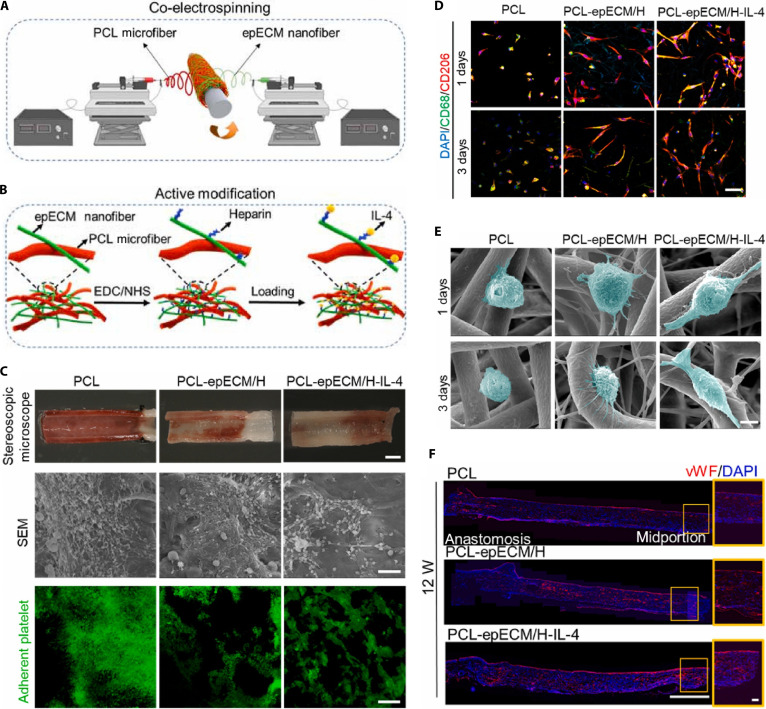 Figure 2
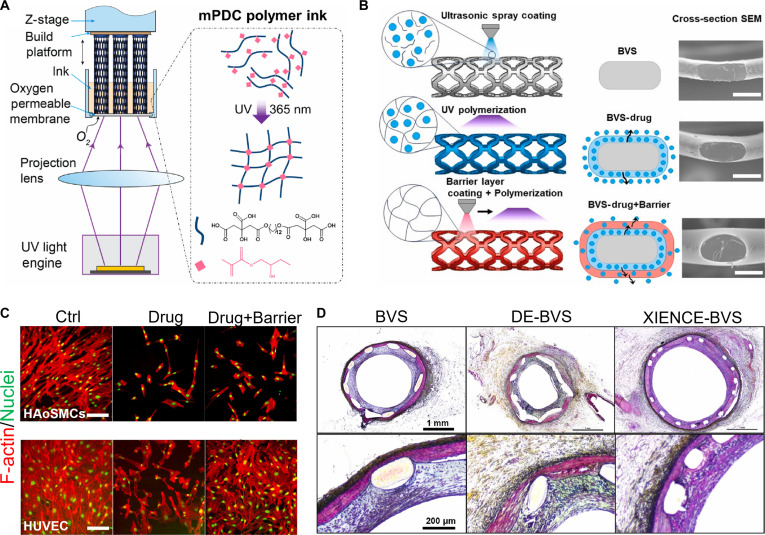 Figure 3
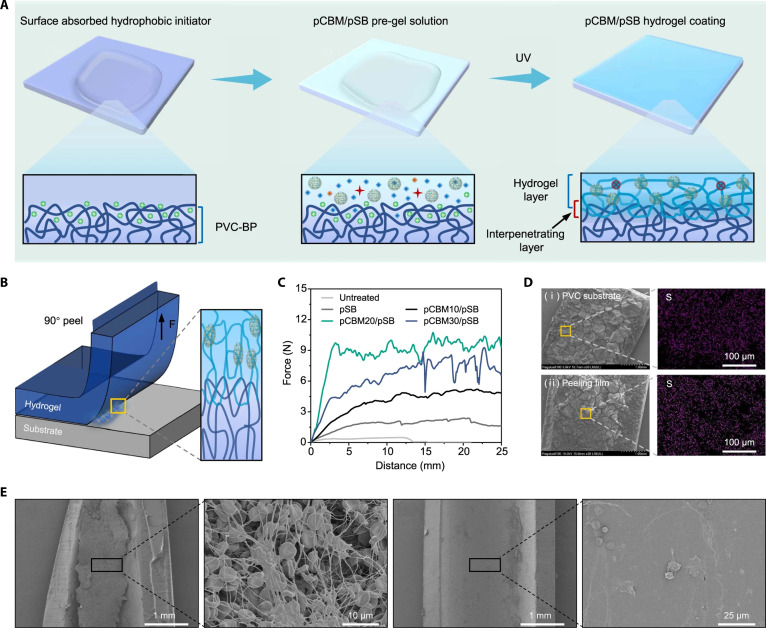 Figure 4
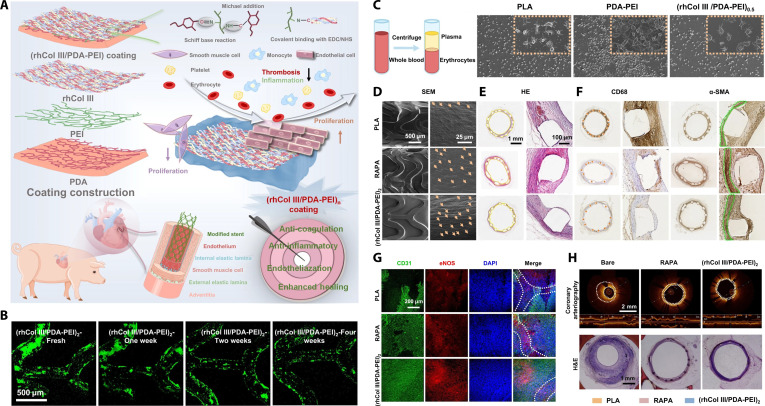 Figure 5
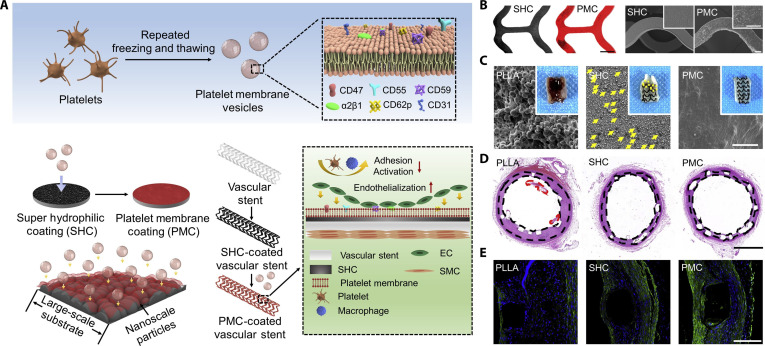 Figure 6
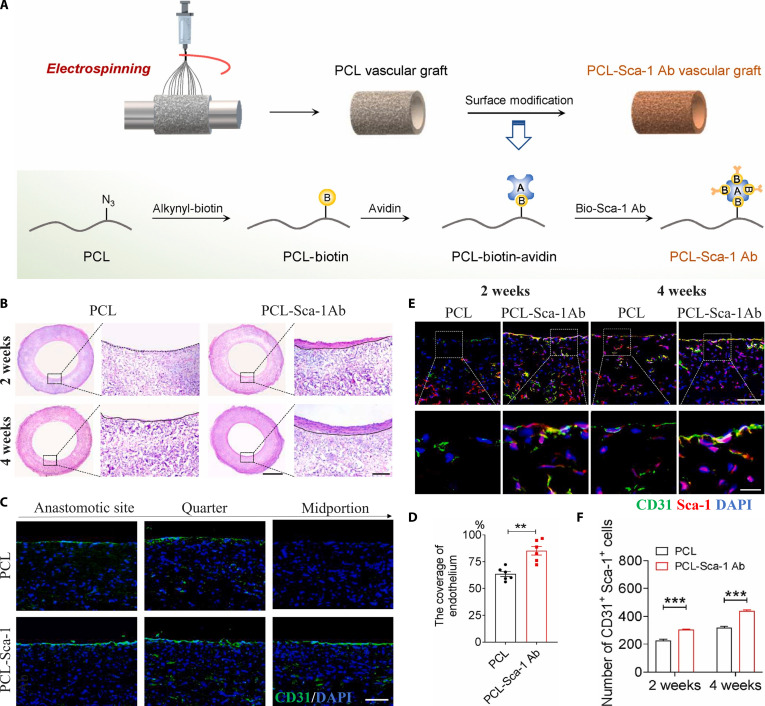 Figure 7
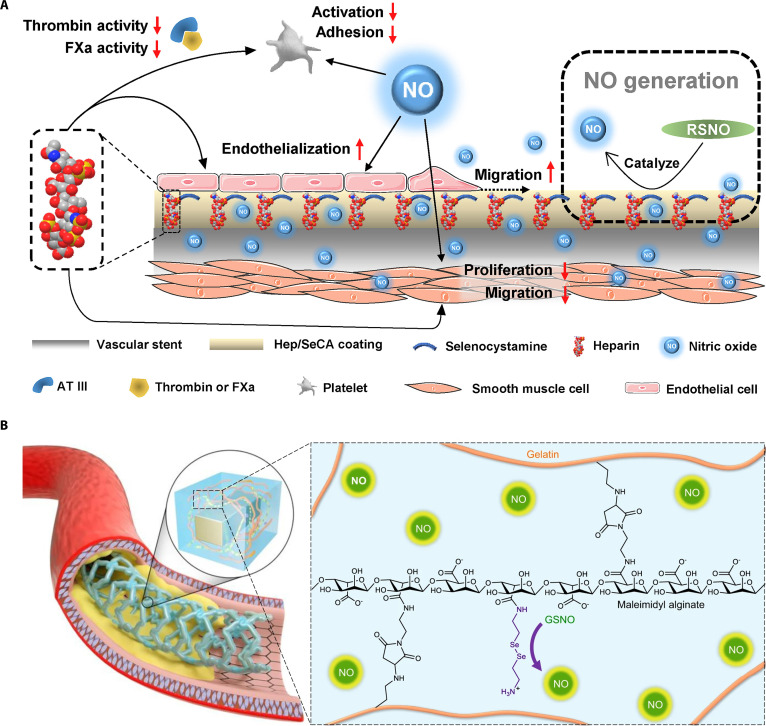 Figure 8
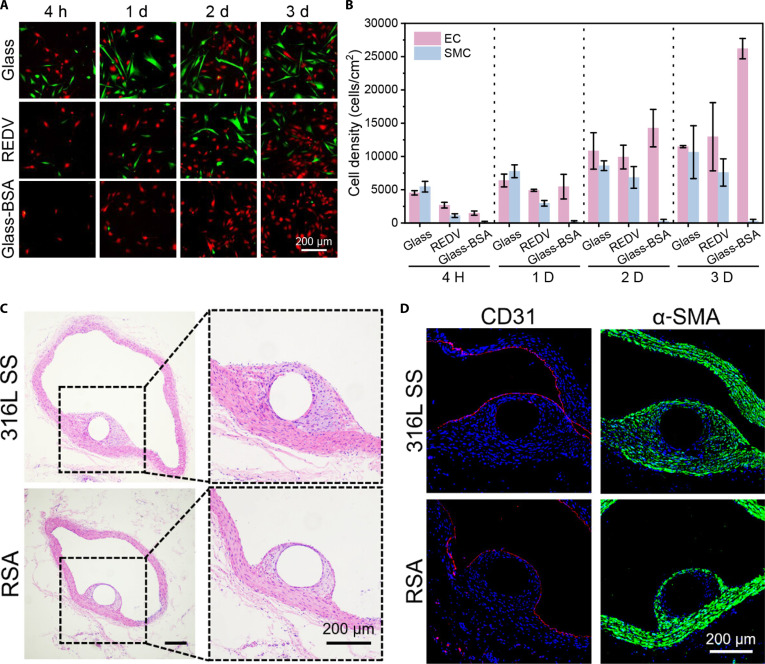 Figure 9
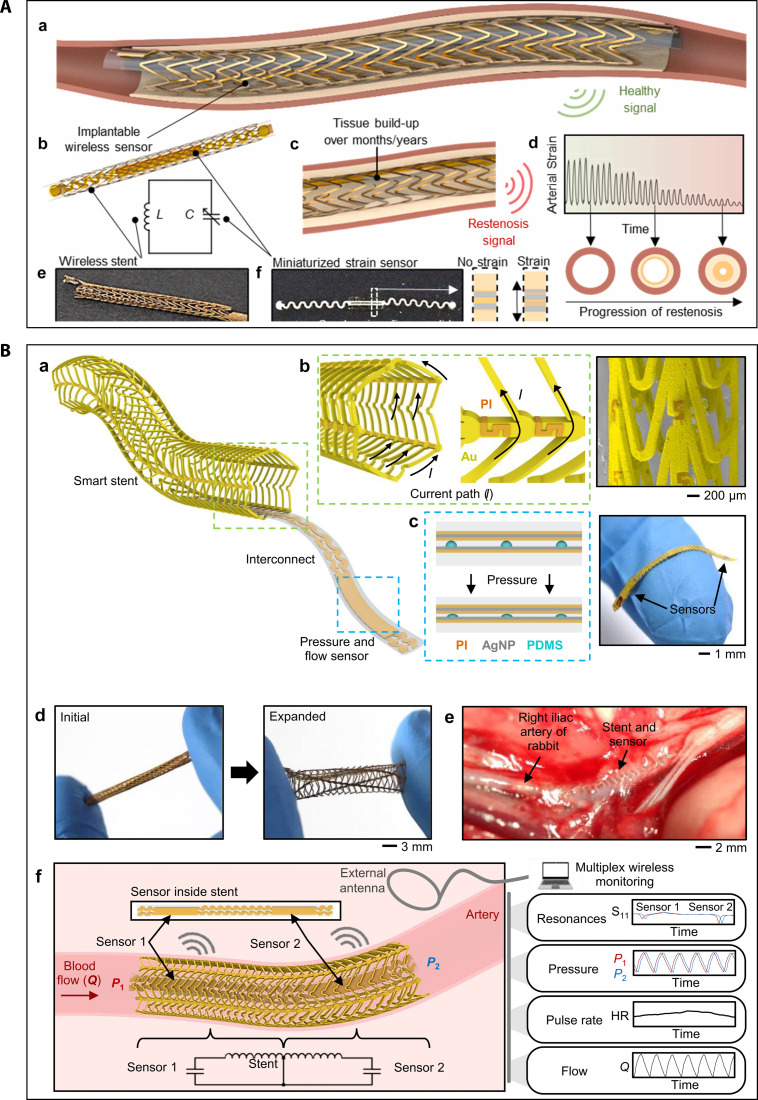 Figure 10
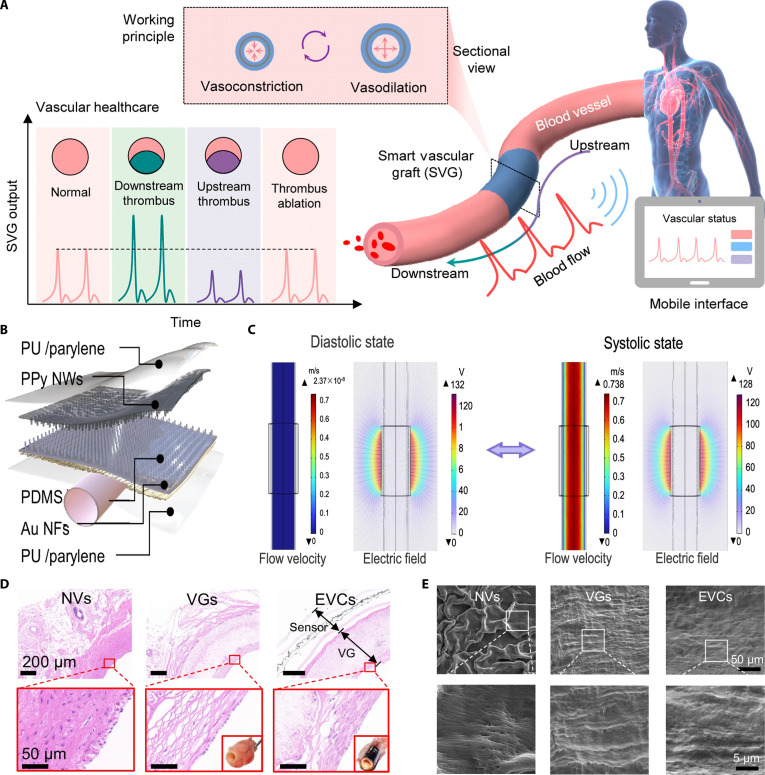 Figure 11
Peer Reviews
No public reviews on file for this paper yet. If you reviewed it on a platform where reviews are public (OpenReview, ICLR, NeurIPS, ICML), you can paste yours below so the community can read it here.
Videos
No videos yet. Explain this paper in a talk, walkthrough, or lecture? Add one.
Taxonomy
TopicsElectrospun Nanofibers in Biomedical Applications · Hydrogels: synthesis, properties, applications · Tissue Engineering and Regenerative Medicine