The Multidimensional Nature of Semantic Transparency in a Cross‐Linguistic Perspective: Evidence From Human Intuitions, Computational Estimates, and Processing Data for Chinese Compounds
Jing Chen, Emmanuele Chersoni, Marco Marelli, Chu‐Ren Huang

TL;DR
This study explores how semantic transparency in Chinese compounds can be understood through multiple dimensions using human ratings and computational models.
Contribution
The study validates the multidimensionality of semantic transparency in Mandarin Chinese compounds using a novel dataset and factor analysis.
Findings
Semantic transparency in Chinese compounds is multidimensional, with distinct factors for constituent contribution and compound predictability.
The second constituent's semantic contribution significantly affects lexical decision performance.
The findings extend the multidimensionality hypothesis of semantic transparency to Chinese compounds.
Abstract
Semantic transparency is a key construct for understanding how complex words are represented and processed, yet it has been conceptualized and operationalized in diverse ways across studies. In this study, we validate whether semantic transparency exhibits multidimensional properties across different measures in Mandarin Chinese. We first construct a novel dataset consisting of 2675 nominal compounds, with a rich set of measures from human ratings, traditional distributional semantic models, and recent large language models. To investigate whether they inform the same aspects of this construct, we then examine the latent structure among these measures through exploratory factor analysis. Our factor analysis reveals that this construct is fundamentally multidimensional, with measures assessing the semantic contribution of each constituent and the semantic predictability of overall…
Genes, proteins, chemicals, diseases, species, mutations and cell lines named across the full text — each resolved to its canonical identifier and authoritative record.
Click any figure to enlarge with its caption.
 Figure 1
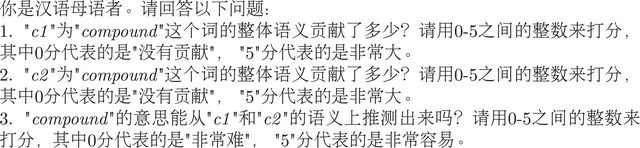 Figure 2
 Figure 3
 Figure 4
 Figure 5
 Figure 6
 Figure 7
 Figure 8
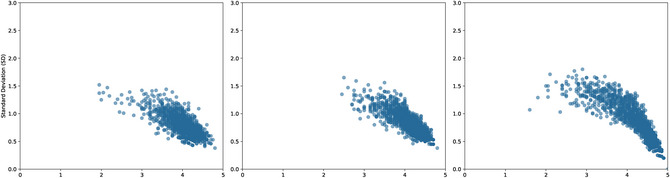 Figure 9
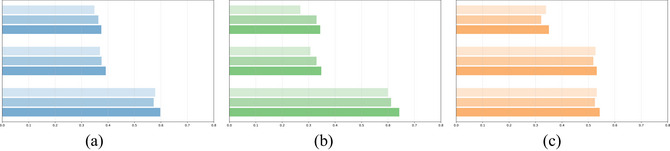 Figure 10
 Figure 11
 Figure 12
 Figure 13
 Figure 14
 Figure 15
 Figure 16
 Figure 17
 Figure 18
 Figure 19
 Figure 20
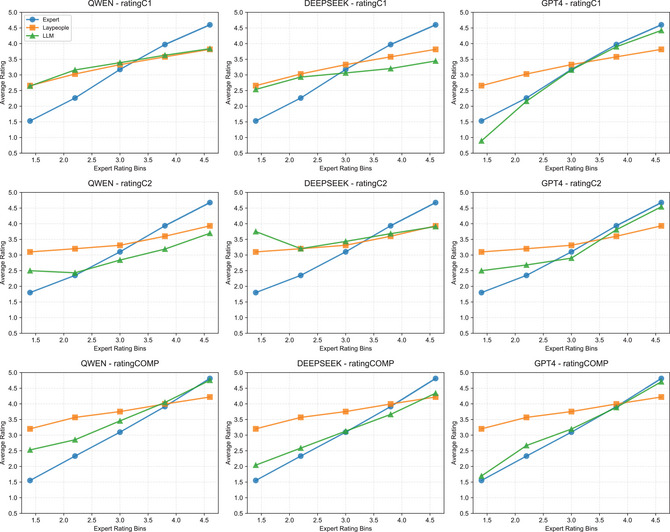 Figure 21
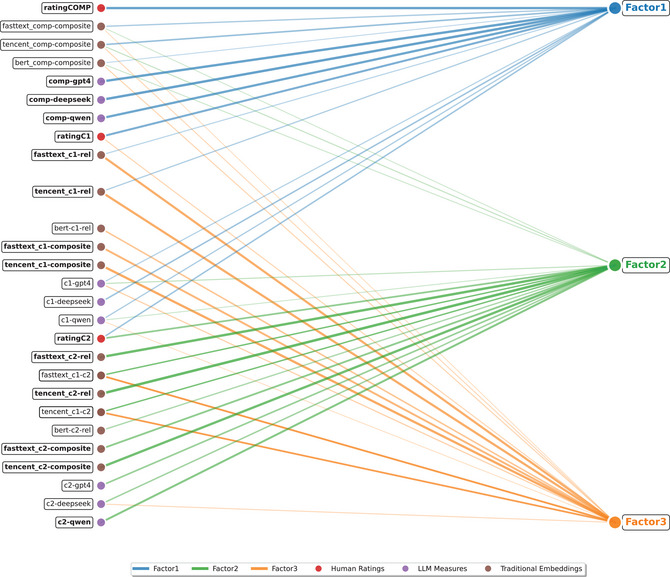 Figure 22
 Figure 23
 Figure 24
 Figure 25
 Figure 26
 Figure 27
 Figure 28
 Figure 29
 Figure 30
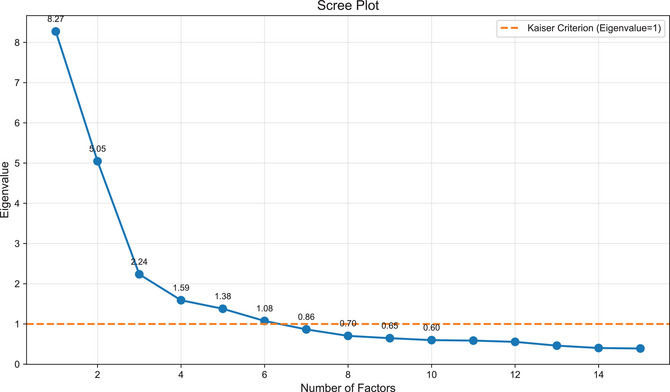 Figure 31
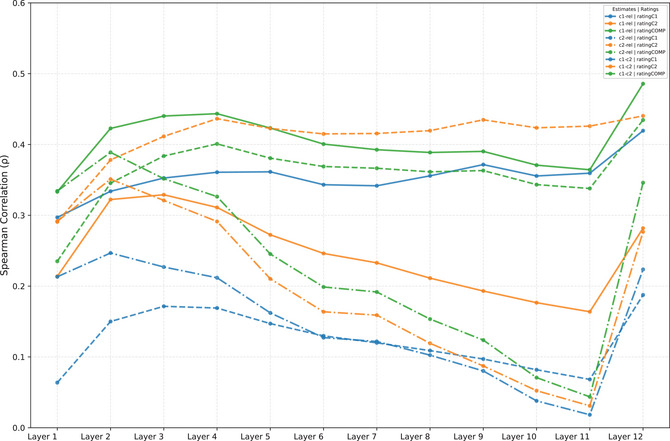 Figure 32
 Figure 33
 Figure 34
 Figure 35
 Figure 36
 Figure 37
 Figure 38
 Figure 39
 Figure 40
 Figure 41
 Figure 42
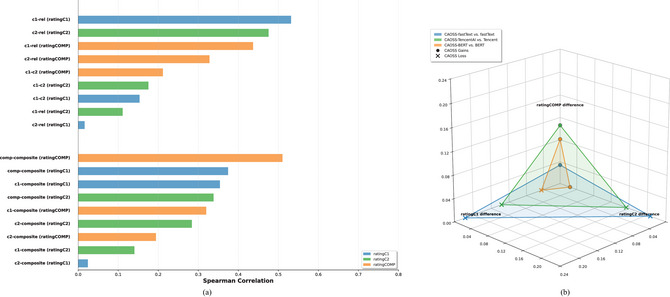 Figure 43
Peer Reviews
No public reviews on file for this paper yet. If you reviewed it on a platform where reviews are public (OpenReview, ICLR, NeurIPS, ICML), you can paste yours below so the community can read it here.
Videos
No videos yet. Explain this paper in a talk, walkthrough, or lecture? Add one.
Taxonomy
TopicsNeurobiology of Language and Bilingualism · Categorization, perception, and language · Language, Metaphor, and Cognition