British Red Squirrels (S. vulgaris) With Leprosy Develop Skeletal Lesions
Elliot Elliott, Richard Thomas, Sarah A. Inskip, Andrea Cooper, Andrew C. Kitchener, Katie M. Beckmann, Anna Meredith

TL;DR
Red squirrels with leprosy show skeletal changes similar to those in humans, indicating the disease affects their bones.
Contribution
First evidence of leprosy-induced skeletal lesions in red squirrel skeletons.
Findings
Erosive lesions and bone remodeling were found in multiple skeletal regions of infected squirrels.
Porosity in the caudal vertebrae and nasal bones was observed in leprosy-positive specimens.
Skeletal changes in squirrels with leprosy resemble those seen in human leprosy cases.
Abstract
Leprosy, caused by Mycobacterium lepromatosis or Mycobacterium leprae, has been reported in red squirrels in Britain from Scotland to the south of England. However, there has been no attempt to determine whether lesions caused by leprosy can be detected in the skeletons of infected animals. Here, we present findings from three red squirrel skeletons (Sciurus vulgaris L., 1758) that had soft tissue lesions consistent with leprosy and were positive for M. lepromatosis. Three of six red squirrel specimens from Scotland that previously tested positive for M. lepromatosis were subjected to macro‐ and microscopic skeletal analyses. Erosive lesions, remodelling and porosity were found in multiple parts of the skeleton, including the podials, tarsals, distal tibiae, distal forelimbs and in the nasal bones. Additionally, porous lesions were found in the caudal vertebrae. These skeletal changes…
Genes, proteins, chemicals, diseases, species, mutations and cell lines named across the full text — each resolved to its canonical identifier and authoritative record.
Click any figure to enlarge with its caption.
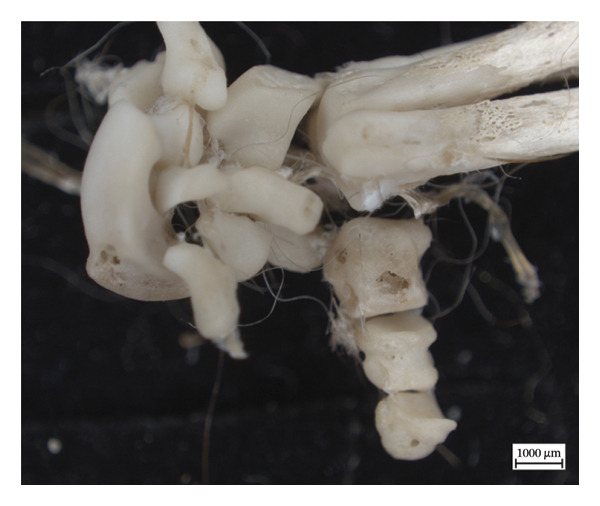 Figure 1
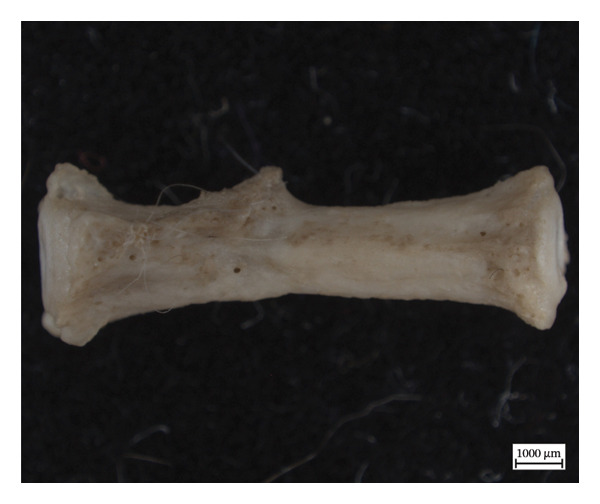 Figure 2
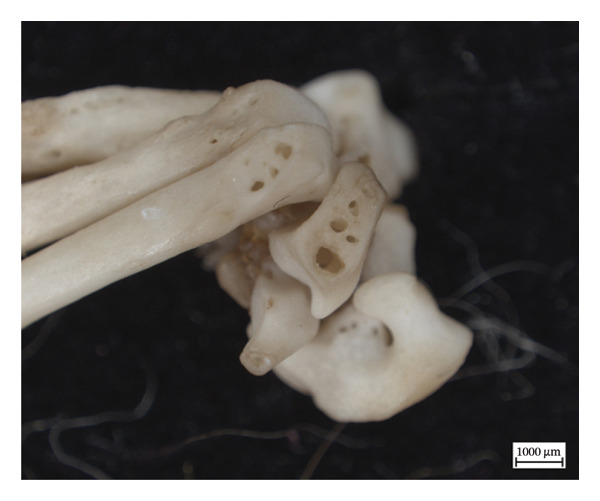 Figure 3
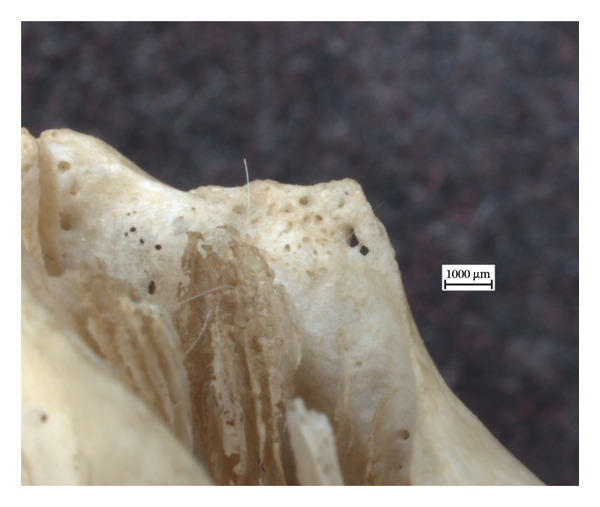 Figure 4
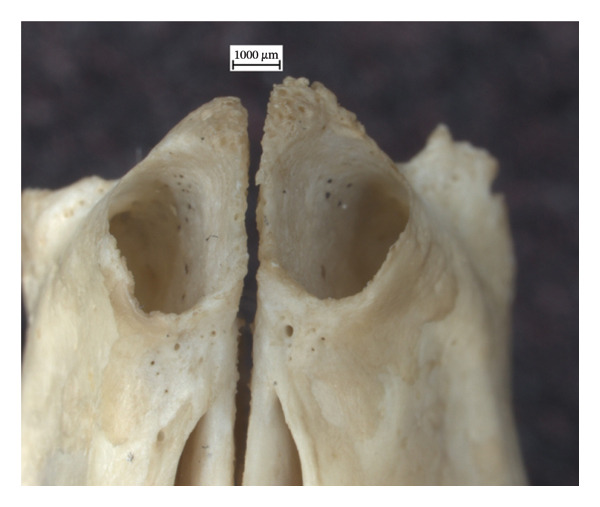 Figure 5
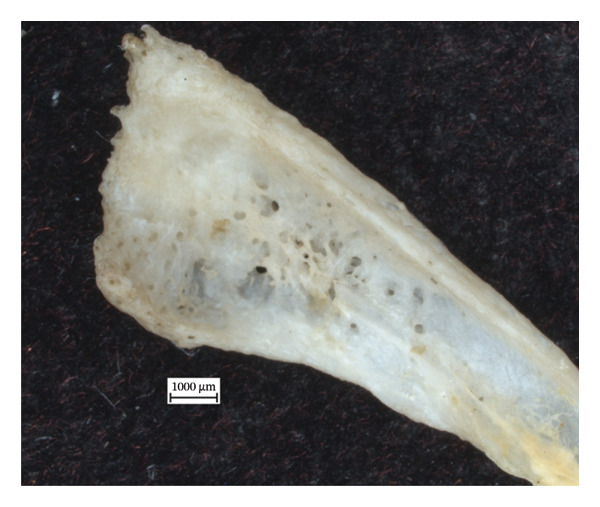 Figure 6
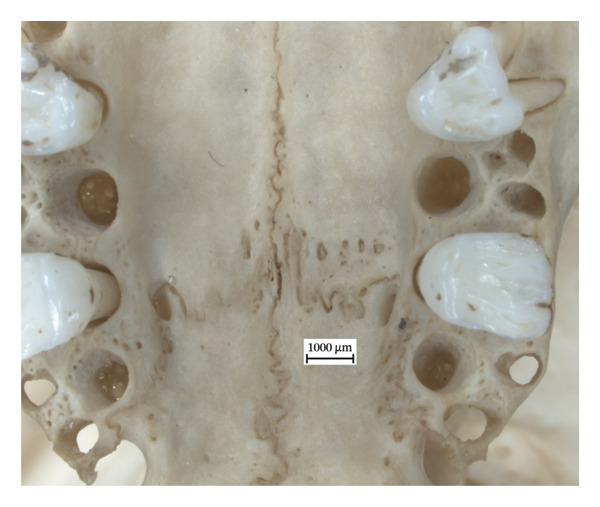 Figure 7
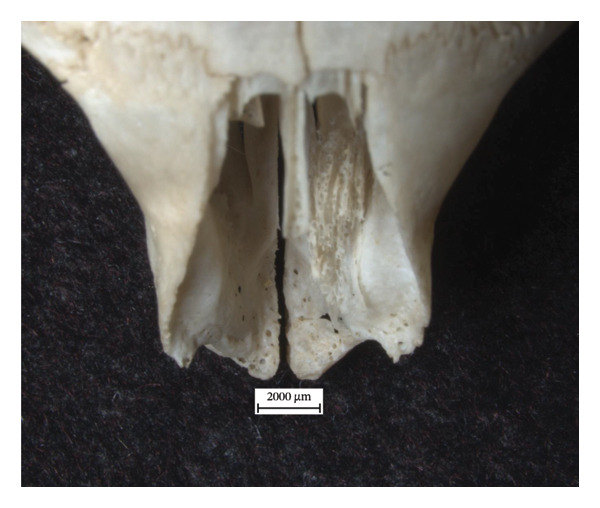 Figure 8
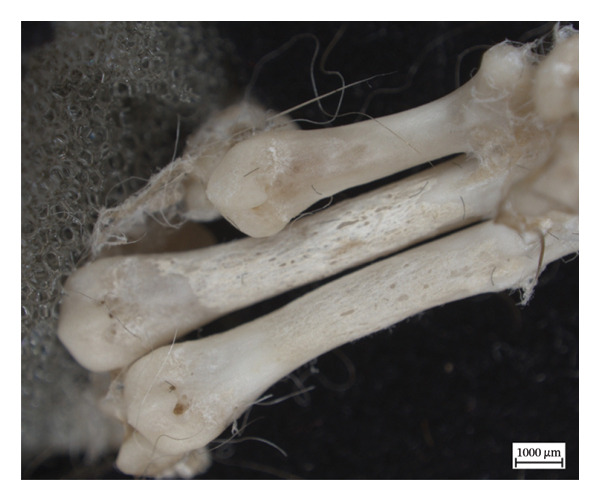 Figure 9
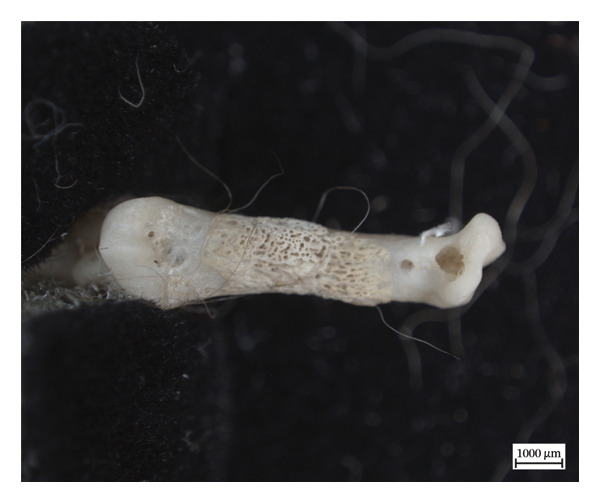 Figure 10
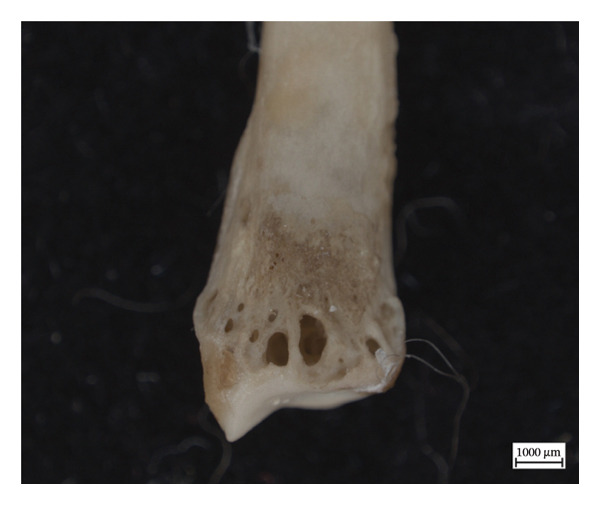 Figure 11
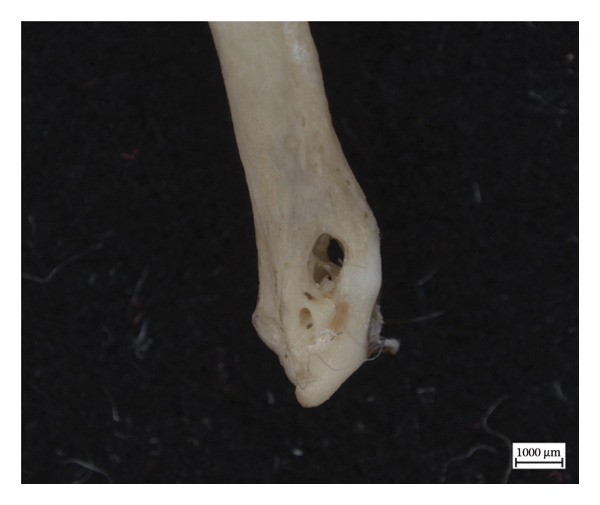 Figure 12
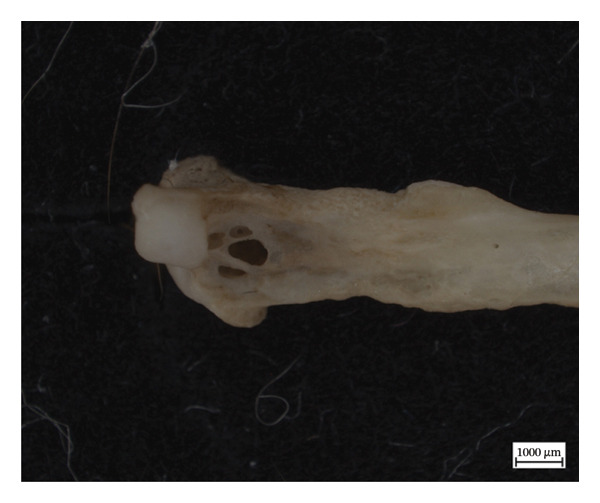 Figure 13
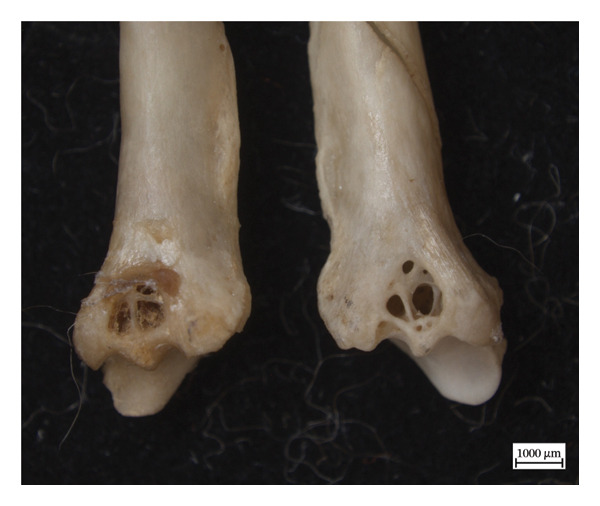 Figure 14
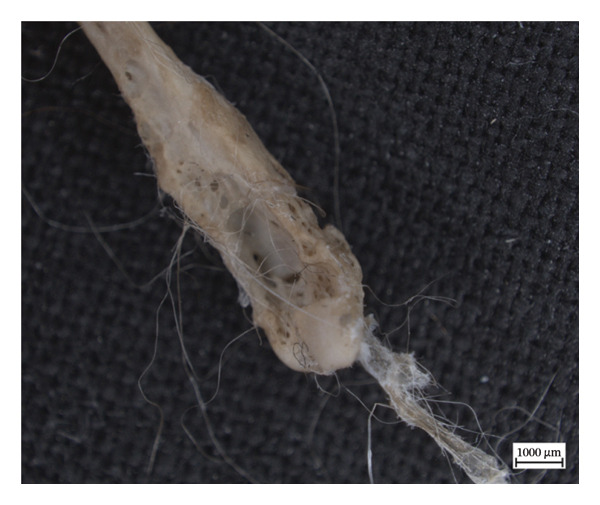 Figure 15
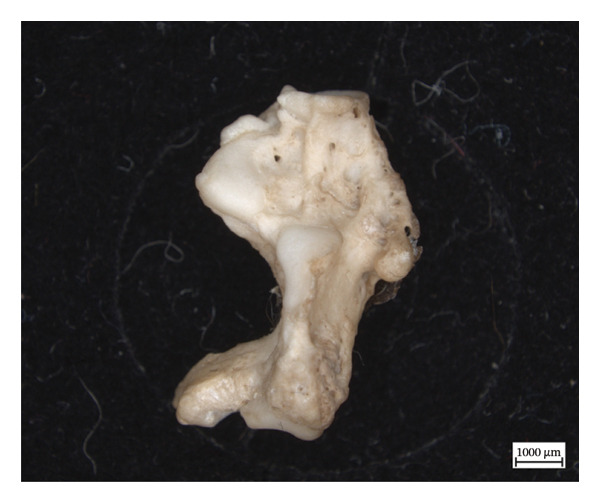 Figure 16
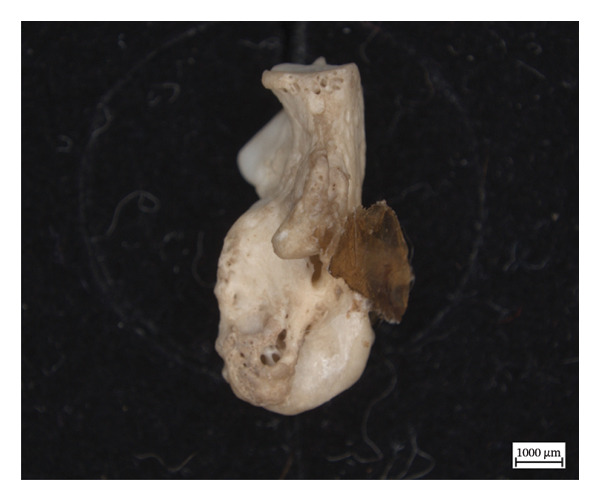 Figure 17
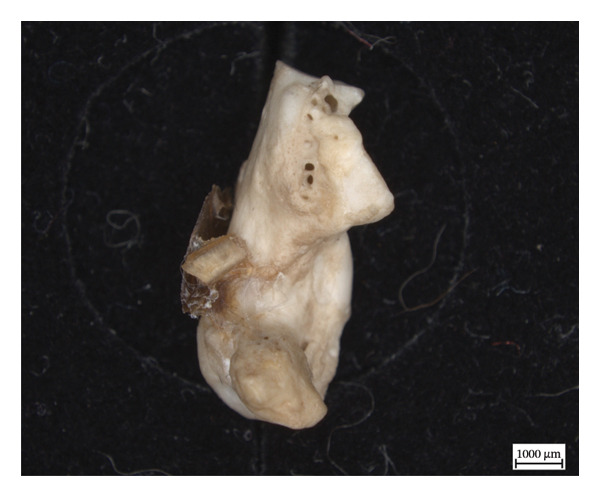 Figure 18
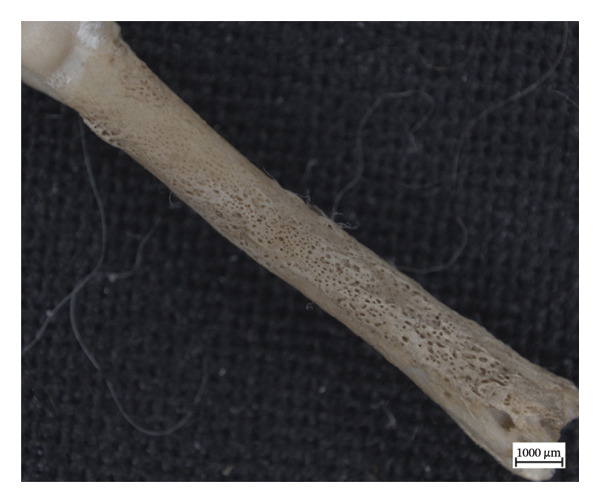 Figure 19
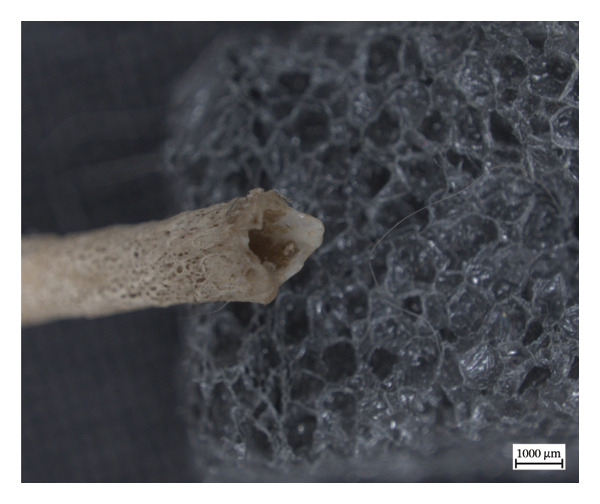 Figure 20
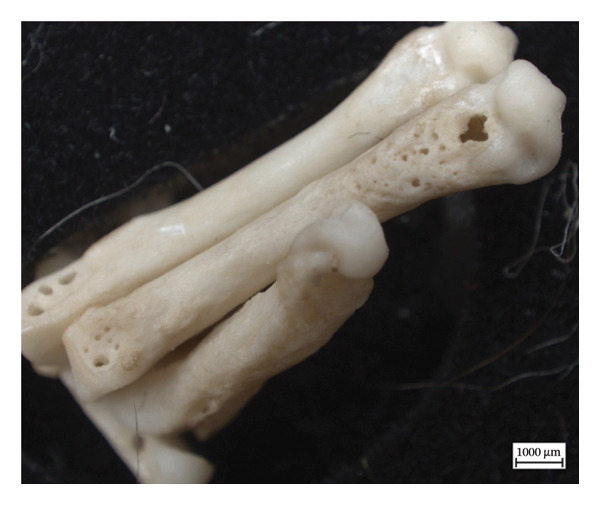 Figure 21
Peer Reviews
No public reviews on file for this paper yet. If you reviewed it on a platform where reviews are public (OpenReview, ICLR, NeurIPS, ICML), you can paste yours below so the community can read it here.
Videos
No videos yet. Explain this paper in a talk, walkthrough, or lecture? Add one.
Taxonomy
TopicsLeprosy Research and Treatment · Primate Behavior and Ecology · Yersinia bacterium, plague, ectoparasites research