A microphysiological human mini-bladder reveals urine-urothelium interplay in tissue resilience and UPEC recurrence in urinary tract infections
Gauri Paduthol, Mikhail Nikolaev, Kunal Sharma, Jérôme Blanc, Kathrin Tomasek, Léa Ivana Esméralda Schlunke, Valentin Borgeat, Giovanna Ambrosini, Irina Kolotuev, Stéphanie Clerc-Rosset, Nikolche Gjorevski, Graham W. Knott, Matthias P. Lütolf, Vivek V. Thacker, John D. McKinney

TL;DR
A mini-bladder model shows how urine composition affects bladder health and contributes to recurring UTIs.
Contribution
The mini-bladder model reveals urine-urothelium interactions and UPEC recurrence dynamics in UTIs.
Findings
High-solute urine weakens bladder tissue and increases UTI susceptibility.
Fosfomycin monotherapy leads to CWD UPEC formation in urine and urothelial layers.
Tissue-associated CWD UPEC contributes to UTI recurrence and antibiotic tolerance.
Abstract
Urine is a dynamic and highly variable biofluid. Urine-urothelium interactions are a critical yet underexplored factor in bladder homoeostasis and urinary tract infections (UTIs). Here, we report on a human ‘mini-bladder’ model that exposes a stratified urothelium to urine of defined composition, and incorporates micturition. Prolonged exposure to high-solute concentration urine weakens tight junctions, dysregulates immune responses, and reduces bladder tissue resilience. This increases susceptibility to colonisation of the bladder by uropathogenic Escherichia coli (UPEC) which reduces efficacy of antibiotic therapy. In high-solute concentration urine, Fosfomycin monotherapy – prescribed for uncomplicated UTIs, induces the formation of cell wall-deficient (CWD) UPEC in the urine (as observed in patients with recurrent UTIs) but also within deeper urothelial layers. Tissue-associated CWD…
Genes, proteins, chemicals, diseases, species, mutations and cell lines named across the full text — each resolved to its canonical identifier and authoritative record.
Click any figure to enlarge with its caption.
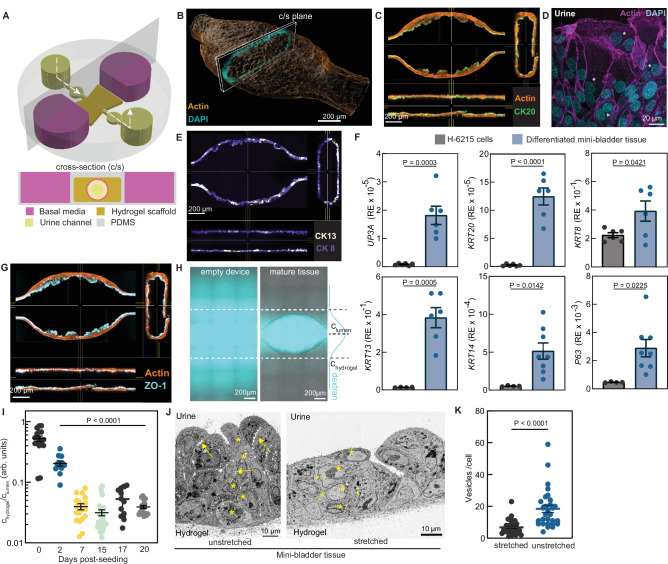 Figure 1
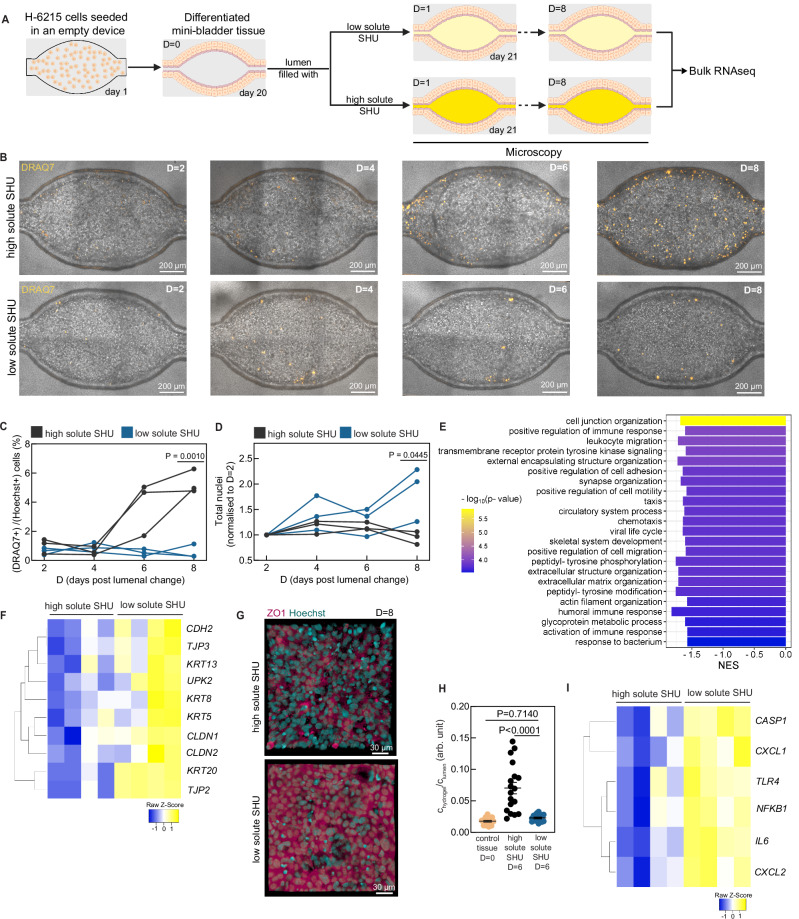 Figure 2
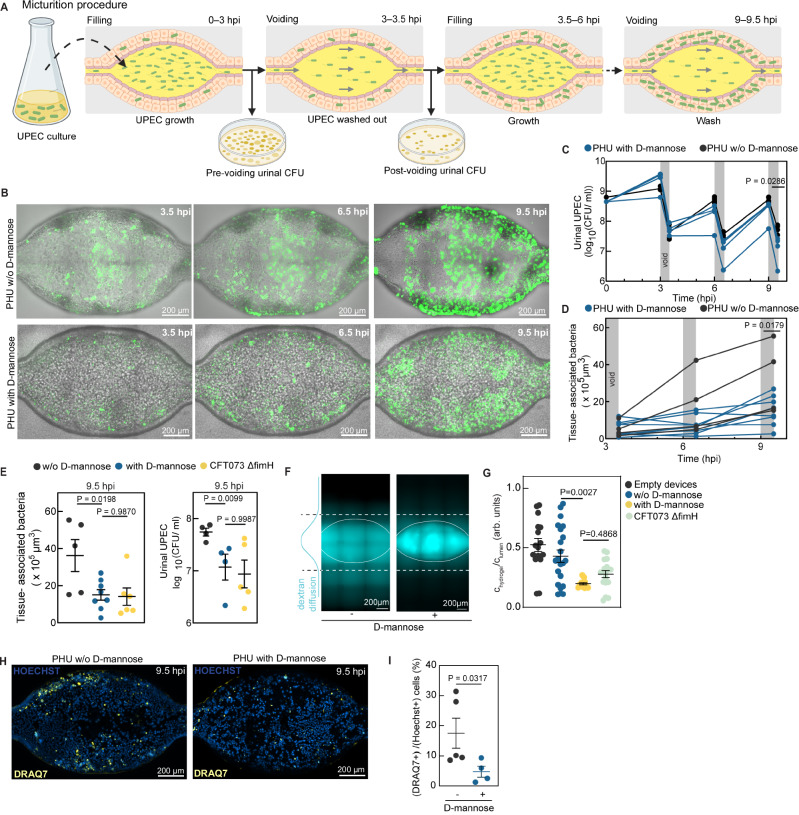 Figure 3
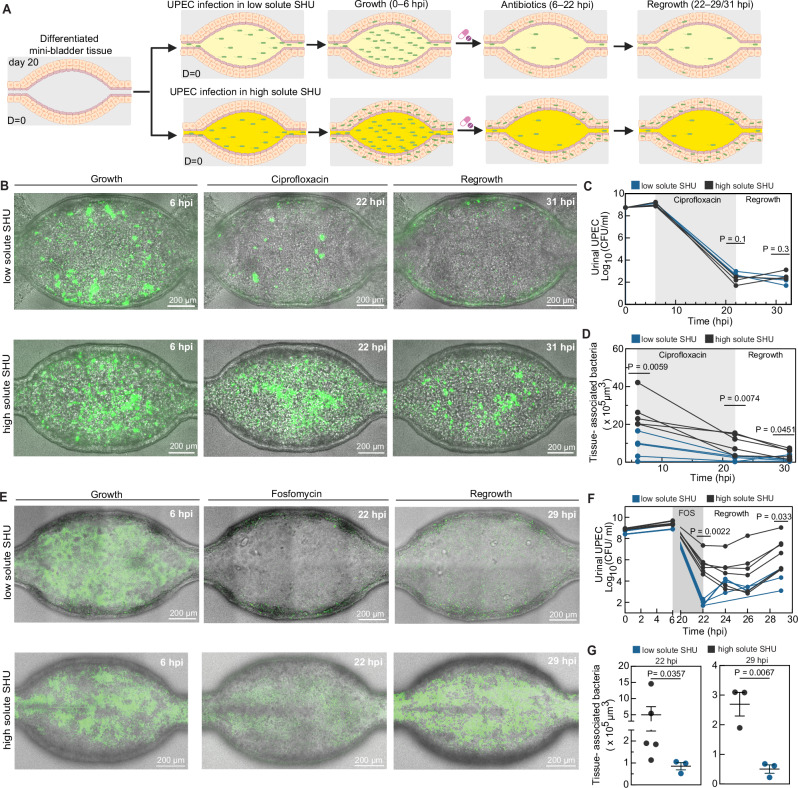 Figure 4
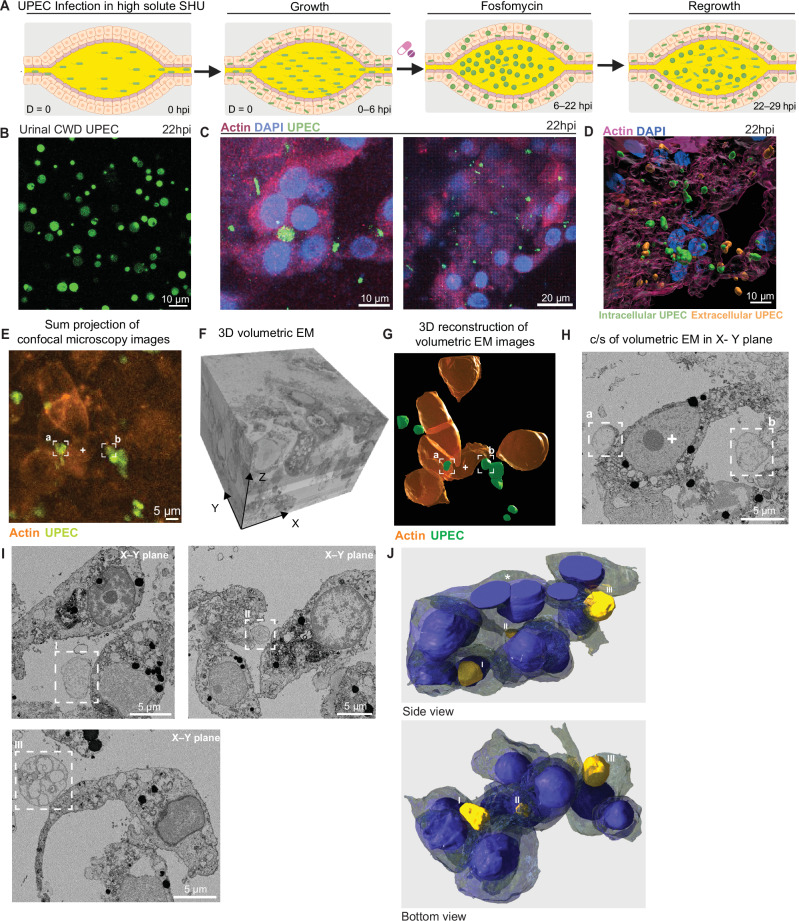 Figure 5
Peer Reviews
No public reviews on file for this paper yet. If you reviewed it on a platform where reviews are public (OpenReview, ICLR, NeurIPS, ICML), you can paste yours below so the community can read it here.
Videos
No videos yet. Explain this paper in a talk, walkthrough, or lecture? Add one.
Taxonomy
TopicsUrinary Tract Infections Management · Tissue Engineering and Regenerative Medicine · Bladder and Urothelial Cancer Treatments