From fertilizer to insecticide: urban leaf litter chemistry alters the survival landscape of Aedes aegypti
Ana Luiza Caldatto, Gilberto Dinis Cozzer, Heloise Restello Remus, Raquel de Brito, Monica Santin Zanatta Schindler, Cássia Alves Lima‐Rezende, Jacir Dal Magro, Renan de Souza Rezende

TL;DR
Urban leaf litter can either nourish or kill mosquito larvae depending on the tree species, concentration, and aging, offering a natural tool for mosquito control.
Contribution
Identifies how leaf litter chemistry from urban trees can act as a self-renewing mosquito control tool based on species-specific chemical profiles.
Findings
Tipuana tipu leachates at low dilution boost mosquito survival and growth, but higher concentrations are lethal.
Handroanthus heptaphyllus leachates consistently have mild effects on mosquito larvae regardless of concentration or aging.
Leaf litter chemistry from urban trees can shift from a resource to a stressor, influencing mosquito performance in cities.
Abstract
Urban leaf litter accumulating in water‐filled containers may function as either a resource or a stressor for Aedes aegypti larvae, yet the chemical and botanical drivers of these contrasting effects remain poorly understood. We combined untargeted metabolite profiling with factorial life‐history bioassays to examine how leachates from two dominant street trees, Tipuana tipu and Handroanthus heptaphyllus, influence mosquito life story. First‐instar larvae were exposed to 25%, 50% or 100% leachate aged 7 or 14 days. The T. tipu leachates were defined by persistent oxalic acid (cyclohexyl hexyl ester) and condensed tannins over 14 days of decay, whereas H. heptaphyllus rapidly lost most phenolics within the first week, shifting to profiles dominated by short‐chain alkenes. At 25% dilution, T. tipu reduced mortality to 7% and produced adults with greater wing lengths than controls.…
Genes, proteins, chemicals, diseases, species, mutations and cell lines named across the full text — each resolved to its canonical identifier and authoritative record.
Click any figure to enlarge with its caption.
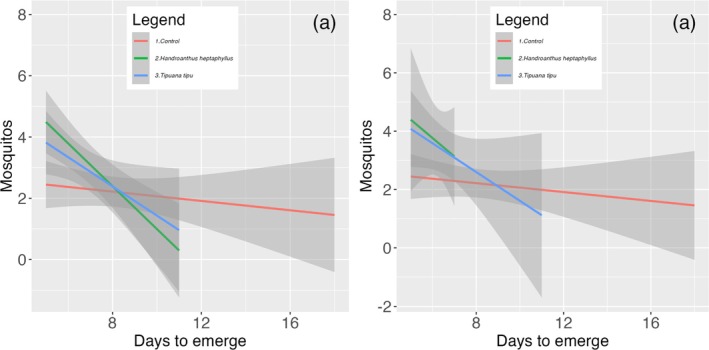 Figure 1
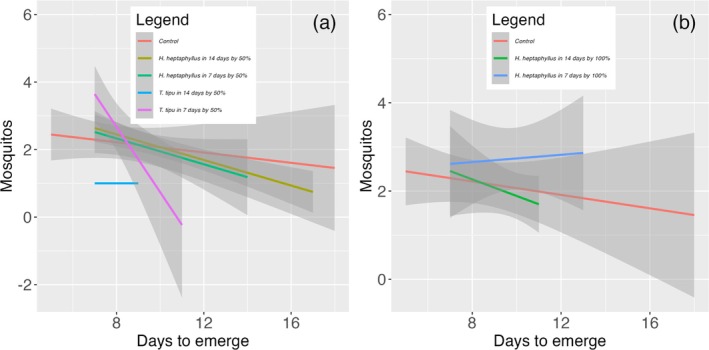 Figure 2
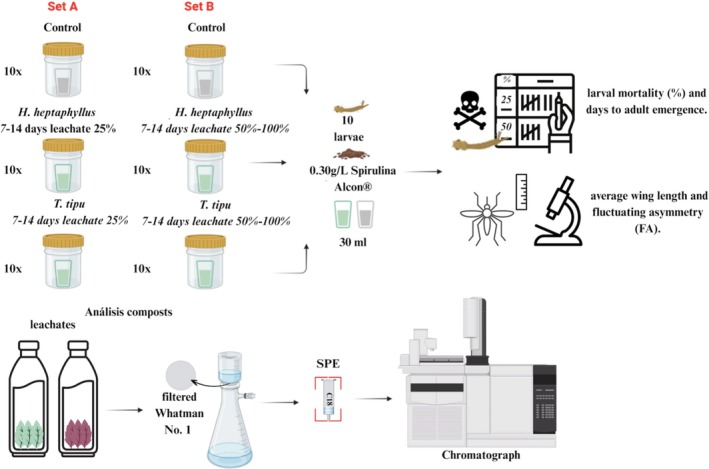 Figure 3
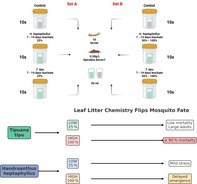 Figure 4
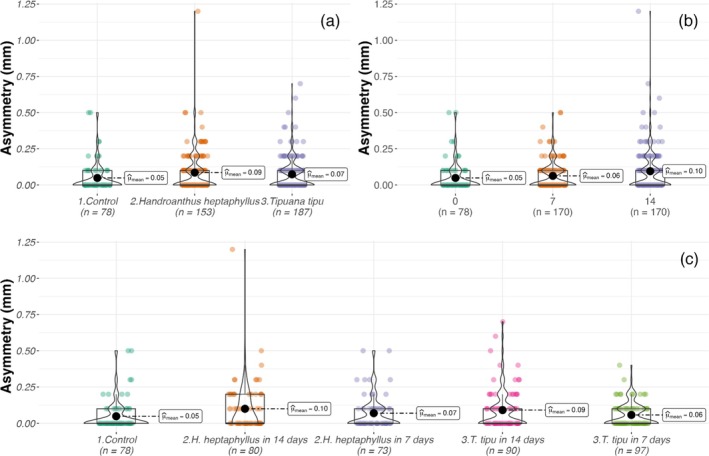 Figure 5
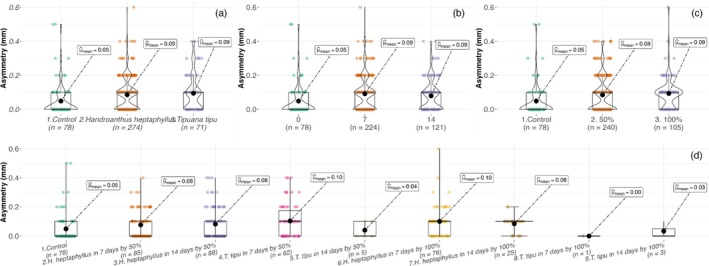 Figure 6
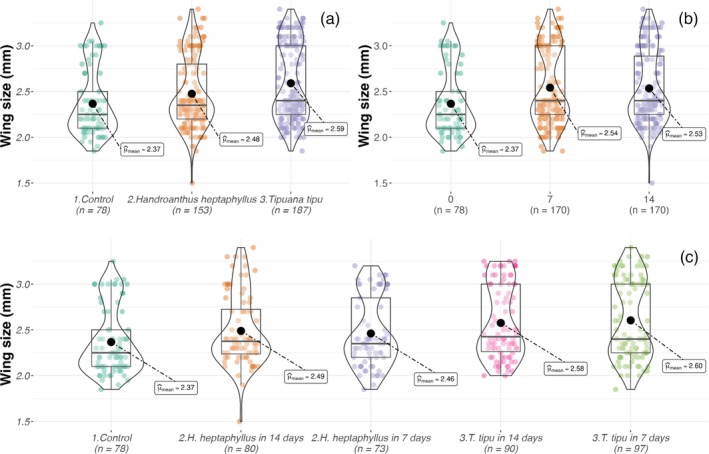 Figure 7
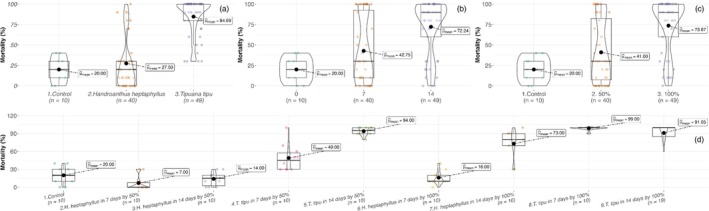 Figure 8
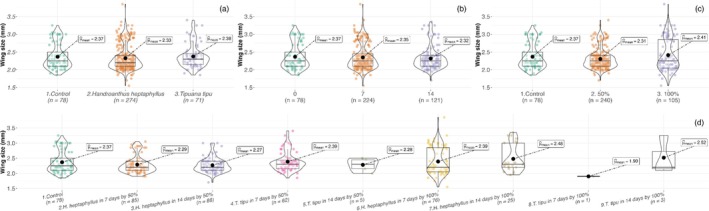 Figure 9
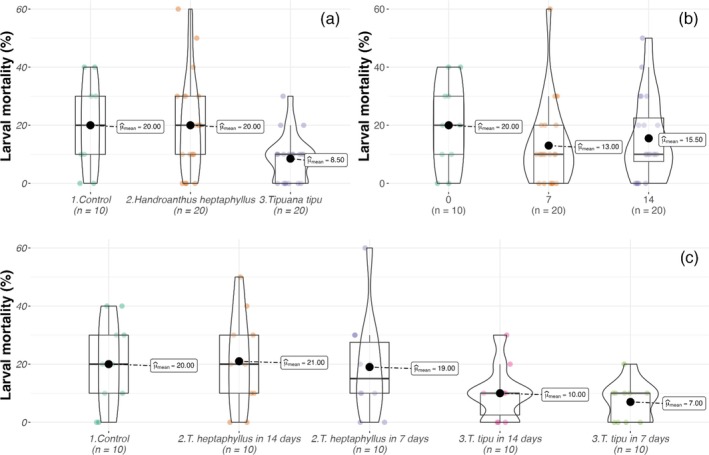 Figure 10
Peer Reviews
No public reviews on file for this paper yet. If you reviewed it on a platform where reviews are public (OpenReview, ICLR, NeurIPS, ICML), you can paste yours below so the community can read it here.
Videos
No videos yet. Explain this paper in a talk, walkthrough, or lecture? Add one.
Taxonomy
TopicsMosquito-borne diseases and control · Insect Pest Control Strategies · Malaria Research and Control