Vegetal residue‐based formulation of Trichoderma ossianense, a new indigenous vineyard species adapted to alkaline pH with potential biocontrol ability against Black‐foot disease pathogens
Laura Zanfaño, Guzmán Carro‐Huerga, Álvaro Rodríguez‐González, Sara Mayo‐Prieto, Daniela Ramírez‐Lozano, Rosa E Cardoza, Santiago Gutiérrez, Pedro A Casquero

TL;DR
A new Trichoderma species, T. ossianense, was found to thrive in alkaline soils and effectively control grapevine black-foot disease pathogens.
Contribution
Discovery of a new Trichoderma species adapted to alkaline pH with biocontrol potential against black-foot disease.
Findings
T. ossianense grows well in alkaline pH and controls Ilyonectria and Dactylonectria pathogens.
Vegetal residue formulations maintain spore viability and support field development of T. ossianense.
The species shows promise for vineyard protection in alkaline soil regions.
Abstract
Fungi of the Trichoderma genus are used in vineyards as biological control agents mainly against grapevine trunk diseases. The use of indigenous strains of this fungal genus favors their efficacy since they are optimally adapted to the environmental conditions. Some factors, such as the pH of soils colonized by Trichoderma, are essential to guarantee its efficacy against grapevine pathogens. For this reason, the aim of this study was to search for Trichoderma strains adapted to soils with alkaline pH, predominant in different wine‐growing areas of Spain, able to combat the pathogen Ilyonectria sp., the causal agent of the grapevine black‐foot disease. This study identified a new Trichoderma species, T. ossianense, isolated from grapevine roots. This isolate is able to grow in alkaline pH and shows efficacy in the biocontrol of pathogens of the Ilyonectria and Dactylonectria genera,…
Genes, proteins, chemicals, diseases, species, mutations and cell lines named across the full text — each resolved to its canonical identifier and authoritative record.
Click any figure to enlarge with its caption.
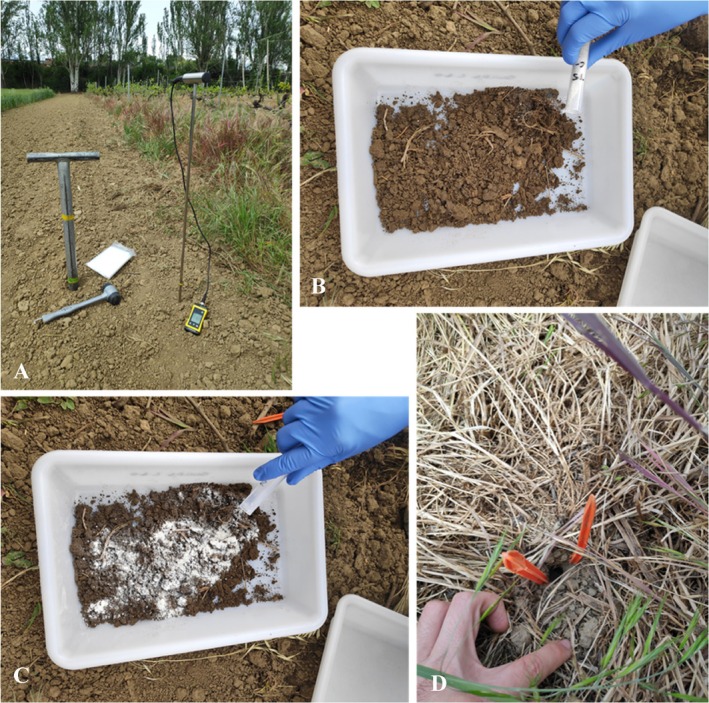 Figure 1
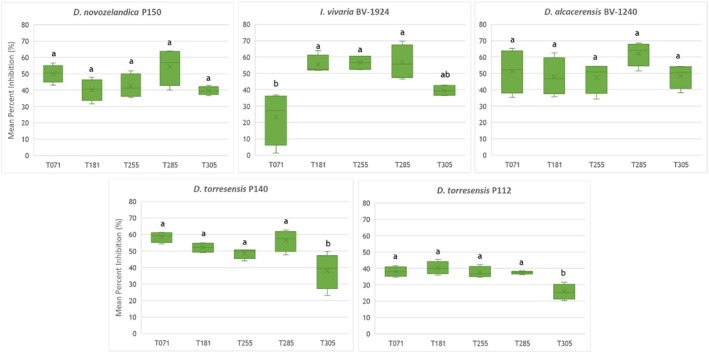 Figure 2
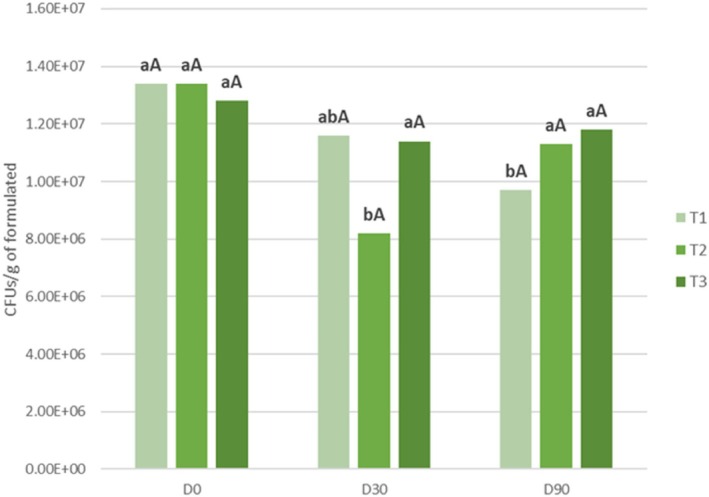 Figure 3
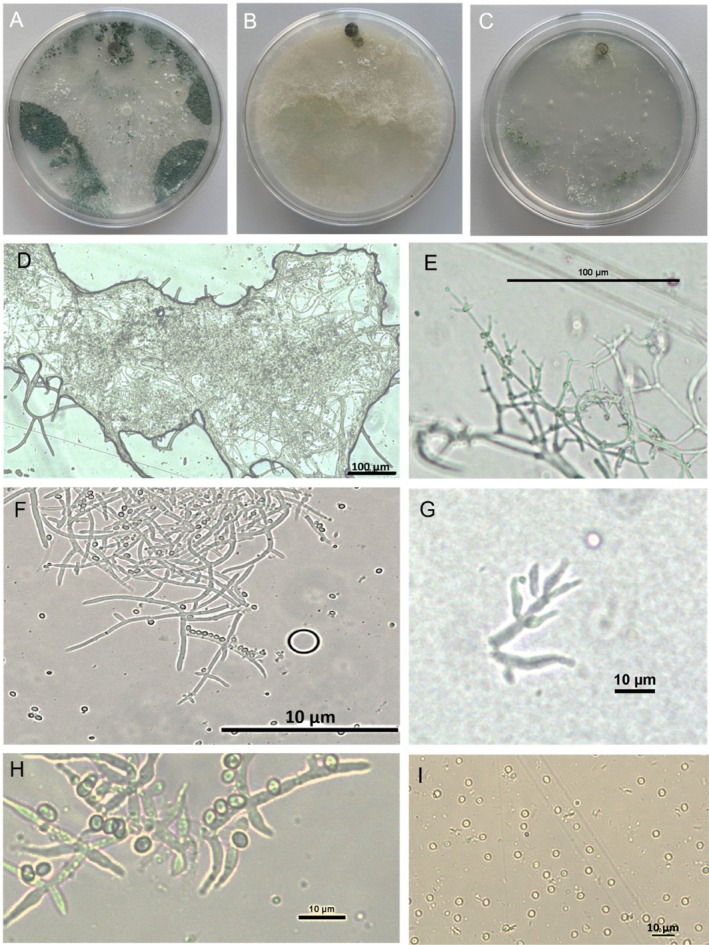 Figure 4
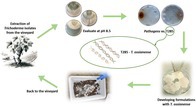 Figure 5
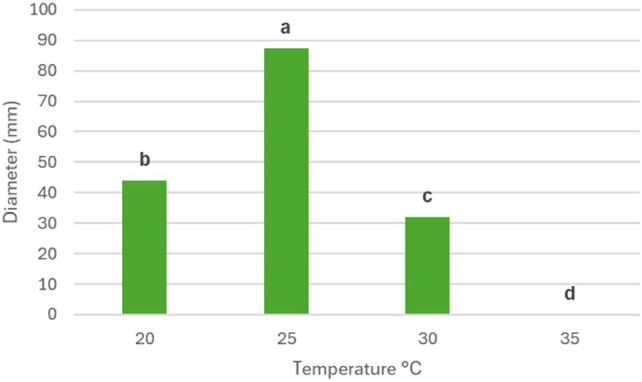 Figure 6
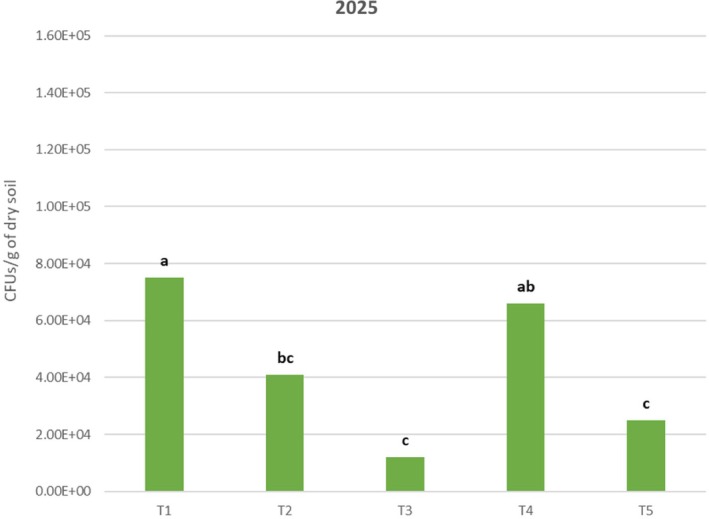 Figure 7
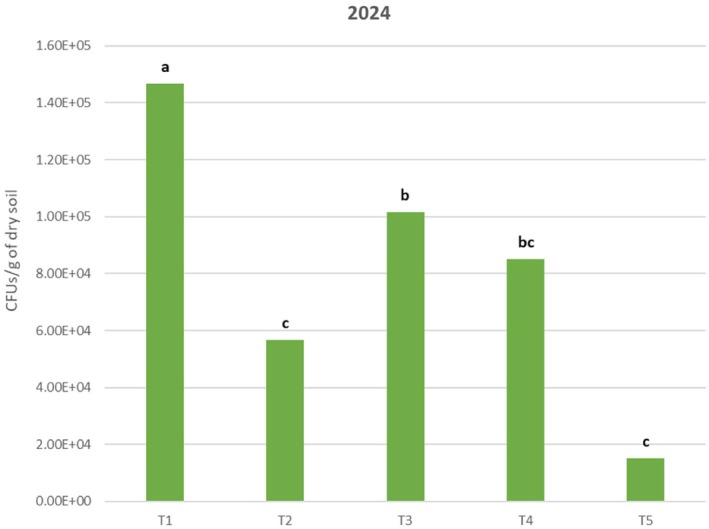 Figure 8
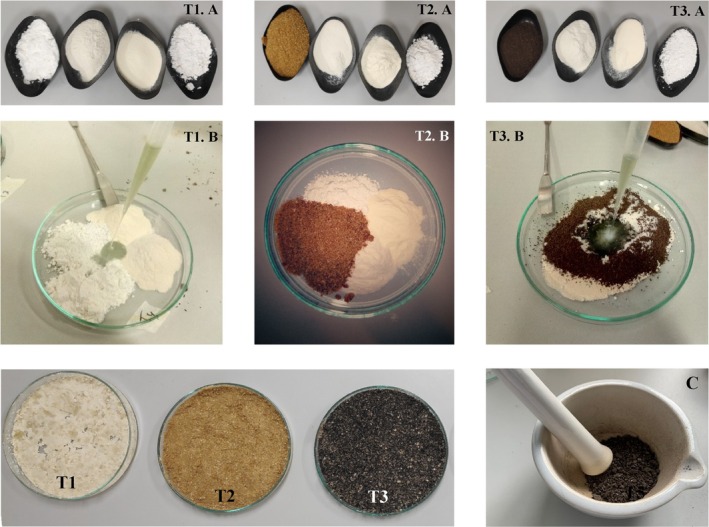 Figure 9
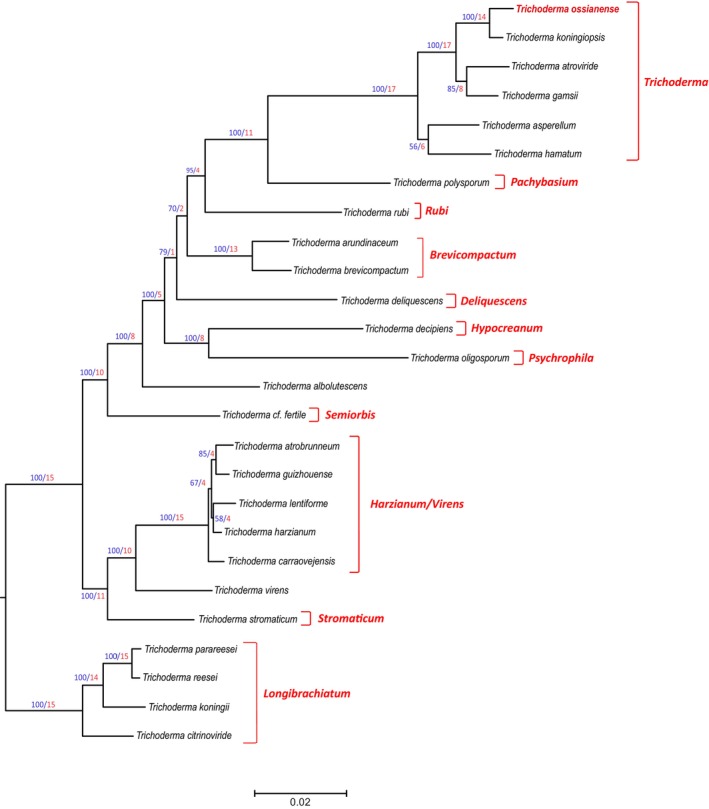 Figure 10
Peer Reviews
No public reviews on file for this paper yet. If you reviewed it on a platform where reviews are public (OpenReview, ICLR, NeurIPS, ICML), you can paste yours below so the community can read it here.
Videos
No videos yet. Explain this paper in a talk, walkthrough, or lecture? Add one.
Taxonomy
TopicsPlant-Microbe Interactions and Immunity · Plant Pathogens and Fungal Diseases · Forest Insect Ecology and Management