Performance enhancement of electrochemical discharge micromachining of borosilicate glass using nitrogen gas assistance
Sekar Tamilperuvalathan, Vinoth Varadharaju, Sakthivel Rajamohan, Dhinesh Balasubramanian, Utku Kale, Artūras Kilikevičius

TL;DR
Using nitrogen gas in a machining process improves efficiency and reduces tool wear when working with borosilicate glass.
Contribution
Nitrogen gas is introduced as a dielectric to stabilize electrochemical discharge micromachining of borosilicate glass.
Findings
Nitrogen gas flow rates of 3–5 L/min improved discharge stability and machining performance.
Optimal conditions achieved 5 mg material removal with negative tool wear and 33% lower electrolyte concentration.
Random Forest model predicted near-optimal parameters with an 8% average deviation.
Abstract
Electrochemical Discharge Micro-Machining (ECDµM) of borosilicate glass commonly suffers from unstable discharges, surface cracking, low material removal (MR), and excessive tool wear (TW) when conventional liquid or air-based dielectrics are used. These issues limit machining efficiency and sustainable process development, especially when MR and TW are optimized independently. To overcome these limitations, this study investigates nitrogen gas as a regulated gaseous dielectric in combination with an aqueous sodium hydroxide (NaOH) electrolyte to enhance discharge stability and achieve balanced machining performance. Experiments were conducted by varying applied voltage, NaOH concentration and nitrogen gas flow rate, and the responses were analyzed using Response Surface Methodology (RSM), Grey Relational Analysis (GRA), and a Random Forest Algorithm (RFA). Stable machining was achieved…
Genes, proteins, chemicals, diseases, species, mutations and cell lines named across the full text — each resolved to its canonical identifier and authoritative record.
Click any figure to enlarge with its caption.
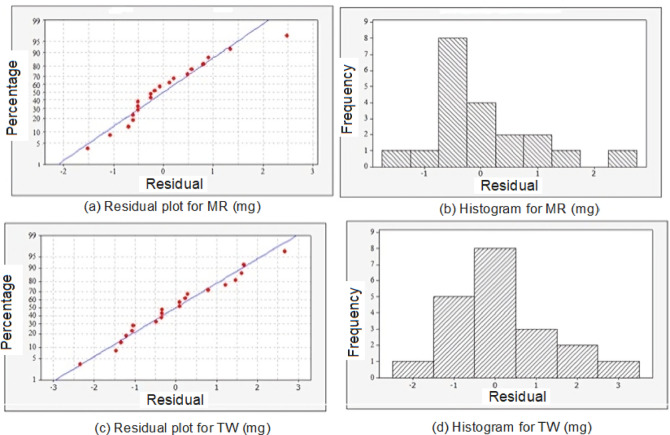 Figure 10
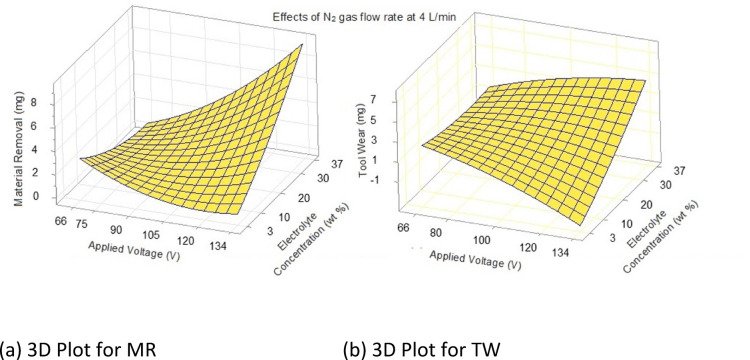 Figure 11
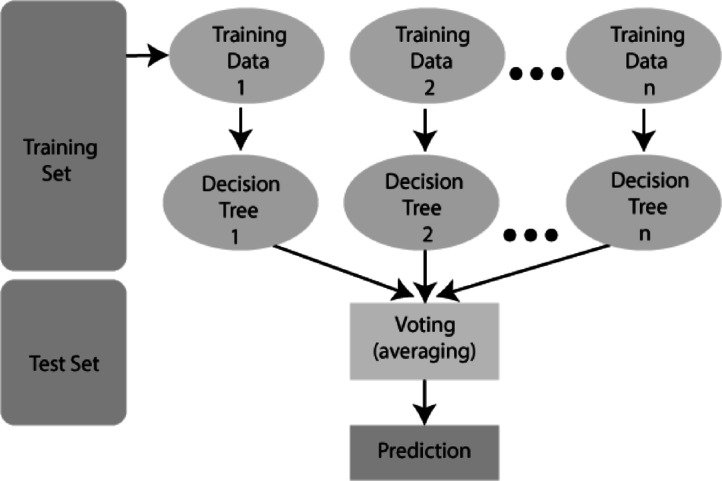 Figure 12
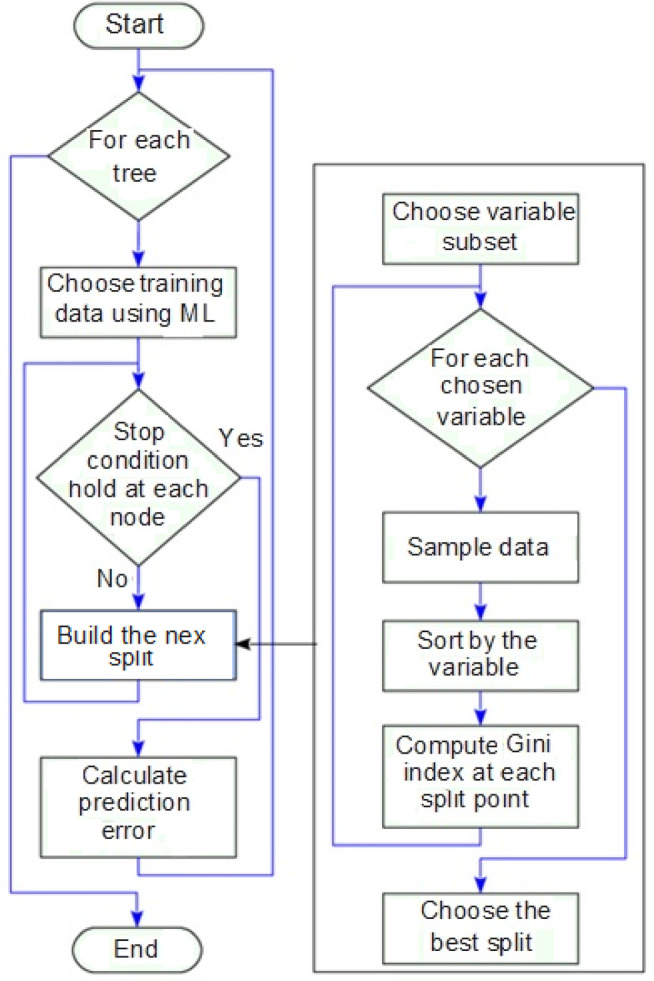 Figure 13
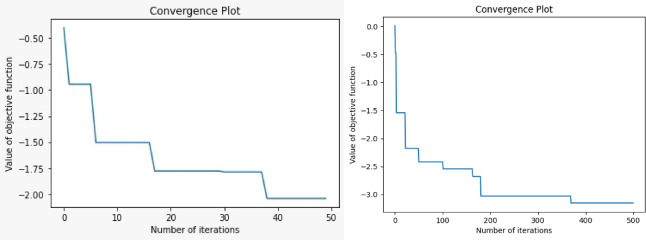 Figure 14
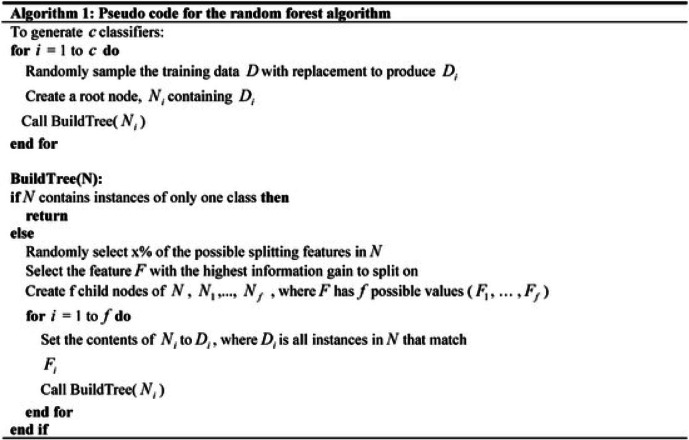 Figure 15
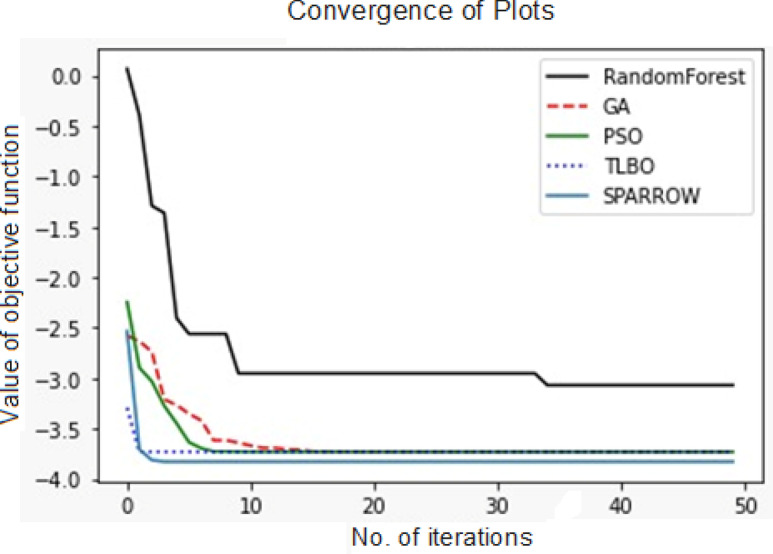 Figure 16
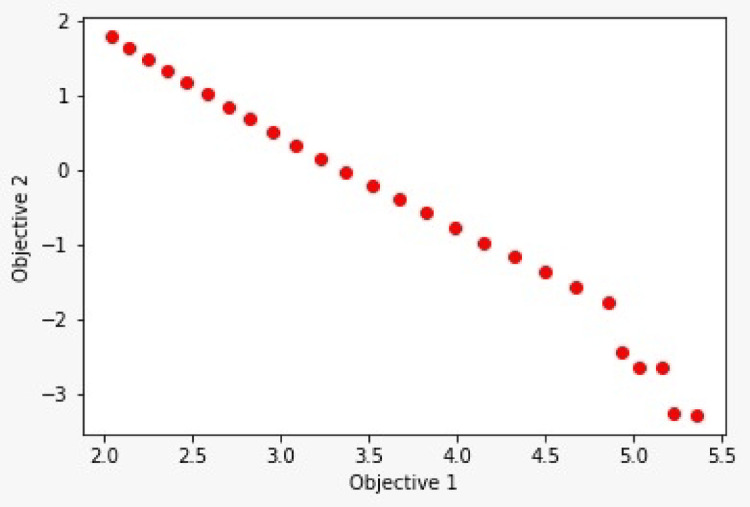 Figure 17
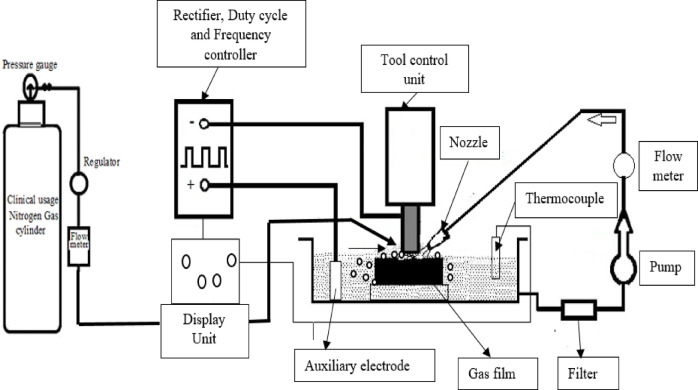 Figure 1
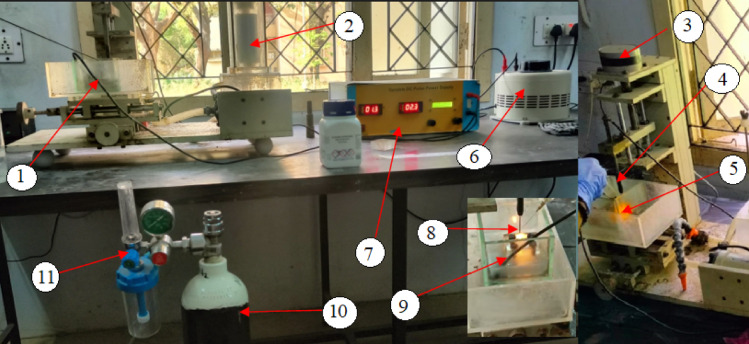 Figure 2
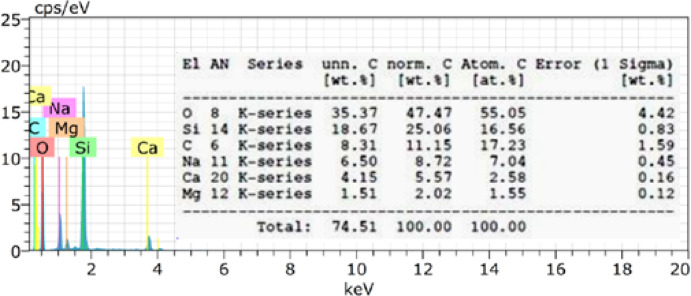 Figure 3
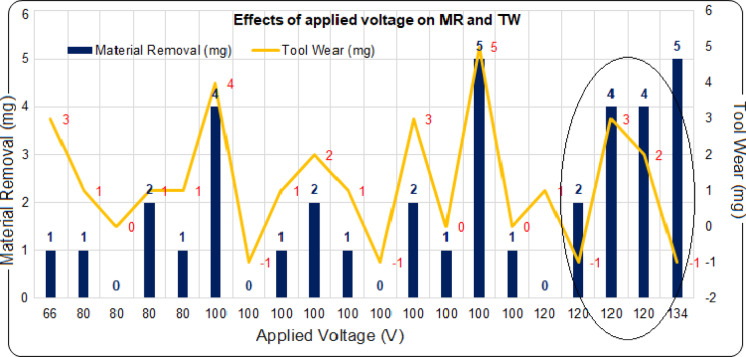 Figure 4
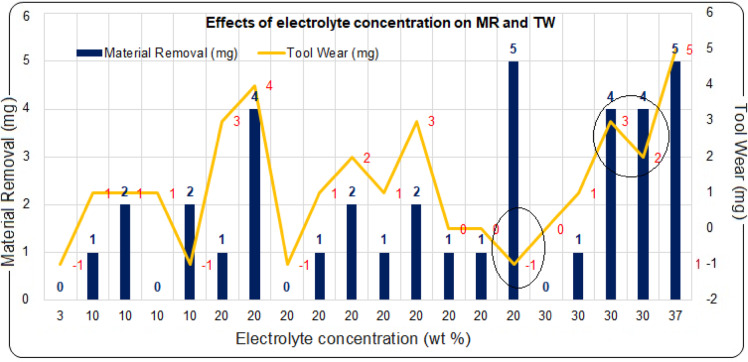 Figure 5
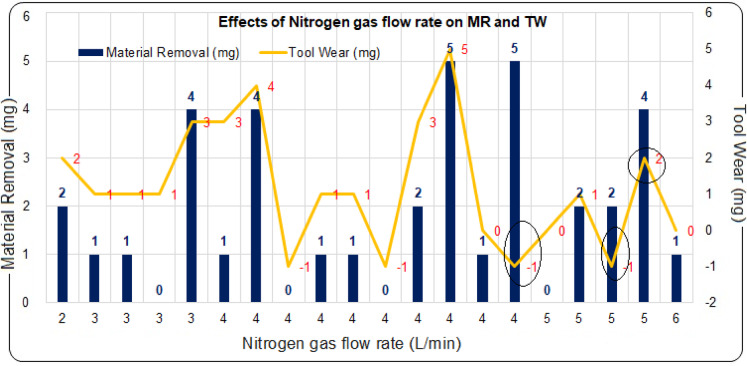 Figure 6
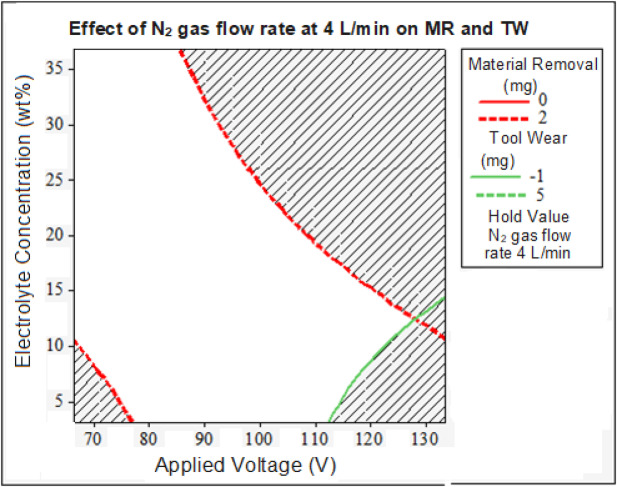 Figure 7
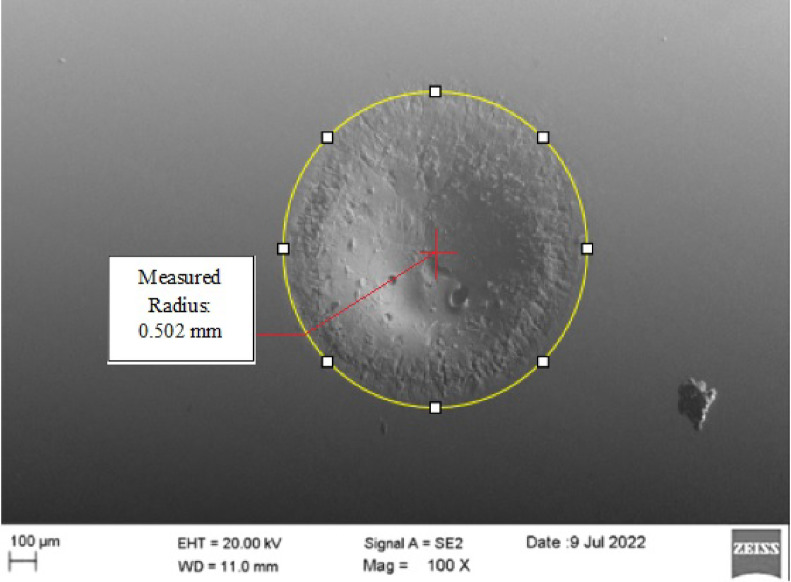 Figure 8
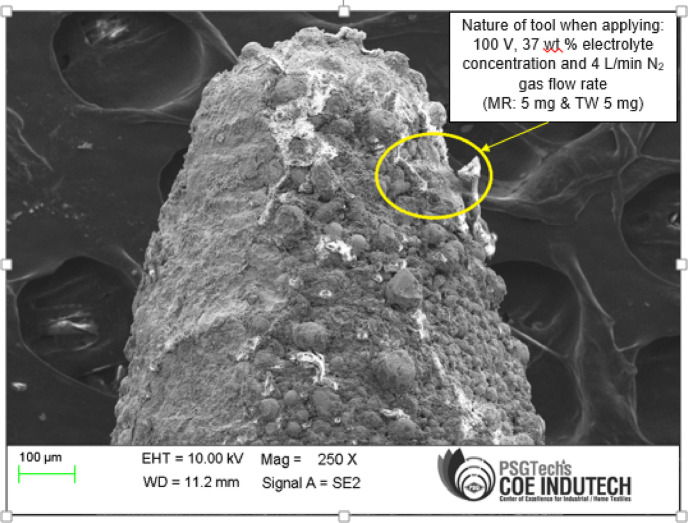 Figure 9
Peer Reviews
No public reviews on file for this paper yet. If you reviewed it on a platform where reviews are public (OpenReview, ICLR, NeurIPS, ICML), you can paste yours below so the community can read it here.
Videos
No videos yet. Explain this paper in a talk, walkthrough, or lecture? Add one.
Taxonomy
TopicsAdvanced Machining and Optimization Techniques · Advanced machining processes and optimization · Erosion and Abrasive Machining