Maximising environmental savings from silicon photovoltaics manufacturing to 2035
Bethany L. Willis, Oliver M. Rigby, Sophie L. Pain, Nicholas E. Grant, John D. Murphy, Ruy S. Bonilla, Neil S. Beattie

TL;DR
This study compares the environmental impact of two solar cell technologies and shows that switching to a newer design can significantly reduce CO2 emissions by 2035.
Contribution
The study provides a forecast of environmental savings from adopting tunnel oxide passivated contact solar cells and varying electricity mixes.
Findings
Tunnel oxide passivated contact cells reduce CO2 emissions by 6.5% per watt peak compared to older technology.
Switching to this new technology could save 8.2 gigatonnes of CO2 equivalent emissions by 2035.
The carbon intensity of the electricity mix is a critical factor in the environmental impact of solar cell manufacturing.
Abstract
The silicon photovoltaics market is transitioning from the incumbent passivated emitter rear cell to the higher efficiency tunnel oxide passivated contact technology and it is crucial to understand the environmental impact of this change. Here, we conduct life cycle assessment to compare both technologies quantitatively and identify environmental savings in 15 of 16 environmental impact categories for tunnel oxide passivated contact. This includes a 6.5% reduction in carbon dioxide equivalent emissions, per watt peak at the expense of 15.2% increase in metal resource use, for photovoltaic modules manufactured in China and transported to central Europe. A critical factor in photovoltaics manufacturing is the carbon intensity of the electricity mix. We model the impact of photovoltaics production across different global regions, incorporating future electricity mix scenarios and a…
Genes, proteins, chemicals, diseases, species, mutations and cell lines named across the full text — each resolved to its canonical identifier and authoritative record.
Click any figure to enlarge with its caption.
 Figure 10
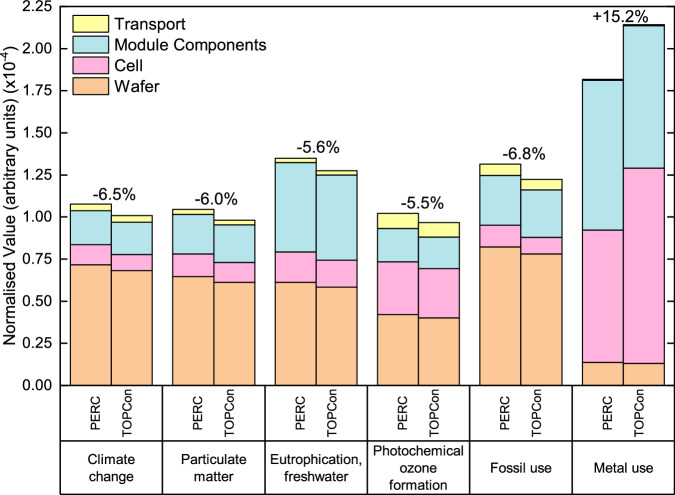 Figure 1
 Figure 2
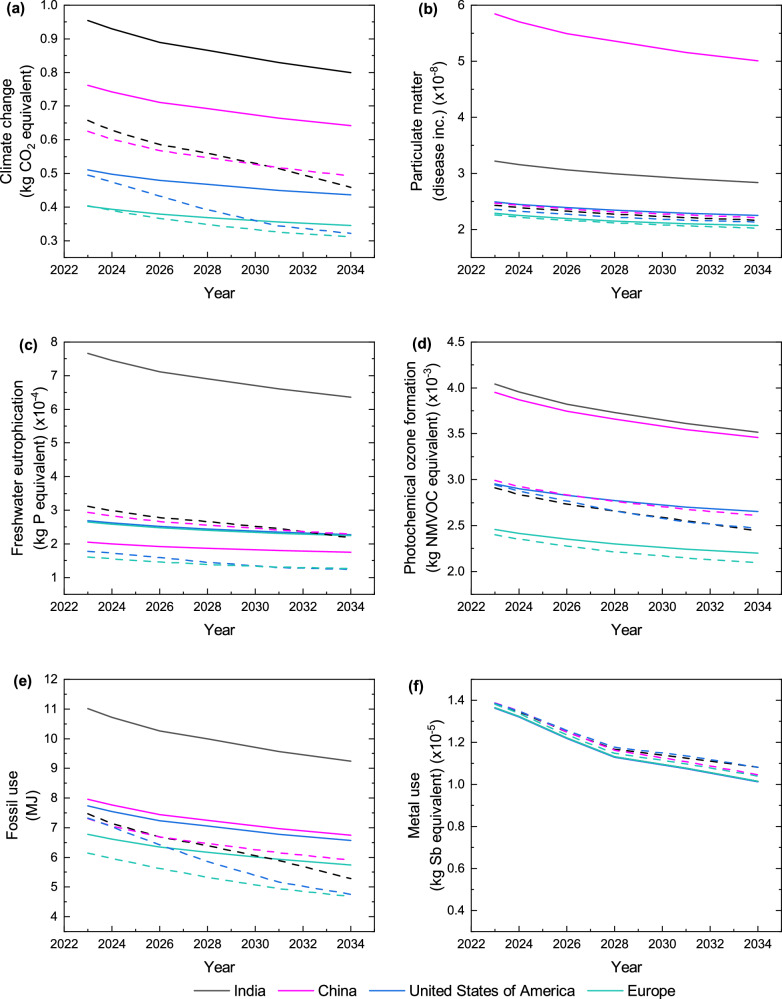 Figure 3
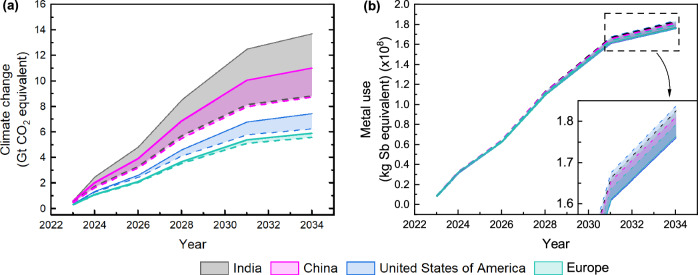 Figure 4
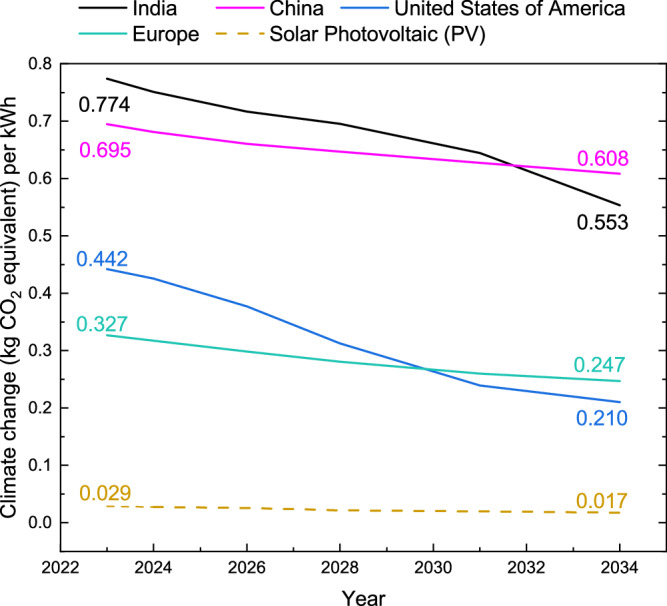 Figure 5
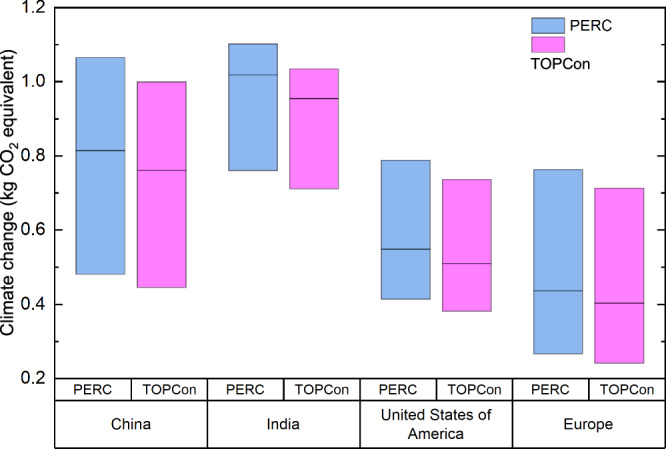 Figure 6
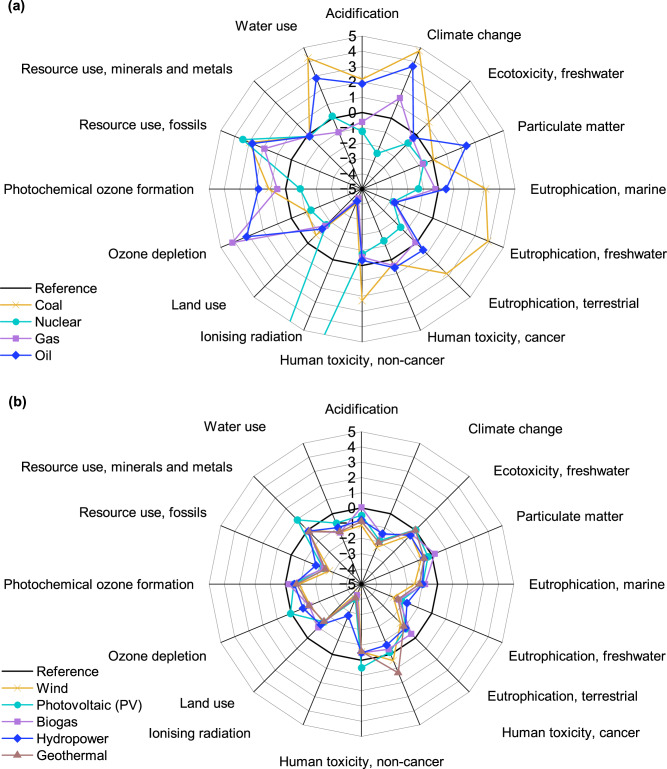 Figure 7
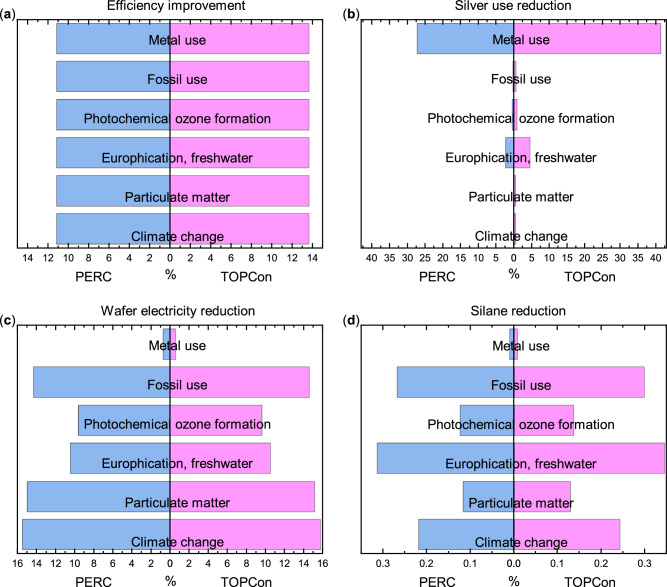 Figure 8
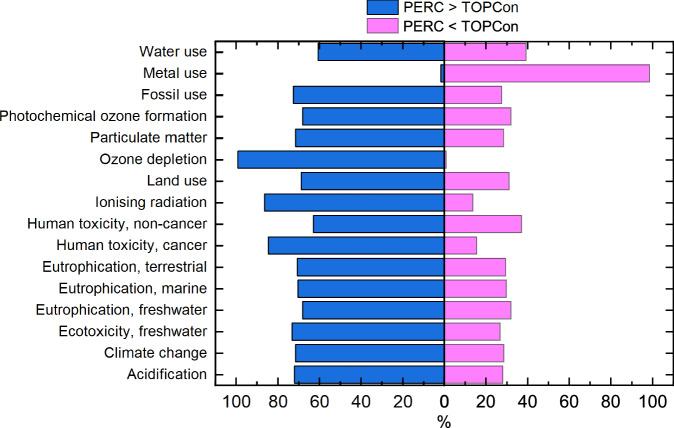 Figure 9
Peer Reviews
No public reviews on file for this paper yet. If you reviewed it on a platform where reviews are public (OpenReview, ICLR, NeurIPS, ICML), you can paste yours below so the community can read it here.
Videos
No videos yet. Explain this paper in a talk, walkthrough, or lecture? Add one.
Taxonomy
TopicsPhotovoltaic Systems and Sustainability · Recycling and Waste Management Techniques · Environmental Impact and Sustainability