Residual inflammatory risk and clinical outcomes after contemporary percutaneous coronary intervention: a systematic review and meta-analysis
Francisco José Romeo, Michele Golino, Matteo Morello, Francesca Maria Di Muro, Francesco Moroni, Marco Giuseppe del Buono, Giuseppe Biondi-Zoccai, Antonio Abbate

TL;DR
This study finds that high residual inflammatory risk after heart procedures is linked to worse outcomes like heart attacks and strokes.
Contribution
The study identifies residual inflammatory risk as a significant predictor of adverse outcomes after PCI, offering new insights for targeted therapies.
Findings
High residual inflammatory risk (RIR) is associated with increased major adverse cardiovascular events after PCI.
RIR is linked to higher all-cause mortality and non-fatal myocardial infarction.
Persistent RIR increases the risk of non-fatal stroke.
Abstract
Elevated low-density lipoprotein cholesterol (LDL-C) and subclinical inflammation - measured with high-sensitivity C-reactive protein (hsCRP) - contribute to atherosclerosis progression. Despite medical therapy, high-risk patients may still have residual cholesterol risk, residual inflammatory risk (RIR), both, or neither. We aimed to study the impact of RIR in patients undergoing contemporary percutaneous coronary intervention (PCI). A comprehensive search of Pubmed, EMBASE, Cochrane and MEDLINE was performed up to December 2024. Only studies including patients with coronary artery disease undergoing PCI were considered. Inflammatory burden was evaluated with two hs-CRP measurements at baseline and follow-up (> 4 weeks apart). High RIR was defined as hsCRP ≥ 2 mg/L at 1-month follow-up. The risk ratio (RR) with a 95% confidence interval (CI) was computed using a random-effect model. We…
Genes, proteins, chemicals, diseases, species, mutations and cell lines named across the full text — each resolved to its canonical identifier and authoritative record.
Click any figure to enlarge with its caption.
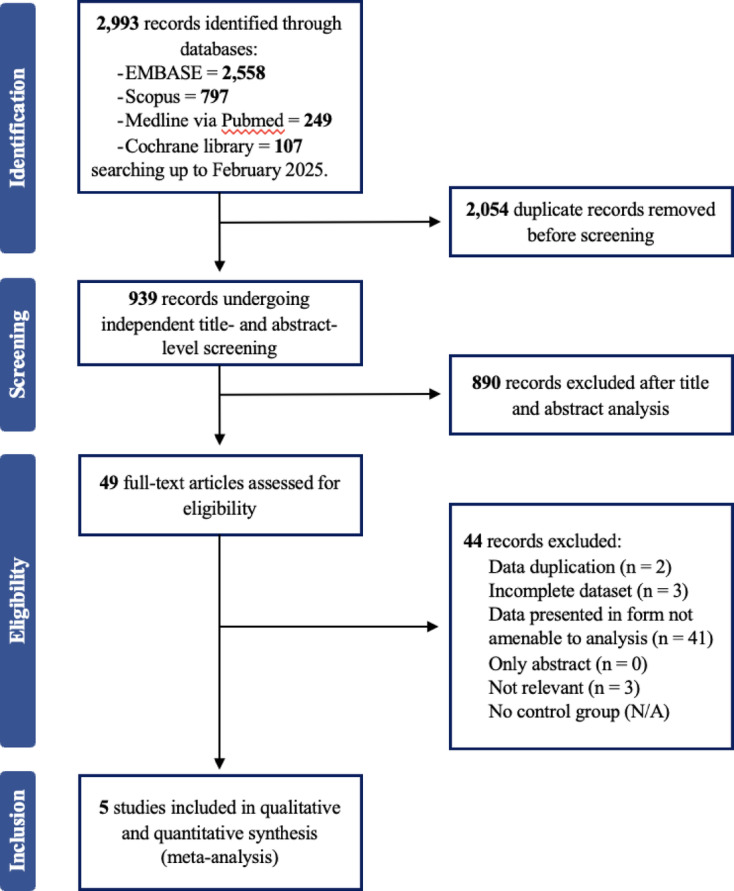 Figure 1
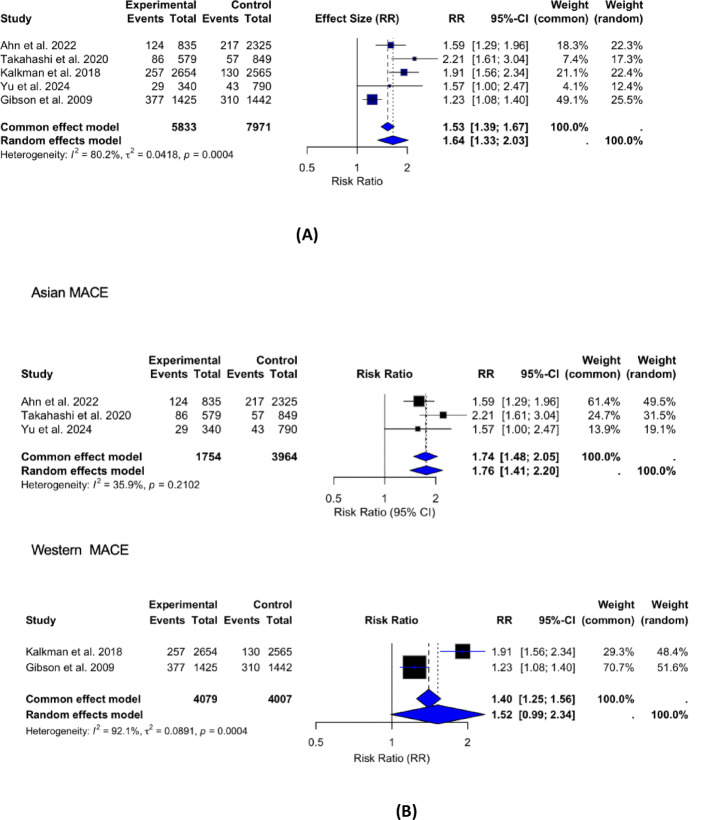 Figure 2
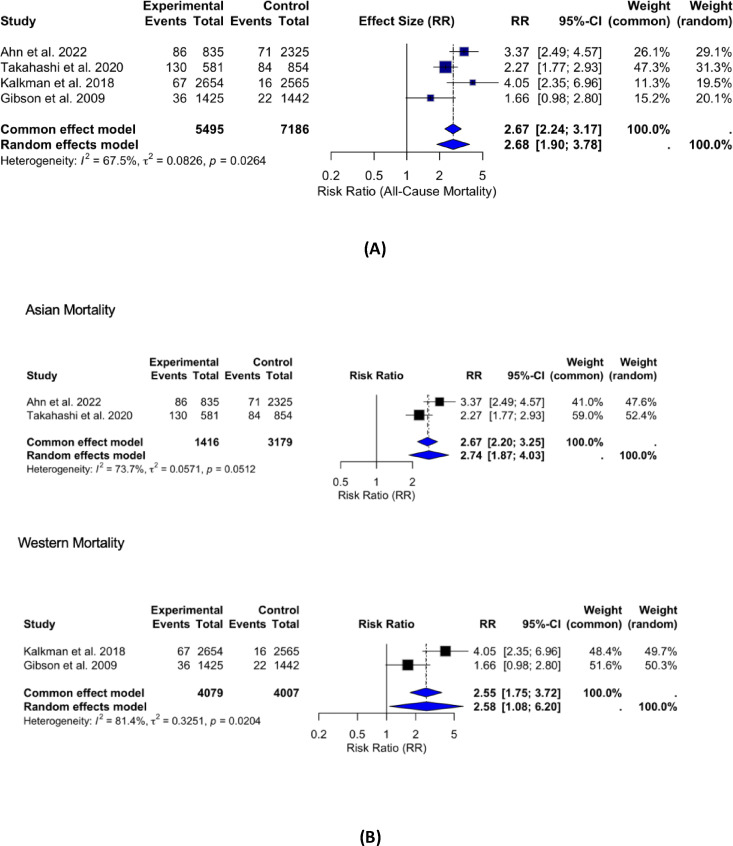 Figure 3
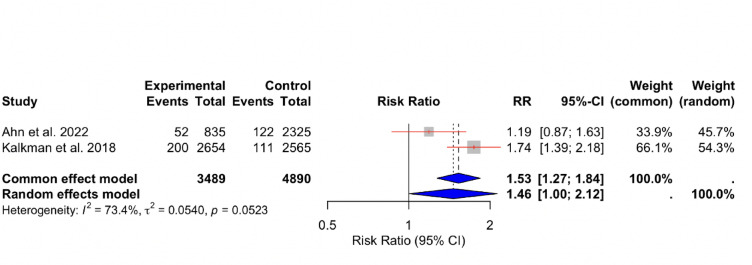 Figure 4
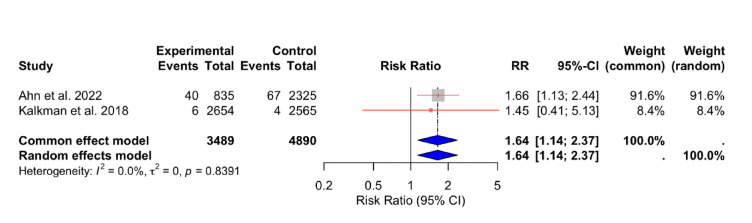 Figure 5
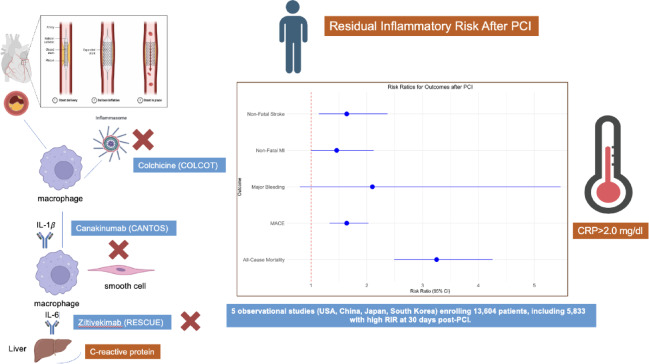 Figure 6
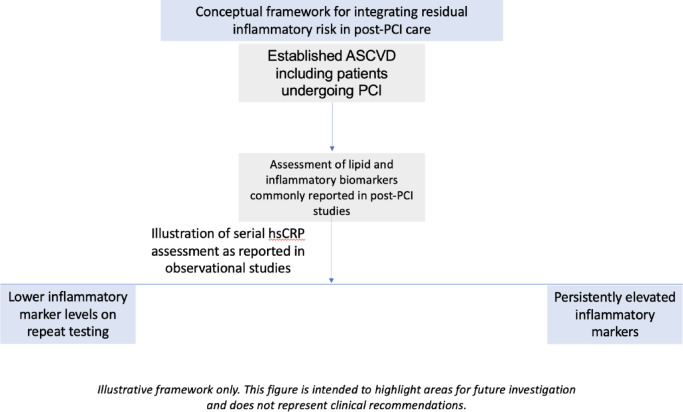 Figure 7
Peer Reviews
No public reviews on file for this paper yet. If you reviewed it on a platform where reviews are public (OpenReview, ICLR, NeurIPS, ICML), you can paste yours below so the community can read it here.
Videos
No videos yet. Explain this paper in a talk, walkthrough, or lecture? Add one.
Taxonomy
TopicsAdipokines, Inflammation, and Metabolic Diseases · Inflammasome and immune disorders · Lipoproteins and Cardiovascular Health