Effect of proportional assist ventilation plus versus pressure support ventilation on successful weaning in critically ill adults: a systematic review, meta-analysis, and trial sequential analysis
Yifei Wang, Xiang Da, Xin Kang, Linlin Liu, Rui Zhao, Zi Zhu, Xinni Li, Yike Zhang, Conghui Wang, Jiehua Deng

TL;DR
This study compares two ventilator modes for weaning critically ill adults and finds that proportional assist ventilation plus improves weaning success.
Contribution
The study provides robust evidence that proportional assist ventilation plus enhances weaning success compared to pressure support ventilation.
Findings
Proportional assist ventilation plus improved weaning success with a relative risk of 1.12.
The benefit of proportional assist ventilation plus remained significant in sensitivity analyses excluding spontaneous breathing trials.
No significant differences were found in reintubation, mortality, or ICU length of stay between the two ventilation modes.
Abstract
Proportional assist ventilation plus (PAV+) and pressure support ventilation (PSV) are commonly employed ventilatory modes during the weaning process from mechanical ventilation in critically ill adult patients. Proportional assist ventilation plus delivers assistance proportional to the patient’s inspiratory effort, thereby enhancing patient–ventilator synchrony and reducing the work of breathing. However, the efficacy of proportional assist ventilation in facilitating successful weaning remains a matter of debate. A comprehensive search was conducted in CENTRAL, PubMed, MEDLINE, Web of Science, Embase, and ClinicalTrials.gov from inception to October 1, 2025 We included randomized controlled trials comparing proportional assist ventilation plus with pressure support ventilation in adult patients (≥18 years) who underwent invasive mechanical ventilation for at least 24 h prior to…
Genes, proteins, chemicals, diseases, species, mutations and cell lines named across the full text — each resolved to its canonical identifier and authoritative record.
Click any figure to enlarge with its caption.
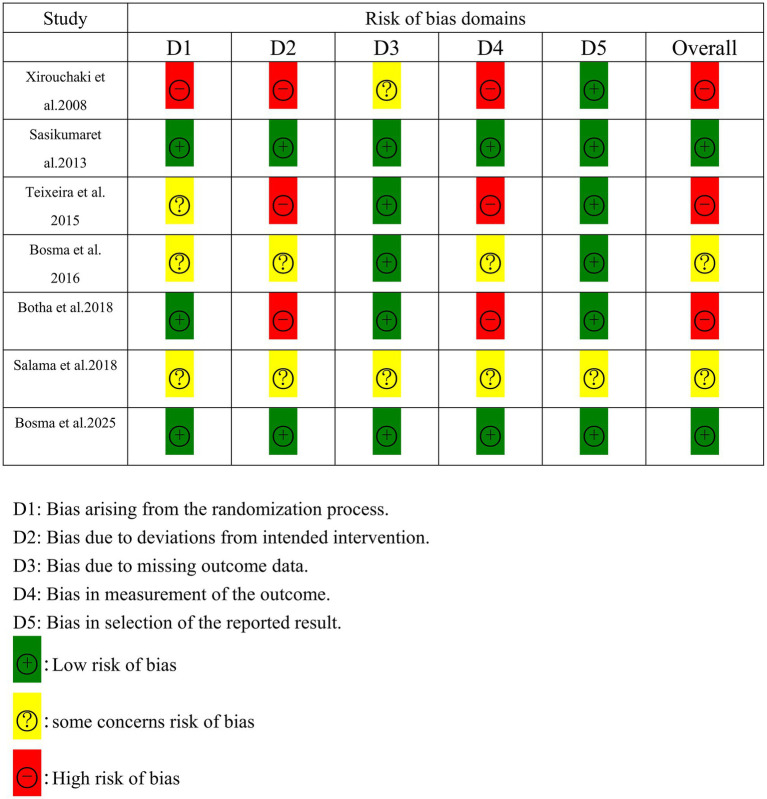 Figure 1
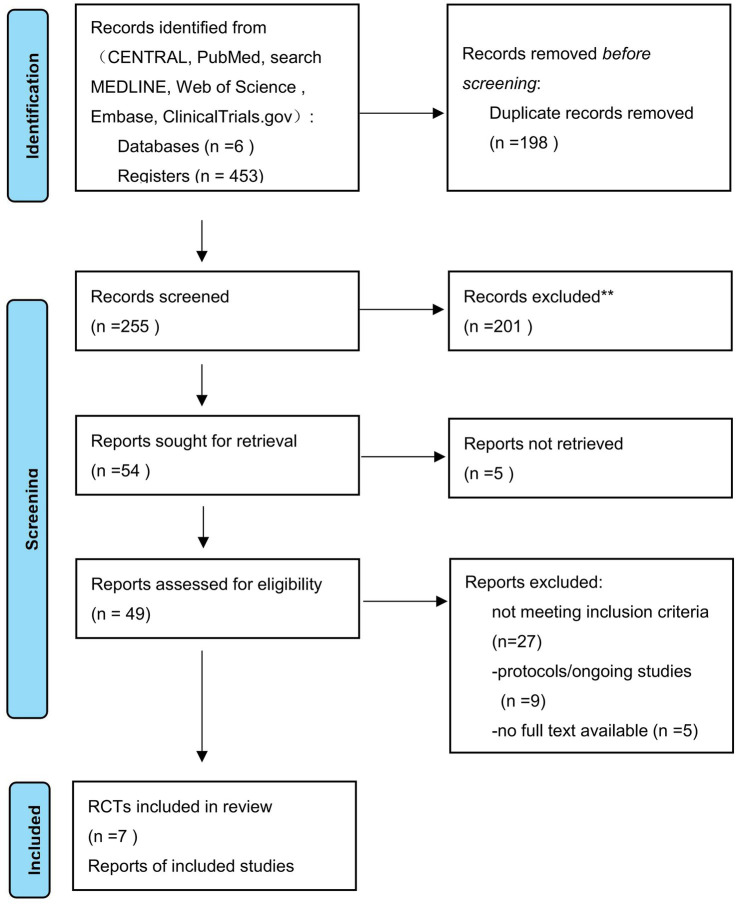 Figure 2
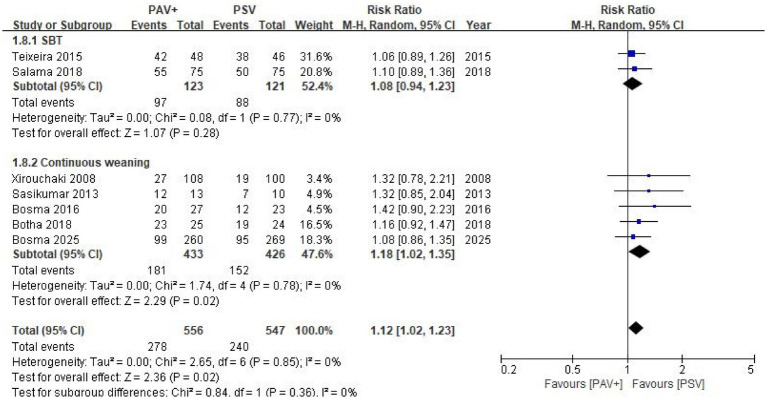 Figure 3
Peer Reviews
No public reviews on file for this paper yet. If you reviewed it on a platform where reviews are public (OpenReview, ICLR, NeurIPS, ICML), you can paste yours below so the community can read it here.
Videos
No videos yet. Explain this paper in a talk, walkthrough, or lecture? Add one.
Taxonomy
TopicsRespiratory Support and Mechanisms · Intensive Care Unit Cognitive Disorders · Sepsis Diagnosis and Treatment